
With the rise of keto diets, consumers are increasingly searching for low-carb bread alternatives. Amidst this trend, Costco has become a go-to destination for many shoppers, yet it lacks any specific offerings branded as ‘Keto bread’. This article delves into the nuances of keto bread, specifically the famous Keto Cloud Bread, and contrasts it with consumer insights on Costco’s product range. Each chapter aims to enlighten business owners about the market opportunities linked to keto-friendly products, evaluating potential gaps and the consumer base’s interest in low-carb options.
Soft Clouds vs. Ready-Made Slices: A Close Reading of Homemade Cloud Bread and Store-Ready Low-Carb Loaves
Bread has a tricky reputation in the keto world. It’s not just about cutting carbs; it’s about preserving texture, satisfying structure, and keeping meals practical enough to support a real-life schedule. This chapter compares two common paths: homemade cloud bread, a light, egg-based option, and store-ready low-carb loaves designed for convenience. The goal is to understand how each option works in theory and in daily practice, and how priorities like time, taste, nutrition, and routine tilt the balance. The comparison is not merely about carbs per slice; it’s about texture, predictability, and how a bread substitute fits into a broader eating pattern.
Cloud bread emphasizes restraint and precision. Its basis is whipped egg whites, cream cheese, and a touch of stabilizer. The air in the foam creates a delicate, pillow-soft crumb. Technique matters: separate yolks and whites carefully, whisk to stiff peaks, then fold gently to avoid deflating. When done well, the loaf is light and tender, a texture that can carry toppings without heaviness. The appeal is transparency: real ingredients, no gums or fillers, and a mindful cooking ritual that aligns with a clean-eating mindset.
But cloud bread is not foolproof. Fragility is common: overwhipping or overfolding can yield a crumbly or dry loaf. It is best fresh and tends to pale as it sits in the fridge. Because the base is lean, flavor is mild, often needing toppings for personality. Some bakers love this neutrality as a canvas for herbs, avocado, or savory spreads. Others miss a traditional bread-forward character; the upside is the ability to tailor texture through technique and pairing.
On the opposite side, store-ready low-carb loaves offer convenience, consistency, and speed. These loaves resemble conventional bread in texture and usability, making sandwich routines familiar again. The ingredient list is more complex, often including almond flour, psyllium husk, gums, eggs, and stabilizers. The result is a denser slice that holds up to fillings and toasting. Net carbs per slice are typically modest, keeping them keto-friendly when portioned thoughtfully.
Yet convenience brings caveats. Flavor and mouthfeel can vary; some tasters notice chalky or metallic aftertastes from gums or emulsifiers. Texture may be denser and less forgiving when toasted. Price per slice and shelf life are practical concerns that balance purity of ingredients against ease of use. The broader consumer experience with keto loaves is mixed: some value reliability and speed, others prefer the nuance and ritual of cloud bread.
Hybrid living is common: bake cloud bread for special meals and keep a store loaf on hand for busy days. A quick dive into warehouse catalogs reveals a broader category of low-carb options—wraps and buns—that can widen meal planning without breaking ketosis. The best path depends on the calendar, goals, and appetite for kitchen effort. If curious about how these options stack up in practice, start with cloud bread to learn texture, then use a ready-made loaf when time rules the day.
Internal note: readers may also explore related warehouse-store foods and quick catalogs for broader keto options. External science resources on cloud bread explain the chemistry behind the fluffiness and offer tested methods for reliable results.
Costco Keto Bread and the Elasticity of Low-Carb Shopping
At Costco, the search for keto friendly bread unfolds as a study of shopper expectations and practical constraints. Rather than a single branded loaf, buyers navigate a spectrum of bakery and freezer items, weighing price, ingredients, and perceived carb counts as they assemble a week of meals. The absence of a clearly labeled Keto bread in the standard store mix becomes a lens on how people translate diet claims into everyday decisions. This gap is not just a missing product; it is a signal about what language the aisles use and how much trust shoppers place in labels versus in ingredients and portion control.
Across conversations online and in store aisles, Costco breads are celebrated for convenience, texture, and the sense that a loaf can anchor a family meal or a quick lunch. But most of these options are not keto friendly in the strict sense: their net carbs and ingredient lists reveal a tension between bulk convenience and macro targets. Shoppers adapt by using slices as platforms for toppings, by choosing higher protein complements like eggs and cheese, and by embracing DIY substitutions such as cloud bread or almond flour based options when time and budget permit. The common thread is pragmatism: find a workable palate and a feasible budget rather than chase a single branded solution.
From a consumer insights perspective, the Costco experience highlights which factors guide decision making: time, price, and transparency. Time matters because keto meals often demand quick assembly; price matters because the premium for specialty ingredients can offset bulk savings; transparency matters because shoppers seek clean labels, minimal processing, and clear carb totals. When labeling is ambiguous, shoppers rely on third party information, in-store testers, and friend recommendations, all of which shape what products rise to the top of a cart. In this ecosystem, the absence of a true Keto bread nudges shoppers toward foundational ingredients — proteins, fats, and dairy — that can be combined with simple, home prepared components to maintain dietary goals.
Looking ahead, the Costco shopper portrait suggests a few paths forward. A future keto bread offering would have to balance honest labeling, predictable nutrition data, and price parity with existing options. Until then, readers adapt by leveraging bulk staples and flexible recipes, keeping a keen eye on net carbs and portion sizes. The result is a kitchen that can stay aligned with keto objectives without a single branded loaf occupying the center shelf. The broader takeaway is that consumer behavior in bulk retail settings often drives the evolution of product lines, and that meaningful change can emerge from the gaps between what is marketed and what shoppers actually value.
Availability and Options: Demystifying Costco Keto Bread and Real Low-Carb Substitutes
The keto crowd looking for a branded loaf in Costco will likely be disappointed: there is no official keto bread in Costco’s current lineup. The store’s bread and bakery sections emphasize broad value and consistent rotation rather than niche dietary labeling. The absence of a labeled keto loaf doesn’t spell failure for keto shoppers; it means you need label literacy and a DIY approach to keep the macro targets intact.
What to do instead is to look for low-carbohydrate building blocks rather than a ready-made loaf. A cloud-like bread concept—made with eggs, a dairy fat such as cream cheese or butter, and a binding agent—has gained traction as a low-carb stand-in. It isn’t sold as a branded loaf on the shelf, but it can be assembled at home with a small set of ingredients and a little technique. The core idea is to focus on macros, not packaging, and to tailor texture via ingredients that stay under your carb ceiling.
In the absence of a labeled keto loaf, Costco’s ecosystem still offers keto-friendly options: high-fat dairy (cream cheese, heavy cream, butter), eggs, non-starchy vegetables, nuts and seeds, and proteins that pair well with a keto plan. Avoid traditional bakery items with sugary fillings unless you portion to fit carb targets. Net carbs equal total carbohydrates minus dietary fiber; many keto shoppers also consider sugar alcohols when calculating intake, depending on personal tolerance. When scanning signs or labels, read the ingredient list carefully for hidden carbs like flours and starches.
DIY strategy is the practical path: to create a loaf-like texture at home, try almond flour or coconut flour-based recipes with eggs and psyllium husk; these ingredients are common in keto baking and can be sourced from Costco’s pantry staples. The texture should be airy and bread-like without spiking carbs. If you want a quick takeaway, look for signs that advertise low sugar or low carb and verify that almond flour or coconut flour appears with a reasonable net carb count per serving. If not, consider cloud bread or other egg-forward substitutes that mimic bread without carrying high carbohydrate load. Costco’s broader food ecosystem provides a framework to support keto goals without a dedicated keto loaf on the shelf.
For readers who want a consolidated view of practical shopping, plan-building, and label literacy, the two-pronged approach—read labels carefully and lean into DIY loaf substitutes—offers a reliable path. And while there may not be an official keto bread rating at Costco today, you can still align shopping and cooking practices with a ketogenic framework by focusing on whole ingredients, portion control, and creative use of pantry staples. External guidance that outlines broad keto principles can complement this approach, offering a wider lens on how breads and bread-like products can fit into a ketogenic lifestyle: https://www.healthline.com/nutrition/keto-diet
Keto Bread at Home: Filling Costco’s Gap with Low-Carb Loaves
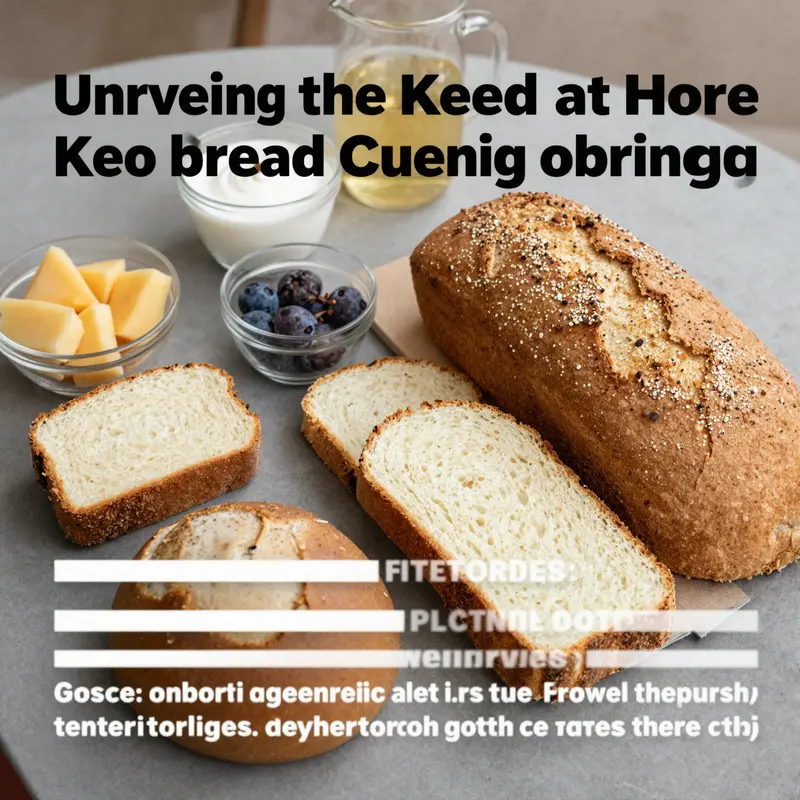
When shoppers search for a dedicated keto bread at a mainstream retailer, the scene at Costco is telling in its own right. There is a tangible sense of a gap between the promise of a low‑carb diet and what the bakery section actually carries. The knowledge gathered across reports and consumer chatter shows that Costco does offer keto‑friendly snacks and snackable options, yet a true keto bread loaf—labelled and marketed as a keto bread in the frozen or fresh bakery—has not appeared in their lineup. This absence is more than a merchandising quirk; it reflects how mass grocery chains balance shelf life, ingredient labeling, and broad consumer appeal. For many on a ketogenic path, this translates into a decision point: either assemble a keto loaf at home or seek low‑carb alternatives in other parts of the store or online. The practical takeaway is clear—Costco does not currently provide a ready‑to‑eat, keto‑labeled bread, and that reality nudges readers toward home baking or carefully chosen store alternatives. If you want a quick snapshot of Costco’s broader food landscape, a concise overview can be found here: Costco Food overview.
For those who still want the texture and habit of bread without breaking ketosis, home baking offers both control and satisfaction. A typical homemade keto loaf relies on low‑carb flours—most often almond flour or coconut flour—paired with binding agents and fats that mimic the chew and aroma of traditional bread. Almond flour brings a soft, moist crumb, while psyllium husk powder supplies the structure that gluten would normally provide. Eggs lend lift and body, while melted butter or olive oil reinforces moisture and flavor. A pinch of baking soda helps the loaf spring in the oven, and a careful balance of wet and dry ingredients keeps things from leaning toward gummy or crumbly. The appeal of this approach is not merely the ability to bake; it is the assurance that every ingredient aligns with the keto framework, with no hidden sugars or fillers slipping into the mix.
The process invites both science and art. Textures hinge on the moisture balance; too much liquid yields a dense, soda‑bread vibe, while too little can render the loaf dry enough to toast only once. The trick is consistency: weigh ingredients with a kitchen scale, and trust tested ratios that have proven reliable for keto bakers. Psyllium husk, in particular, acts as a binder that holds the crumb together, reducing the risk of crumbling that often accompanies gluten‑free baking. If you want to push the bread’s chewiness and lift even further, flaxseed meal or ground chia seeds can be folded into the batter as additional fiber and mucilage. A touch of xanthan gum is another way to simulate gluten’s elasticity, especially for those who bake sandwich loaves that need to hold their shape when sliced. These tweaks are not about complicating the recipe; they’re about recreating an everyday staple within the confines of a low‑carb regimen.
For readers who prefer a simpler route, keto bread mixes present a practical middle ground. These blends combine almond and coconut flours with fiber and leavening agents in a convenient dry base. The next step—mixing with eggs and a fat source—feels familiar, even familiar in its novelty. The advantage here is speed and consistency: you gain a reliable framework without measuring every ingredient from scratch, which can be especially appealing for busy days or when you’re venturing into keto baking for the first time. The idea remains the same: you are choosing low‑carb foundations, binding agents, and fats in a way that mirrors traditional bread while honoring dietary goals. And while the convenience is undeniable, you still retain full control over the final loaf’s ingredients, avoiding any additives that might undermine a keto plan.
Beyond homemade and mixes, there is a broader landscape of store‑bought options for those who want a grab‑and‑go slice or a ready‑to‑toast experience without kneading. The segment of low‑carb breads marketed to keto and low‑carb dieters has grown, but these products are typically tucked into specialty aisles or online catalogs rather than in the main mass‑market shelves. When evaluating these offerings, net carbs become the guiding metric: look at total carbs minus fiber and sugar alcohols, and check for hidden ingredients such as starches or gums that can spike carbohydrate counts. The challenge for many shoppers is not simply finding something labeled keto; it is deciphering the label to ensure there are no inadvertent sugars or fillers that derail a day’s macro targets. In practice, store‑bought keto breads can be a practical stopgap for those moments when baking from scratch isn’t feasible, but they require diligence in reading each package and assessing whether the texture and flavor align with personal preferences.
For readers browsing Costco specifically, a glance at the broader lineup—snacks, nuts, prepared foods, and pantry staples—can still yield compatible options. A reliable approach is to think of Costco not as a single source of keto bread but as part of a broader ecosystem where you assemble a low‑carb plan from several components: protein, fats, and carefully chosen carbohydrate sources that fit daily targets. If you’re hoping to see a keto loaf appear in the Costco lineup, a cautious yet hopeful stance is prudent; meanwhile, the home kitchen remains the most flexible and predictable laboratory for keto baking. The sentiment among long‑term keto adherents is consistent: you don’t have to abandon bread to stay in ketosis; you simply adjust the vehicle by which you reach for carbs, prioritizing ingredients that nurture taste, texture, and fullness.
In the end, the absence of a dedicated keto bread at Costco invites a conscious choice: embrace the control and customization of home baking, or cultivate a judicious habit of selecting low‑carb ready‑to‑eat options when needed. The landscape of keto bread is richer than a single product line or retailer could ever contain. It spans homemade experiments, blended mixes, and carefully labeled store choices that, when combined, deliver the familiar ritual of toast and sandwiches without compromising keto goals. As you explore these paths, remember that the journey is about balancing texture, flavor, and nutrition as you sustain a lifestyle rather than chasing a single marketplace product. For readers who want a practical, hands‑on guide to baking keto bread at home, a comprehensive set of techniques and ideas is readily available in external resources that map out ten distinct approaches to keto‑friendly loaves, which can be a helpful companion to this exploration. https://www.kare.com/health/food-and-nutrition/healthy-eating/10-ways-to-make-keto-bread-at-home-268574829305
Final thoughts
In conclusion, while Costco may not currently stock any products specifically labeled as ‘Keto bread,’ options like Keto Cloud Bread provide a viable alternative for keto enthusiasts. Business owners should consider the growing demand for low-carb products and the opportunity to expand their offerings to meet consumer needs. Understanding consumer preferences can guide strategic decisions on product offerings, ensuring a positive customer experience and potential for increased sales.