
Kirkland Signature’s House Blend Coffee offers a competitive edge for business owners seeking quality coffee at an exceptional price. Not only does the blend deliver a balanced flavor profile reminiscent of Starbucks, but it also assures consistency, making it a reliable choice for everyday service. In this review, we will explore the intricate details of its flavor and aroma characteristics, the versatile brewing methods suitable for various business settings, and its cost efficiency. By the end of this review, you will understand why this coffee can enhance your establishment’s offerings while keeping costs manageable.
null
null
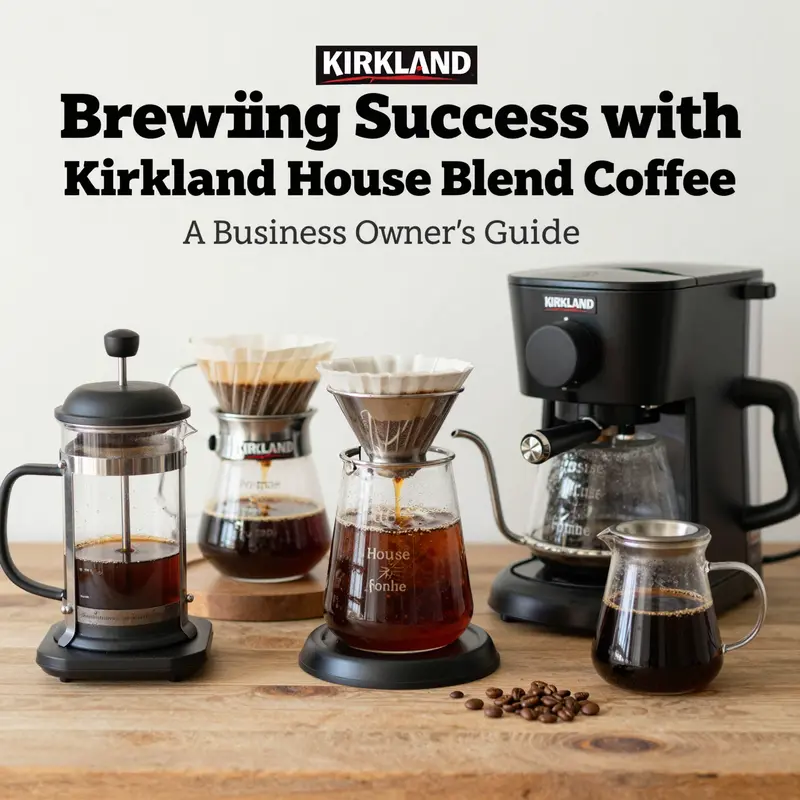
Kirkland House Blend Coffee Review: Brewing Versatility for Every Method
In the quiet rhythm of a morning ritual, a cup of coffee can be more than a caffeine hit; it can be a reliable compass for a busy day. The Kirkland Signature House Blend, a Costco private-label staple, has earned its place not just because of its price tag but because it consistently delivers a balanced, approachable cup that many home brewers find dependable across a spectrum of equipment. This medium roast, designed to echo a well-known flagship house blend, presents a flavor profile that leans into comfort without surrendering complexity. The result is a versatile workhorse: chocolate sweetness, caramel warmth, and a subtle nuttiness that keeps the cup smooth rather than assertively bold. Its readability is part of its charm. It’s the sort of coffee you can trust to show up well whether you’re rushing through a quick weekday routine or lingering over a weekend pour-over, and that reliability matters when a budget-conscious household wants good coffee every day without a lot of guesswork.
A first whiff of the aroma is telling. There’s a soft chocolate note that suggests dessert comfort rather than roast harshness, followed by caramel sweetness that tugs at the edges of a smile before you even take a sip. There’s no sharp acidity to contend with, and the bitterness is mild enough to keep the cup friendly to most palates. This balance makes the blend especially forgiving in a variety of brewing contexts. It isn’t a coffee that shouts; it’s a coffee that stays present, letting the underlying sweetness and gentle body carry through with a sense of evenness from sip to sip. While the precise flavor fingerprint can change slightly from batch to batch—as is natural in any mass-produced blend—the core character tends to stay within a narrow lane: a smooth, medium-roast experience with broad appeal and a steady, non-fatiguing finish.
What makes this Kirkland House Blend persistently appealing is less a single moment of flavor and more the way that its structure supports a broad range of techniques. Ground or whole bean, fresh grinding in the moments before brewing tends to maximize aroma and aroma-derived sweetness. The whole-bean format invites you to grind to your preferred coarseness, aligning with your favorite method; the pre-ground option offers convenience for the busy mornings when speed matters. In a four-bag pack, typically around 1.5 pounds per bag, the blend offers substantial value, and the cost per cup—when brewed to standard strength—lands well below a quarter per cup for many households. That combination of dependable flavor and thrifty economics is part of why the blend earns a steady place in Costco’s lineup and stays a frequent pick for everyday use.
To understand the versatility in practice, it helps to consider how the roast profile plays with common home devices. In drip coffee makers, the grind consistency matters a great deal, and this Kirkland House Blend tends to respond well to evenly sized grounds. It extracts cleanly, producing a cup that feels full-bodied but not heavy, with that familiar balance of sweetness and gentle roast notes. The chocolate and caramel notes come through without becoming cloying, and the cup retains a sensible brightness that doesn’t veer into sharp acidity. For many users, this makes it a reliable daily driver: a medium roast that behaves predictably in the routine of weekday mornings while still offering enough nuance to keep things from becoming dull.
In a French press, the same blend presents more mouthfeel, more body, and a touch more texture from the oils that bloom with immersion. The result is a richer, more substantial cup where the chocolatey base remains the backbone, while the caramel sweetness carries through a touch more fully. If you enjoy a coffee with presence in the cup and a bit of heft on the palate, the House Blend’s profile works well here. It may reveal more of its nutty side in this format, a reminder that the coffee carries a quiet, comforting complexity rather than a lean, crisp edge. The body and depth can be particularly appealing in leisurely weekend routines when time allows for a slow pour and a moment to savor the aroma before tasting.
Pour-over methods—Chemex, Hario V60, or a simple custom dripper—tend to highlight the clarity and sweetness of the bean. Because the roast is not aggressively dark, you’ll notice a clean cup where the underlying sweetness shines. The chocolate and caramel notes become more defined, and the subtle nuttiness can emerge as a subtle, lingering finish. The brightness remains approachable, so the cup feels refined rather than austere. If you’re chasing a cup that reveals the nuanced sweetness of the blend, a well-controlled pour-over can showcase its textbook balance without the risk of overshadowing flavors by over-aggressive extraction. The result is a cup that reads as polished and thoughtful rather than routine, making pour-over a worthy occasional upgrade from the more automated dripper routine.
Espresso is also within range for this blend, though it requires a careful touch. Espresso profiles reward a finer grind, stable pressure, and good temperature control; with the Kirkland House Blend, you can coax a balanced shot that leans into sweetness rather than bitterness. Expect a shot with a gentle caramel gloss, a soft chocolate whisper, and a smooth crema that isn’t aggressively robust. It’s not a high-intensity espresso by design, but the shot can still provide a satisfying daily pick-me-up for home enthusiasts who want a balanced, drinkable coffee without the need for expensive equipment or specialized beans. This is where the blend’s versatility truly shines: it can bridge casual daily coffee with a more exploratory espresso workflow, giving you a coherent taste across different formats with a consistent baseline to compare against.
The breadth of performance across methods isn’t accidental. The blend’s consistent roast level helps stabilize extraction curves, which is particularly valuable in a household where multiple members rotate through different devices. The texture of the bean—whether you’re grinding it just before brewing or using pre-ground capsules or grounds—remains reliably accessible. The packaging, too, supports consistent results; the four-bag format makes it feasible to keep a constant roast profile in rotation while managing freshness with sensible consumption, reducing the risk of stale coffee lingering in the can. This combination of stable roast, sensible packaging, and broad compatibility across equipment is why many home baristas and casual buyers alike reach for Kirkland House Blend when they want a dependable baseline coffee that won’t derail their morning routine.
Ultimately, the value proposition is a significant part of the appeal. A good cup doesn’t have to come at a premium, and this blend demonstrates how affordability and quality can coexist. The notes of chocolate and caramel create a familiar, comforting profile that can be tailored to taste through grind size, brew ratio, and water temperature, rather than needing a dramatic change in the coffee itself. This makes it an excellent option for households with varying preferences or for those who enjoy experimenting with different techniques without having to invest in a separate, specialized bean. The consistency across batches—an outcome of Costco’s quality controls for private-label products—adds to the sense of reliability that many buyers seek when they load their cart in the warehouse aisles.
For readers who want a structured sense of how this blend performs in the broader world of coffee analysis, a trusted, in-depth review from a veteran coffee resource discusses how Kirkland House Blend stacks up across multiple brewing methods and how the balance of roast and bean quality translates into real-world tasting notes. It’s a useful reference point when you’re weighing whether the investment in a versatile, everyday coffee aligns with your own preferences and routines. See the detailed assessment here: CoffeeGeek’s Kirkland Signature House Blend Review. This external perspective helps ground the experience in a broader context while reaffirming the blend’s standing as a value-driven, widely compatible coffee option.
Within the ecosystem of home coffee, the Kirkland House Blend stands out not because it is loud or extraordinary, but because it remains approachable while offering genuine versatility. It bridges the gap between economies and genuine daily satisfaction. The ability to move from a simple drip to a more nuanced pour-over or a fuller-bodied French press without a jarring shift in taste makes it a practical choice for many kitchens. In this sense, the blend serves as a steady anchor—an accessible starting point for exploring different brewing methods without feeling compelled to redefine your palate with every cup. The experience is simple enough for a weekday morning yet nuanced enough to reward a more careful brewing session, particularly when you’re experimenting with grind size and extraction time.
When you’re balancing the demands of a hectic schedule with the desire for a cup that tastes like it was crafted with care, Kirkland House Blend offers reassurance. It’s the kind of coffee that meets you where you are—whether you’re rushing to work with a quick drip, lingering over a slow pour-over, or savoring a quiet moment with a French press. It asks little, offers much, and rewards ordinary routines with a cup that feels steady, familiar, and genuinely satisfying. In a landscape crowded with options, that balance is not just welcome; it’s empowering for the everyday coffee moment.
Internal note for readers who enjoy tracing how a broad blend translates into home practice: you can explore related discussions and community experiences about Costco’s coffee lineup through the Costco coffee review hub. This internal resource captures a range of perspectives on how different Costco house blends perform in real kitchens, offering practical notes for optimizing your own setup. See more at Costco’s coffee review hub.
External reference for enthusiasts who want to read a targeted tasting and method-focused analysis: for a detailed examination of the Kirkland House Blend through multiple brewing methods and a professional palate’s assessment, consult CoffeeGeek’s Kirkland Signature House Blend Review. This review provides a structured breakdown of aroma, flavor, and mouthfeel across contexts, and it can serve as a useful companion to your own at-home exploration: https://www.coffeegeek.com/reviews/kirkland-signature-house-blend-coffee-review.
In the end, the Kirkland House Blend’s true strength lies in its versatility and its ability to remain unpretentious while delivering a thoughtful, consistently pleasing cup. It’s the kind of coffee that meets you where you are—whether you’re rushing to work with a quick drip, lingering over a slow pour-over, or savoring a quiet moment with a French press. It asks little, offers much, and rewards ordinary routines with a cup that feels steady, familiar, and genuinely satisfying. In a landscape crowded with options, that balance is not just welcome; it’s empowering for the everyday coffee moment.
Cost Efficiency with Quiet Complexity: A Deep Dive into Costco’s Private-Label House Roast
When you walk the coffee aisle with a budget in mind, you expect two things: consistency and value that don’t force a compromise on taste. The Costco private-label house roast offers both in a way that invites daily use rather than occasional indulgence. This chapter follows a single throughline: a mid-roast blend that aims to resemble familiar mass-market comfort while delivering a measure of clarity and balance that premium roasts often promise, but at a price that makes everyday brewing feel effortless. It’s a coffee that rewards routine consumption as much as it rewards careful tasting, because the math behind its cost structure is not an afterthought but a design choice. Price, packaging, and profile coalesce into a straightforward proposition: you can drink more, spend less, and still appreciate a thoughtful flavor development across the week. In a landscape crowded with micro-roasters and flashy single-origin campaigns, that simplicity deserves attention. The blend doesn’t seek to stun with intensity or to shout with unusual acidity; instead it leans into a more universal appeal: a smooth, well-rounded cup with accessible chocolate and caramel notes, an inviting mouthfeel, and a finish that doesn’t linger too aggressively but rather leaves you ready for the next cup.
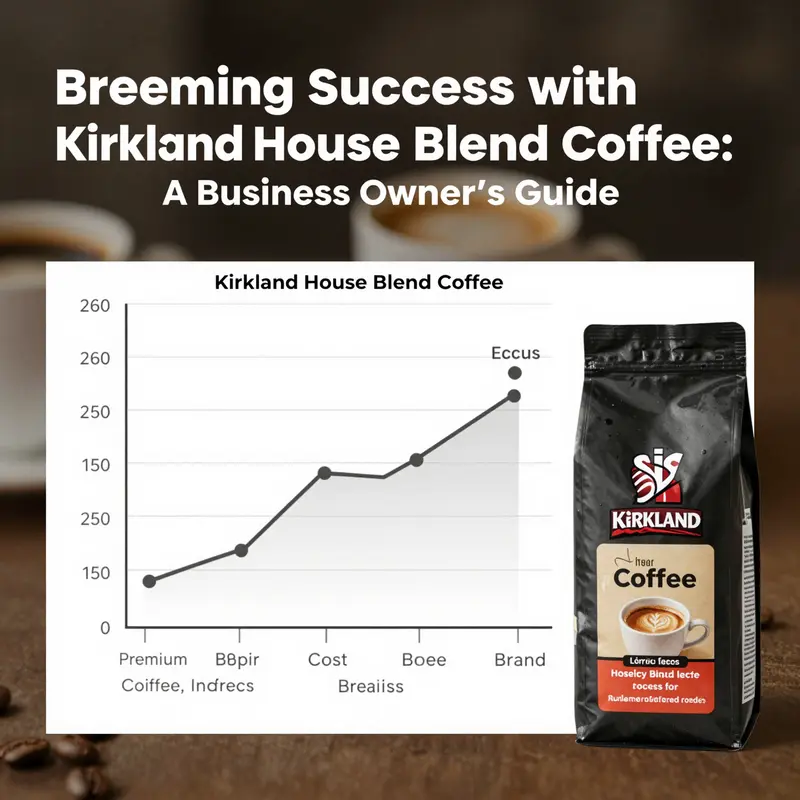
On the surface, the economics are compelling. A typical 32-ounce bag automobiles into the cart at a price that translates into roughly four decades of aroma-laden mornings if you brew at a standard strength. The numbers are specific enough to inform a practical decision: about $14.99 for a 32-ounce bag, which equates to roughly $0.04 per ounce and, when brewed at conventional strength, less than $0.25 per cup. Those figures aren’t merely interesting; they are the backbone of a value proposition that appeals to households, offices, and anyone who drinks coffee as part of a routine rather than a treat. It’s the kind of value that earns a place in a shopping cart not because it’s an accessory, but because it becomes the daily baseline for the household coffee ritual. The affordability isn’t accidental. It’s supported by the product’s packaging, its roast profile, and its production controls, which are calibrated to deliver dependable results across batches.
The packaging itself is more than a protective shell. It’s a technology built to sustain aroma and flavor long after the bag has been opened. Nitrogen-flushed packaging helps slow oxidation, a common enemy of fresh coffee, and it lends a stability that can be counted on week after week. This is not a fleeting freshness; it is a designed shelf life that supports a broader lifestyle: households that shop on a budget but still value a coffee that tastes like it was roasted with attention. The practical upshot is straightforward: you can buy in bulk, store with reasonable confidence, and brew with the expectation that today’s grind will smell and taste like yesterday’s grind—within a margin—and that this consistency holds up as a reference point for your morning routine.
Taste is the counterpoint to price. The blend offers a balanced flavor profile with notes that are easy to recognize and enjoyable to revisit. Chocolate anchors the cup, offering a comforting sweetness that doesn’t veer into dessert territory. Caramel brings a gentle sweetness and a sultry sweetness that smooths the mid-palate, while a hint of nuttiness adds an extra dimension without tipping into roasted or acrid territory. It’s the kind of flavor architecture that feels reliable and familiar, yet not dull. In practice, this means a coffee that stands up to common brew methods without demanding trickery in the kitchen. It behaves well whether you’re using a drip machine, a French press, or a pour-over cone. The grind size you choose—whether you opt for a fresh grind from whole beans or use pre-ground—doesn’t require a penchant for high-precision brewing to shine. You can trust the blend to be forgiving enough for casual mornings and sufficiently nuanced for those who want a more mindful cup when time allows.
That sense of reliability has a practical value that goes beyond taste. When you corner the daily grinder, you often discover there is a rhythm to which coffee makes the routine easier to sustain. The medium roast here isn’t loud; it’s composed. It avoids the acidity spikes that can wake you up with chirpy brightness only to let you down in the cup’s midsection. It also avoids an overpowering bitterness that can come with more aggressive roasting. The result is a cup that behaves like clockwork: consistent, smooth, and generous in aroma enough to be inviting without clobbering the senses.
The story of cost efficiency extends into the packaging options and the pack sizes offered. The typical consumer might encounter both whole-bean versions—ideal for those who ground to the moment of brewing—and convenient pre-ground options for those in a faster morning routine. Grinding fresh is still recommended for peak aroma and flavor, but the pre-ground form makes it possible to maintain a coffee habit without a dedicated grinder, should that be more practical in a shared kitchen or office setting. The private-label approach also makes an impact here: by controlling the supply chain and roast consistency, the house roast demonstrates a steadier performance across shipments than some stock retailers can promise. What matters is not only the aroma in the bag but the way that aroma translates into the cup.
One of the most persuasive markers of value is the experience of everyday use. The blend holds up in blind taste tests that compare it with pricier brands. In controlled tastings, tasters found its flavor complexity not merely competent but occasionally on par with more expensive labels, especially when the grind and water temperature align with the brewer’s method. It’s important to frame this not as a claim of superiority but as an observation of consistency and approachability. The notes of chocolate and caramel remain reliably present, and the balance keeps bitterness and sourness in check, creating a cup that is equally satisfying on a quiet weekday morning or a more extended weekend ritual when you take time to enjoy the texture and finish.
From a sourcing standpoint, the blend relies on a broad, global palate to produce uniform results. Roasted by seasoned professionals, the blend is tuned to maintain a consistent profile across batches. The goal is not to chase rare origins or adventurous extremes but to capture a dependable flavor envelope that coffee drinkers can recognize and trust. That approach translates into a purchase decision you can feel confident about: you know what you’re getting, and what you’re getting is compatible with a broad range of equipment, water profiles, and personal preferences. The value, then, is not only the price point but the predictability of performance. It’s the quiet confidence that the same cup will appear in the morning as it did the evening before, a consistency that matters when the goal is a simple, satisfying daily ritual.
The economics of bulk buying also play a role in this equation. The four-bag option, with each bag around 1.5 pounds, creates a practical scale for households that want to stock a pantry without frequently reordering. The cumulative savings come from the volume discount and the relatively modest shelf life implications given nitrogen-flushed packaging. In a world where single servings often come with premium margins, the ability to pay a straightforward price for a substantial quantity of beans shifts the calculus toward frequency and routine. It’s not merely a matter of saving a few cents per cup; it’s about reducing the friction of reordering, maintaining a consistent air of everyday reliability, and preserving the aroma long enough to fully enjoy the lingering notes of chocolate and caramel without hurried consumption. When you multiply this effect across weeks and months, the value proposition becomes a durable aspect of everyday life rather than a one-off purchase decision.
The broader takeaway rests on the blend’s ability to deliver a familiar coffee experience at a sensible price. It is a reminder that value does not require sacrificing flavor or consistency. It is possible to enjoy a mid-roast cup that feels thoughtfully roasted and competently sourced, while still keeping costs manageable for a family, a small office, or a steady home routine. In this sense, the blend embodies a practical philosophy: prioritize dependable performance, make the most of packaging technology that preserves freshness, and choose formats that align with your actual brewing habits. When you combine these elements, the result is a coffee that earns its place not as a budget afterthought but as a steady partner in daily life, capable of delivering consistent satisfaction cup after cup.
For readers who want to explore how this kind of value proposition stacks up against the broader market, a more expansive review of Costco’s coffee lineup offers a useful backdrop. Read more at the Costco coffee review collection, which situates this private-label blend within a wider spectrum of options and price points. Costco coffee review.
If you’d like to widen your perspective beyond the retail aisle and see how independent evaluations frame these kinds of value plays, there is also a broader external resource that surveys consumer impressions and market comparisons. External reference: https://www.consumerreports.org/coffee/costco-kirkland-signature-house-blend-coffee-review-a498346
Final thoughts
Kirkland Signature’s House Blend Coffee emerges as an exceptional choice for business owners focused on delivering quality without compromising on cost. Its balanced flavor, versatility in brewing, and consistent quality empower businesses to meet customer preferences and enhance their service experience. Moreover, the economic benefit of this blend ensures profitability while satisfying a coffee-loving clientele. Embracing this well-crafted coffee in your operation may not only elevate your offerings but also solidify customer loyalty.