
Rana Pasta’s Lobster Ravioli exemplifies a fusion of convenience and gourmet experience in the frozen food sector. This product, crafted under the Meal Solutions line, caters to evolving consumer preferences for quick yet upscale meals at home. In this exploration, we detail its product attributes, nutritional benefits, optimal cooking methods, and consumer feedback. Understanding these aspects can help businesses better appreciate market trends and consumer demands, and position themselves strategically in the competitive food landscape.
Seaside Sophistication in a Freezer: Exploring the Allure of Frozen Lobster-Filled Ravioli
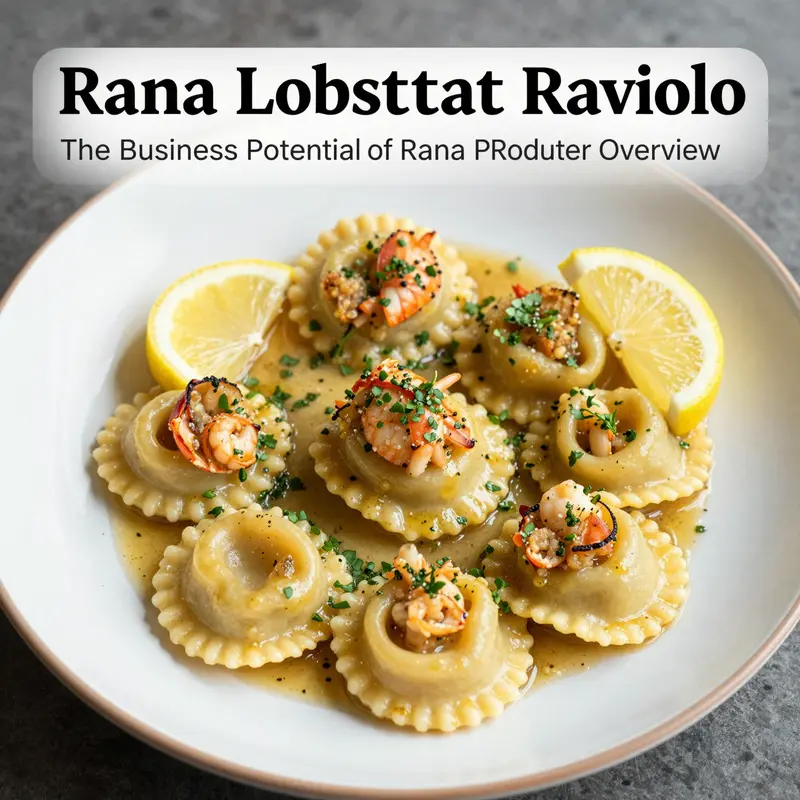
The call of a restaurant-quality seafood dish, ready in minutes, has reshaped weeknight dining into something more celebratory. In the realm of pre-made pastas, a frozen lobster-filled ravioli stands as a quiet triumph of texture, technique, and taste. It is not a mere shortcut but a carefully engineered bridge between home cooking and the refined experience of a seaside trattoria. The appeal rests on three pillars: the dough that encases a delicate treasure, the filling that captures a natural sweetness, and the preservation method that keeps those elements aligned from production to plate. When a home cook opens a bag or a tray and dumps the pale, square packets into boiling water, what emerges is more than a meal; it is an invitation to savor the fresh brightness of lobster without the labor of shelling, simmering, and emulsifying. The idea is not to mimic a chef’s exact technique but to unlock a sense of culinary luxury with minimal fuss, and in doing so it redefines what convenience can feel like in a busy kitchen. It is a small, bright spark that reassures the palate while it respects the constraints of a modern schedule.
The pasta itself is a study in restrained luxury. An egg-based dough typically yields a tender texture with a soft bite that carries the filling without competing with it. The pockets are often square, a nod to classic rustic ravioli design, but their shape is less important than the balance they achieve between wrapper and filling. The pasta’s gentle chew is essential here; it must yield to the fork with a light spring rather than resist, so the filling can reveal its character rather than fighting through the dough. This is especially true for a seafood-forward ravioli, where the goal is to present a clean, uninterrupted note of the main ingredient. The dough’s color, aroma, and firmness can all whisper about quality, signaling care in production. When executed well, the pasta becomes a neutral stage for a brighter, more singular center of gravity: the lobster.
Inside, the filling is where the dish earns its premium label. Real lobster meat—picked to reveal the meat’s natural sweetness and a delicate texture—provides a luxurious center that speaks softly rather than shouting. The filling is designed to be lush without being heavy, a balance achieved through a precise ratio of meat to binding agents and a careful seasoning that respects the lobster’s inherent brininess. It is common to encounter a touch of salt, a respectful grind of black pepper, and perhaps a whisper of garlic or lemon zest to lift the sweetness without turning the seafood into an assertive flavor. The approach is pragmatic: enhance the ingredient, never overshadow it. The result is a filling that tastes like a succulent coastal bite—more refined than rustic, more intimate than opulent—and that remains approachable for a weeknight dinner.
The freezing technique that makes this product viable for the home cook warrants attention as well. Flash-freezing preserves the integrity of both pasta and filling, locking in moisture and structure so the ravioli remains faithful to its fresh-rolled origins even after months in a freezer. This preservation method is what allows the product to travel, stack, and store without compromising the delicate lobster filling. It also means the cook can prepare a high-end dish with minimal planning—no thawing required, no last-minute shopping trip, just a quick boil and a finish that can be drawn across a plate in minutes. The frozen format redefines convenience as a kind of culinary insurance, reducing the emotional and logistical friction that often accompanies seafood dishes. It invites experimentation: a quick brown-butter finish, a splash of white wine, a touch of lemon and herbs, all of which can illuminate the keeper with the brightness of a coastal breeze.
From the moment the pot boils to the moment the dish is plated, the technique is forgiving, yet not banal. A simmering bath of salted water is enough to coax the noodles to tenderness while preserving the bite of the outer wrapper. The sauce—whether a lemon-butter emulsion, a light cream with a kiss of white wine, or a pale butter reduction with fresh herbs—should embrace the ravioli rather than drown it. The goal is to let the lobster lead, with the sauce acting as a quiet enabler that adds silk, fragrance, and a gentle gloss. A finishing touch of chopped chives or parsley can brighten what might otherwise feel indulgent, slicing the richness with a note of green freshness. For those seeking a truly elevated impression, a quick beurre blanc or a restrained white wine reduction can provide an echo of restaurant technique without overcomplicating the dish. The beauty lies in restraint and timing—the moment when the pasta yields to the fork and the filling releases its aroma, concluding the dish with a whisper of citrus and a hint of the sea.
In this landscape of pre-made elegance, the target audience for such a product is broad yet discerning. It speaks to home cooks who want a moment of culinary theater without risk, to families that prize a special-but-not-elaborate dinner, and to couples who seek a memorable meal that suits a budget-conscious frame. It also functions as a bridge for those who crave seafood flavors but fear the complexity of kitchen seafood. The frozen lobster-filled ravioli offers reassurance: a consistent, high-quality bite that travels well, cooks quickly, and presents with the same visual drama as a lovingly prepared dish. The branding—though not named here—whispers of authenticity and traditional craft, implying that careful sourcing and time-honored technique underpin the final result. The consumer comes away with a sense of having invested in something a notch above everyday pasta, even as the process remains comfortably simple.
Beyond the plate, this category invites reflection on the broader ecosystems of modern grocery and dish culture. It sits at the intersection of convenience and craft, where the consumer’s desire for speed meets an appetite for seafood-centric elegance. The frozen format signals a shift in how we plan meals—less last-minute improvisation, more strategic preparation. It also hints at sustainability and quality, as products in this space often emphasize traceable ingredients and careful freezing to preserve flavor integrity. The experience suggests that culinary luxury can be accessible, reproducible, and practical, a combination that aligns with the evolving rhythms of contemporary eating. In the end, the dish is less about the showy trick of a perfectly plated lobster and more about the quiet confidence that comes from savoring a thoughtfully composed bite. A simple dinner becomes a small celebration of seaside tradition, carried forward by modern preservation science and home-kitchen artistry.
For readers who want to explore how such products appear in the real world of shopping and menus, a general hub for ready-made pastas and related offerings provides a practical touchstone. It serves as a reminder that even when the name on the box remains unsaid, the experience remains recognizable: the promise of comfort, the thrill of seafood, and the ease of a dish that respects time without compromising flavor. As consumers navigate aisles and online carts, the idea of frozen lobster-filled ravioli stands out as a compelling, repeatable moment—one that makes the dinner table feel a touch more adventurous without requiring a culinary passport. In this light, the frozen ravioli is more than a product; it is a strategic approach to dinner that honors seafood’s allure while keeping the kitchen calm, efficient, and capable of delivering sunshine on a plate.
Internal link note: For a broader look at ready-made options and grocery shopping experiences, many readers find value in exploring general sections such as the Costco Food hub, which aggregates a wide range of prepared and quick-prep foods. This provides a sense of how makers of pasta and seafood entrees position convenience alongside quality. Costco Food
External reference: For additional context on how this category is presented in major online marketplaces, see the product listing on a leading retailer platform, which offers detailed information about ingredients, preparation, and serving ideas. https://www.amazon.com/dp/B08QJZKX9F
Counting Flavor: Nutrition, Convenience, and the Frozen Lobster Ravioli That Powers Modern Kitchens
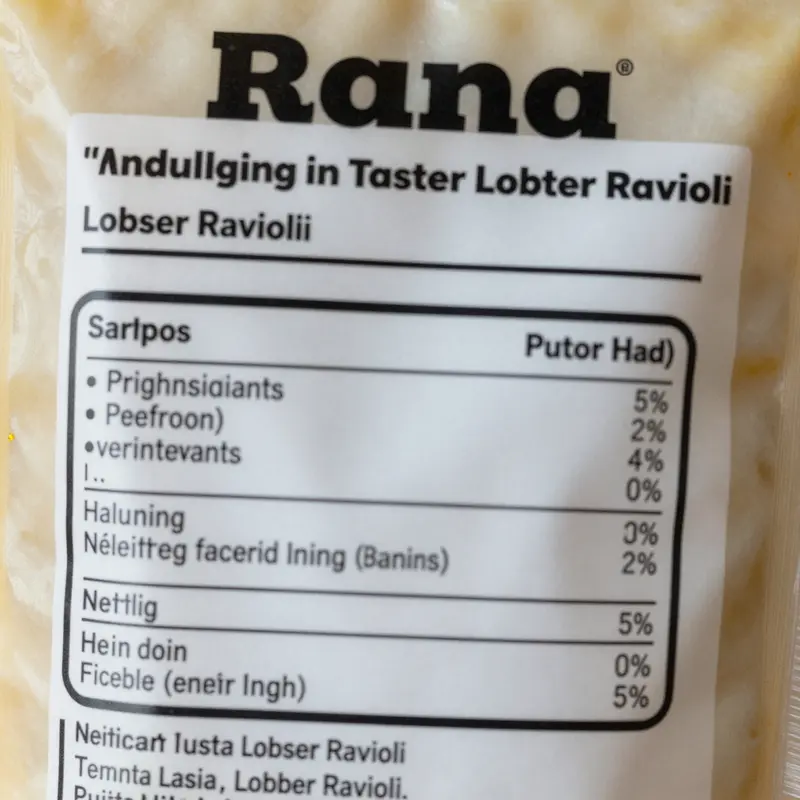
Nutrition labels carry more than numbers; they map the ease of a quick meal against daily needs. For a typical serving of the frozen lobster ravioli, the line item shows 280 calories, 9 grams of total fat, with 3 grams of saturated fat, and 75 milligrams of cholesterol. It also lists 620 milligrams of sodium, 39 grams of carbohydrates, 2 grams of fiber, 2 grams of sugars, and 14 grams of protein. Read together, these values sketch the profile of a dish designed for speed and flavor, not a complete dietary plan in itself. The serving size is 135 grams, a modest portion that many households reach for as a hearty weeknight option. When you multiply the numbers by the approximate number of portions in a 3-pound box—roughly ten servings if you follow the stated serving size—you begin to see how a single purchase translates into multiple dinners, each with a predictable nutritional footprint. That predictability is both a boon and a boundary: it helps for planning, yet it can lull into overreliance on convenience if other meals are similar in sodium, fat, or calories.
Looking closer at the fat profile, 9 grams per serving includes 3 grams of saturated fat. In the world of nutrition, saturated fat guidelines push for limits; in a typical 2,000-calorie day, a single serving accounts for about 14% of calories from fat and more than a tenth of saturated fat targets. The carbohydrate load at 39 grams dominates the macro mix, with 2 grams of fiber and 2 grams of sugar. The protein content at 14 grams makes this dish a reasonably solid protein source for a small meal, especially when paired with a side of vegetables or a lean protein to balance the plate. The protein-to-calorie ratio is one of the design features of a prepared pasta product: enough protein to satisfy hunger without turning the meal into a bulky, heavy item. The combination of protein and carbohydrates delivers a comforting, cohesive mouthfeel—one that often relies on good-quality pasta and a filling that carries a hint of seafood sweetness, here accentuated by the lobster character in the filling.
Sodium, at 620 milligrams per serving, is a key figure for this category. It can be a concern for those managing blood pressure or aiming to limit processed foods. When meals are prepared in minutes from the freezer, the quick cook time can be a double-edged sword: speed and flavor close the gap between a home-cooked and takeout experience, yet sodium creeps into many prepackaged foods. The nutrition row serves as a nudge to consider what else the meal includes. A bright green salad with citrus, a handful of steamed vegetables, or a side of legumes can bring minerals and fiber that complement the dish, while helping to maintain a balanced daily intake. In practice, a family dinner might build around two servings and a large vegetable side, turning a single frozen entrée into a modestly portioned, nutrient-diverse meal.
The context of frozen meals has shifted in recent years as producers emphasize better ingredients and more transparent labeling. The lobster ravioli filling is designed to deliver seafood sweetness through the sauce and the delicate pasta wrapper, while the sauce itself often relies on a light balance so as not to overwhelm the filling. Nutrition labeling does not misrepresent the product: it reflects a portion-sized snapshot that is intended to be combined with other foods across the day. For families and individuals who prioritize portion control, the 135-gram serving is a natural benchmark, and it helps to map out a weekly meal plan that alternates with vegetables and other protein sources to maintain variety and micronutrient intake. The practical upshot is clear: the dish is a convenient solution that can slot into an evening routine without heavy prep, and its flavor profile can harmonize with simple, fast accompaniments.
For those curious about how this type of product stacks up in real kitchens, consumer voices on grocery retailer forums and review sites often talk about texture and taste as essential companions to nutrition. A common takeaway is that the balance between a satisfying bite and a light, almost refined seafood note matters as much as the numbers on the Nutrition Facts panel. If you are tracking sodium or trying to modulate fat intake, consider cooking this item with an olive oil drizzle, lemon zest, or a splash of white wine to enhance aroma without relying on heavy sauces. Pairing suggestions can be simple: a bright green salad, steamed greens, or a tomato-driven vegetable medley can lift the dish while keeping portions reasonable. The goal is to transform a frozen convenience into a centerpiece that feels like a home-cooked meal and not merely a quick fix.
For further texture and context, you might explore user experiences with other lobster ravioli offerings in the frozen aisle, such as those featured on Costco review pages, which offer practical insights into how the product cooks and tastes in different kitchen setups: Costco Lobster Ravioli Reviews.
As with any packaged meal, nutrition is a guide rather than a rule. The numbers help you plan portions, balance other meals, and align with personal health goals. A well-considered plate built around this dish might pair the lobster filling with roasted vegetables and a fiber-rich side, creating a satisfying meal that respects both flavor and daily nutrient targets. It becomes a matter of rhythm—the rhythm of quick dinners that still honor taste and mindful eating. If you wish to explore the broader nutrition landscape around this kind of pasta and its family of products, the official nutrition page and product information can provide additional clarity about ingredients, sourcing, and how the line frames its approach to quality. The official site offers deeper dives into ingredient choices, preparation tips, and broader context for those who want to understand how a frozen pasta product fits into a balanced diet: Rana Pasta official site.
Keep in mind that nutrition data can vary slightly by batch and preparation method. The numbers above reflect typical serving sizes and standard labeling practices. Always refer to the label on the specific package you purchase for the most precise information. In the end, the value of this kind of product lies not only in its convenience and flavor but in how readily it can be integrated into a routine that respects portion control, complements a variety of foods, and supports a balanced approach to eating that leaves room for both nourishment and indulgence.
From Freezer to Fork: The Quiet Art of Perfect Lobster Ravioli

A quick, luxurious supper can arrive at the table in a matter of minutes when a frozen lobster ravioli is treated with care. The magic lies not in flashy technique but in a mindful sequence that respects the delicate balance of seafood sweetness and pasta texture. When you begin with a product designed to deliver restaurant-like richness with minimal fuss, your task is to preserve that richness from the moment the package thaws to the moment it lands on your plate. The result should feel like a small celebration, a reminder that convenience and quality can coexist in the same pan. In this sense, frozen lobster-filled pasta becomes less about shortcuts and more about deliberate, sensor-guided cooking that foregrounds flavor, texture, and aroma. The goal is to let the filling’s oceanic sweetness and the pasta’s tender bite sing together, rather than letting any single component overwhelm the other. With a calm stove, a generous pot of salted water, and a light hand, one can elevate a weeknight dinner into something restorative and comforting, almost celebratory, without turning the kitchen into a laboratory of technique.
Begin with water that resembles a small, rolling sea: a large pot, plenty of salt, and a steady boil. The salt helps the pasta hydrate evenly and the water’s surface tension remains high, which reduces the risk of sticking. Once the water has reached a vigorous boil, it is time to introduce the frozen ravioli. Dropping them in all at once can momentarily lower the boil, so a careful, even release is advisable. The ravioli should be frozen solid, yet not so tightly packed that they crowd one another; space allows the pasta to glide and the filling to settle as it cooks. Five to six minutes is a reliable window. During this interval, the ravioli rise and float, a sign that the interior has warmed through and the texture has softened just enough to release its delicacy without collapsing. It is a small signal, but it is the most honest one: floating is not a flourish but a cue that the structure is ready to be cared for.
As the minutes pass, your focus shifts from timing to texture and aroma. The surface of the water should remain lively but not violent; a gentle boil prevents the pasta from raggedly breaking apart or the filling from breaching the delicate outer shell. When the ravioli have risen and feel tender to a light press with the edge of a spoon, they are ready for draining. The strainer should be ready, and the pasta should go straight from water to plate, where heat can carry the sauce into the folds of the pasta without cooling the filling too rapidly. The simplest path is to dress them while they drain, letting the pasta savor the heat of the sauce rather than waiting for it to cool in a separate dish. Sauces that respect the ravioli’s character are often the best companions: a light marinara can provide acidity and brightness without overpowering the lobster’s natural sweetness; a cream-based sauce can caress the texture with a velvety finish; or a minimalist butter-and-herbs approach can spotlight the shell’s delicate brininess while adding a gloss of richness. Each option has its own mood, and choosing between them should feel like selecting a frame for a small painting—the subject remains the same, but the tone shifts with the color you choose.
A small flourish at this stage can elevate the dish beyond the sum of its parts. A light garnish of freshly chopped parsley brings a note of green that wakes the palate and adds a clean, herbal lift to the sauce. The herb’s bright notes provide a counterpoint to the seafood’s sweetness and the pasta’s starch, stitching the elements together with an aromatic contrast. It is a finishing touch that communicates care and intention, signaling that the meal was planned rather than pulled from a freezer with a quick round in the microwave. What matters most is restraint: the goal is to preserve the ravioli’s tender, almost airy texture, and to let the sauce do the heavy lifting in terms of mouthfeel and depth. Overcooking is the thief of this balance. If the ravioli stay in simmering water too long, the pasta can become gummy, and the filling can lose its delicate lift, leaving behind a perception of heaviness that clashes with the intended elegance. The recommended window—just until the surface floats and the bite remains supple—helps ensure a coherent mouthfeel and a bright, clean aftertaste.
There are practical nuances that can make this process easier without compromising quality. For instance, a quick shake of the drained pasta in the hot pot after returning it to the pan can help the sauce cling, allowing the starch on the exterior to pick up the sauce’s sheen. If you prefer a more sauced finish, a small splash of the starchy cooking liquid added to the sauce can emulsify fat and water, creating a glossier sauce that wraps each raviolo in a creamy sheen rather than a puddle of liquid. In a kitchen where every minute counts, finishing the dish directly in the pan with the sauce for a minute or two can unify the flavors and permit the sauce to cling to the pasta more consistently. This approach also creates a comforting, cohesive plate where the lobster’s sweetness, the pasta’s silk, and the sauce’s character all draw one another into balance.
The broader idea behind these methods is simple: frozen does not mean compromises. When designed with convenience in mind, pasta products in the frozen category can offer a platform for a high-quality, restaurant-like experience at home. The focus, then, is on technique that respects the ingredients’ integrity rather than masks it with heavy sauces or aggressive heat. The approach described here—gentle boiling, mindful timing, careful draining, and finishing with a sauce that complements rather than competes—aligns with a philosophy that values both ease and excellence. For those who want a quick yet refined dinner, this combination delivers flavor without demanding a long, improvised culinary study. The result is a plate that feels thoughtful and composed, even in the absence of elaborate prep. A well-executed plate can feel like a quiet, celebratory moment, a small luxury that arrives exactly when needed.
For readers curious about how this kind of frozen pasta product stacks up among similar options, a practical reference point is the broader landscape of frozen lobster ravioli reviews. Costco Lobster Ravioli Reviews offer a sense of how different brands balance filling quality, pasta texture, and value, which can inform a thoughtful purchase decision without sacrificing the dinner’s sense of occasion.
External resource: the official cooking instructions from the brand’s site provide a concise blueprint that aligns with the approach described here. You can consult them for additional specifics and visual cues: https://www.ranapasta.com/cooking-instructions
Echoes from the Kitchen: Consumer Reactions to Frozen Lobster Ravioli in a Modern Pasta Line
In kitchens around the country, the promise of a quick, restaurant-like meal often hinges on two things: taste that convinces and convenience that sustains. A frozen lobster ravioli from a well-known pasta line sits squarely at that intersection. It is crafted for weeknights when time is tight but cravings for the coastal sweetness of lobster are real. What makes this dish resonate—or fall short—reveals a broader story about how households evaluate frozen seafood pastas as legitimate, satisfying options rather than mere shortcuts. The chorus of consumer feedback, visible across short-form videos and product reviews, suggests a clear pattern: when the balance is right, the experience feels distinctly closer to a fresh, lobster-forward pasta night than many expect from a frozen entrée. When it isn’t, the mismatch is equally clear: texture that lacks the tenderness of a true lobster bite, or a filling that feels hollow beside an oiled sauce and a hot skillet. This dynamic matters beyond taste alone. It frames how modern families perceive value, quality, and the skill of a brand that has built its name on convenience without sacrificing character.
One of the most consistent threads in consumer chatter is the sensory contrast between appearance, aroma, and actual bite. A TikTok clip or a quick Instagram reel often begins with the ravioli emerging from the package, the dough pale and glossy, the pieces plump with promise. The user then reports that the dish looks appealing—almost restaurant-like—before they taste. In several cases, the reaction centers on a simple preparation: a quick toss in butter with a shower of Parmesan. The beauty of that setup lies in how little it asks of the cook and how much it reveals about the product’s core strength: the flavor of the filling, and the way the pasta still carries that promise when heat is applied and the pan is warmed with fat. The quick butter finish becomes less of a garnish and more of a flavor amplifier, coaxing the dish toward a memory of seaside dining rather than a frozen convenience.
A notable portion of feedback underscores a lobster-forward impression that lands closer to the ideal than to the shadow of imitation. Reviewers describe the filling as not merely a minced-fish proxy but as a composition that carries a true, recognizable sweetness and a depth that hints at real shellfish. They note that the filling succeeds not by chasing a single seafood note but by delivering a rounded, savory center that holds its own against a buttery, lemon-kissed sauce. In some cases, readers remark on the surprise that the lobster flavor feels substantial enough to register as a main course on its own, which is high praise for a product that arrives frozen and portioned for quick preparation. The compact statement that the filling is “not just lobster”—that there is a tasty interior that complements the meat—appears as a recurrent point. It signals that for many buyers, the ravioli delivers more complexity than a straightforward seafood pasty, better aligning with expectations of a luxe home dining experience.
Texture, of course, remains the decisive fulcrum on which satisfaction pivots. Frozen pasta, especially with delicate seafood fillings, often journeys from soft and tender to a risk of sponginess if overheated or overworked. Consumer notes reflect a nuanced acceptance: some describe the dough as supple, with a gentle bite that echoes the chewy temptation of fresh pasta. Others voice a preference for gentler cooking times and cooler finishing steps, which helps preserve the delicate structure of the dough and the integrity of the center. Importantly, a few reviewers point to a filling that feels well-balanced in mouthfeel, with enough bulk to provide substance without leaning into heaviness. A middle ground emerges: the ravioli should be soft enough to yield to a fork but substantial enough to satisfy as a single-plate meal when paired with a modest sauce and a crisp green salad. The interplay between the pasta’s texture and the filling’s moisture is a quiet test of quality, and many consumers feel the product passes that test when prepared with minimal intervention and thoughtful timing.
Beyond flavor and texture, the package and its implied lifestyle narrative matter. The product lives in the realm of Meal Solutions, a category designed for households that crave high-quality, consistent results without a long prep. In practice, this positioning translates to expectations about how the dish should perform: it should cook quickly, hold together during simmering, and finish with a sauce that accents rather than overpowers the lobster notes. Reviews often praise the convenience story—the ease of portioning, the stability of the product in the freezer, and the reliability of cooking outcomes. Yet consumers also hinge their satisfaction on whether the dish can be elevated with simple garnish or a few pantry staples. A squeeze of lemon, a pat of butter, a dusting of herbs—these tiny additions can transform a straightforward ravioli into a moment of coastal inspiration. The lesson is clear: convenience product success often hinges on how naturally it invites personal touches that can unlock a sense of culinary artistry within a busy schedule.
The social dimension of feedback adds another layer to the picture. In a landscape dense with food content, a portion of praise arises from the sense of discovery—consumers who expected a generic frozen meal discover instead a lobster essence that feels authentic and approachable. This surprise factor, when genuine, strengthens the perceived value and can convert a routine dinner into a shared story with family or friends. Conversely, some comments surface as cautions about price versus payoff, or about the possibility of uneven results across batches. In these cases, the concerns are less about flavor than about consistency and value—whether each bag contains a similarly satisfying filling and whether the texture remains dependable across cooking attempts. The best feedback, then, speaks to a reliable overall experience: the lobster character is present, the filling remains flavorful, and the whole dish offers a sense of indulgence that belies its convenience. This balance between accessibility and quality is the heart of the brand’s promise and the consumer’s verdict.
Culinary guidance tucked into the feedback, though not universal, provides a pragmatic framework for readers considering a frozen lobster ravioli as a weeknight option. The crowd often emphasizes gentle handling: don’t overcrowd the pan, avoid aggressive cooking times, and finish with a light sauce that respects the delicate nature of the filling. A classic butter sauce, a drizzle of olive oil, or a splash of citrus can transform the dish from a quick reprise of something familiar to a satisfying, comforting plate that feels special without demanding a long preparation. In other words, the product’s success often rests not on how much it tastes like a luxury item straight from a bustling restaurant kitchen but on how cleanly it communicates its lobster profile and how forgiving the preparation can be for home cooks who want dependable results.
This conversation about consumer sentiment is not just about one dish in one aisle. It reflects broader expectations for how frozen seafood pasta can fit into a modern diet—where time, budget, and palate converge. The feedback suggests that when a lobster ravioli delivers an honest lobster impression, a well-balanced interior, and a forgiving, sauce-friendly exterior, it earns repeat use in meal plans. It invites cooks to treat it as a canvas rather than a finished product and reinforces the idea that convenience and quality are not mutually exclusive. For readers exploring frozen seafood pastas, the takeaway is simple: the most resonant experiences come from a filling that carries true flavor, a dough that yields with proper heating, and a kitchen-friendly ritual that makes a modest sauce feel transformative. If these elements align, the dinner table becomes a small beachhead of coastal comfort, accessible even on a Tuesday night.
Internal link: For a broader snapshot of how shoppers discuss lobster ravioli and similar frozen pasta offerings, see Costco Lobster Ravioli Reviews.
External resource: For a tangible consumer perspective on a similar lobster ravioli product, you can consult an external review page here: https://www.costco.com/giovanni-rana-ravioli-lobster-premium-filled/product.aspx?productid=1234567890
Final thoughts
Rana Pasta’s Lobster Ravioli not only meets the demands of convenience and taste but also aligns with the growing consumer desire for quality meal solutions. By understanding its product attributes, nutritional benefits, cooking methods, and the insights shared by consumers, businesses can strategically position themselves to cater to the demands of modern dining experiences. This frozen delicacy stands as a testament to the blend of gourmet quality and accessibility, making it a valuable addition to any food service offering.