

Coffee with milk holds a cherished place in German culture, serving not just as a beverage but as a social catalyst that enhances the daily routine of many. From the bustling cafés in Berlin to cozy kitchens in small towns, this delightful drink appeals to all, especially business owners looking to foster customer interaction. The blend of rich coffee and creamy milk is more than just a taste; it offers a comforting experience that encourages informal meetings and meaningful conversations. This significance is reflected in the way coffee houses in Germany have become hubs for networking and community-building. For those in the food industry, understanding this cultural phenomenon presents an opportunity to deepen connections with customers, ensuring that coffee with milk not only fuels productivity but also enriches the communal fabric. Discover more coffee trends to keep your business thriving!
The Historical Origins of Coffee with Milk in Germany
The inclusion of milk in coffee, commonly known as “Milchkaffee” in Germany, has roots tracing back to the late 17th century. Coffee was introduced to Germany predominantly through port cities like Bremen in 1673 and Hamburg in 1677. Initially, the beverage was met with skepticism and was reserved for the elite, often viewed as an extravagant luxury. However, during the 18th century, coffee gained popularity among the upper classes, although this was curtailed in 1780 when Frederick the Great introduced a coffee monopoly to protect the beer industry. This led to the apocryphal establishment of “Kaffeeschnüffler” (coffee spies) to monitor illegal coffee roasting activities.
By the 19th century, the Industrial Revolution facilitated coffee’s transformation into a popular drink across all social strata. The impoverished often relied on a watery concoction known as “Kaffeesuppe” (coffee soup) as a nourishing meal replacement.
Noteworthy inventions during this time include Melitta Benz’s creation of the coffee filter in 1908, which revolutionized brewing methods and improved flavor quality. Today, milk in coffee is often kept minimal, allowing the coffee’s rich flavors to shine through.
The post-World War II period marked coffee as a symbol of economic recovery in West Germany, while the unification of East and West Germany in the early ’90s saw the emergence of trendy coffee houses featuring Italian-style beverages, including lattes and cappuccinos.
Despite these developments, the traditional styles like Milchkaffee remain central to German coffee culture, often associated with social customs like “Kaffee und Kuchen” (coffee and cake) gatherings on Sundays. Interestingly, amidst historical challenges, such as during World War II when the German populace turned to chicory root as a coffee substitute dubbed “Muckefuck,” the enduring love for coffee remains evident, with Germans consuming about 166 liters of coffee per person annually, one of the highest rates globally.
Overall, coffee with milk in Germany reflects a rich tapestry of historical, cultural, and social influences, making it more than just a beverage; it is a cornerstone of social gatherings and a testament to resilience against adversity.
Different Types of Coffee with Milk Variations in Germany
Germany has a rich and diverse coffee culture, especially when it comes to milk-based coffee drinks. Each variety offers a unique flavor profile and presentation. Here’s a detailed look at some of the most popular coffee with milk variations you can find in Germany:
1. Milchkaffee
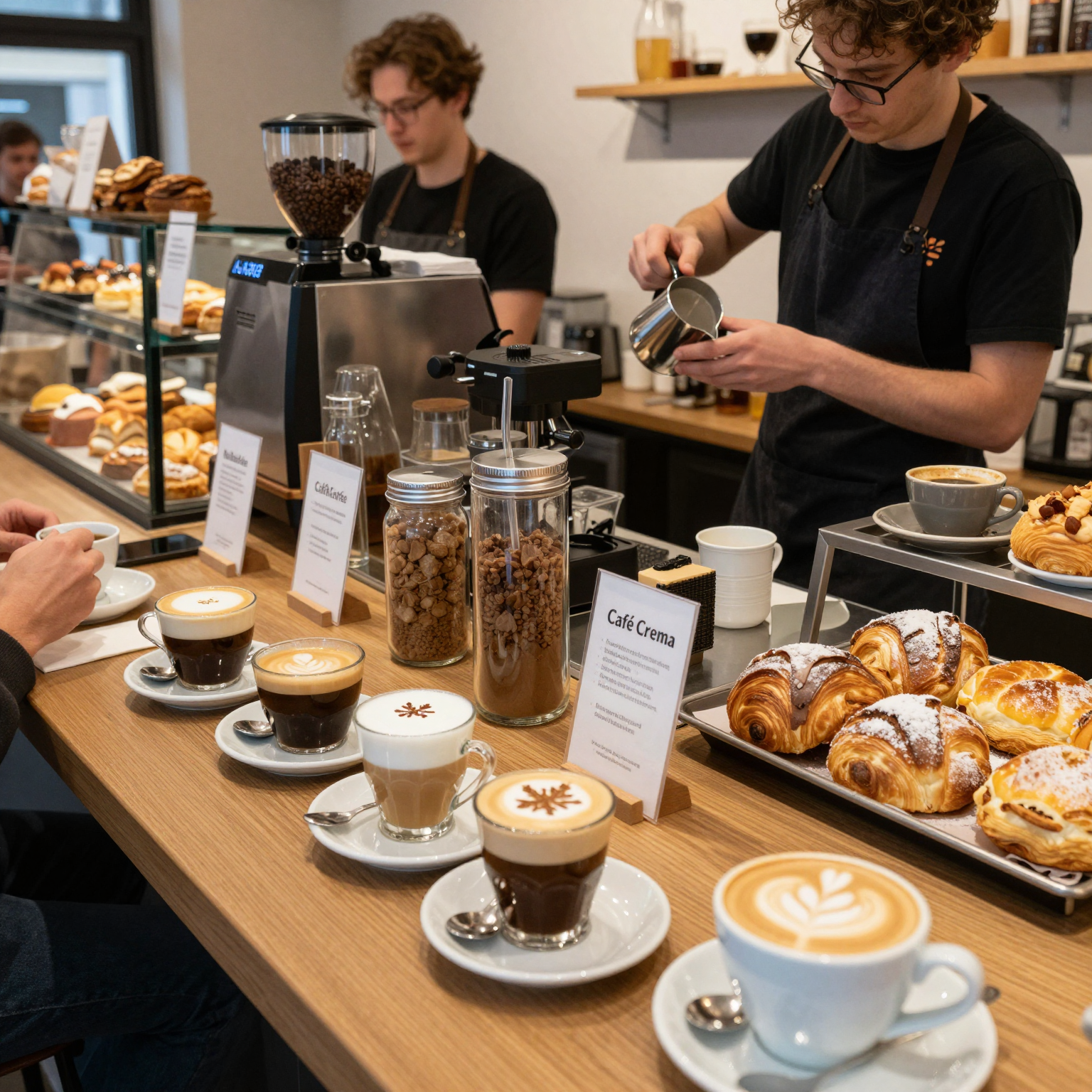
Milchkaffee is perhaps the most iconic coffee drink in Germany. It consists of equal parts of brewed coffee and hot milk, resulting in a smooth, creamy beverage. Typically enjoyed during breakfast or for a mid-afternoon pick-me-up, it is often complemented with a sweet pastry or cake, suitable for the classic Kaffee und Kuchen tradition.
2. Café Crema
Café Crema, meaning “Cream Coffee,” is a delightful combination of espresso topped with steamed milk and a velvety layer of milk foam. This drink boasts a creamy texture that emphasizes the coffee’s rich flavor, making it a popular choice in traditional cafés, especially in Southern Germany.
3. Latte Macchiato
Latte Macchiato translates to “stained milk.” In this drink, a shot of espresso is poured into a glass filled with steamed milk, creating a beautiful contrast of colors. This visually appealing beverage is favored for its smooth coffee flavor, which makes it a great option for those who prefer a lighter taste.
4. Cappuccino
The German version of cappuccino is characterized by its equal parts espresso, steamed milk, and thick milk foam. Unlike the original Italian version, the German cappuccino tends to have a greater milk content. It’s commonly enjoyed in the mornings and is known for its comforting warmth and rich mouthfeel, often without added sugar.
5. Eiskaffee
Perfect for hot summer days, Eiskaffee is an indulgent treat that combines strong cold coffee with milk and a scoop of vanilla ice cream. This dessert-like drink is a favorite among Germans during warm weather, offering a refreshing and sweet coffee experience.
These varieties reflect the German penchant for quality coffee and the enjoyment of simple pleasures. To explore more about coffee products, check out Costco’s coffee review or learn about Kirkland’s organic milk options.
Visual Representation
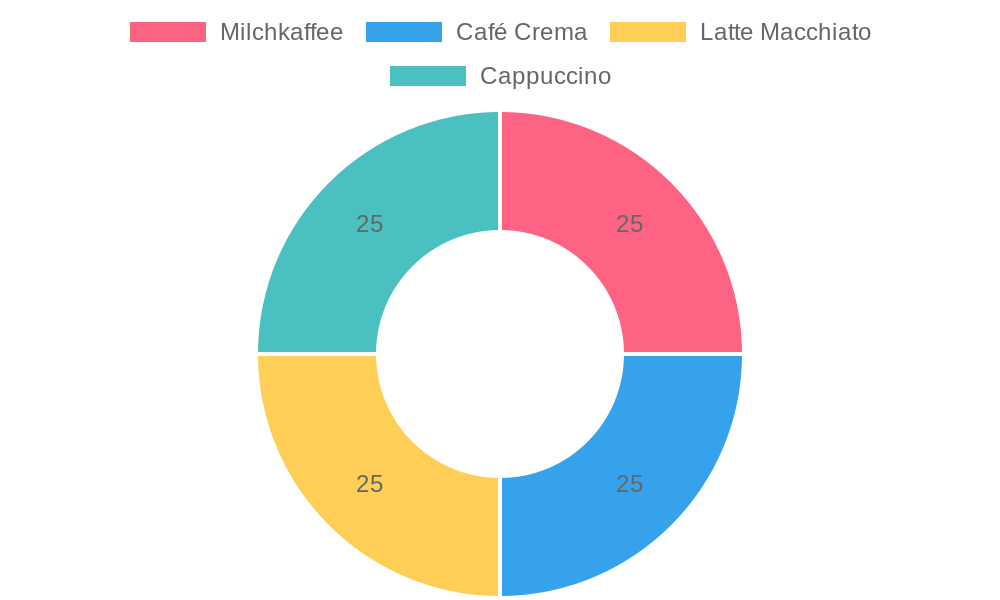
This chart illustrates the proportion of different coffee types enjoyed in Germany, showcasing their popularity and variations.
Comparing Different Types of German Coffee with Milk
Coffee with milk in Germany comes in various delightful forms, each with unique flavors, ingredients, and serving styles. Here’s a comparison of five popular types:
| Coffee Type | Ingredients | Serving Style | Typical Flavors |
|---|---|---|---|
| Melange | Espresso, steamed milk, milk foam | Served in a small glass or cup | Rich, bold espresso with creamy sweetness |
| Milchkaffee | Brewed coffee, hot milk | Standard coffee cup | Mild and creamy, less intense than black coffee |
| Eiskaffee | Chilled coffee, milk, ice, syrup | Tall glass with ice | Refreshing, slightly sweet |
| Caffè Latte | Espresso, steamed milk, milk foam | Tall glass or cup | Creamy, balanced espresso flavor |
| Kapuziner | Espresso, steamed milk, cocoa powder | Coffee cup | Chocolatey, rich, with a hint of bitterness |
Visual Representation
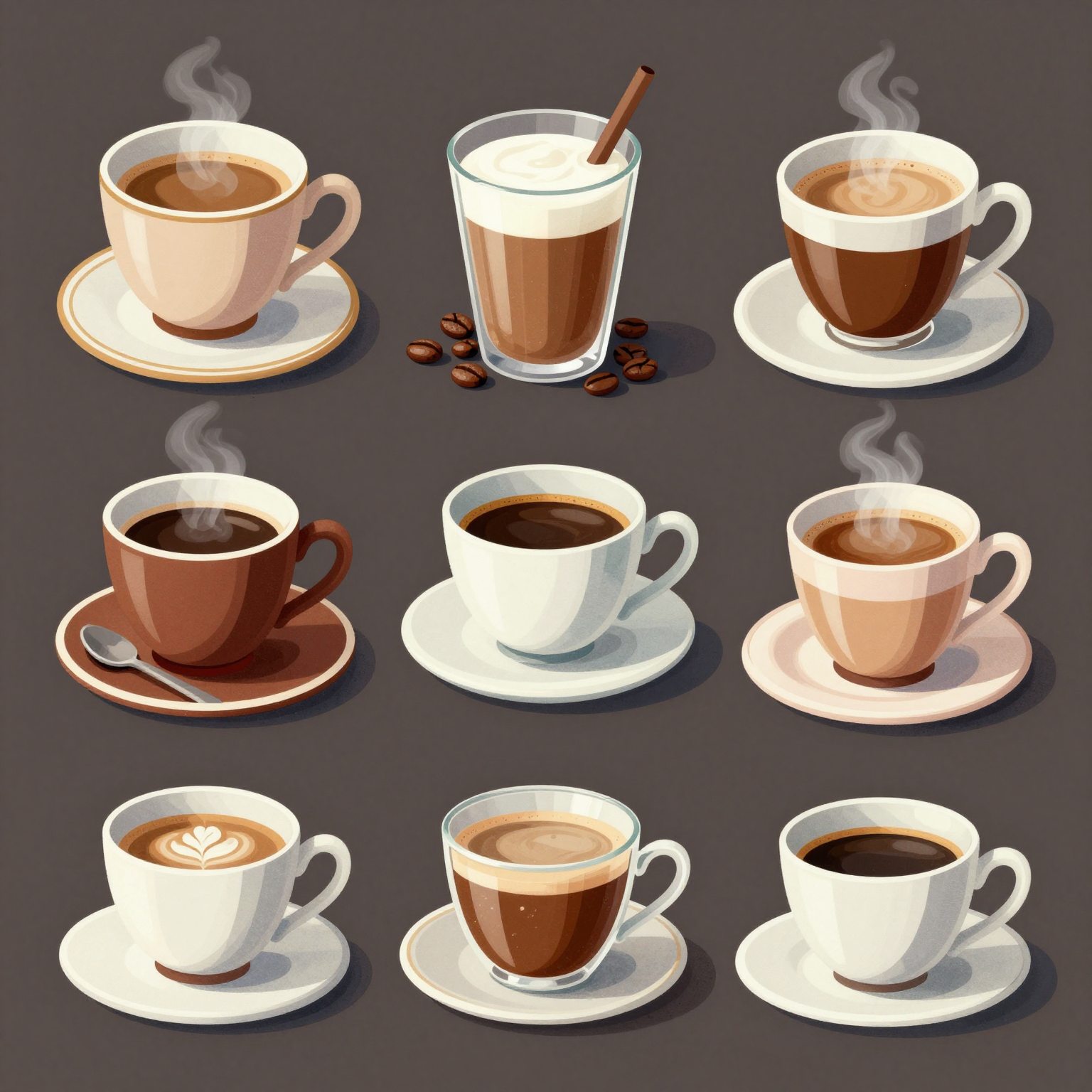
For business owners in the food and beverage industry, understanding these varieties can help in menu planning and attracting customers looking for authentic German coffee experiences. To explore more on food products, learn about Costco’s offerings.
Business Potential of Offering Coffee with Milk
In the competitive coffee shop landscape, diversifying the beverage menu by offering coffee with milk options-both dairy and non-dairy-can provide substantial benefits for business owners. The potential for increased customer satisfaction and revenue growth is significant.
Customer Satisfaction
According to a 2024 National Coffee Association report, 68% of coffee drinkers are likely to return to cafés that offer non-dairy alternatives. For business owners, this translates to a loyal customer base that appreciates having choices. Plant-based options such as almond, soy, and oat milk cater to diverse dietary needs and preferences, enhancing the overall customer experience.
Furthermore, a 2024 analysis by CafeHub found that cafés with alternative milk options see a dramatic 20% increase in foot traffic among younger customers (ages 18-34). This demographic not only visits more frequently but also spends about 12% more per visit, proving that accommodating modern consumer preferences can lead to higher customer satisfaction and repeat business.
Increased Revenue
Introducing coffee with milk options can also create revenue opportunities. Cafés that offer customizable milk selections have reported achieving a 22% higher customer retention rate compared to those without such offerings. This increased retention can be attributed to consumers valuing the ability to tailor their drinks to personal tastes, which elevates the perceived value of each transaction.
Additionally, customizable options open up avenues for upselling. For example, when offering specialty syrups or artisanal blends alongside varied milk bases, businesses can enhance their overall sales. As stated in a 2024 report by Restaurant Business Online, establishments that effectively implement customizable beverage options can experience an average transaction value increase of 15% due to perceived premium service quality.
Strategies for Implementation
To effectively incorporate coffee with milk options into your business, consider the following strategies:
- Diverse Milk Selection: Offer a mix of traditional dairy (whole, skim, 2%) alongside popular non-dairy alternatives like oat, almond, and soy milk. This variety will cater to a wide range of customers, from those with dietary restrictions to those who simply enjoy trying new flavors.
- Highlight Customization: Promote the customizable aspects of your coffee offerings through signage and social media to attract customers who enjoy personalized beverages.
- Quality Matters: Utilize high-quality milk brands, which can significantly enhance the overall flavor and mouthfeel of your coffee, leading to better customer satisfaction and loyalty.
By focusing on these elements, business owners can leverage the rising trend of coffee with milk options not just to meet customer demands but also to boost their bottom line.
Current Trends in Coffee Consumption in Germany (2023)
Germany continues to hold the title of the largest coffee-consuming nation in Europe, with profound shifts in preferences and consumption habits observed in 2023. Recent studies reveal significant data supporting these evolving trends, particularly regarding coffee with milk.
Coffee Consumption Statistics
According to the 2023 German Coffee Study by Tchibo, Germans consume an impressive average of 3.4 cups of coffee daily, with a striking 92% of the population drinking coffee on a regular basis. Notably, 60% of respondents indicated that coffee contributes positively to their happiness. This high level of consumption illustrates coffee’s critical role in the daily lives of Germans, ranking second only to family in terms of importance.
Regional Preferences
The preferences for coffee types vary widely across the country:
- Northern Germany: Predominantly favors classic filter coffee, which is often enjoyed black.
- Southern Germany: Shows a marked preference for milk-based beverages such as lattes and cappuccinos, predominantly due to the widespread use of coffee machines in households. In Bavaria, espresso is favored, while western regions lean toward latte macchiato.
These regional insights underscore the deep cultural significance and variations in coffee consumption habits throughout Germany.
Shift Toward Premium and Convenient Options
There’s been a noticeable transition toward premium roasted coffee, with consumption of high-quality beans surging by 130% over the past decade. Milk-based beverages have witnessed increasing popularity post-pandemic, particularly in urban cafes and among the younger demographic looking for convenience and specialty options. The on-the-go coffee culture has expanded, with milk-based choices like flat whites and cappuccinos leading the charge.
The Role of Coffee Machines
The growing trend of home brewing has been significantly influenced by home coffee machines. Approximately one-third of German households now own machines designed for using roasted beans, which facilitates the preparation of milk-based drinks. This trend not only serves the demand for quality coffee but also aligns with the growing consumer interest in personalizing their coffee experience at home.
Conclusion
Overall, the coffee consumption landscape in Germany has evolved toward higher quality and more specialized drinks, with a clear inclination towards coffee with milk. For business owners and marketers in the coffee industry, leveraging these trends-particularly the focus on premium offerings and convenience-can be pivotal in aligning products with consumer preferences. For those interested in exploring more about the coffee offerings at Costco, check out their coffee review.
In summary, the German coffee market in 2023 showcases an engaging mix of tradition and innovation, where consumer desires for quality and convenience lead to evolving coffee drinking habits.
Coffee Consumption in Germany – 2023
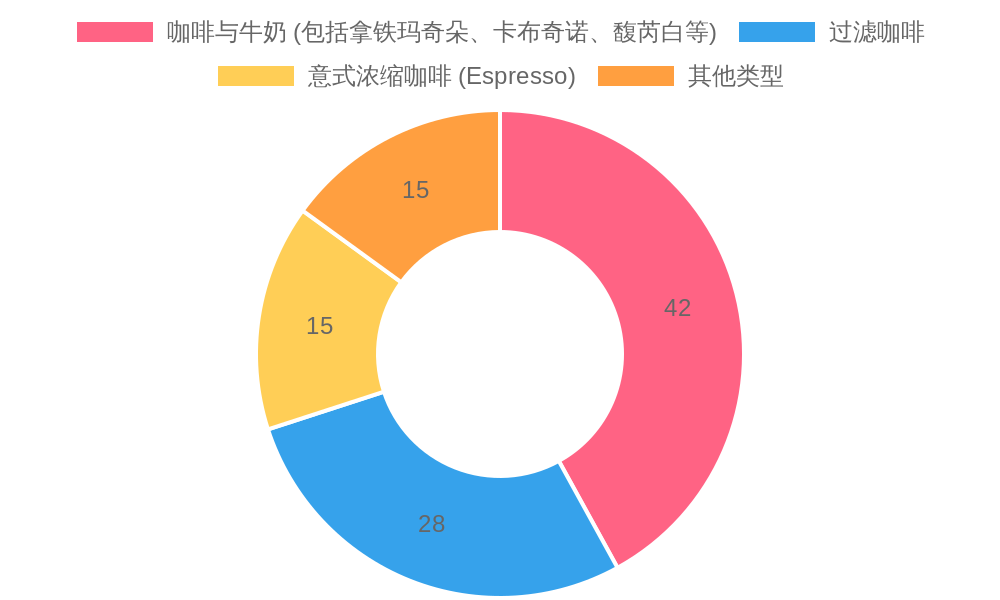
A recent statistical analysis of coffee consumption in Germany reveals which coffee types are favored by consumers in 2023. The results show that milk-based coffee drinks, such as latte macchiato, cappuccino, and flat white, command a substantial portion of the market, with the following breakdown:
| Type | Percentage |
|---|---|
| Coffee with milk (including latte macchiato, cappuccino, flat white, etc.) | 42% |
| Filter coffee | 28% |
| Espresso | 15% |
| Other types | 15% |
This illustration indicates a cultural preference for creamy textures, especially among urban dwellers. For business owners in the coffee industry, understanding these trends is essential for catering to consumer preferences in product offerings. To explore coffee products available at Costco, visit our coffee section for more information.
Conclusion: Embracing Coffee with Milk in German Culture and Business
Coffee with milk, or Milchkaffee, is not just a beverage in Germany; it represents a deep cultural tradition intertwined with community, communication, and productivity. In the hustle of modern business environments, the comforting cup of coffee with milk serves as a gateway for conversations, fostering connections among colleagues, clients, and partners. It’s an embodiment of the German work ethic, emphasizing not just hard work but the value of relationships formed over shared moments.
Key Takeaways
- Cultural Significance: In Germany, coffee with milk is more than a drink; it’s a ritual, often enjoyed during breaks, symbolizing a moment of respite. This cultural practice offers an excellent opportunity for business owners to enhance workplace morale and encourage teamwork.
- Business Networking: Hosting meetings over coffee can invigorate discussions, leading to enhanced collaboration and innovative ideas. Offering coffee with milk can significantly elevate client meetings by providing a comforting atmosphere that encourages openness.
- Quality Matters: Opting for high-quality coffee (like Costco’s Kirkland Signature Cold Brew Coffee) and fresh milk can elevate the experience, delighting clients and employees alike.
As we’ve explored, coffee with milk’s significance in both personal and professional settings can contribute to a more engaged and effective workplace. Encourage your team to incorporate coffee breaks into their daily routines. Not only will it provide a much-needed energy boost, but it will also nurture relationships and improve overall productivity.
In conclusion, embracing the culture of coffee with milk can transform your business environment, enhance networking opportunities, and ultimately improve your bottom line. Consider making it a staple in your organization. Whether it’s through casual office coffee hours or networking events, the benefits are plentiful. Explore more about how quality products can improve your coffee offerings at Costco.
“Coffee with milk is not just a simple blend; it’s an art. The temperature and texture of the milk, along with the proportion to the coffee, directly determine the quality of the drink. For instance, a perfect latte requires the merging of steamed milk to espresso in a ratio of about 7:3 to create a delicate microfoam, harmonizing the coffee’s aroma with the creaminess of the milk. This is why ‘coffee with milk’ has become a classic.”
- Barista Magazine
learn more about this art
Coffee with milk, particularly in its various forms like lattes and cappuccinos, remains a staple in many coffee cultures. Understanding how these elements work together enriches both the preparation and enjoyment of this beloved beverage.