
The Rising Trend of Coffee and Soya Milk
In an era where health-conscious choices are more prominent than ever, the popularity of coffee and soya milk has surged dramatically among consumers. Health enthusiasts are embracing these beverages not just for their flavors, but also for their rich nutritional profiles. Coffee, often lauded for its potential health benefits, such as improved mental alertness and increased metabolism, pairs perfectly with soya milk-a plant-based milk alternative packed with protein and essential nutrients. This dynamic duo has become a go-to choice for many looking to combine taste with wellness. As a result, the beverage industry is witnessing a growing trend toward these healthy drinks, catering to an evolving populace that values both enjoyment and nourishment in their diets. Business owners in the food and beverage sector should take note of this shift, as trends indicate that integrating coffee and soya milk options can attract more health-focused customers eager for innovative and beneficial products. Explore more about Costco’s coffee offerings and witness firsthand how the beverage landscape is transforming into a hub of health and flavor.
Health Benefits of Coffee and Soya Milk
Both coffee and soya milk are more than just popular beverages-they offer a plethora of health benefits that can enhance overall well-being. Below, we dive into the various advantages each ingredient brings to the table.
Health Benefits of Coffee
Coffee is renowned for its energizing properties, but its benefits extend far beyond just keeping you awake. Here are some key health benefits:
- Increased Energy Levels: Coffee contains caffeine, a natural stimulant that can boost energy levels and alertness, making it a popular choice for busy professionals.
- Improved Physical Performance: Caffeine can enhance athletic performance by increasing adrenaline levels and breaking down body fat, which allows fat to be used as energy during physical activities.
- Rich in Antioxidants: Coffee is packed with antioxidants, which can help fight oxidative stress, reduce inflammation, and lower the risk of chronic diseases.
- Reduced Risk of Chronic Diseases: Studies suggest that moderate coffee consumption can lower the risks of conditions like type 2 diabetes, certain types of cancer, and heart disease (Medical News Today).
- Enhanced Brain Function: Regular coffee drinkers may experience a lower risk of neurodegenerative diseases like Alzheimer’s and Parkinson’s due to the neuroprotective effects of caffeine (Cleveland Clinic).
Health Benefits of Soya Milk
Soya milk, a plant-based alternative to dairy, is not just a lactose-free option; it’s also rich in nutrients that contribute to better health. Here are some health benefits:
- High in Protein: Soya milk provides a good source of plant-based protein, essential for muscle repair and immune function.
- Heart Health: It contains omega-3 fatty acids that can help reduce cholesterol levels and promote cardiovascular health (WebMD).
- Bone Health: Many commercially available soya milks are fortified with calcium and vitamin D, both vital for maintaining strong bones.
- Hormone Balance: Soya milk is rich in isoflavones, compounds that can help regulate hormone levels and may reduce menopause symptoms in women (DoveMed).
- Dementia Prevention: The omega-3 fatty acids present in soya milk may reduce the risk of dementia and Alzheimer’s disease, promoting better brain health as you age (SteadyHealth).
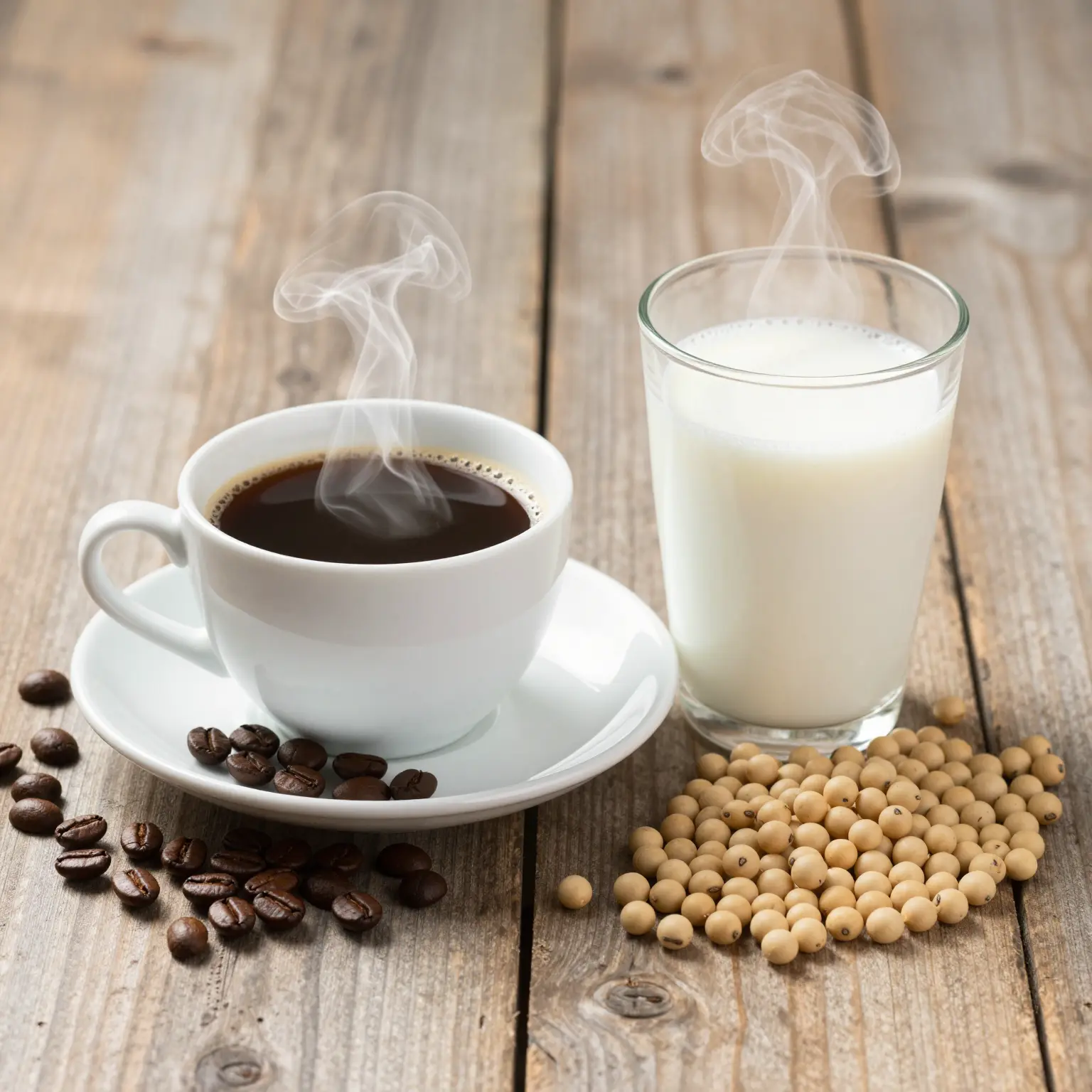
By incorporating both coffee and soya milk into your diet, you can enjoy a delicious experience while reaping various health benefits that support long-term wellness. As business owners, knowing the nutritional content of these products can not only enhance personal health but also inform decisions related to food offerings within your establishments.
Nutritional Comparison of Traditional Milk, Soya Milk, and Coffee
To understand the nutritional profiles of traditional milk, soya milk, and coffee, especially for businesses that offer these beverages, here’s a detailed comparison:
| Beverage | Calories | Protein (g) | Fat (g) | Sugar (g) |
|---|---|---|---|---|
| Traditional Milk | 150 | 8 | 8 | 12 |
| Soya Milk | 100 | 6 | 3.5 | 1 |
| Coffee (with 1 tbsp sugar) | 20 | 0 | 0 | 5 |
This table provides a clear visual insight into the caloric, protein, fat, and sugar levels of each beverage, aiding in informed decisions for menu design and health considerations.
For more detailed information on food products available at Costco, you can check out their food selection or consider specific products like the Kirkland Organic Milk.
Recent Market Trends in Coffee and Soya Milk Consumption
As we move further into 2023, significant trends in coffee and soya milk consumption emerge, particularly among business owners who supply these products. These trends not only reflect a shift in consumer preferences but also offer insights into how businesses can adapt their offerings to meet evolving demands.
Coffee Consumption Trends
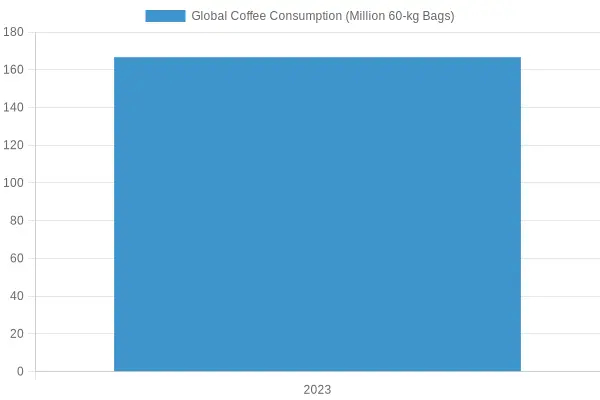
Recent studies indicate that global coffee consumption is robust, with approximately 166.63 million 60-kilogram bags consumed in 2023. This marks a notable increase reflecting the enduring popularity of coffee across various demographics. Factors contributing to this trend include:
- Increased caffeine demand: Many consumers view coffee as an essential part of their daily routine, enhancing alertness and productivity.
- Specialty coffee culture: The rise of third-wave coffee shops has led to more diverse and high-quality offerings which attract consumers willing to pay a premium for unique experiences.
- Convenience factors: Ready-to-drink coffee beverages and single-serve coffee pods have surged in popularity, appealing to consumers looking for convenience.
The following chart illustrates the growth trajectory of coffee consumption in 2023:
Soya Milk Consumption Trends
Soya milk, noted for its plant-based health benefits, has seen increasing consumption, driven strongly by health-conscious consumers and dietary trends towards plant-based diets. The market value for soya milk is projected to reach $7 billion in 2023, growing by approximately 11% from the previous year. Key factors in this growth include:
- Health benefits: Soya milk is rich in protein, low in cholesterol, and contains isoflavones that may reduce cancer risk, making it a favorable alternative for many consumers.
- Dietary shifts: With more consumers adopting vegan or lactose-free diets, the demand for soya milk products has become a staple in many households.
- Environmental considerations: Consumers are increasingly aware of the environmental impacts of dairy production, leading them to seek out more sustainable options like soya milk.
The following chart provides an overview of the market value of soya milk over recent years:

Impact on Business Offerings
For business owners, understanding these trends means recognizing the shifting palate of consumers. Coffee shops and retailers can capitalize on the coffee trend by:
- Expanding their menu to include specialty coffees and artisanal blends.
- Offering ready-to-drink options to cater to on-the-go consumers.
Similarly, businesses can respond to the rise in soya milk consumption by:
- Introducing plant-based milk options in coffee and other beverages.
- Highlighting the health benefits of soya milk in marketing materials to attract health-conscious shoppers.
In conclusion, as consumer preferences evolve, business owners must remain agile and consider adjustments to their product offerings. Those who adapt to these trends are likely to see a boost in customer satisfaction and sales in 2023 and beyond. To explore more about trending food products, visit our Costco Food section.

The integration of soya milk into coffee offerings has garnered positive feedback from business owners in the coffee industry. Below are insights and testimonials reflecting the customer responses that highlight the business advantages of providing this popular non-dairy alternative.
“Since we started offering soya milk as an option, we’ve seen a significant increase in our customer base. Health-conscious clients appreciate the lactose-free choice, and many have expressed how much they enjoy the creamy taste of our soya lattes. Our sales for coffee have increased by over 30% since we added it to the menu!”
- Jessica Morano, Owner of Urban Brew Café read more about coffee alternatives here
“Our transition to offering plant-based milk alternatives like soya milk has attracted a diverse clientele. Customers often comment on the smooth texture it adds to their coffee, and it aligns perfectly with our values of providing healthier choices. It’s been a win-win; not only have we met customer demands, but we’ve also expanded our drink offerings.”
- Mark Tidwell, Proprietor of Green Leaf Coffee Shop learn more about successful coffee partnerships
Customer Experiences and Feedback
The rise in popularity of soya milk stems from shifting consumer preferences towards healthier and plant-based alternatives. Research shows that many coffee drinkers are actively seeking non-dairy options, making it essential for cafes and coffee shops to adapt.
- Health Benefits: Aside from taste, many customers appreciate the nutritional benefits associated with soya milk, such as lower cholesterol and being high in protein.
- Taste and Texture: Business owners reported that customers often praise the “creamy” consistency soya milk brings to coffee beverages, enhancing their overall experience.
- Market Trends: Data highlights that soy milk constitutes a significant part of sales in cafes, indicating a steady demand for coffee blended with non-dairy milk options.
By integrating soya milk into their offerings, cafes not only respond to customer feedback but also position themselves as forward-thinking establishments attuned to current health trends. This move can lead to increased customer loyalty and higher sales figures.
Incorporating insights from business owners who have effectively navigated this transition can be invaluable for others in the industry considering similar enhancements to their menus.
Explore more about coffee options and boost customer satisfaction by offering diverse beverage choices!
Creative Coffee and Soya Milk Recipes for Business Owners
Coffee shops and cafes are continually seeking innovative ways to attract customers and stand out in a competitive market. Incorporating soya milk into coffee recipes can cater to health-conscious consumers and those with dairy allergies. Here are five creative coffee and soya milk recipes that business owners could offer:
1. Soy Latte
Ingredients:
- 1 shot espresso
- 6 oz unsweetened soya milk
- 1 tsp vanilla syrup (optional)
- Cocoa powder for dusting (optional)
Instructions:
- Brew the espresso using an espresso machine or Moka pot.
- Heat the soya milk in a saucepan or milk steamer until hot but not boiling.
- Froth the soya milk for a creamy texture.
- Combine espresso and milk in a cup, and add vanilla syrup if desired.
- Dust with cocoa powder for a final touch.
2. Soya Milk Coffee Mocha
Ingredients:
- 1 shot espresso
- 1 cup hot soya milk
- 2 tbsp chocolate syrup
- Whipped cream for topping
Instructions:
- Brew the espresso and set it aside.
- Mix hot soya milk with chocolate syrup in a cup.
- Stir in the espresso and top with whipped cream.
3. Iced Caramel Soya Macchiato
Ingredients:
- 1 shot espresso
- 4 oz soya milk
- 2 tbsp caramel sauce
- Ice cubes
Instructions:
- Fill a glass with ice cubes.
- Pour in the soya milk and drizzle caramel sauce on top.
- Brew and pour the espresso shot over the milk slowly, creating layers.
- Serve with a straw.
4. Soya Chai Latte
Ingredients:
- 1 cup brewed chai tea
- 1 cup heated soya milk
- 1 tbsp honey (optional)
Instructions:
- Brew chai tea as per instructions.
- Heat the soya milk and froth if desired.
- Combine chai and milk, adding honey if preferred.
5. Cinnamon Vanilla Soya Coffee
Ingredients:
- 1 cup brewed coffee
- 1 cup soya milk
- 1 tsp cinnamon
- 1 tsp vanilla extract
Instructions:
- Brew a strong cup of coffee.
- Heat the soya milk with cinnamon and vanilla extract in a saucepan.
- Pour the flavored soya milk into the brewed coffee and stir well.
By offering these unique recipes, business owners can attract a broader clientele, especially those seeking vegan and lactose-free options. For more inspiration, check out Costco Food.
Conclusion
Incorporating these soya milk and coffee recipes can add variety to your menu, appealing to health-conscious customers while creating a welcoming atmosphere for all. Introduce these innovative beverages to captivate your audience!
Growth in Sales of Coffee and Soya Milk Products
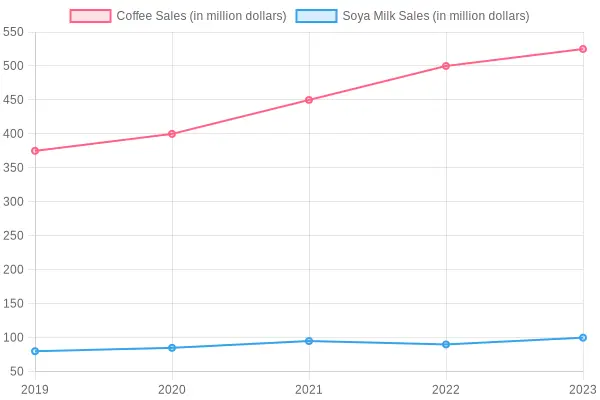
To illustrate the rising consumer interest in coffee and soya milk products, a chart has been developed depicting the sales growth of these beverages over the past five years.
Here’s the data represented visually:
Sales Growth Data (in million dollars)
| Year | Coffee Sales | Soya Milk Sales |
|---|---|---|
| 2019 | 375 | 80 |
| 2020 | 400 | 85 |
| 2021 | 450 | 95 |
| 2022 | 500 | 90 |
| 2023 | 525 | 100 |
The data shows a consistent increase in sales for coffee, while the sales of soya milk have also experienced growth, specifically notable after the rise of plant-based diets. To learn more about specific products available at Costco, such as their coffee selection, check Costco Coffee Review.
Additionally, for more insights into healthful beverages, see our review on Kirkland Organic Coconut Water.
In conclusion, integrating coffee and soya milk into your business offerings can significantly enhance customer satisfaction and broaden your appeal in today’s competitive market. The numerous health benefits of soya milk, including its rich protein content and heart-healthy properties, make it an attractive choice for health-conscious consumers. Meanwhile, coffee adds a social aspect that can improve customer interactions and workplace morale, fostering a community atmosphere that keeps clients returning. Together, these beverages not only satisfy taste buds but also meet diverse dietary preferences. By considering this dynamic duo, your business can cater to a wider audience seeking both tradition and modernity in their beverage choices.
Don’t miss the opportunity to tap into this growing market trend! Discover how incorporating these beverages can boost your business today!
For a comprehensive overview of other offerings that can complement your menu, explore more at Costco Food.
The Perfect Blend: Coffee and Soya Milk
Coffee and soya milk have become a popular combination in the beverage world, appealing to both health-conscious individuals and those looking for dairy alternatives. This article explores the benefits of mixing coffee and soya milk, especially for business owners in the food and beverage sector.
Nutritional Benefits
Combining coffee and soya milk not only offers a creamier texture but also enhances the nutritional profile of your drink. Here’s an overview of how both ingredients stack up nutritionally:
| Nutritional Component | Coffee (per 100g) | Soy Milk (per 100g) |
|---|---|---|
| Protein | 0.1g | 3.3g |
| Fat | 0.2g | 1.8g |
| Carbohydrates | 0g | 4.3g |
| Fiber | 0g | 0.4g |
| Vitamin A | 0IU | 1 IU |
| Vitamin D | 0IU | 0.2 IU |
| Calcium | 0mg | 120mg |
| Iron | 0mg | 0.5mg |
Sources: 1. Byrdie, 2. ScienceDirect
Health Advantages of Coffee and Soya Milk
Research suggests that soya milk can offer various health benefits, such as:
- Heart Health: Soya milk contains beneficial nutrients that can help lower cholesterol and support heart health. Learn more about health benefits
- Lactose-Free: For those who are lactose intolerant, soya milk is a great alternative to dairy.
- Protein Packed: Adding soya milk to coffee enhances the protein content, making it more filling and nutritious.
When consumed together, coffee and soya milk can provide a daily dose of both caffeine and essential nutrients for busy business owners who need energy without compromising their health.
Tips for Incorporating Soya Milk into Coffee
- Frothing Techniques: Soya milk froths differently than dairy milk, so you may need to adjust your techniques to create that perfect cappuccino.
- Choose Unsweetened: Opt for unsweetened soya milk to keep sugar levels down-especially important for health-conscious consumers.
- Experiment with Flavors: Pair coffee with flavored soya milk (like vanilla) for an extra twist.
Conclusion
For business owners in the coffee industry, understanding the benefits of coffee and soya milk can help tailor offerings to meet customer demands for healthy alternatives. Explore how integrating this combination can enrich your menu and appeal to a broader audience.
To delve deeper into soy milk’s properties, check out the Ultimate Guide to Adding Soy Milk to Your Coffee.