
Introduction
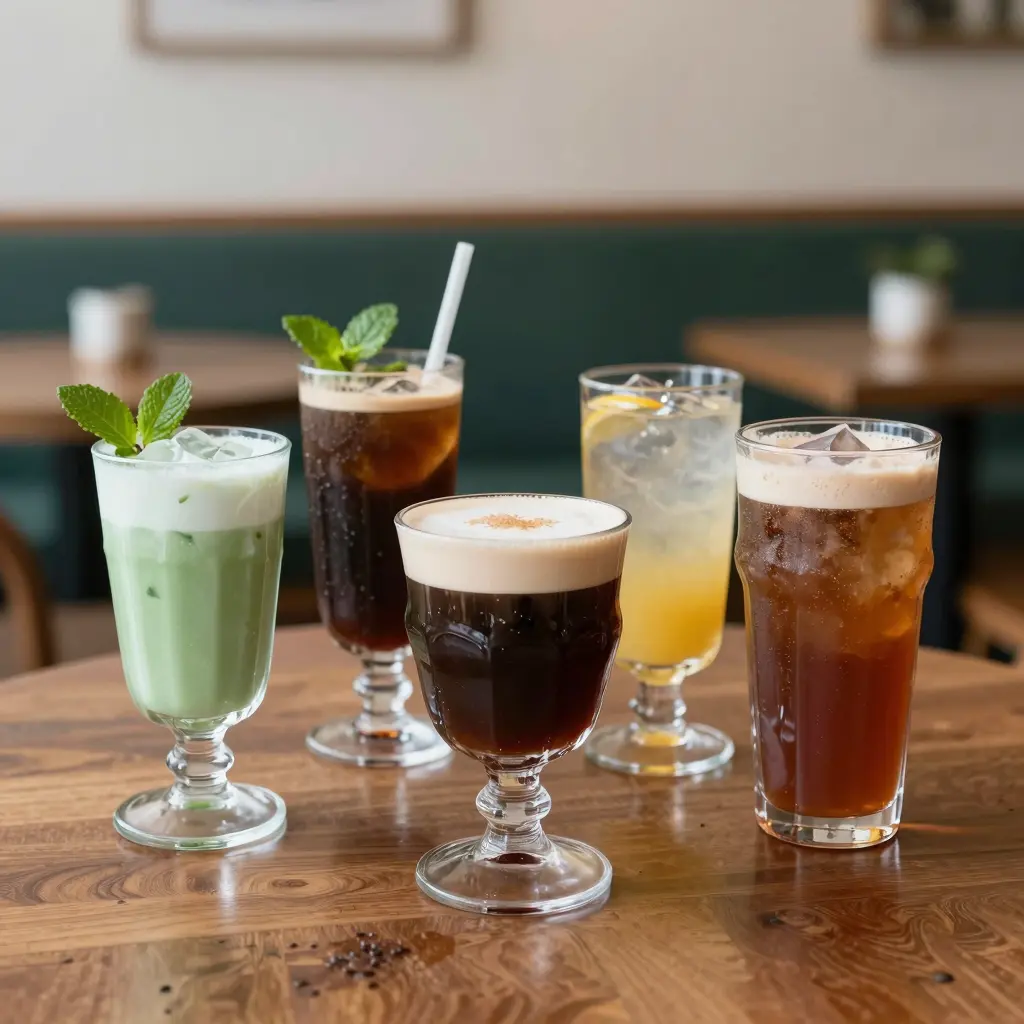
With coffee culture evolving, an intriguing trend has emerged: coffee drinks that taste like anything but coffee. For business owners, capitalizing on this phenomenon presents a unique opportunity to diversify offerings and attract a broader clientele. These innovative beverages cater not only to die-hard coffee lovers but also to those who are coffee-averse or seeking something new and exciting in their daily routines. From creamy, dessert-like concoctions to refreshing, fruit-infused brews, the market is bursting with options that tantalize the palate while steering clear of the traditional coffee flavor.
As the demand for variety rises, it’s vital for business owners to understand this shift and how they can implement it in their menus. Consider industries such as cafes, restaurants, and wellness shops, where offering non-coffee drinks can enhance user experience and encourage repeat visits. The market’s inclination towards unique flavors and health-conscious ingredients mirrors a growing consumer mindfulness in food and beverage choices. If your business aims to thrive amidst a diverse set of preferences, staying updated on these trends is crucial. Learn more about the evolving landscape of food products to discover how diversification can benefit your business strategy.
Popular Coffee Alternatives
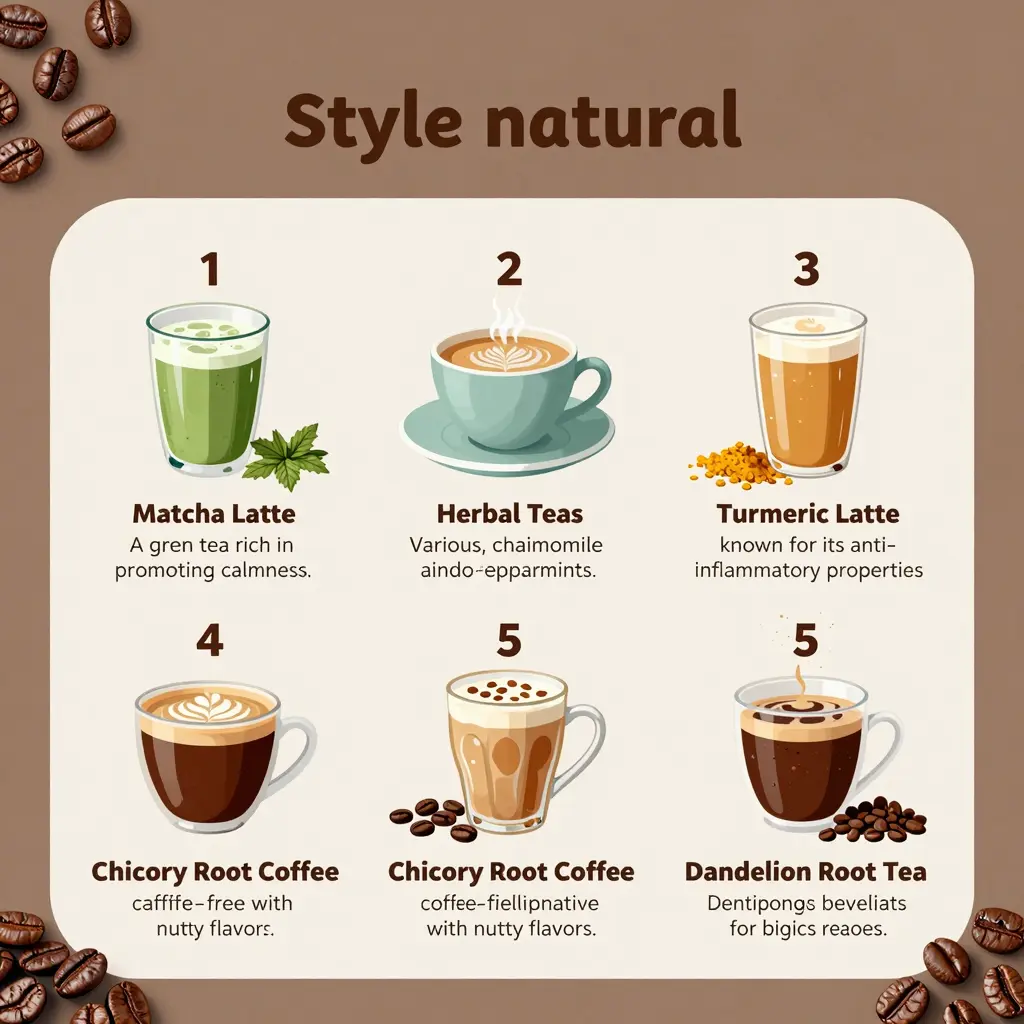
If you’re looking for energizing drinks that don’t taste like traditional coffee, consider these popular coffee alternatives:
-
Matcha Latte: This vibrant, green beverage is made from finely ground matcha tea leaves and whisked into hot water or milk. Matcha is known for its high levels of antioxidants and can provide a calming yet energizing effect without the jitters.
-
Herbal Teas: These are caffeine-free and come in a variety of flavors such as chamomile, peppermint, and rooibos. Each type offers unique health benefits, from aiding digestion to promoting relaxation.
-
Turmeric Latte: Often called ‘golden milk,’ this bright yellow drink combines turmeric, milk (or plant-based alternatives), and spices like ginger and cinnamon. It’s known for its anti-inflammatory properties and is a warm, comforting option.
-
Chicory Root Coffee: Derived from the roasted roots of the chicory plant, this alternative has a rich, slightly nutty flavor and is caffeine-free, making it a great choice for those wanting to avoid caffeine.
-
Dandelion Root Tea: With a taste similar to coffee, dandelion root is often roasted and brewed to mimic the beloved beverage. It’s celebrated for its detoxifying effects and can support digestive health.
These alternatives not only provide delightful flavors but also come packed with various health benefits, making them excellent options for anyone looking to reduce their caffeine intake or simply explore new tastes.
For an even broader selection of items that can enhance your coffee alternatives journey, check out Costco’s food offerings.
Learn more about the health benefits of different teas.
Health Benefits of Non-Coffee Beverages
For many individuals, the thought of giving up their coffee can be daunting. However, numerous alternatives offer unique health benefits and nutritional profiles that make them not only tasty but also healthier. Here, we delve into some popular non-coffee beverages and their advantages.
1. Herbal Teas
Herbal teas are a fantastic choice for those looking for caffeine-free beverages. These infusions-made from various herbs, flowers, and fruits-are packed with antioxidants and offer an array of health benefits such as:
- Anti-inflammatory properties: Can help reduce inflammation in the body.
- Digestive health: Certain herbal teas, like peppermint, soothe the digestive tract.
- Relaxation and sleep aid: Chamomile tea is renowned for promoting relaxation and aiding sleep.
Source: Health Benefits of Drinking Tea
2. Coconut Water
Coconut water has gained popularity as a refreshing and hydrating drink. This beverage is rich in electrolytes, making it an excellent alternative to sugary sports drinks. Benefits include:
- Hydration: Quickly replenishes fluids and electrolytes lost through sweating.
- Low calorie: Contains about 19 calories per 100ml, making it a great choice for calorie-conscious consumers.
- Nutrients: Provides potassium and magnesium, which are essential for heart health and muscle function.
Source: What Happens to Your Body When You Drink Coconut Water
3. Smoothies
Smoothies can be an excellent meal replacement or a healthy snack, packed with nutrients depending on the ingredients used. Benefits include:
- Vitamin-rich: Depending on the fruits, vegetables, and extras like yogurt or nut butters, smoothies can deliver a significant dose of vitamins A, C, and even protein.
- Fiber content: Great for digestion when made with whole fruits and vegetables.
- Customizable: Easy to tailor according to dietary preferences-vegan, protein-rich, low sugar, etc.
Comparison of Nutritional Profiles
Here’s a comparative overview of the nutritional profiles of these healthier alternatives:
| Beverage | Calories (per 100ml) | Sugars (g per 100ml) | Vitamins |
|---|---|---|---|
| Tea | 7 | 0 | Antioxidants (varies by type) |
| Herbal Infusions | 5-10 | 0-1 | Antioxidants, various beneficial compounds |
| Coconut Water | 19 | 4-5 | Potassium, Sodium, Magnesium |
| Smoothies | 50-250 (varies) | 10-50 | Vitamins A, C, Fiber (depends on ingredients) |
Conclusion
Exploring beverages that do not taste like coffee opens up a world of health benefits, each offering unique nutritional profiles tailored to various preferences and health needs. Incorporating these alternatives into your daily routine not only diversifies your diet but also promotes overall wellness. To explore more about healthy food products at Costco, check out our Costco food section.
Comparison of Caffeine Content in Various Beverages
Here’s a table comparing the caffeine content in coffee with various non-coffee drinks to understand how they stack up. This information can be particularly useful for business owners looking to diversify their menu options with alternatives to traditional coffee drinks.
| Beverage       | Caffeine Content     |
|----------------|----------------------|
| Coffee         | Average 95 mg (range: 95-200 mg) |
| Herbal Tea     | Average 0 mg         |
| Matcha         | 70 mg per serving     |
| Energy Drinks  | Range from 100 to 500 mg |
| Black Tea      | 40-70 mg             |
| Green Tea      | 20-45 mg             |
Sources:
- Mayo Clinic
- Healthline
- Matcha Outlet
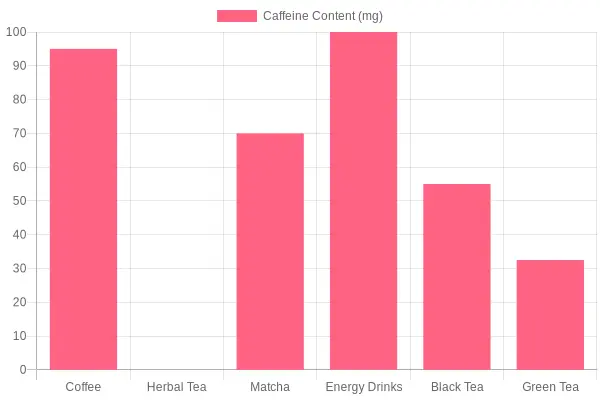
If you’re exploring options that do not taste like coffee yet still provide a caffeine boost, consider options like matcha or energy drinks, which can offer a different flavor profile while energizing your customers. Discover more on beverages that can complement your offerings.
Consumer Preferences for Non-Coffee Beverages
As the market evolves, consumer preferences are shifting away from traditional coffee beverages toward a variety of non-coffee options. This trend is fueled by a growing emphasis on health, wellness, and diverse flavor profiles among consumers. According to various sources, the non-alcoholic beverage market is projected to grow substantially, reaching an estimated value of $422 billion by 2027, expanding at a compound annual growth rate (CAGR) of 6.9% from 2022 to 2027. This surge signifies not only growth but also a shift in consumer behavior towards healthier, non-caffeinated drink alternatives.
Key Consumer Trends
- Health and Wellness Focus: With the increasing awareness of health, beverages such as herbal teas, plant-based milks, and functional drinks that offer health benefits are becoming increasingly popular. Many consumers now prefer beverages that support hydration and immunity, steering away from sugary, caffeinated drinks.
- Diverse Flavor Profiles: There is a rising demand for unique and exotic flavors. From floral notes in kombucha to rich flavors in nut-based milks, consumers are looking for experiences that go beyond standard offerings.
- Sustainability Concerns: Many consumers are increasingly considering sustainability in their purchasing decisions. This includes opting for beverages offered in environmentally friendly packaging or brands that emphasize responsible sourcing of ingredients.
Capitalizing on the Trend
For business owners looking to capitalize on this trend:
- Expand Your Offerings: Consider introducing a diverse range of non-coffee beverages-including teas, juices, and plant-based drinks. For instance, featuring products like Kirkland Organic Coconut Water can cater to health-conscious consumers.
- Create Unique Flavor Combinations: Experiment with different ingredients to create signature beverages that stand out in the market. Seasonal offerings can also draw in customers looking for fresh experiences.
- Leverage Marketing Insights: Use insights from consumer behavior studies to tailor your marketing approaches towards healthier options, emphasizing their benefits in your branding.
Conclusion
Recognizing the shifting consumer preferences towards non-coffee beverages can unlock significant opportunities for business owners. By embracing this trend and offering innovative, health-centric options, you position your brand as relevant and forward-thinking in a rapidly evolving marketplace. For further insights into consumer preferences, learn more about the trends.
Visual Insights
Here’s a look at the projected market growth of non-alcoholic beverages:

Additionally, this infographic illustrates popular non-coffee beverages:
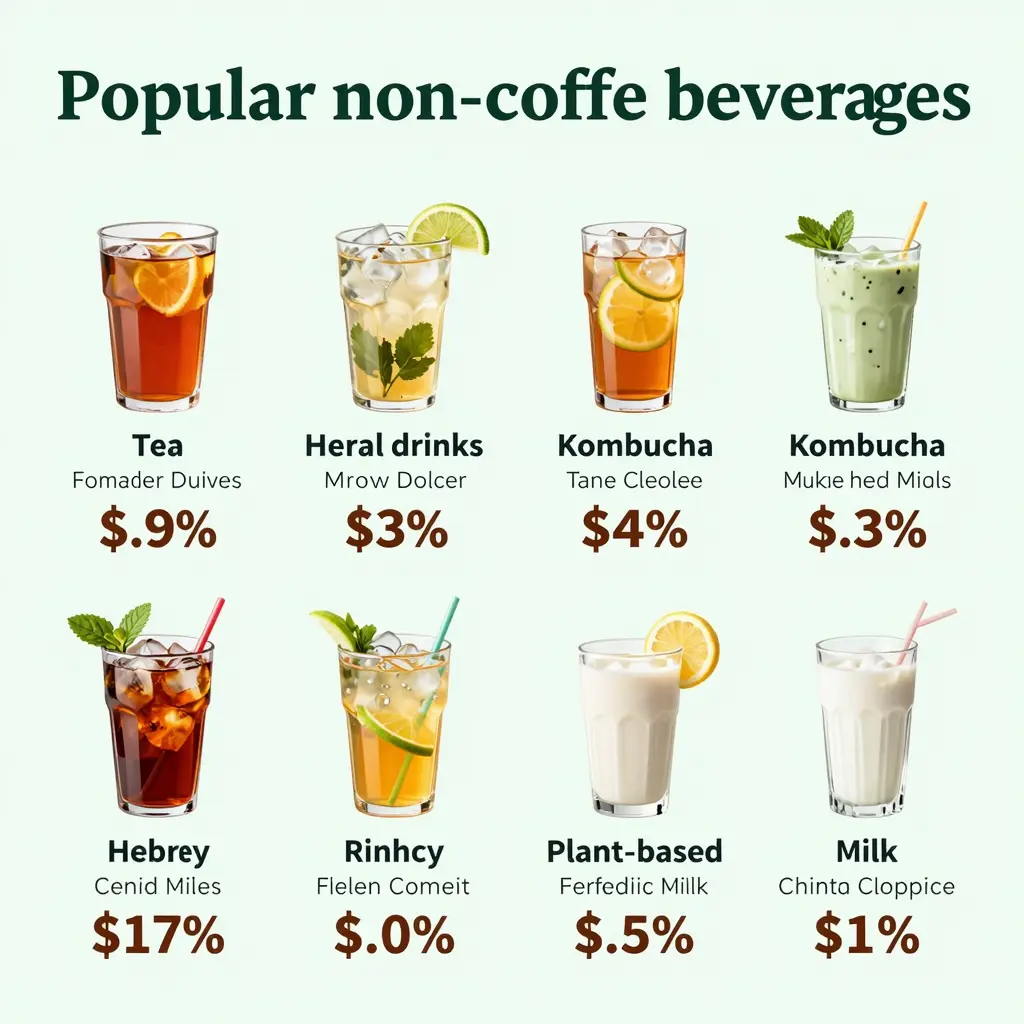
Exploring these trends allows business owners not only to keep pace with consumer preferences but also to thrive in a competitive beverage market.
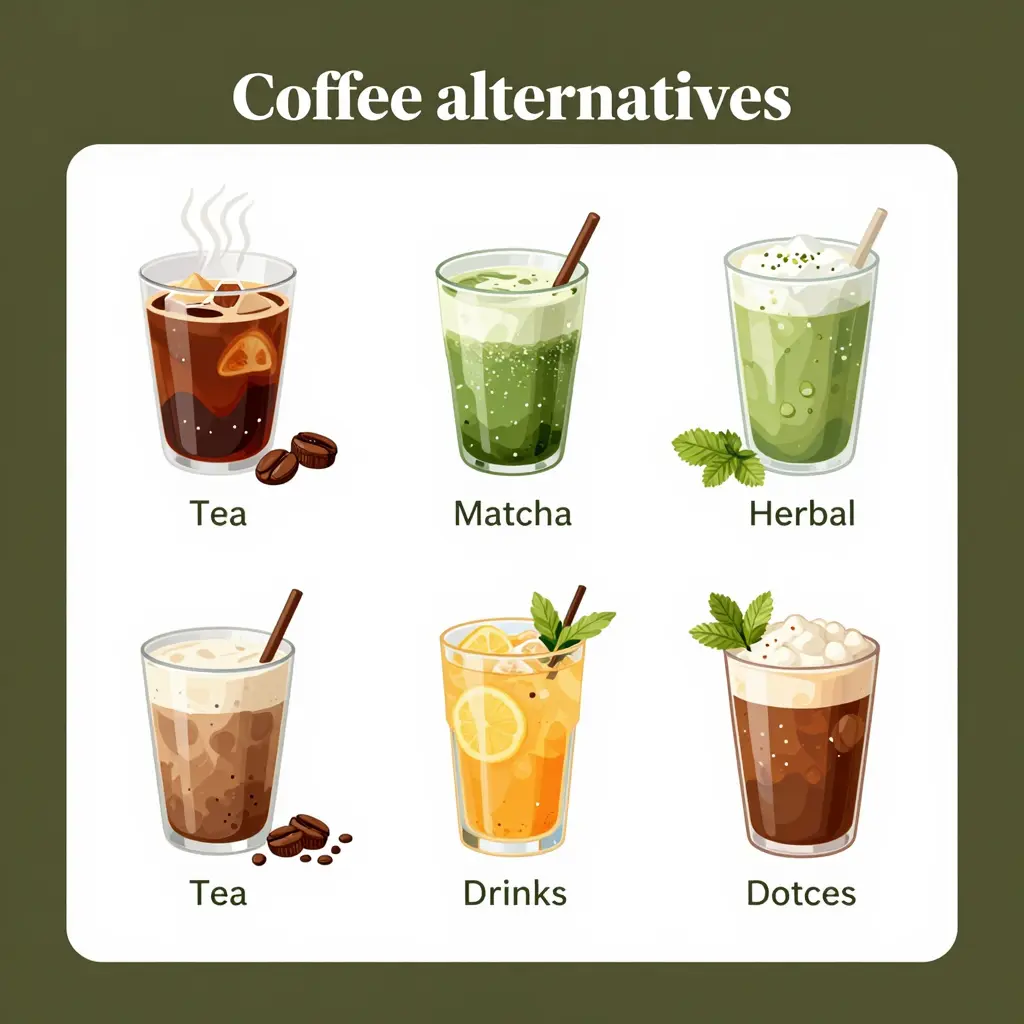
This image showcases a vibrant visual representation of popular coffee alternatives such as tea, matcha, and herbal drinks, designed to appeal to business owners looking to diversify their beverage offerings.
Preparation Methods for Non-Coffee Drinks
As coffee alternatives gain popularity, understanding the preparation methods for beverages like matcha and herbal teas can provide business owners with valuable insights for expanding their menu. Below are some detailed techniques and tips for incorporating these drinks effectively.
Matcha Preparation Techniques
- Whisking Method: Matcha is a finely ground powder of specially grown green tea leaves. It differs from traditional teas since it is not steeped but whisked into hot water. Here’s a simple preparation method:
- Ingredients: 1-2 teaspoons of matcha powder and around 1 cup of hot water (not boiling, ideally around 175°F/80°C).
- Equipment: A bamboo whisk (chasen), a bowl, and a sifter to avoid clumps.
- Steps:
- Sift the matcha into a bowl to remove clumps.
- Add hot water.
- Whisk vigorously in a zig-zag motion until frothy.
- Tip: Encourage customers to enjoy the ritualistic aspect of matcha preparation. Consider engaging your customers by offering matcha workshops that demonstrate this preparation technique (learn more about matcha).
- Cold Brew Method: This is an alternative for those who prefer a chilled beverage.
- Steps: Combine matcha with cold water and whisk, or shake in a bottle, for a refreshing drink.
Herbal Tea Steeping Methods
- Choosing Leaves: The type of herbal tea significantly affects the flavor. Customers appreciate blends with specific health benefits, so consider offering options like chamomile, peppermint, and hibiscus.
- Proper Steeping:
- Temperature & Time: Each herb has its optimal steeping time and temperature. Generally, herbal teas should be steeped in water that’s been boiled and then cooled slightly to around 205°F/96°C for 5-10 minutes.
- Tip: Include detailed instructions on the packaging for your herbal teas. This could enhance customer experience and satisfaction, showing them you prioritize quality (explore herbal tea preparation).
Business Tips
- Diverse Offerings: The market for non-coffee drinks is expanding. Consider diversifying your menu with various herbal teas, matcha lattes, and even smoothies. This can increase customer satisfaction and boost revenues significantly (discover menu diversification strategies).
- Unique Branding: Position your drinks uniquely by creating signature flavors or incorporating local ingredients. This differentiation will attract customers looking for unique experiences.
- Engagement Opportunities: Promote events like “Herbal Tea Tastings” or “Matcha Mondays” to create community around your offerings. Engage your customers through social media and encourage them to share their experiences.
Incorporating these methods and tips can bolster your establishment’s beverage offerings, catering to a broader customer base beyond coffee enthusiasts. By emphasizing preparation and community, business owners can create an inviting atmosphere that fosters exploration of these delightful non-coffee alternatives.
Exploring Coffee Alternatives
Coffee lovers often find themselves seeking alternatives that can mimic the coffee experience without the caffeine or bitterness. As consumers become more health-conscious, coffee alternatives are gaining popularity. An expert once remarked:
“Coffee alternatives not only provide a unique set of flavors but also offer health benefits that coffee drinkers might overlook. They can lead to a balanced energy level without the subsequent jitters that coffee can sometimes cause.”
- Dr. Lauren K., Coffee & Beverage Expert
For business owners in the food and beverage industry, introducing coffee alternatives could cater to a diverse audience, helping to meet the rising demand for healthier options.
Effective Marketing Strategies for Promoting Non-Coffee Beverages to Consumers
As the beverage landscape evolves, increasingly sophisticated consumers are seeking refreshing alternatives to traditional coffee drinks. As a business owner, understanding effective marketing strategies tailored to non-coffee beverages can elevate your offerings, engage your target market, and ultimately boost sales. Here are some impactful strategies to consider:
1. Leverage Social Media
Social media platforms such as Instagram, TikTok, and Facebook are perfect for promoting non-coffee beverages. Create visually appealing content that highlights your offerings, utilizing hashtags to reach a broader audience. Engaging stories, videos, and posts featuring seasonal drinks can entice your followers and encourage them to visit your establishment.
2. Offer Product Sampling
Nothing beats tasting a beverage before purchasing it. Consider hosting tasting events or offering small samples of your non-coffee drinks. This technique helps customers discover new flavors and encourages impulse purchases. Collaborating with local events or community markets can further enhance exposure.
3. Influencer Partnerships
Tap into the power of social media influencers. Partnering with local influencers who resonate with your target audience can significantly expand your reach. They can create content showcasing your non-coffee beverages and share their experiences with their followers, driving traffic to your business.
4. Customer Engagement Techniques
Develop loyalty programs and promotions tailored specifically for your non-coffee range. Enticing offers such as buy-one-get-one-free or loyalty stamps can encourage repeat purchases. Keep communication channels open by seeking feedback directly from your customers about their preferences and experiences.
5. Seasonal Promotions and Limited Editions
Creating seasonal or limited-edition beverages can drive excitement around your offerings. Craft unique drinks for holidays or seasonal events, and promote them vigorously on various marketing platforms. This scarcity principle can generate urgency in consumers, persuading them to try your new flavors while they last.
6. Emphasize Health Benefits
The rising trend toward health-conscious consumption provides an excellent opportunity for businesses to promote their non-coffee beverages more effectively. Highlight the health benefits of drinks such as herbal teas, smoothies, or natural juices. Consumers are increasingly searching for low-sugar and functional beverages, making it essential to educate them about your products’ advantages.
7. Content Marketing
Integrating content marketing into your strategy can position your brand as a thought leader in the non-coffee beverage space. Maintain an informative blog, share recipes, and educate consumers about different beverage types and their origins. For instance, you can learn more about Kirkland Organic Coconut Water, an excellent option worth promoting.
Conclusion
By implementing these marketing strategies, you can enhance your non-coffee beverage offerings and connect with customers seeking alternatives to traditional coffee drinks. Staying attuned to trends, consumer preferences, and leveraging digital marketing channels will transform your non-coffee beverage sales.
Conclusion: Explore Coffee Alternatives for Your Business Success
In conclusion, the growing trend of coffee alternatives provides a unique opportunity for business owners to diversify their product offerings and cater to an evolving customer base. As consumers increasingly prioritize health and wellness, alternatives to traditional coffee such as herbal teas, matcha, and energy drinks can not only satisfy those seeking something different but also tap into the popular demand for transparent and sustainable sourcing.
Benefits of Offering Coffee Alternatives
Offering coffee alternatives can attract customers looking to reduce their caffeine intake or explore new flavors. According to various studies, these beverages may appeal to those who experience jitters from caffeine or those with specific health concerns. For instance, alternatives like matcha and herbal teas provide benefits ranging from antioxidants to enhanced focus without the crash associated with caffeine. Furthermore, providing diverse options signals inclusivity, catering to a wider demographic, including those with dietary restrictions or those seeking varied flavors.
Embrace the Brewing Shift
With the market for coffee alternatives on the rise-driven by sustainability trends and consumer demands-now is the time to re-evaluate your menu. By incorporating these alternatives, not only can you attract a new clientele, but you can also improve customer loyalty as they appreciate your efforts to provide wholesome and tasty choices. This is especially true in today’s fast-paced world where consumers are more informed than ever about their health and environmental impact.
For insights on products that might suit your menu, consider exploring some of our coffee-related reviews, or dive deeper into sustainability in food offerings with our article on healthier options.
Call to Action
Take the leap-start exploring coffee alternatives today! Revamp your menu, attract new customers, and stand out in a competitive market. Whether it’s adding a matcha latte or a unique herbal infusion, the benefits for your business can be immense. Embrace the change, and watch your customer base grow as you provide options that resonate with today’s health-conscious consumer. Don’t miss out on this opportunity to elevate your offerings and drive sales-explore coffee alternatives to enhance your product lineup!