

Introduction
In recent years, the popularity of coffee alternatives has surged, sparking a significant shift in consumer preferences. As more people seek healthier lifestyles and diverse flavor profiles, coffee substitutes like matcha, mushroom coffee, and herbal blends are gaining traction. The rise of these alternatives reflects a growing demand for options that not only energize but also provide unique tastes without the jitters traditionally associated with coffee. This is particularly relevant in business settings where owners are looking to cater to varied tastes, especially among coffee-drinking clients and employees.
Business owners are increasingly experimenting with coffee-flavored drinks that stray from the conventional brew. The exploration of innovative flavors and ingredients allows cafes and restaurants to offer unique offerings that appeal to a broader audience, including those who may be sensitive to caffeine or simply prefer new taste experiences. For those who want to expand their menu beyond traditional coffee, there are several exciting options available.
This article outlines the best coffee alternatives that deliver the essence of coffee without its characteristic taste, providing business owners with fresh ideas on how to enhance their beverage selections. Whether you own a small café or a larger establishment, these alternatives can attract new customers and satisfy existing ones, ultimately contributing to a more diversified menu. Explore the potential of these options by checking out our reviews on various coffee alternatives and learning about the trending flavors that everyone is talking about.
Discover Exquisite Coffee Alternatives for Your Workplace
As a business owner, enhancing your workplace environment goes beyond just the typical coffee offerings. Impress clients and provide your team with delightful alternatives that not only taste great but also promote better health and well-being. Here’s a detailed list of popular coffee alternatives and their unique flavor profiles:
1. Chai Tea
Chai is a traditional Indian spiced tea that typically combines black tea with an array of warming spices such as cinnamon, cardamom, and ginger. Its flavor profile is rich and layered; the spices provide a warming sensation, while the black tea offers a robust foundation. Chai can be served hot or iced and is often sweetened, making it a comforting choice that can appeal to coffee drinkers seeking something different. For more on chai teas, check out our article on Kirkland Green Tea.
2. Matcha
Derived from finely ground green tea leaves, matcha has a unique umami flavor profile that is both earthy and slightly sweet. It can be enjoyed in various forms, including lattes and smoothies. Matcha provides a gentle energy boost without the jitters associated with coffee and is rich in antioxidants, making it an ideal choice for health-conscious individuals.
3. Dandelion Root Coffee
Dandelion root coffee offers an intriguing, subtly sweet flavor reminiscent of coffee but without caffeine. Roasted dandelion roots create a nutty and slightly bitter drink, similar to traditional coffee. This herbal alternative is known for its digestive benefits and is an excellent option for those looking to decrease caffeine intake while enjoying a coffee-like experience.
4. Chicory Root Coffee
Chicory root coffee has a rich, earthy taste with a hint of sweetness. Often used as a coffee substitute, it mimics the depth of flavor found in traditional coffee without the bitterness. Chicory is also praised for its liver health potential and ability to promote digestive wellness, making it both tasty and beneficial.
5. Herbal Tea
Herbal teas encompass a broad range of flavors, from floral chamomiles to refreshing peppermint. The diverse flavor profiles cater to a wide audience, and many herbal teas are caffeine-free. Their soothing qualities provide a relaxing option for clients during meetings or for staff during breaks. Options like honey citron ginger tea can add an invigorating twist; for more information, visit Honey Citron Ginger Tea Review.
These alternatives offer unique appeal, ensuring a diverse beverage selection that not only enhances the workplace experience but also leaves a lasting impression on clients. Incorporating these drinks into your office pantry could transform mundane breaks into moments of enjoyment and relaxation.
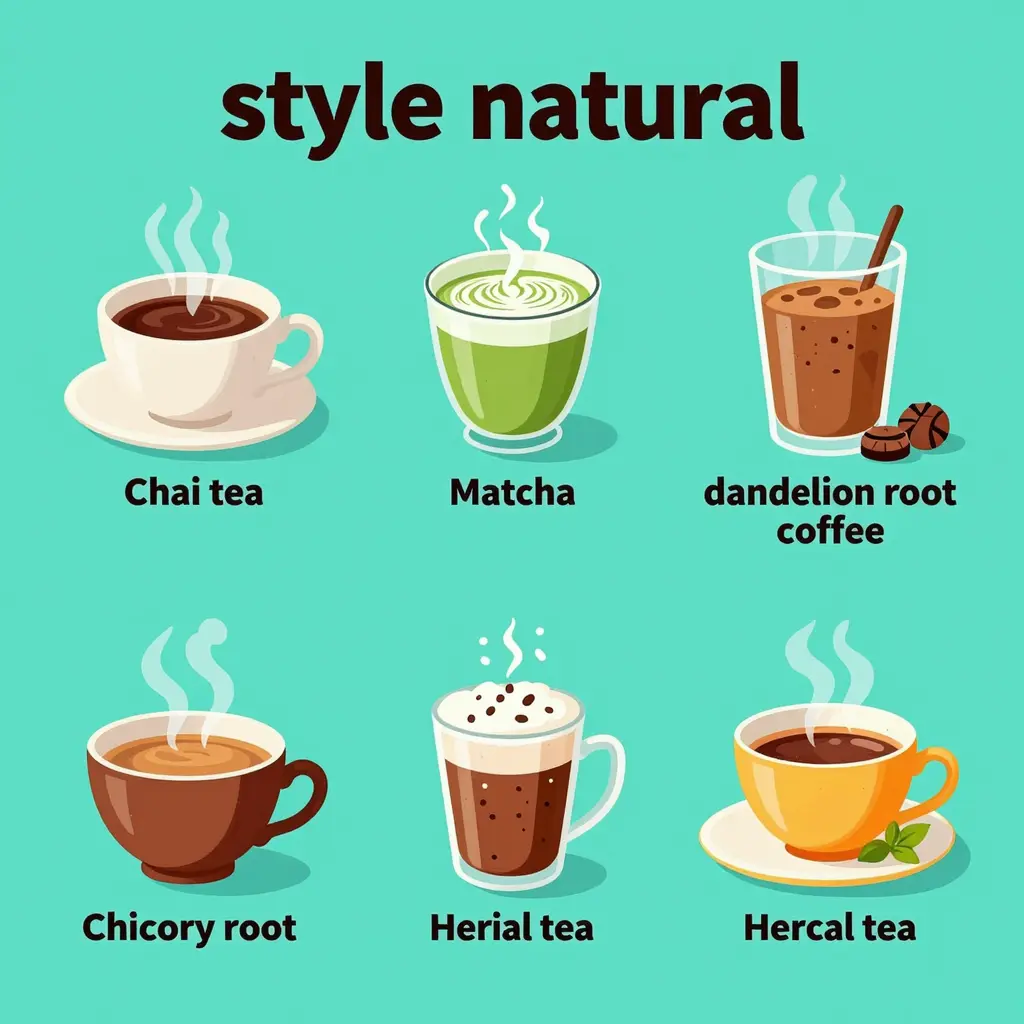

As business owners become increasingly aware of wellness trends, many are turning to coffee alternatives that offer various health benefits without the jitteriness commonly associated with traditional coffee. Here are some notable advantages you can enjoy by choosing these alternatives:
- Lower Caffeine Content
Many coffee alternatives, such as herbal teas, have significantly lower caffeine levels, making them less likely to cause anxiety or restlessness. This can lead to better mental clarity and focus throughout the day. For example, chicory root coffee is a famous caffeine-free alternative that can help you maintain energy without the crash typically experienced from high caffeine intake. If you’re interested, you can read more about it here.
- Improved Digestion
Some coffee alternatives, particularly those made from natural ingredients like chicory and various herbal teas, are known for their digestive benefits. Chicory coffee, for instance, can act as a prebiotic, promoting gut health and enhancing digestion. Additionally, turmeric and ginger teas can alleviate digestive discomfort and reduce inflammation, promoting overall wellness. For more information on digestive-friendly drinks, check out this resource.
- Additional Nutrients
Unlike traditional coffee, many coffee alternatives are packed with additional nutrients that can contribute to overall health. For example:
- Matcha: This finely powdered green tea is rich in antioxidants and can boost metabolism.
- Golden Milk: Typically made with turmeric and other spices, this drink offers anti-inflammatory benefits.
- Mushroom Coffee: Blends such as reishi or lion’s mane mushrooms are known to enhance cognitive function and provide a calmer energy boost.
Such alternatives can not only replace the energy boost from coffee but also provide additional health benefits that are appealing to any business owner focused on wellness.
- Hydration
Most coffee alternatives, particularly herbal teas and infused waters, help keep hydration levels in check. Adequate hydration is crucial for maintaining energy and focus, especially during long hours at work. Some options, like coconut water, are not only hydrating but also rich in electrolytes, making them an excellent choice for recovery after exertion.
Integrating coffee alternatives into your daily routine can significantly enhance your health and wellness while continuing to provide the energy boost you need. Considering options like Kirkland Organic Coconut Water can pave the way toward a more health-conscious beverage choice.
In conclusion, shifting toward coffee alternatives can lead to improved digestion, lower caffeine intake, enhanced hydration, and a wealth of additional nutrients. These benefits make such beverages not only a viable alternative but also a smart choice for health-conscious business owners looking to enhance both personal wellness and workplace productivity.
Table of Coffee Alternatives Comparison
| Alternative | Taste Description | Caffeine Content (mg) | Health Benefits |
|---|---|---|---|
| Chicory | Rich, nutty flavor reminiscent of coffee. | 0 | Aids digestion, antioxidants, and may reduce inflammation. |
| Matcha | Earthy and slightly sweet, smoother than coffee. | 35 | High in antioxidants, boosts metabolism, and enhances calm. |
| Yerba Mate | Herbal, grassy flavor with a hint of bitterness. | 85 | Provides energy, rich in antioxidants, and aids digestion. |
| Herbal Tea | Wide range of flavors, generally calming and soothing. | 0 | Anti-inflammatory, hydrating, and immune-boosting properties. |
| Golden Milk | Creamy and spicy, with a sweet hint from turmeric. | 0 | Anti-inflammatory, supports immune health, and improves skin. |
Visual Representation of Caffeine Content
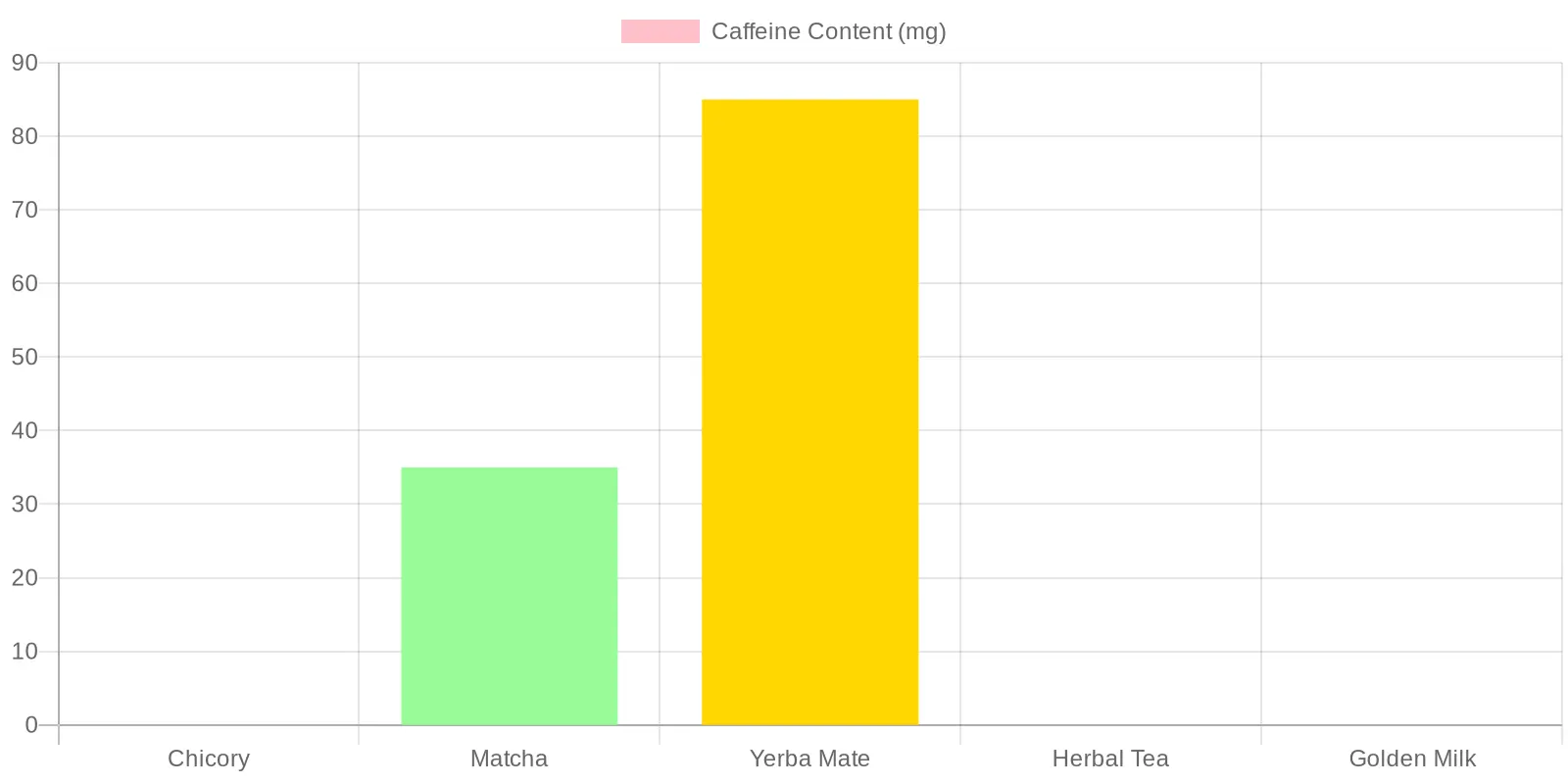
For more insights on healthy eating options, consider browsing through our comprehensive Costco food reviews.
This comparison highlights the diverse options available for those looking to replace coffee while still enjoying flavorful beverages. Whether your clientele is health-conscious or after unique tastes, these alternatives can be excellent additions to your offerings.
Switching to coffee alternatives can be a great way to avoid the jitters and digestive issues often associated with coffee consumption, while still enjoying flavorful beverages that enhance your wellness.
Unique Coffee Alternatives: Herbal Infusions for Business Owners
As the trend of exploring unique coffee alternatives continues to grow, herbal infusions stand out as a compelling option for business owners looking to diversify their beverage menu. Not only do these alternatives cater to health-conscious consumers, but they also add a distinctive twist to the typical coffee experience. Here’s a look at some herbal options that can appeal to patrons seeking something different.
Chicory Root
Chicory root coffee is a well-known alternative that mimics the taste of coffee without the caffeine. Derived from the root of the chicory plant, it has a slightly nutty flavor and can be blended with other herbal ingredients for a customized drink. This option can be particularly appealing for businesses aiming to reduce acidity levels in their beverages, making them gentler on the stomach.
Dandelion Coffee
Dandelion root can be roasted and brewed to create a coffee-like drink that is both aromatic and flavorful. Known for its detoxifying properties, dandelion coffee is rich in vitamins and minerals. This beverage can attract health enthusiasts and eco-conscious consumers, as it is often associated with natural wellness practices. Business owners might consider creating a lively marketing campaign around its health benefits to attract more customers. Learn more about the benefits of dandelion coffee.
Herbal Tea Blends
Herbal teas offer an extensive range of flavors and health benefits, making them versatile alternatives to coffee. Blends that include ingredients like ginger, turmeric, and mint can provide invigorating flavors that are not only refreshing but can also possess various health benefits, such as anti-inflammatory properties. Incorporating these herbal blends gives business owners the opportunity to craft unique iced teas or hot beverages suited to a variety of tastes.
Butterscotch or Caramel Infusions
While not herbal in nature, offering options like butterscotch or caramel-infused herbal drinks can provide a sweet alternative for those looking to spice up their beverage choices. These taste profiles paired with herbal teas or chicory can create a warm, comforting drink that appeals to a broader audience while remaining a coffee alternative. For business owners, creating unique drinks could not only enhance customer experience but also increase foot traffic as patrons share their discoveries with friends.
Innovation and Sustainability
Embracing unique coffee alternatives like herbal infusions allows business owners to promote sustainable practices by sourcing local herbal ingredients. This approach not only supports local farmers but also aligns with consumers’ increasing preference for health-oriented products. As more customers seek out unique beverages that offer health benefits, tapping into this trend can lead to increased engagement and loyalty.
Incorporating these distinctive beverage options can significantly enhance a menu, positioning businesses as innovative and health-conscious. For owner-operators looking to stand out in a competitive market, these herbal coffee alternatives present a fantastic way to innovate and cater to growing consumer preferences. Consider revamping your drink menu by introducing these intriguing selection options today! Explore additional beverage ideas for your cafe!

Conclusion: Embrace Coffee Alternatives
As we navigate the evolving landscape of workplace preferences and employee well-being, the benefits of exploring coffee alternatives become increasingly evident. This exploration not only caters to the diverse taste preferences of your workforce but also promotes a healthier lifestyle, aligning with today’s wellness trends. Options such as herbal teas, mushroom-based drinks, and chicory not only offer unique flavors but also health benefits such as improved digestion and enhanced mental clarity. For instance, beverages like kombucha and matcha can provide a more balanced and sustained energy boost without the jitteriness typically associated with coffee.
By introducing alternative beverages into your offering, you position your brand as one that values the health and preferences of its customers and employees. In a world where consumers are increasingly health-conscious, being attuned to their needs can enhance customer loyalty and satisfaction. Encourage your team to experiment with these refreshing options and promote them as part of your brand’s unique identity.
In conclusion, diversifying your beverage options may pave the way for increased engagement and satisfaction within your team. So why not take the plunge? Explore the myriad of options available and discover which coffee alternatives resonate best with your brand and clientele. Let your workplace be a hub of health-conscious choices that empower and energize every employee!

As business owners expand their beverage offerings, understanding the preferences of non-coffee drinkers can be crucial. Below is a comprehensive summary of user feedback on popular non-coffee drinks, focusing on taste, aroma, and overall satisfaction.
1. Kirkland Signature Organic Coconut Water
Coconut water has grown in popularity as a refreshing and hydrating alternative. Users particularly enjoy its natural sweetness and subtle coconut flavor, considering it an excellent option for health-conscious consumers. The light aroma is often described as pleasant, making it appealing to many. Overall satisfaction among users is high, with many noting its effectiveness in hydration during workouts. For an in-depth review, check out Kirkland Organic Coconut Water Review.
2. Kirkland Kombucha
Kombucha is appreciated for its refreshing taste and potential health benefits. Users express a liking for its fizzy texture and tart flavor, finding it a suitable alternative for traditional soft drinks. The aroma tends to be fruity and inviting, with flavors such as ginger and lemon being particularly favored. However, some consumers mentioned an acquired taste due to its vinegar-like qualities. Users generally report high levels of satisfaction, especially among those who prioritize gut health. More details can be found in the Kirkland Kombucha Review.
3. Honey Citron Ginger Tea
This tea combines sweet and spicy flavors, offering a comforting drink that many users find soothing, especially during colder months. The aroma is a delightful blend of honey and citrus, which users appreciate. Many users comment on its potential health benefits, including soothing sore throats and aiding digestion. Overall, satisfaction is high, with many noting that it can be enjoyed hot or cold. For more on this drink, see the review for Honey Citron Ginger Tea.
4. Kirkland Signature Pomegranate Juice
Pomegranate juice is praised for its rich flavor and antioxidant properties. Users frequently mention its slightly tart yet refreshing taste, making it a popular choice for those looking for a healthful drink. The juice’s aroma is robust and fruity, adding to its appeal. Overall satisfaction tends to be high, with users appreciating its versatility in cocktails or as a standalone drink. For deeper insights, visit the Kirkland Signature Pomegranate Juice Review.
5. Sparkling Water
Sparkling water continues to gain traction among consumers looking for a bubbly beverage without added sugars. Taste reviews highlight that while it may be simple, the refreshing fizz and various flavor options (like lime and strawberry) contribute to its popularity. Aromatic experiences vary depending on the flavor, but users generally find them to be light and appealing. Satisfaction levels are high as it offers an alternative to sugary sodas without sacrificing the bubbly experience.
Conclusion
In conclusion, business owners should consider diversifying their beverage selections with high-quality non-coffee drinks that resonate well with consumers. The drinks reviewed not only satisfy taste buds but also appeal to health-conscious consumers seeking refreshing alternatives. Whether it’s coconut water, kombucha, or herbal teas, providing a variety of options could enhance consumer satisfaction and potentially boost sales.
By paying attention to taste, aroma, and overall satisfaction, businesses can cater effectively to the growing demand for non-coffee beverages.
Frequently Asked Questions About Coffee Alternatives
If you’re a business owner exploring the world of coffee alternatives, you may have some pressing questions. Here are some frequently asked questions that can help you make informed decisions regarding these alternatives:
1. What are some popular coffee alternatives?
Coffee alternatives have gained popularity in recent years. Some well-known options include:
- Tea: Green tea and herbal teas can provide an energy boost without the jitters associated with coffee.
- Matcha: A type of powdered green tea, matcha contains antioxidants and offers a smoother energy lift compared to coffee.
- Chicory Root: Often used as a caffeine-free coffee substitute, chicory has a coffee-like flavor and contains prebiotics for gut health.
- Mushroom Coffee: Blending fungi like reishi or lion’s mane with coffee or coffee substitutes, this drink combines health benefits with familiar flavors.
- Golden Milk: Made with turmeric, this ancient drink is rich in anti-inflammatory properties and offers a warm, comforting alternative.
2. Are coffee alternatives healthier than coffee?
While coffee offers benefits such as improved focus and enhanced metabolism, alternatives can be healthier for certain individuals:
- Lower Caffeine Content: Many alternatives have significantly less caffeine, making them suitable for those sensitive to caffeine.
- Additional Nutrients: Some alternatives, like herbal teas, come packed with vitamins, minerals, and antioxidants, supporting better overall health.
- Digestive Benefits: Options like chicory and dandelion root can aid digestion and promote a healthier gut microbiome.
3. Do coffee alternatives taste like coffee?
Not all coffee alternatives taste like coffee. However, many are designed to mimic the rich, complex flavors of coffee:
- Roasted Chicory has a nutty, roasted flavor that closely resembles traditional coffee.
- Mushroom coffee can vary, but blends often aim to provide a similar experience with added health benefits.
4. What are the best coffee alternatives for energy?
- Yerba Mate: Known for its strong caffeine and nutrient content, yerba mate can provide a pick-me-up without the crash often associated with coffee.
- Kombucha: This fermented tea offers a unique flavor, probiotics, and a subtle boost of energy.
- Matcha is also touted for its steady energy release and mental clarity, making it a solid choice for many.
5. How do I choose the right coffee alternative for my business?
When selecting a coffee alternative to cater to your customers, consider the following:
- Taste and Preferences: Conduct taste tests to gauge customer preferences.
- Health Considerations: Understand your target audience’s health interests, such as caffeine sensitivity and dietary restrictions.
- Sourcing and Quality: Ensure that the alternatives are sustainably sourced and of high quality to maintain customer satisfaction.
For more resources on how to make informed decisions regarding food and beverages for your business, consider checking Costco’s Food Options for available products that may fit your needs.
By understanding the diverse landscape of coffee alternatives, you can broaden your offerings and cater to a wider audience, ensuring both health and flavor satisfaction among your customers.