
With an increasing emphasis on food safety and sustainability, understanding the consumption of expired quinoa has become crucial for business owners in the food industry. This article breaks down essential considerations regarding quinoa’s shelf life and best practices for storage, identifying spoilage signs, and recognizing food allergens. As the market sees a rise in health-conscious consumers, being informed about food expiration can aid businesses in making responsible and profitable decisions.
null
null
Decoding the Date: What Best Before Really Means for Expired Quinoa
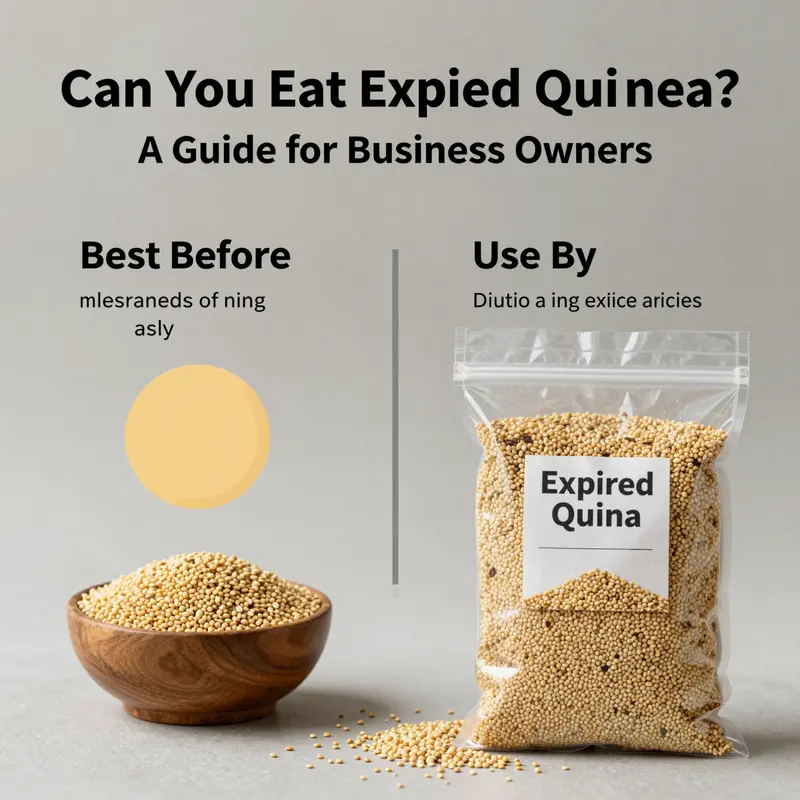
Quinoa sits quietly on pantry shelves, a small, dry grain with a surprising amount of staying power. When you reach for a bag and notice a date, your instinct may be to treat it as a safety deadline. Yet the reality is subtler. The label you’re looking at is most likely a Best Before date, not a Use By date. Understanding the difference is the first step toward making a confident decision about whether to cook that bag of quinoa or to replace it. Best Before is about quality, not safety. It promises peak flavor, best texture, and the fullest nutrition up to that moment, assuming proper storage. Use By, on the other hand, is a warning about safety for perishable foods. The grain in your pantry generally doesn’t fall into the perishable category, because quinoa is dry and has low moisture, which slows spoilage. In practical terms, this means a bag of quinoa can remain edible well past its Best Before date if it has been kept in a cool, dry place and the packaging remains intact. You may notice flavor or texture changes over time, such as a duller aroma or a crumblier, less fluffy cooked grain, but those changes don’t automatically signal a health risk. The line between safe and unsafe, however, is drawn by what you find when you inspect the bag, not by the date stamp alone. A smooth, clean bag with a tight seal is a good sign; a torn or compromised package invites closer scrutiny.
To approach expired quinoa with both caution and practicality, start with a visual and sensory check. Look for obvious signs of trouble: mold that appears fuzzy or powdery, or any evidence of insects that could have slipped into the bag during storage. A strange, sour, rancid, or off smell is a red flag, as is any noticeable discoloration that seems out of character for quinoa. These cues trump the date on the front. If you discover any of them, discard the quinoa rather than risking a spoilage-related illness. If the container remains pristine and the quinoa smells like quinoa at its best—nutty and mild—you’re likely in the clear to proceed. If you’re unsure, a tiny taste test after cooking a small portion can help you judge whether the texture and flavor align with your expectations. A stale or musty aftertaste isn’t dangerous, but it often isn’t enjoyable, and that may be enough reason to retire the bag.
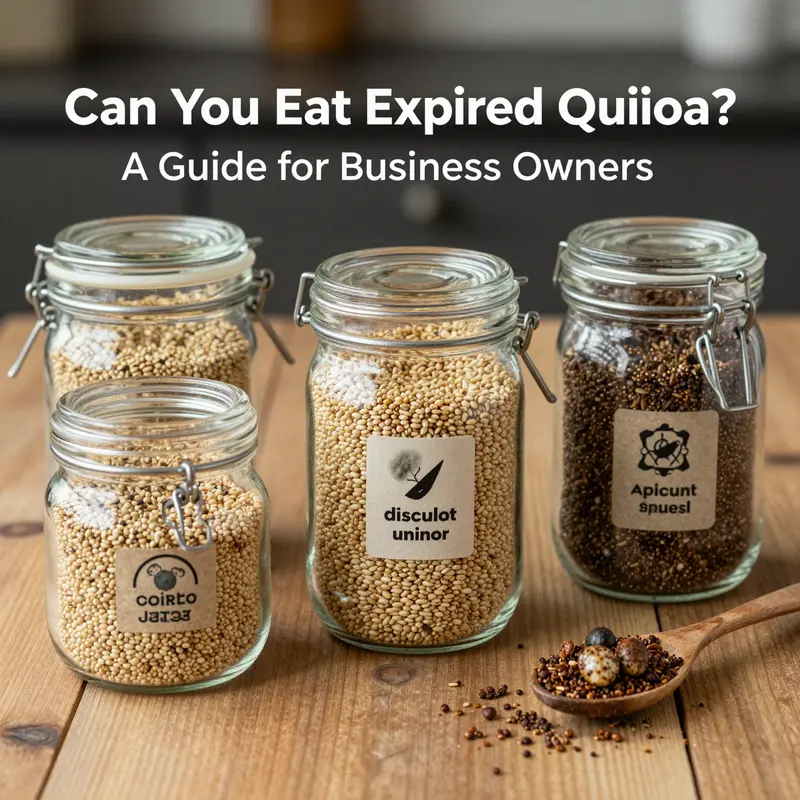
Storage habits matter just as much as the date itself. Quinoa should live in a cool, dry place, away from direct sunlight, with its moisture kept in check by a tightly closed container. Transfer from the original bag to a sealed jar or vacuum-sealed canister if possible. Moisture, warmth, and air are the trio that accelerate flavor loss and texture changes. For households that stock multiple grain types or that deal with fluctuating climates, a dedicated pantry space with a controlled temperature can extend the life of quinoa and other dry staples. The goal is to minimize exposure to heat and humidity, which can nudge the grain toward staleness even when safety isn’t in question. If you ever question the storage conditions, re-checking the packaging for any changes in smell or texture after a few minutes of letting it sit at room temperature can be informative.
Allergies further complicate the picture, especially with processed quinoa products that may carry allergen risks beyond the grain itself. Even when the product is past its Best Before date, ingredients and potential cross-contact still matter. Labels should be read with care, focusing on dairy, nuts, or other allergens that might be present in flavored or fortified varieties. The allergen information remains a critical piece of safety, and it serves as a reminder that a past date does not erase the labeling obligations that protect sensitive individuals. If you rely on specific ingredients for dietary needs, treat the date as secondary to a thorough label check and a careful assessment of the product’s integrity.
In weighing whether to cook and eat expired quinoa, it helps to approach the decision as a small risk assessment. If the bag is sealed, stored properly, shows no sign of spoilage, and you’re not dealing with known allergens of concern in the product, cooking a small test batch is reasonable. If the aroma, texture, and flavor come back as expected—nutty and light—it’s likely safe to eat. If any doubt remains after your inspection, err on the side of caution and discard. For broader guidance on food labeling and safety, consult official resources that outline how Best Before and Use By dates function within the food system. This understanding helps you make informed choices without feeling compelled to use a date as a hard boundary when it isn’t one.
For a quick reference beyond this chapter, you can explore general pantry guidance at this overview: https://costcofood.com/costco-food/ . This resource offers a broad lens on how to interpret storage recommendations and maintain quality across staple items, including dry grains like quinoa. When you need a reminder that date labels are imperfect signals, returning to such overviews can be helpful. And of course, if you’re seeking official, jurisdiction-specific guidance on labeling and safety, credible authorities provide the standards that underpin everyday decisions. In the United Kingdom, for instance, labeling guidance from the Food Standards Agency offers detailed context on what labeling means for consumers. External resource: https://www.food.gov.uk/food-labelling. Remember: best before is about quality, not safety. With careful storage, honest inspection, and mindful labeling, you can decide whether your expired quinoa deserves a second chance or a quiet farewell to the pantry.
When Time Ticks: Reading Expired Quinoa for Safe, Satisfying Meals
Quinoa sits quietly in many pantries, a dry seed that seems built for long storage. The question of whether you can eat expired quinoa is less about a hard deadline and more about how the grain was stored, what the label actually means, and what your senses tell you after a pause in use. Most products carry a best before date, not a use by date, which means the date signals peak quality rather than a sudden drop in safety. When quinoa is kept in a cool, dry place and kept sealed, the odds tilt toward safety even after the best before date has passed. The texture and aroma may evolve—fluffiness can wane, the seeds may seem a touch drier, and the flavor can drift toward less nutty than fresh—but those changes are about quality, not immediate danger. Still, the moment you decide to cook or eat expired quinoa, a careful, preventative approach matters. A quick sniff, a visual check, and a moment of good judgment can save you from wasting food or inviting a bite with off flavors or odd textures that warn you to set the dish aside.
In practice, the first line of assessment is simple: look, smell, and feel. If you open the package and detect mold or see insects creeping along the grains, discard it without hesitation. Mold is not something to negotiate; even small patches can indicate microbial growth that your body should not have to fight. A sharp or sour odor is another red flag. Fresh quinoa carries a neutral or mildly nutty aroma, while a rancid, sour, or musty smell signals spoilage beyond repair. Color can tell a story too. Quinoa that has darkened unevenly, developed green or gray spots, or shows fuzzy beginnings of growth is a sign to part ways with it. Packaging integrity matters as well; a torn or compromised bag invites pests or moisture, and both can accelerate deterioration long before any best before date becomes irrelevant.
Texture, too, is a telling clue. Dried quinoa should be dry, hard, and intact; any seeds that crumble excessively or feel unusually soft or oily may indicate moisture intrusion or fat breakdown in the case of prepped or seasoned variants. When you shake a batch and hear a noticeable clatter or see brittle grains snapping apart, you’re not just noticing age—you’re observing a change in physical stability that can translate into uneven cooking and less pleasant mouthfeel. A practical, low-risk test you might consider is a simple water test after storage. Place a small handful in a glass of water. If the water becomes cloudy more quickly than expected, or if the grains float in odd ways and leave behind a slimy film, those signals align with degradation rather than quality. None of these checks is a guarantee, but together they form a reliable picture: clean, clear cues support a confident decision to cook, while any troubling signs point toward discarding.
Even when the packaging looks pristine and the quinoa passes smell and texture checks, there remains an important precaution: allergens. Some dry grain products may bear labeling that reveals ingredients or processing practices that matter to people with dairy, nut, or other allergies. Past the best before date, allergen warnings stay legally binding and must be read carefully. The presence of an allergen on a label turns what might feel like a minor risk into a serious health consideration, so reading labels thoroughly is essential every time you reach for dried grains, not just when the date is near.
If your quinoa clears the inspection—no mold, no off odor, no discoloration, and a sturdy, dry texture—you can proceed with reasonable confidence. The practical takeaway is that expired does not automatically mean dangerous; it means you should apply a careful litmus test and make your decision based on observable signs of spoilage. Proper storage continues to play a central role in keeping quinoa safe and palatable. Store in a cool, dry place in an airtight container away from heat and humidity. This preserves not only safety but the delicate, nutty character that makes quinoa appealing when cooked properly. In terms of longevity, the grain can remain usable for years if kept dry and sealed, though most guidance suggests using it within two to three years to enjoy optimal flavor and texture. If you ever doubt the condition of the grains, err on the side of caution and discard rather than risk a meal that tastes stale or, worse, causes discomfort.
To deepen your understanding of safe storage and handling for dry goods, consider consulting official food safety guidance that covers best practices beyond quinoa itself. For a broader perspective on how to manage dry staples in your kitchen, you can explore resources that discuss the essentials of safe storage, the importance of moisture control, and how to recognize spoilage across dry grains. This broader context helps you become a more confident, informed cook who can decide, with clarity, whether a past date is still a green light for your plate. And for ongoing tips on navigating pantry staples and making sense of guidelines, you can find a helpful overview at Costco Food. This resource connects to wider discussions about how households manage groceries and maintain quality through careful storage and mindful inspection. Read more at Costco Food.
Finally, if you want authoritative, formal guidance that anchors these practical tips in established standards, consult external guidelines from food safety authorities. The U.S. Department of Agriculture’s Food Safety and Inspection Service offers dry goods storage guidelines that spell out the expectations for keeping grains safe from moisture, pests, and temperature fluctuations. Their recommendations reinforce the idea that the best before date is a quality marker, not a safety cutoff, and that the best protection comes from proper storage and vigilant spoilage checks. You’ll find the official guidance here: https://www.fsis.usda.gov/food-safety/safe-food-handling-and-preparation-guidelines/dry-goods-storage. By aligning household practices with these standards, you sustain not just the safety of expired quinoa but the overall reliability of pantry staples whenever you reach for them.
When Quinoa Surfaces: Allergens, Expiration, and the Everyday Guide to Safe Dry-Grain Storage
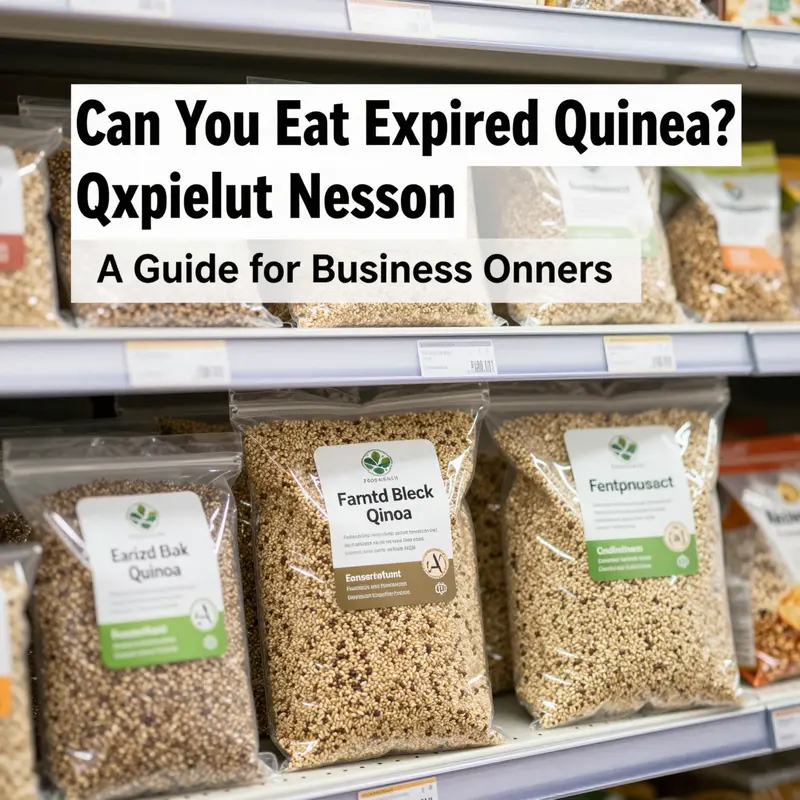
Expiration does not automatically mean spoilage for quinoa; shelf life depends on storage. Best-before denotes peak quality, not safety. Quinoa is dry and shelf-stable, and when kept cool, dry, and in an airtight container, it can stay usable beyond the printed date. Moisture, heat, or damaged packaging elevate risk. Signs of spoilage include mold, off odors, discoloration beyond a color change, or unusual clumping. If you notice any of these, discard. Allergies matter: quinoa is not among the top eight, but cross-contamination in processing facilities can occur, so always read labels and consider facility exposure to other allergens. In practice, inspect with your senses and decide: if it looks, smells, and feels normal and was stored dry and sealed, it can be used; if unsure, err on the side of caution and discard. For more guidance on dry grains, refer to reputable food-safety resources.
Final thoughts
Understanding the complexities of expired quinoa consumption and the associated safety measures is essential for food business owners. It helps in making informed decisions that not only ensure quality and safety for consumers but also promote sustainability in food practices. Regularly assessing expiration dates, recognizing spoilage, and being aware of allergens can significantly enhance operational effectiveness and consumer trust in your business.