

Introduction to Coffee Milk
Coffee milk is more than just a beverage; it is a cultural staple with deep roots, particularly in New England, USA. This delightful drink combines milk with a special coffee syrup, resulting in a sweet, creamy concoction that stands apart from traditional coffee drinks. Unlike popular espresso-based beverages such as lattes and cappuccinos, coffee milk offers a simpler yet equally satisfying experience, appealing especially to those looking for a nostalgic, lower-caffeine alternative.
For business owners in the coffee industry, understanding the significance of coffee milk is crucial. It represents a unique market opportunity, catering to consumers who appreciate sweetened coffee drinks with a milder flavor profile. As specialty coffee continues to dominate consumer preferences, integrating coffee milk into your menu could attract a broader customer base, particularly younger patrons seeking a taste of comfort and tradition. By focusing on regional favorites like coffee milk, coffee businesses can differentiate themselves in a competitive market, potentially leading to greater customer loyalty and enhanced profitability. To further explore popular coffee options, check out Costco’s coffee reviews.
Understanding the Flavor Profile of Coffee Milk
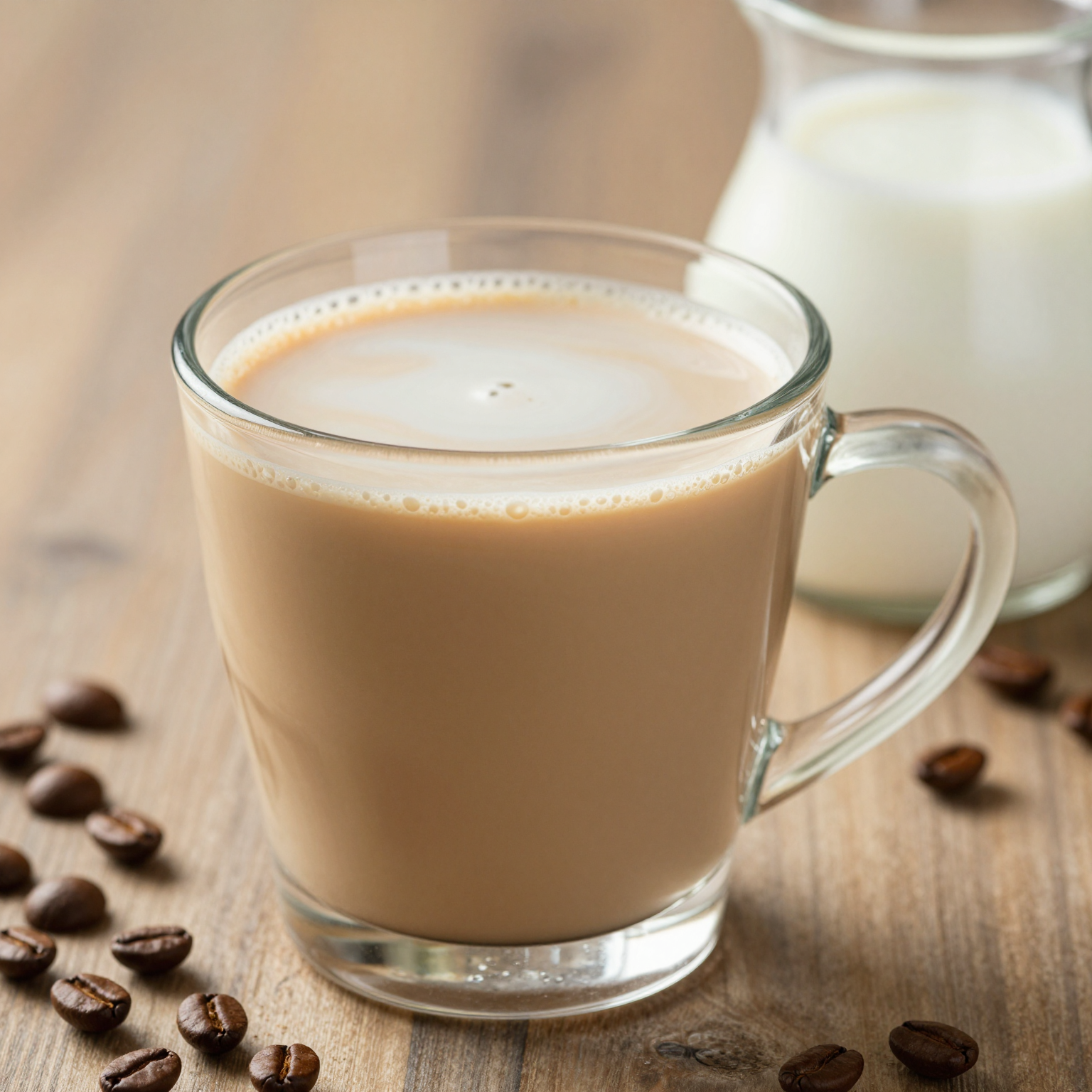
Coffee milk, a delightful blend of coffee and milk, offers a unique flavor experience that stands apart from regular coffee or other popular beverages. Originating in the 17th century as a result of Dutch colonial influence, coffee milk has evolved into a beloved staple in regions like Rhode Island, where its rich, creamy texture and balanced sweetness frequently appeal to those who may find black coffee too intense.
Unique Taste Characteristics
The flavor profile of coffee milk is distinctly characterized by:
- Balanced Bitterness: Unlike regular coffee, which often emphasizes acidity and strong bean characteristics, coffee milk integrates coffee with milk, softening the harshness. The result is a mild bitterness complemented by the sweetness of lactose in the milk.
- Rich, Velvety Mouthfeel: The fat content in milk creates a smooth, creamy texture that enhances the drink’s mouthfeel, making it more inviting. Whole milk adds a depth of flavor, while non-dairy alternatives like oat or almond milk contribute unique nutty or earthy notes.
- Natural Sweetness: The lactose in milk provides a subtle sweetness that contrasts the coffee’s bitterness, creating a pleasing balance that is different from beverages like hot chocolate, which is often overtly sweet.
Comparison with Regular Coffee and Other Beverages
While regular black coffee focuses on the pure, intense flavors of coffee beans, coffee milk presents a gentler approach. It serves as a gateway beverage for those new to coffee, offering a comforting, creamy drink that is less intimidating.
When compared to beverages like milk tea or hot chocolate, coffee milk stands out in its interplay of caffeine stimulation and dairy richness, without succumbing to overwhelming sweetness or tannin levels. Moreover, the addition of milk enhances aromas and reduces perceived bitterness and acidity, creating a smoother drinking experience that is both satisfying and accessible.
For business owners, understanding this flavor profile provides insight into consumer preferences-particularly for those seeking innovative beverage options. By including coffee milk in product lines, businesses can attract a diverse customer base, catering to both coffee enthusiasts and newcomers alike.
Comparing Popular Coffee Milk Brands
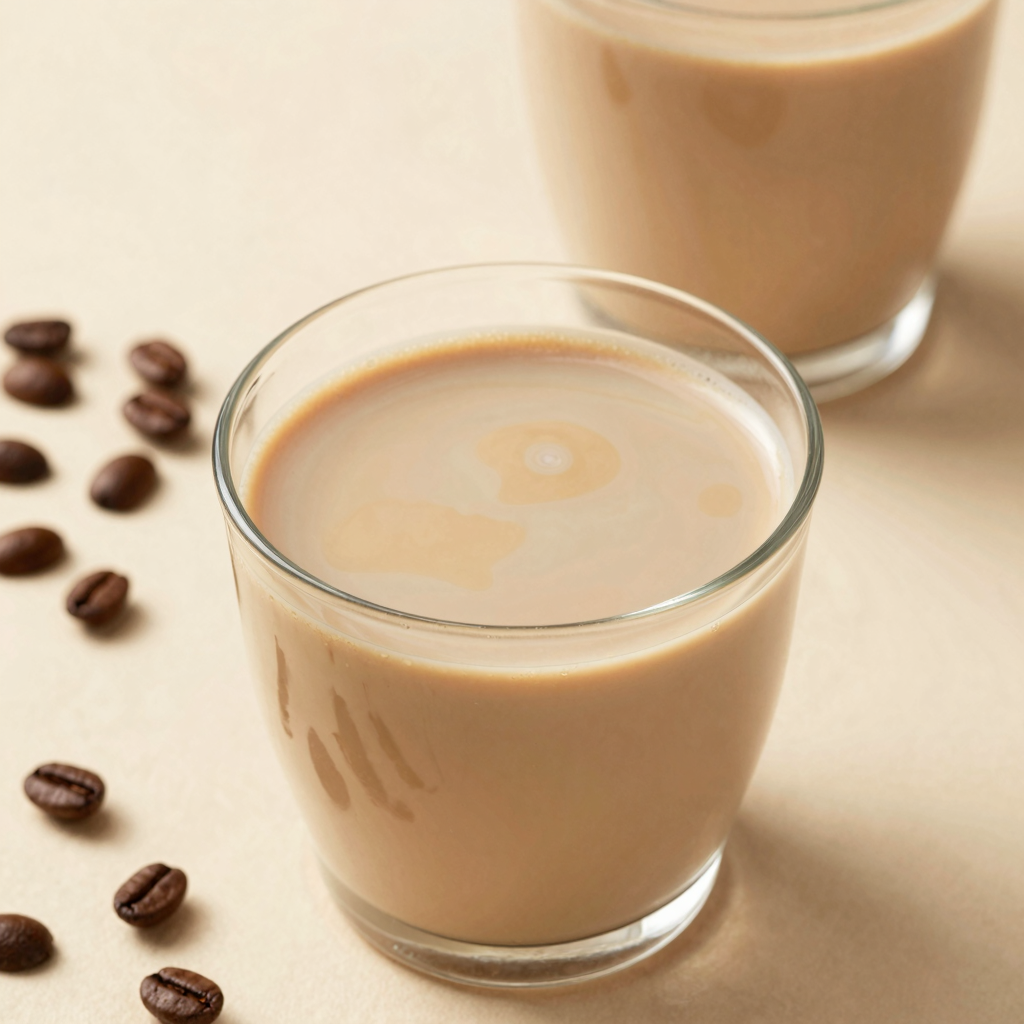
When it comes to enhancing your coffee experience, choosing the right coffee milk can make all the difference. Below is a comparison of several popular coffee milk brands based on flavor notes, sweetness, and price. This information is essential for business owners who want to offer the best options to their customers or choose a personal favorite.
| Brand | Flavor Notes | Sweetness | Price (per liter) |
|---|---|---|---|
| Globemilk (荷高) | Smooth, rich milk flavor | Moderate, natural sweetness | ¥16.5 (approximately $2.50) |
| One’s Member (1号会员) | Thick, slightly sweet | Moderate | ¥10.5 (approximately $1.60) |
| Fresh Taste (鲜美赞) | Pure taste with caramel hints | Moderate | ¥6.5 (approximately $1.00) |
| Oldenburger (欧德堡) | Rich milk flavor with no heaviness | Low, naturally sweet | ¥1.5 per pack (≈ $0.25) |
| Junlebao (君乐宝) | Smooth, natural taste | Low, no added sugars | ¥7.8 (approximately $1.20) |
This table gives a quick overview for selecting the best coffee milk for either personal use or business offerings. If you’d like to delve deeper into coffee options, learn more about coffee choices here.
Consumer Preferences for Coffee Milk in Cafes and Restaurants
As coffee culture continues to evolve, consumer preferences for coffee products, especially coffee milk, showcase interesting trends in cafes and restaurants. The data from recent studies indicates a shifting focus among consumers towards quality, experience, and innovative product offerings.
Coffee Product Preferences
Based on the latest insights, the following statistics reveal the preferences for various coffee products:
| Coffee Product | Percentage of Consumers |
|---|---|
| Ready-to-drink coffee | 66.4% |
| Cappuccino | 61.5% |
| Latte | 49.9% |
| Iced coffee | 43.1% |
| Hot coffee | 43.9% |
These figures suggest not only a preference for coffee milk but also a greater interest in ready-to-drink options which may include pre-packaged coffee milk as a viable choice in many establishments.
Trends and Insights
As younger generations embrace coffee as part of a healthy lifestyle, coffee milk is gaining traction as a nutritious and flavorful choice. Data shows:
- Health Consciousness: A growing number of consumers, particularly between 18 to 35 years old, are prioritizing low-fat and nutritious options, likely increasing the demand for coffee milk products that align with these values.
- Flavor Preferences: Innovative flavors such as iced coffee and variations like oat milk lattes are gaining popularity. As coffee shops experiment, offerings that include coffee milk can benefit from this trend.
- Experience Over Convenience: More than 66% of consumers are inclined to purchase fresh coffee made at specialty coffee shops, suggesting that the ambiance, service, and product presentation significantly influence purchasing decisions.
The Role of Cafes and Restaurants
For business owners, adapting to these consumer preferences can enhance competitiveness. Incorporating coffee milk into menus, optimizing the presentation, and ensuring high-quality ingredients can attract a diverse customer base. Additionally, promoting the health benefits associated with coffee milk could appeal greatly to health-conscious consumers.
In conclusion, coffee milk is not just a nostalgic treat but an emerging favorite among consumers, particularly when positioned within innovative coffee offerings. To capitalize on the growing trend and consumer interest, cafes and restaurants should consider ways to integrate coffee milk into their menus thoughtfully.

For more insights on coffee-related products, don’t forget to check our Costco coffee reviews and explore how to enhance your menu offerings effectively.
Benefits of Offering Coffee Milk in Cafes
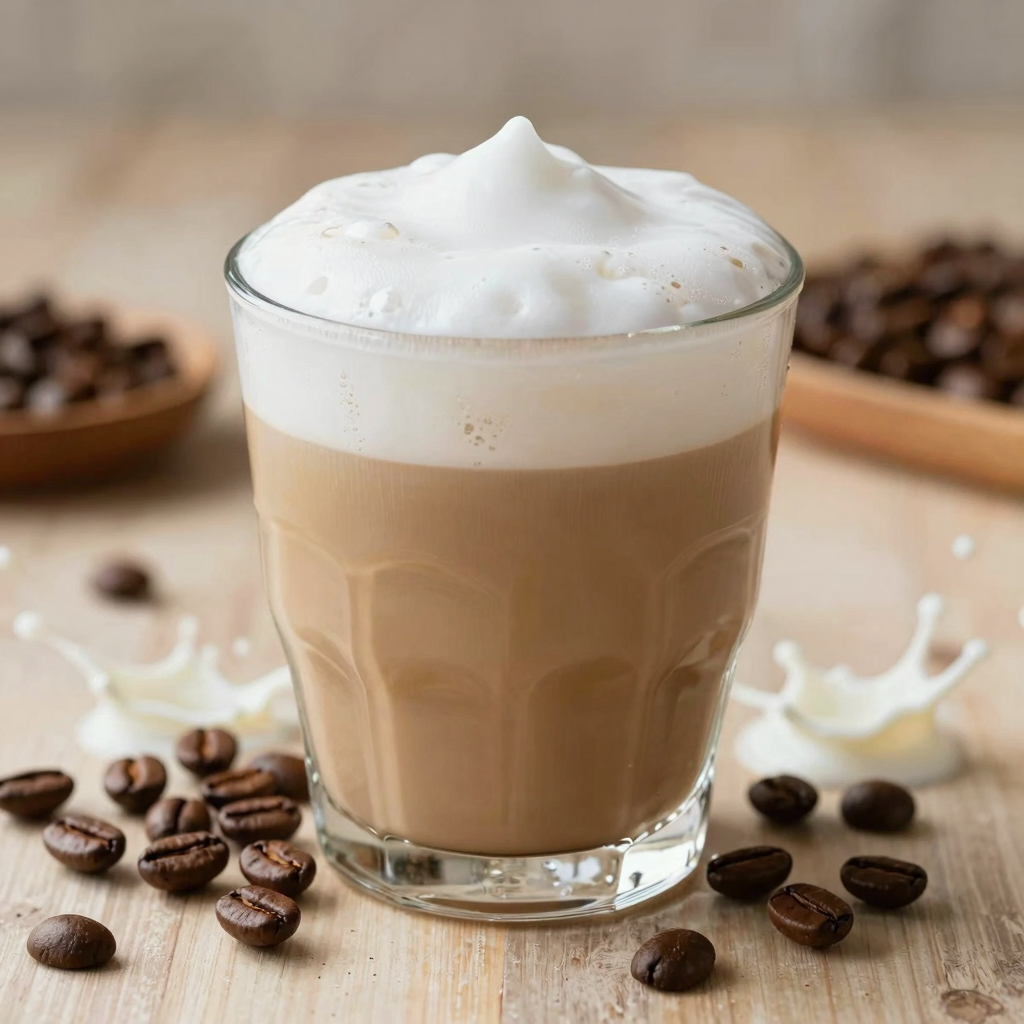
Adding coffee milk to your cafe menu can provide numerous benefits, enhancing both customer satisfaction and your establishment’s unique selling points. Here’s a look at several compelling reasons to consider this creamy coffee combination:
-
Improved Taste: Coffee milk, with its creamy texture, softens the bitterness of coffee, making it more appealing to a wider audience. This can attract customers who may typically avoid black coffee but are willing to try a sweeter, smoother version.
-
Nutritional Benefits: Coffee milk can be a source of essential nutrients. Milk is rich in protein, calcium, and vitamin D, which not only improves the drink’s nutritional profile but also supports bone health. Explore more about nutritional offerings.
-
Reduced Stomach Irritation: For those sensitive to coffee’s acidity, adding milk creates a protective layer in the stomach, lessening the likelihood of discomfort. This makes coffee milk a suitable choice for customers with sensitive stomachs or acid reflux issues.
-
Enhanced Antioxidant Effects: Research indicates that the combination of coffee and milk enhances antioxidant and anti-inflammatory properties. The blend helps to stabilize beneficial compounds, making it a healthier beverage option. This can help in positioning your café as a health-conscious choice in the local market. Learn more about the health benefits of blended beverages.
-
Varied Dietary Options: Offering coffee milk can extend your menu’s appeal by including low-fat, non-fat, or plant-based milk alternatives. This inclusivity attracts a wider range of customers, including those who are lactose intolerant or following vegan diets.
-
Increased Customer Satisfaction: By providing a unique drink option that is both comforting and modern, cafes can increase customer loyalty and satisfaction. When customers discover something they enjoy, they are more likely to return.
Incorporating coffee milk into your cafe can differentiate your menu while meeting diverse customer preferences. It offers a blend of taste, health, and inclusivity that can enhance your café’s business potential.

Health Aspects of Coffee Milk
Coffee milk, a unique blend of coffee syrup and milk, has garnered attention not only for its taste but also for its potential health benefits and implications. As consumers become more health-conscious, understanding the nutritional value and health considerations of coffee milk is crucial for business owners in the food and beverage sector.
Caffeine Content
The caffeine content in coffee milk is generally lower than that in regular coffee. An 8-ounce serving of coffee typically contains about 95 mg of caffeine, whereas the same amount of coffee milk generally provides approximately 60 to 80 mg, depending on the formulation (Healthline). This reduction in caffeine may appeal to those who are sensitive to its effects or who wish to moderate their intake.
Nutritional Benefits
Coffee milk features several nutritional benefits, primarily due to the combination of milk nutrients and the bioactive compounds in coffee. Here’s a closer look at its nutritional profile:
- Calories: About 300-400 calories per serving, depending on the milk used.
- Proteins: Rich in high-quality proteins derived from milk, which are crucial for muscle repair and overall health.
- Calcium and Vitamin D: Significant amounts are present thanks to the milk, important for bone health (source).
Moreover, combining coffee with milk has been shown to enhance the anti-inflammatory effects of traditional coffee. A study reported that the polyphenols in coffee interact with dairy proteins, providing potential additional health benefits such as improved gut health and reduced systemic inflammation (People’s Daily).
Positioning in a Health-Conscious Market
In recent years, coffee milk has found a niche in the health-oriented market, touted for its dual benefits. Its ability to lower acidity can be gentle on the stomach, making it more appealing to those who experience digestive issues with regular coffee. Additionally, the proper formulation-such as using low-fat or plant-based milk options-can cater to dietary preferences and restrictions, further expanding its consumer base (
Zhihu).
By positioning coffee milk as a functional beverage with fewer side effects than traditional coffee, business owners can tap into a growing market of health-conscious consumers seeking flavorful alternatives without compromising their well-being.
Coffee Milk Sales Growth Chart
The following chart illustrates the growth in coffee milk sales over the past four years, highlighting significant annual increases. This data is crucial for business owners looking to understand market trends in the beverage industry.

Figure: Growth in Coffee Milk Sales (2020-2023)
| Year | Sales (Million Units) | Year-on-Year Growth (%) |
|---|---|---|
| 2020 | 200 | – |
| 2021 | 300 | +50.0% |
| 2022 | 400 | +33.3% |
| 2023 | 600 | +50.0% |
This sales data suggests a robust growth trajectory; understanding these trends can inform strategic decisions for retailers and suppliers alike. For more insights about beverage options available at Costco, learn more here.
Conclusion
In today’s competitive market, business owners must continually seek innovative ways to enhance their product offerings and engage customers. Coffee milk, a unique blend of coffee syrup and milk, provides a distinctive taste that not only satisfies taste buds but also differentiates your business from competitors. By incorporating coffee milk into your menu, you capitalize on the growing trend towards diverse and customized beverage options.
Key Benefits of Adding Coffee Milk:
- Unique Flavor Profile: Coffee milk boasts a rich, sweet flavor that appeals to a wide range of customers. It offers a comforting experience, similar to chocolate milk, making it a perfect addition to any beverage menu.
- Health Benefits: Studies suggest that the combination of coffee and milk may enhance anti-inflammatory properties and provide vital nutrients like calcium and protein, promoting a health-conscious image for your brand (more on this here).
- Cultural Appeal: Coffee milk is gaining traction, especially in regions where it is traditionally popular. By offering it, you not only cater to existing fans but also introduce newcomers to this delightful beverage.
- Potential for Higher Profit Margins: By optimizing the use of quality ingredients and controlling portion sizes, you can maintain profitability while still offering a premium product. Efficient stock management also plays a role in reducing waste and increasing overall revenue (learn more about managing costs here).
Call to Action
Now is the time to embrace the rich tradition of coffee milk and add it to your offerings. Explore supplier options, refine your recipes, and market them creatively to attract customers looking for new and exciting choices. By doing so, you can enhance your brand identity, increase customer satisfaction, and ultimately drive sales. Don’t miss out on this flavorful opportunity!
Expert Insights on Coffee Milk
“Milk doesn’t just dilute coffee; it interacts chemically to soften acidity and enhance sweetness. The key is temperature-using milk at the ideal 60-70°C (140-160°F) brings out the best in both components.”
- James Hoffmann, renowned coffee expert and barista champion (source).
Understanding the balance between coffee and milk can significantly enhance your offerings. For more details on coffee products, check out our guide on Costco’s coffee selection.