
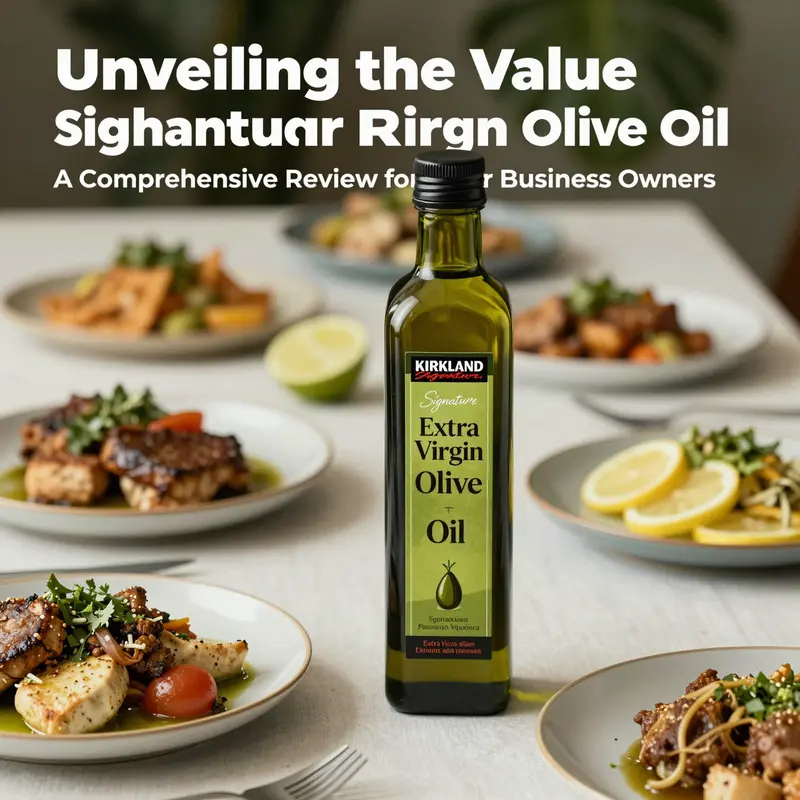
In the culinary landscape, choosing the right ingredients can significantly impact the success of a business, especially in food and hospitality sectors. One standout product that continues to gain acclaim is Costco’s Kirkland Signature Extra Virgin Olive Oil. This article explores the multifaceted benefits of this olive oil, backed by rigorous testing and consumer feedback. We will delve into its quality verification and testing process, dissect its flavor profile and culinary applications, evaluate its pricing and overall value for money, and discuss its freshness and shelf life. Such insights can empower business owners to make informed purchasing decisions that enhance both their offerings and bottom line.
Quality Verification and Testing: How a Warehouse-Club Extra Virgin Olive Oil Stacks Up Under Scrutiny
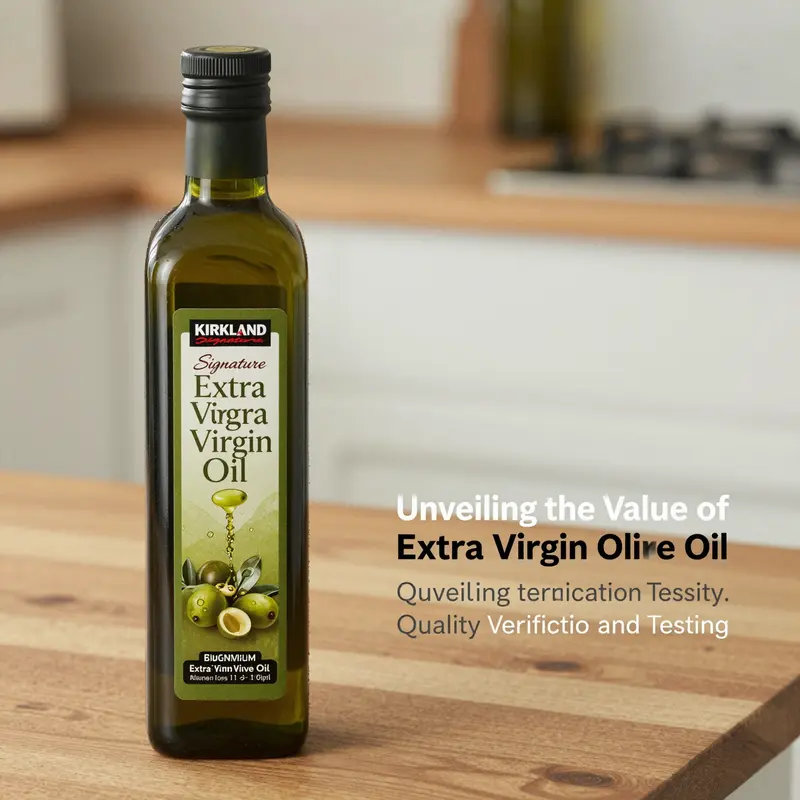
When shoppers reach for a bottle labeled as extra virgin olive oil in a warehouse club, they are often choosing between a reasonable price and the reassurance of quality. The narrative around a warehouse-club private label oil has long been pressed by two questions: Is the product genuinely extra virgin, and does it stand up to the same standards as boutique EVOOs that fetch higher prices? The answer, as recent independent evaluations suggest, can be more nuanced and compelling than the price tag implies. This chapter weaves together the threads of chemistry, sensory science, and practical consumer experience to explain how such an oil earns its place on serious kitchen shelves. It is not a boast about a brand lineage or a marketer’s claim but a pausing at the bench to consider what actually makes EVOO good—and how a mass-market option can meet those criteria through robust verification and thoughtful handling from harvest to bottle.
At the heart of any EVOO definition lies a double standard: chemical quality and sensory excellence. Extra virgin status is not simply a matter of aroma or taste; it is a declaration that the oil has been produced from fresh olives using a cold-press or equivalent method, with acidity and oxidative state kept in strict bounds. The most cited chemical indicators include free fatty acid content and peroxide value. A low free fatty acid level signals minimal processing damage and freshness, while a low peroxide value indicates that the oil has resisted oxidation up to the point of analysis. Taken together, these metrics illuminate how the oil would perform in the kitchen and how it might deliver the health benefits associated with EVOO. Across independent studies and blind testing, oils that meet or surpass EVOO thresholds demonstrate consistency in flavor, stability, and consumer appeal. This is the scientific baseline that allows a store-brand, mass-market option to be compared with premium lines on a level field rather than at a distance created by price alone.
Beyond the chemistry, the true test of EVOO rests on sensory evaluation. A high-quality EVOO tends to present a fresh, green-fruity bouquet with notes that remind tasters of freshly cut grass, green almond, tomato leaf, or artichoke. The finish is frequently peppery or mildly bitter, a sign of high phenolic content and vitality in the oil. The sensory profile matters not only for the palate’s pleasure but also as a proxy for freshness and resistance to rancidity. When the palate encounters a balanced oil—bright fruit with a gentle bitterness that lingers—there is a sense of craftsmanship in the processing that respects the integrity of the fruit. A sound private-label EVOO can deliver this sensory experience if the olives are harvested at the right stage, pressed promptly, and stored in a way that protects those delicate compounds from light, heat, and air.
The verification narrative does not end with lab results or tasting notes. It extends into the practicalities of how the product is labeled and presented to the consumer. A transparent label provides essential cues: the country of origin or blend of origins, a harvest date or bottling date, and any certifications such as organic status where applicable. These details are not mere marketing garnish; they are practical signals of freshness and traceability. The best label storytelling aligns with the product’s actual performance in chemical tests and sensory panels. In other words, a credible EVOO is one that can be traced back from the bottle to harvest timelines and production methods, with documentation that backs up the claims on the front label.
Packaging and handling play a crucial role in preserving quality after bottling. EVOOs are particularly sensitive to light, heat, and oxygen. The use of dark glass or opaque containers helps shield the oil from photooxidation, while the bottle’s closure and seal help minimize oxygen ingress. Storage recommendations matter just as much as the bottle’s design. For the consumer, this translates into simple, pragmatic practices: store upright in a cool, dark place, use within a reasonable window after opening, and avoid exposing the bottle to sunlight or heat during a pantry raid or a picnic. These considerations are not trivial; they are the bridge between laboratory-grade quality and the oil’s everyday culinary utility.
In this context, the integrity of a warehouse-club EVOO rests on a chain of verifications that extend from the field to the kitchen. Industry-standard testing often borrows from established institutions and consensus bodies that calibrate what counts as low acidity and low peroxide in real-world samples. Independent laboratories, including those affiliated with university olive oil research centers, perform blind analyses that assess acidity, peroxide, and additional markers that reveal oxidative state and overall quality. These labs also conduct sensory analyses using trained panels to identify defects or confirm the oil’s positive attributes. The convergence of chemical data and sensory impressions is what makes the EVOO claim robust and credible. In recent cycles of testing and consumer feedback, such oils have consistently demonstrated that quality and value are not mutually exclusive, and that a well-managed private-label offering can achieve EVOO-level performance at a price that remains accessible to everyday cooks.
Another layer of credibility comes from third-party oversight. Reputable bodies like the International Olive Council and the USDA Organic Program provide frameworks for authenticity and organic verification, respectively. When an EVOO brand aligns with these frameworks, it earns a level of trust that is difficult to replicate with marketing words alone. For consumers who want more than a glittering label, the presence of third-party testing and certification offers a concrete reference point. It is not a guarantee of perfection in every bottle—no single batch exists in a vacuum—but it is a meaningful assurance that the oil has been subjected to standardized tests and oversight beyond the company’s own claims.
What this means in the real world is that a warehouse-club EVOO, properly sourced and responsibly stored, can deliver a sensory experience and chemical reliability that rival boutique labels—without the premium price. The appeal is not merely financial. It is about enabling more cooks to cook with confidence. The practicality of obtaining a high-quality EVOO at a lower cost amplifies the opportunity to experiment. It encourages large-batch cooking, intuitive pantry stocking, and the frequent use of olive oil as a primary ingredient rather than a luxury upgrade. A cheaper, consistently reliable oil helps home cooks take chances with dressings, marinades, and finishing oils without the nagging worry of compromising quality.
Of course, readers should still approach a new purchase with a few considerations in mind. First, scrutinize the label for origin information and a visible date. A harvest date or bottling date close to the purchase date increases the likelihood that you are sampling a fresh product with vibrant phenolics. Second, observe the packaging. Dark glass or other light-protective materials are a good sign. Third, consider the oil’s sensory short list: a bright, green aroma; a harmonious balance of fruit and grassy notes; and a peppery finish that leaves a trace on the back of the throat. If a bottle aligns with these cues and is backed by credible lab data and third-party oversight, it is reasonable to trust that it delivers EVOO-grade performance at a price that makes sense for daily use.
In the broader arc of the article, this chapter’s message complements the idea that value can sit comfortably beside quality. It is not about chasing rarefied oils or prestige labels, but about recognizing that independent testing and thoughtful handling can elevate a widely available product into a kitchen staple that performs beyond its price tier. When home cooks learn to verify labels, read dates, and appreciate the signs of freshness, they gain a practical toolkit for assessing EVOO across brands and channels. The result is a cooking culture that values science and taste in equal measure, and a pantry that can sustain flavorful, healthful meals without tipping into luxury-only territory. The takeaway is straightforward: credible EVOO from a mass-market source can deliver a reliable sensory profile, stable chemistry, and genuine culinary versatility when it is produced with attention to harvest timing, processing, packaging, and transparent labeling.
To expand the reader’s understanding of verification, it is helpful to connect these ideas to the broader scientific literature. Analytical methods for EVOO authenticity often involve chemical profiling and sensory evaluation, with recent studies illustrating how statistical analyses of these signals distinguish genuine EVOO from adulterated products. This body of work underpins the practical advice offered here: look for objective indicators alongside taste, and favor oils that have been tested by independent laboratories or recognized institutions. The convergence of chemistry and sensorial science is what lends credibility to the claim that a widely available private-label EVOO can be both affordable and genuinely high quality. For readers who want to explore the technical underpinnings, the literature provides rigorous methods for validating EVOO authenticity and quality beyond consumer intuition.
For further reading on analytical approaches to EVOO verification and the integration of chemical profiling with sensory data, see the peer-reviewed study on this topic in the scientific literature. In addition, trusted consumer and industry sources offer practical guidance on label interpretation, labeling standards, and how to interpret third-party certifications. As with any food product, informed choices come from a combination of laboratory verification, transparent labeling, and firsthand sensory experience in the kitchen. In this way, the consumer gains not only a bottle but a reliable tool for elevating everyday cooking to something consistently satisfying. The conversation about value, science, and taste continues to evolve, and it is precisely this evolution that makes a mass-market EVOO a compelling option for cooks who value both economy and quality. To explore a broader context of grocery-store oils and their testing, you can visit a general resource hub on warehouse-club food offerings. Costco Food Overview.
External reference for analytical methods and validation frameworks: https://www.sciencedirect.com/science/article/pii/S1369703X24002855
From Aisle to Table: The Costco Store-Brand EVOO That Elevates Everyday Cooking
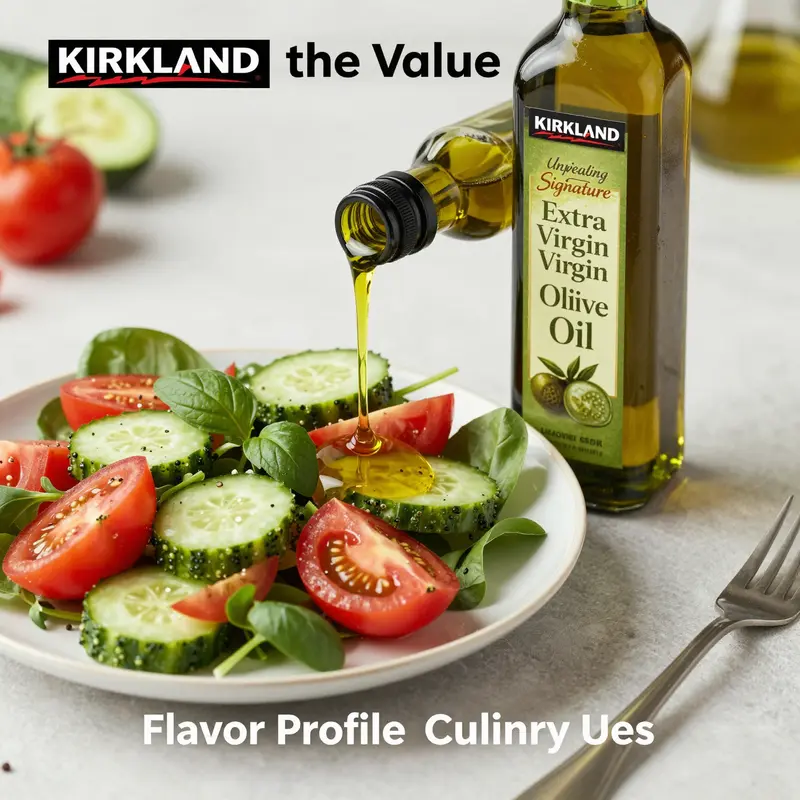
The Costco store-brand extra virgin olive oil has earned a durable reputation among home cooks and culinary professionals alike. It isn’t only a budget option marketed to price-conscious shoppers; it has become a reference point in conversations about value, quality, and everyday versatility. What sets this oil apart isn’t simply its price. It rests on a tripod of verified quality, nuanced flavor, and practical freshness that can influence how a family’s weekly menu tastes and feels. In short, it is a compelling case study of how a private-label product can bridge the gap between laboratory analysis and kitchen intuition.
Beyond marketing talk, the oil’s credibility rests on solid, independent testing. Reports from respected research centers show a consistent pattern: low free fatty acid levels and favorable oxidation markers that often align with or exceed what many would expect from premium EVOO. This isn’t marketing bravado; when a product meets such benchmarks across blind tastings and chemical tests, it signals reliability from harvest to bottle. Consumers can pour with confidence that what lands on a salad or in a pan approaches a true extra-virgin profile rather than a lower-grade stand-in.
The flavor profile is a balanced invitation rather than a shout. The aroma carries green, herbaceous vitality—think fresh olive grove notes that aren’t overripe or earthy. On the palate, the texture is smooth with a subtle peppery kick and restrained bitterness that signals freshness even after weeks opened. The result is a versatile oil that pairs well with delicate vegetables and can stand up to savory, more assertive preparations. It invites experimentation—drizzle over crisp greens, finish a roasted medley, or lend a glossy finish to a simple sauté without overpowering the ingredients.
The production story behind the oil matters. Cold-pressed extraction, careful handling, and minimal processing preserve polyphenols and essential fatty acids. This isn’t a marketing slogan; it’s a practical choice that helps maintain flavor and nutritional benefits. The polyphenol content contributes to the peppery bite and lively mouthfeel, a reminder that technique and taste are linked from farm to bottle.
Value and freshness go hand in hand in Costco’s model. In many markets, private-label EVOOs offer savings that still allow for high-quality cooking, often at a price per liter well below premium branded oils. Turnover and careful stock management help ensure you’re buying from bottles that reflect recent harvests and current flavor. When possible, look for harvest or bottling dates and store the bottle cool, dark, and upright to preserve aroma and polyphenols over time.
For cooks, the oil’s flexibility is a selling point. It shines as a finishing oil for salads and vegetables, a light base for sautéing mushrooms or garlic, and a reliable companion for pan-seared proteins where you don’t want the oil to mask natural flavors. Health-wise, its monounsaturated fat profile supports heart health, while the polyphenols offer antioxidant support. Combined, these factors create a practical everyday oil that aligns taste with nutrition without demanding compromises on budget or taste.
Beyond the Price Tag: The Quality Narrative of Costco’s Kirkland Extra Virgin Olive Oil
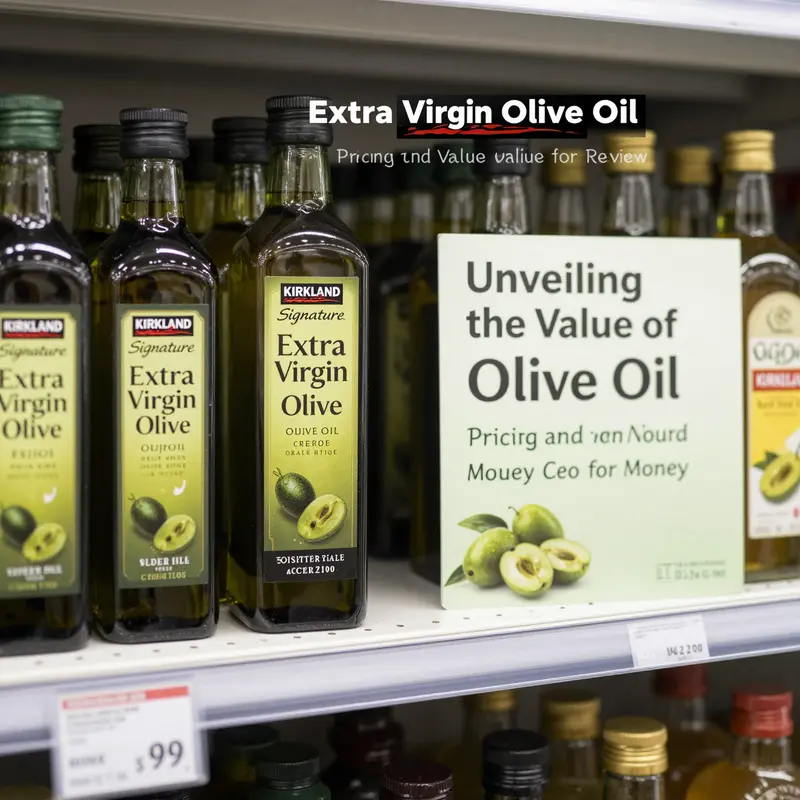
When a pantry staple becomes a litmus test for value, the oil in your bottle can say more about a budget than numbers on a receipt. In the realm of extra virgin olive oil, Costco’s Kirkland Signature line has sparked conversations that blend price, provenance, and culinary performance. This chapter traces not just a price point but a larger story: how a widely available oil, sold in bulk at an approachable price, can deliver a level of quality that resonates with home cooks, tasters, and laboratories alike. It begins with careful evaluation, moves through a clear flavor profile, and ends with a practical approach to freshness and everyday cooking, all bound by a philosophy: you should be able to cook well without breaking the bank.
Quality assessment in EVOOs often hinges on chemistry and sensory perception. The Kirkland Signature Extra Virgin Olive Oil, including its organic variant, has earned a notable reputation in independent lab settings. UC Davis Olive Center work has highlighted how this oil performs in blind tastings and analyses. The consensus is that the product tends to rank among top performers in independent testing. Key quality indicators such as free acidity and oxidation levels regularly meet expectations for extra virgin olive oil. A low acidity level signals the oil retained its integrity from fruit to bottle, while minimal oxidation signals the oil aged gracefully, preserving its freshness and aroma. These are not cosmetic metrics; they underpin the perception of flavor and the oil’s ability to brighten a dish. In short, evidence from these tests supports what many home cooks have observed: a clean, lively peppery note, a gentle fruitiness, and a versatile balance.
What makes the dialogue around this oil compelling is the coherence between laboratory findings and culinary experience. Taste panels describe it as fresh and fragrant, with green grass, almond-like fruitiness, and a nuanced bitterness that lingers pleasantly. This flavor architecture suits a wide range of applications—drizzling over warm bread, finishing vegetables, or lifting a simple salad with brightness. In practice, the oil proves its mettle not only in finishing touches but also as a capable everyday cook’s oil for sautéing and light pan-searing. The sensory balance—bright fruit notes without harsh bitterness—helps it hold up in dishes that demand clarity of flavor rather than competing with strong ingredients.
Price is the second axis on which this oil is judged, and the equation reads clearly: substantial quality at a surprisingly accessible cost. The organic variant is often priced around twenty dollars for a two-liter bottle, roughly ten dollars per liter. That contrasts with many premium bottles that push into the thirties per liter. For households where quality matters but budget is constant, this pricing creates a practical advantage. It enables more generous use—finishing a dish, whisking a bright emulsion—without the anxious calculus that accompanies premium oils. In a market saturated with branding, the Kirkland oil embodies a value proposition that resonates with households seeking a trustworthy oil for daily use and culinary exploration.
Freshness, perhaps more than any other factor, defines the daily experience. Costco’s model of fast stock turnover, careful storage, and focus on keeping products near their peak buys confidence with buyers. Look for harvest dates or bottling dates on the bottle as practical guidance. Fresher source information increases the likelihood of aromatic intensity and polyphenol content associated with high-quality EVOOs. The organic variant benefits from packaging and a supply chain that emphasize turnover, helping ensure the new crop reaches shelves with minimal delay. Most evaluations note a typical shelf life of about two years for unopened bottles, while acknowledging that once opened, the oil’s aromatic and healthful components fade gradually with air and heat. The consensus is simple: buy when the harvest date is recent, store in a cool, dark place, and use promptly to enjoy the full spectrum of freshness.
From a practical standpoint, this oil shines in the everyday kitchen. Its flavor profile, with daytime-green notes and a gentle, harmonizing bitterness, lends itself to a broad spectrum of uses. It can act as a cooking oil for light sautéing or a finishing oil for vegetables, pasta, and grains. It is well-suited for dressings where you want a clean, bright olive character without overpowering pepperiness. The oil’s balance means it won’t overwhelm delicate flavors, yet it has enough backbone to carry through batter and sauce work. It democratizes high-quality olive oil by offering a taste and texture that feel premium without the premium price tag. For cooks who prefer a single bottle to handle a week of cooking, this EVOO becomes a reliable baseline, powering weeknight meals and elevating weekend projects.
The narrative of value extends beyond tasting notes and price tag. It touches on reliability, consistency, and the peace of mind that comes with buying in line with informed consumer expectations. Independent testing and tastings offer external validation that transcends a single tasting. They provide a framework for comparing this oil with others on a like-for-like basis, anchoring opinions in measured data rather than marketing language. In that sense, price reflects a broader commitment to quality: the ability to maintain form and flavor at scale, to deliver a product that performs in a kitchen as well in a tasting room. When considering a purchase, the question becomes not only whether the oil is good, but whether the price reflects a sustainable standard of quality that can be trusted week after week. The answer, for many, is affirmative.
For readers seeking a broader understanding of Costco’s approach to staples and value, the Costco Food hub offers context on how value-driven choices are curated and how bulk pricing can align with quality, helping shoppers translate sticker price into long-term kitchen utility. In EVOO, that translates into a practical realization: you don’t have to compromise quality to stay within a budget. A bottle like this EVOO makes sense for families who cook daily and for culinary enthusiasts who want to explore the flavor spectrum of olive oils without paying a premium for prestige branding.
Ultimately, the Kirkland Signature Extra Virgin Olive Oil—organic or standard—emerges as a compelling case study in modern grocery value. It blends science-backed quality, sensory appeal, and a pricing trajectory that makes good oil accessible. The data from independent testing align with real-world cooking experiences: a versatile oil that delivers flavor with balance, freshness with reliability, and value that is hard to overlook. It is not merely a matter of whether the oil is good; it is about whether the oil is consistently good at a price point that makes it practical for everyday life. For the conscientious cook, this is the kind of oil that invites confident experimentation, clear flavors, and routines that nourish both the kitchen and the wallet.
External reference for further reading: https://www.ucanr.edu/sites/ucdavisolivecenter/
Costco Store-Brand EVOO: Freshness, Value, and How to Read the Label
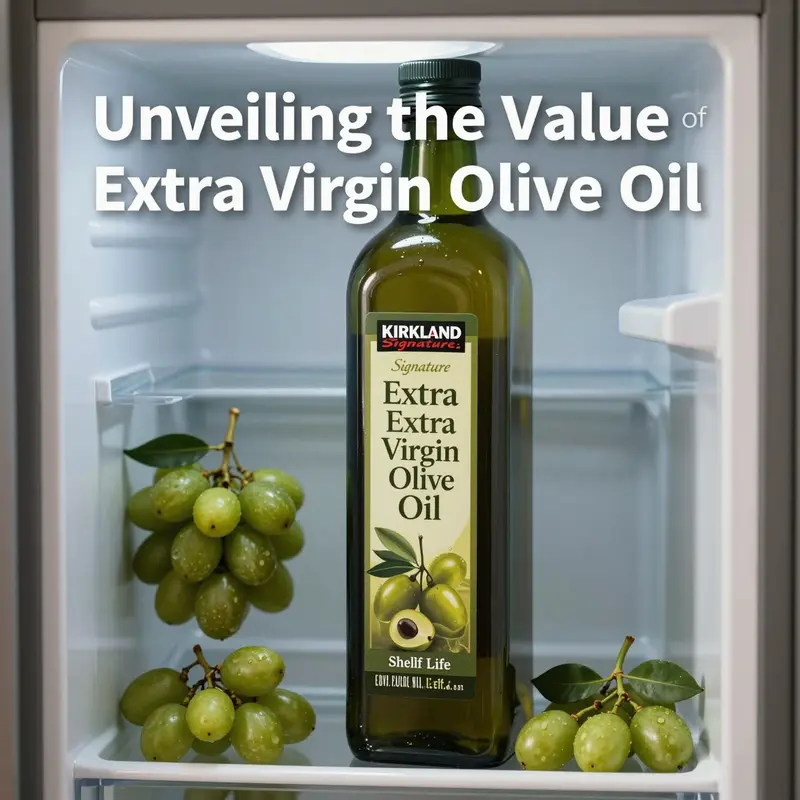
Costco’s store-brand extra virgin olive oil offers a practical blend of value and reliability. This chapter cuts through price tags to explore what freshness means in a bottle, how to read bottling or harvest dates, and how storage choices impact aroma, flavor, and nutrition from purchase to plate.
Freshness matters because polyphenols and fruity notes fade over time. Look for a recent bottling or harvest date and ensure the bottle is stored in a cool, dark place away from heat and light. A dark glass bottle with a tight cap helps slow oxidation, while exposure to warmth accelerates aroma loss and flavor dulling. In everyday cooking, this EVOO works well as a finishing oil or a cooking fat when used in sensible amounts, offering bright fruitiness without overpowering delicate ingredients.
Price matters, but value is about more than the sticker price. Costco’s store-brand EVOO typically delivers low acidity and clean taste at a fraction of premium-label costs, making it accessible for daily use without sacrificing essential EVOO characteristics. For best results, rotate stock and aim to use oil within 12–18 months of bottling, especially if you keep multiple bottles on hand.
In practice, readers should check the label for: bottling or harvest date; dark-glass packaging; and storage cues like store away from light or store in a cool place. They should also consider opening day aroma and taste as a quick gauge of freshness: a vibrant peppery finish and a clean, grassy note are signs the oil is in good condition for finishing dishes or light cooking.
Final thoughts
Kirkland Signature Extra Virgin Olive Oil stands out not only for its rigorous quality verification but also for its exceptional flavor and affordability. With this olive oil, business owners can elevate their culinary offerings without inflating their costs. Its freshness, robust taste, and competitive pricing make it a reliable choice for both everyday kitchens and professional environments. This exploration affirms that quality does not have to come at a premium, allowing chefs and business owners to deliver superior dishes and experiences to their clientele comfortably.