
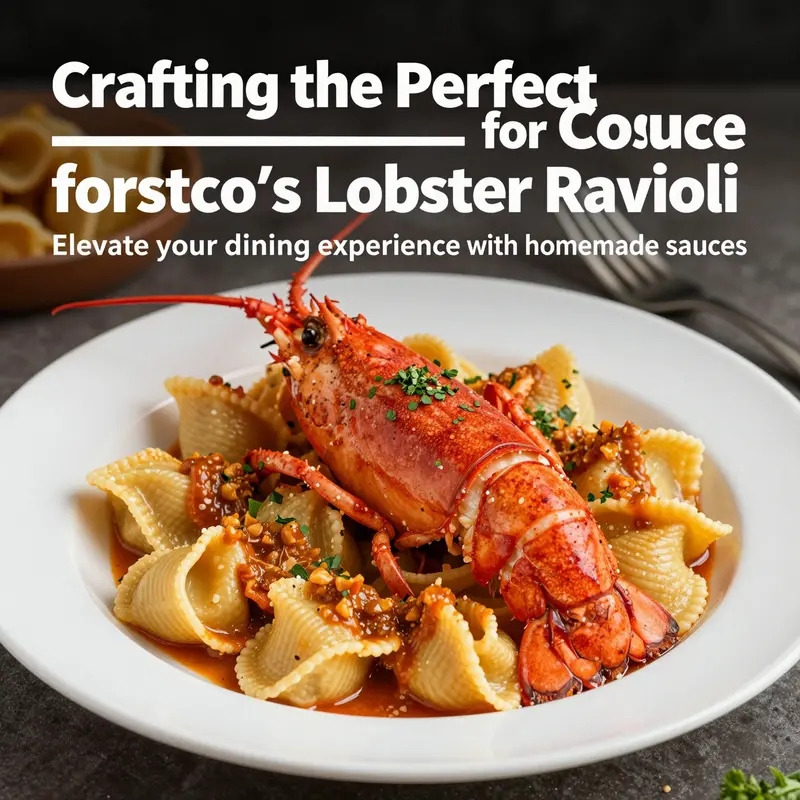
Costco’s Lobster Ravioli, known for its premium quality and delectable lobster filling, requires a complementary sauce to enhance its flavors. While Costco does not offer a pre-made sauce for its ravioli, business owners and culinary enthusiasts can create exquisite, restaurant-quality sauces using fresh ingredients readily available at Costco. This article explores creative sauce-making techniques, including a rosemary olive oil infusion and traditional pairings like butter and sage or lemon butter sauce. Additionally, we’ll examine Costco’s strategic approach towards offering customizable ingredients over pre-made options, empowering customers to craft their own culinary masterpieces.
Rosemary-Infused Olive Oil: A Homemade, Restaurant-Quality Sauce for Store-Bought Lobster Ravioli
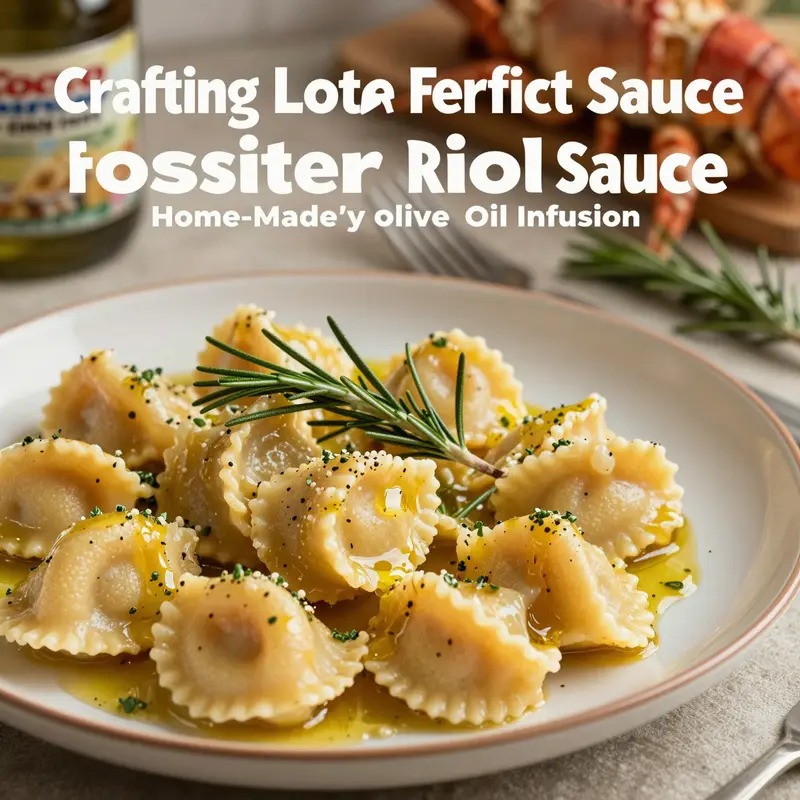
A simple, well-timed gesture can transform a bag of lobster-filled ravioli from a major retailer into something that tastes crafted in a busy kitchen and plated with the calm assurance of a fine dining dish. The secret is not a secret ingredient, but a precise technique: a rosemary-infused olive oil that creates a fragrant, silky stage on which the delicate pasta and its sweet filling can perform. This chapter maps out a practical, restaurant-inspired sauce that uses common pantry staples to elevate the ravioli without overwhelming it. The goal is to preserve the lobster’s sweetness, to honor the pasta’s tender bite, and to bring the dish to life with bright acidity, soft dairy richness, and a hint of savory depth—all through a cohesive, home-friendly process. The approach centers on a single infusion, a carefully built sauce base, and a gentle finish that lets the stars—the lobster and the pasta—shine through. The result is a dish that feels sophisticated enough for a dinner guest yet approachable enough for a weeknight meal, proof that good flavor can come from thoughtful technique rather than specialized equipment or exotic ingredients.
Begin with the canvas: two trays of lobster-filled ravioli, the kind that arrive frozen in a grocery-store freezer case and promise convenience without compromising on quality. The choice of pasta matters here, not because the brand matters, but because the filling should be tender and the edges intact after a brief boil. The ravioli can be cooked in well-salted water until they are tender and just al dente, usually three to five minutes depending on their size and thickness. As the pasta cooks, you assemble the sauce with a small but deliberate set of ingredients that allow each element to contribute without crowding the others. You will need four tablespoons of extra virgin olive oil, two tablespoons of fresh rosemary finely chopped, four tablespoons of unsalted butter, a cup of heavy whipping cream, a half cup of low-sodium broth, a half cup of diced tomatoes, a teaspoon of lemon juice, and salt and pepper to taste. These quantities provide a balanced framework: enough fat to carry aromatics, enough dairy to create luxury, enough acidity to keep things bright, and just enough tomato sweetness to echo the shellfish without turning the dish into a red-sauce spectacle. The method is more about sequencing than about chasing a particular flavor profile; it’s a choreography in which heat, timing, and texture combine to produce harmony.
The process begins with the rosemary infusion. In a medium saucepan set over medium heat, you warm two tablespoons of olive oil with the finely chopped rosemary. The objective is fragrance, not color; you want the oil to carry the herb’s piney brightness without browning the needles, which can bitter the finish. Three to five minutes is ample to coax the essential oils from rosemary into the fat. When the aroma blooms, remove the oil from the heat and set it aside. The infusion, though small in volume, becomes the backbone of the sauce, a conduit for aroma that will translate into the final mouthfeel and scent of the dish. While the infusion rests, bring a large pot of salted water to a boil and slide the lobster ravioli in, cooking them until they are tender and easily pierced with a fork. Reserve about half a cup of the starchy pasta water before draining; this water will later help emulsify and smooth the sauce if it becomes too thick.
With the infusion prepared and the pasta on its way, turn back to the pot for the sauce base. Add the remaining two tablespoons of olive oil and the four tablespoons of unsalted butter to the pan. Melt the butter gently, then whisk in the rosemary-infused oil, letting the mixture sizzle softly for about a minute. This step is crucial: the combined fat transports the herb’s aroma into every subsequent bite, and the gentle sizzle ensures the dairy remains glossy rather than split. Keep the heat moderate to preserve the emulsions you’re building. The base you now have is a fragrant, buttery pool of fat that will serve as a velvety envelope for the ravioli’s delicate filling. The sauce is about texture and depth as much as it is about flavor, and this stage sets the tone for both.
Next, lower the heat and introduce the creamy component. Pour in a cup of heavy whipping cream and half a cup of broth, stirring to incorporate. Allow the mixture to simmer gently for two to three minutes. The goal is a luxurious sheen, not a bubbling boil, which could encourage separation. The cream brings the sauce to a lush, satin-like consistency, while the broth adds savory depth and a hint of salt that helps anchor the other flavors. If you notice the sauce thickening more quickly than you’d like, a splash of the reserved pasta water can calm it and start the emulsification process again. This step is where patience pays off: you want a sauce that clings to the ravioli rather than pooling at the plate’s edge.
While the sauce thickens, add the finishing flavor notes. Stir in the half cup of diced tomatoes and a teaspoon of lemon juice. The tomatoes contribute color, sweetness, and a touch of acidity, which brightens the dairy and cuts through the richness. The lemon’s brightness acts like a bright ribbon tying everything together—aroma, acidity, and the herbaceous warmth of rosemary—so the dish remains lively on the palate. Season generously with salt and freshly ground black pepper. Taste along the way; salt is particularly influential here because the cheese and filling may already contribute salt, and you want the sauce to harmonize rather than over-season. If the sauce appears too thick, thin it with a small amount of pasta water or broth until it reaches a lapidary-smooth consistency that coats the back of a spoon.
Now the moment of convergence arrives. Drain the ravioli and, while they’re still hot, add them to the pan with the sauce. Toss gently over low heat to coat each piece with the infused, glossy mixture. The goal is to allow the ravioli to soak up some of the sauce’s scent, to pick up a touch of rosemary aroma on the first bite, and to achieve a cohesive sheen that makes the dish look almost finished in the pan. A final light stir, a taste check, and a quick adjustment of salt and pepper are all that remain before you plate. If you like a little extra lift, a final drizzle of olive oil can add a subtle gloss that catches the light and the herbaceous perfume in one elegant brush of flavor.
This approach isn’t just a single recipe; it’s a technique that translates to a broader kitchen philosophy. The infusion of rosemary into the oil creates a catalytic flavor, a way to push ordinary ingredients toward something more memorable without resorting to a long list of exotic add-ins. The dish demonstrates how fats can be vehicles for aroma, how dairy can soften and unify, and how acid can cut through richness to restore balance. The result is a sauce that feels delicate and refined, a perfect partner for a lobster-filled ravioli that already offers sweetness and a tender bite. The balance between the rosemary, lemon, cream, and tomatoes is a careful conversation, one where each voice is heard without overpowering the others. The pasta’s texture, the filling’s sweetness, and the sauce’s gloss all play roles in a final plate that tells a simple, elegant story: premium ingredients deserve a modest, mindful method.
If you want to adapt this concept to different moods or occasions, the foundation remains the same. Substitute rosemary with sage or thyme for a more earth-toned finish, or replace the cream with a lighter option and let the broth carry more of the dairy’s absence. A splash of white wine can add a citrusy note and a mineral brightness that complements seafood, while a bit more lemon can lift the dish for a spring or summer menu. For a tomato-forward version, use a bit more tomato and reduce the cream slightly to preserve a lighter mouthfeel. The sauce’s versatility is part of its strength: through small adjustments, you can tailor it to the available pantry, the season, and the company at table, all while preserving the essence of a luxurious yet approachable dish.
Plating becomes the final brushstroke. A shallow, wide plate gives the sauce room to swirl with the ravioli, and a light sprinkle of finely chopped rosemary on top echoes the infusion’s aroma. If you’re serving with a simple side—perhaps a crisp, green salad or a delicate herb risotto—the dish can carry a generous center of the action without competing elements. The plate’s finish should be glossy, but not glossy to the point of looking heavy; a gentle sheen signals the emulsified, well-balanced sauce you’ve prepared. The entire preparation rewards patience, attentiveness, and restraint. It is the kind of dish that can be prepared in stages or on a single burner if you’re improvising in a small kitchen, and it remains forgiving enough to accommodate small variations in the ingredients while still delivering a cohesive, restaurant-inspired end result.
For readers following the thread of this book, the method presented here is not an isolated trick but a way to think about how to treat premade or frozen ingredients with respect and imagination. A carefully prepared infusion, a balanced sauce base, and a mindful finish can transform a convenient product into a dish that reads as thoughtfully composed rather than merely assembled. The narrative here is about more than achieving the perfect texture or the right color; it’s about understanding how temperature, fat, aroma, and acidity work in concert. When you plate and savor, you’ll notice the rosemary’s whisper on the palate, the sauce’s velvet embrace around the pasta, and the lemon’s lift that keeps the entire composition bright. In that moment, a simple weeknight meal becomes a small, satisfyingly luxurious experience.
External reference for culinary context: https://costcofood.com/costco-extra-virgin-olive-oil-review/
From Frozen Staples to Restaurant-Quality Sauce: Butter, Sage, and Bright Citrus for Lobster Ravioli
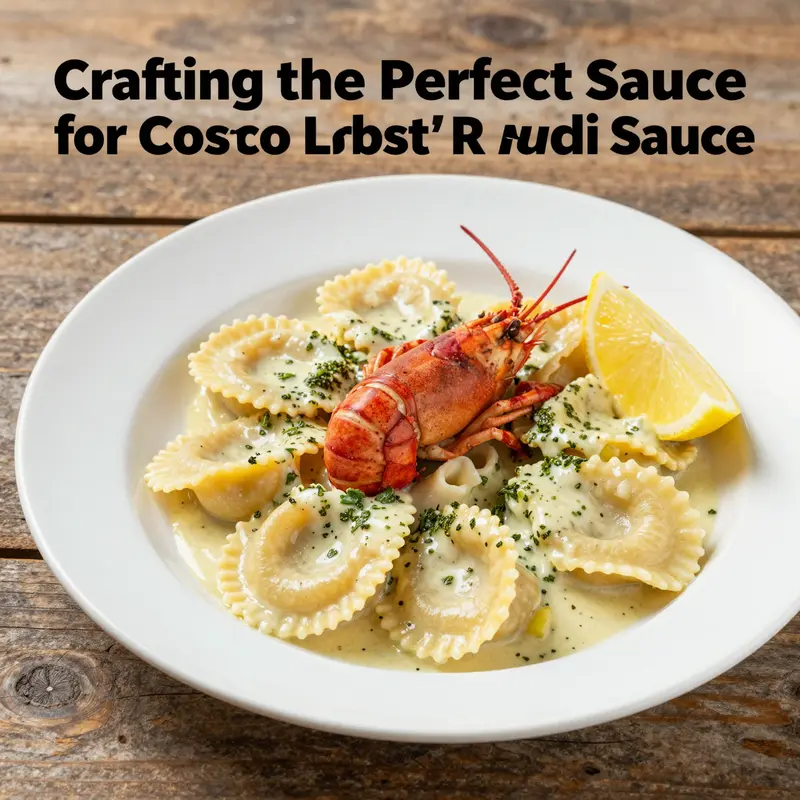
A premium lobster ravioli tucked into a neat rectangle of dough invites a certain kind of sauce عاشق—a finish that honors the delicate sweetness of the filling while adding just enough richness to feel indulgent without heaviness. In the world of frozen pastas, the jar or can of sauce is often a blunt instrument. Yet the right technique can turn a simple, weeknight staple into a plate that reads as careful, restaurant‑level cooking. When the ravioli is a high‑quality frozen product, the sauce doesn’t need to overwhelm the filling; instead, it should become a compliment, a whisper that lets the lobster shine through. The traditional option most commonly suggested for this type of pasta is a browned butter sauce accented with fresh sage. It is a classic pairing that uses simple ingredients to build depth: the beurrenoisette aroma from the brown butter, the earthy perfume of sage, and a touch of salt to balance the sweetness of the shellfish. Yet there is also a bright citrus counterpart—lemon butter—that brightens the dish and can lift the sweetness in a way that is equally elegant. In this chapter weaving through these options, we explore how to coax maximum flavor from two straightforward approaches and how a kitchen can reinterpret them to accommodate different palates and occasions, all while preserving the integrity of the ravioli itself. The goal is not to overpower but to illuminate, to reveal how a few well‑chosen moves can turn a freezer staple into a confident finish that sits comfortably on the dining table as a centerpiece rather than a convenience.
When you bring the ravioli to the pan, the heat must be controlled and patient. The first step is to melt a generous pat of butter in a wide skillet, preferably stainless steel or cast iron, where the surface area allows the butter to evaporate and brown evenly. As the butter begins to take on a nutty aroma, you add fresh sage leaves. The scent of sage as it releases its oils is a signal that the sauce is starting to come alive. It’s not about rushing to the finish line; it’s about letting the butter reach a golden, almost amber color—the beurrenoisette stage—before you crown it with the herb. The moment the sage sinks and the butter develops its warm, toasty notes, you introduce the ravioli. Gently, with a wooden spoon, you swirl and roll the pieces to coat them in the oil. The goal is to render a glossy exterior while maintaining the tender texture inside. A touch of salt is essential, and if you like a hint of pepper, a light grind toward the end helps awaken the garlic and herb notes without dulling the delicate lobster sweetness.
The traditional approach centers on that browned butter and sage, but there is room for nuanced variation. A common technique is to finish the dish with a splash of the pan juices and a few drops of lemon juice—the lemon’s acidity works in harmony with the butter to brighten the dish and create a restrained citrus lift. The citrus notes should feel integrated rather than jarring; they should be a soft ribbon weaving through the nutty, herbal base. If you choose to incorporate lemon, it’s wise to add zest at the end for a burst of fragrance that remains just on the edge of the palate rather than crossing into sour territory. The lemon variation is a light counterpoint to the richness of the ravioli, offering a freshness that makes the dish feel more summery and vibrant, even when the ravioli itself is dense and comforting.
A parallel approach—often overlooked in quick weekday meals—is a rosemary‑infused olive oil that provides an aromatized oil finish rather than a butter‑based glaze. This method uses a few tablespoons of good extra virgin olive oil warmed with a sprig of fresh rosemary until the scent perfumes the kitchen and the oil takes on a faint herbal note. The warm oil is then spooned over the pasta, or the ravioli is brushed with the oil and returned to the pan for a quick toss so that every piece glistens with the infusion. While this method moves away from the butter‑rich mouthfeel, it creates a lighter finish that still feels refined and appropriate for a special dinner. It also serves as a practical reminder that the sauce is a vehicle for flavor rather than a mask for it. For home cooks who want to explore different finishings, this technique acts as a bridge to more adventurous possibilities—perhaps a whisper of white wine in the pan for a touch of acidity, or a pinch of chili flakes to introduce a subtle heat that does not overwhelm the lobster’s natural sweetness.
What matters in either approach is balance. The lobster filling in a premium ravioli tends to be delicate, rich, and slightly sweet. The sauce should support, not smother, that character. In practice, that means starting with a modest amount of fat—whether butter or olive oil—and letting the flavor simmer into the pasta rather than saturating it. It also means paying attention to the vessel you choose. A wide pan with a shallow layer of fat allows for efficient emulsification and even coverage as you turn the ravioli. The goal is to create a gentle, shimmering sheen on the surface of the pasta, a sign that the sauce has married with the starch and the filling to create cohesion, not a pool at the bottom of the plate.
Selection of the two core variants also invites the question of when to choose one over the other. The traditional butter and sage offers a sense of classic indulgence. It’s the kind of finish that feels elegant in a formal setting or as a confident, no‑fuss weeknight supper that still feels celebratory. The sage’s herbal note anchors the dish to the earthiness of the butter’s browning, while the lobster’s sweetness remains the star. A careful hand with salt is essential here, as the browned butter can accentuate the saltiness if not measured. The lemon butter variation, by contrast, introduces lightness without sacrificing texture. The citrus notes cut through the richness, making the dish feel lighter on the palate while still delivering a sense of decadence. It’s ideal for spring or a lighter course that leads into a brighter dessert or a crisp white wine. If you’re planning a tasting menu at home, you can even prepare both finishes in small batches and compare them side by side to observe how a single protein and pasta combination can yield different emotional responses from the same base pasta product.
For readers who are exploring the broader landscape of premium frozen pastas, this approach also highlights a larger point: the sauce is not a fixed instruction sheet but a flexible set of techniques. You can adjust the amount of lemon, the degree of butter browning, or the intensity of the herbal notes to match the lobster’s sweetness and the occasion. A quick drizzle of citrus at the end can revive a sauce that started to feel heavy, while a longer, slower browning process can yield a more complex, nutty character in the butter. The nuance in execution, not the complexity of the ingredients, is what lifts the dish. This is a reminder that high‑quality ingredients are most effective when they are allowed to speak with precision and restraint.
In the home kitchen, one useful practice is to start with the base of browned butter and sage and then set aside a small portion to experiment with a lemon finish. This allows you to taste as you go and decide which direction your plate should take before you commit to plating for guests. If you choose a lemon finish, consider incorporating a touch of zest at the very end to retain its perfume. The result is a plate that carries two profiles in one pan—the rich, nutty warmth of browned butter and the bright lift of citrus—so you can choose the feel that best suits the moment without preparing an entirely new sauce.
To emphasize how this plays out in practice, imagine serving the dish with a lightly dressed green salad and a crusty bread to mop up the sauce. A crisp, mineral white wine can mirror the dish’s brightness, while a richer, slightly creamy white will embrace the butter notes. The plate should sing with aroma and texture: the delicate pasta, the tender lobster, the almost candied nut fragrance of browned butter, and the herbaceous warmth of sage or the zesty lift of lemon. The finish should be a whisper—just enough to tie the elements together—rather than a shout that competes with the filling.
From a culinary perspective, it’s also valuable to consider how this approach translates to the broader category of prepared pastas sold through major retailers. A well‑curated frozen lobster ravioli can serve as a versatile canvas, letting home cooks tailor a high‑end impression with very little additional time or money. The two core variations—traditional butter and sage, and lemon butter—offer complementary moods: a contemplative, classic finish and a bright, modern take. Each approach respects the structure of the pasta and its filling, and neither approach requires a long list of ingredients or complicated technique. The key is to embrace the simplicity of a few high‑quality elements, allow them to interact, and then present the plate with care.
As you navigate the pan, a small but meaningful mindset shift can make all the difference: treat the sauce as a frame rather than a painting. It should outline the lobster’s sweetness and the pasta’s tenderness. It should not obscure those qualities with heavy flavors or excessive salt. The result is a dish that reads as thoughtful and composed, much more than a rush to finish dinner. If you are serving it as part of a multi‑course evening, this restraint becomes even more important, because the sauce sets the tone for the entire sequence of courses. A restrained, well‑balanced finish can elevate the ravioli from comfort food to something that feels carefully curated and memorable.
For those who enjoy a touch of complexity without complicating the process, a few strategic additions can be explored. A splash of dry white wine in the pan before adding the ravioli can introduce a gentle acidity that relaxes the richness. A small spoonful of cream or a pat of cream at the end can smooth the emulsification and give the sauce a silkier mouthfeel. If you want a whisper of heat, a pinch of red pepper flakes can be added to the butter as it browns, providing a subtle warmth that does not shout. Capers or a tiny squeeze of lemon juice along with the zest can add a briny snap that can work beautifully with the lobster’s sweetness, as long as it remains in balance with the other elements. The goal is to tailor the dish to your guests and your own taste, while preserving the essential character of the ravioli and the two foundational sauces.
In exploring these finishes, it’s also helpful to remember that a sauce is a narrative device. It says something about how you want to present the pasta and what mood you want to convey. The butter and sage finish suggests a quiet confidence and a nod to tradition. The lemon butter finish signals a modern sensibility, a buoyant lightness that still honors the lobster’s refined flavor. The rosemary oil approach offers a lighter, more aromatic option for those who prefer a less dense mouthfeel. The choice can hinge on season, company, and even the moment in the meal when the dish is served. Across these choices, a shared thread remains: the ravioli is the star, and the sauce is the thoughtful embrace that makes each bite feel complete.
Readers who are curious about how others are approaching similar dishes can explore further discussions that center on how to pair sauces with premium frozen pastas, how to balance richness and brightness, and how to plate a dish that looks as good as it tastes. The overarching lesson is simple and enduring: with attention to technique, timing, and balance, you can turn a store‑bought product into a refined, celebratory dish that fits a wide range of occasions. To keep the conversation grounded, you might consider visiting the discussion pages where cooks share their experiences with this ravioli and similar items, comparing different finishing sauces and the way those finishes affect texture and aroma. For a focused look at how other readers are approaching this specific ravioli, you can consult the collection of reviews here: costco-lobster-ravioli-reviews.
Finally, while the flavor profile of the two primary finishes is well established, there is always room for personal expression. Some cooks prefer the nutty aroma of a deeply browned butter with a crisp leaf of sage, others lean into the lemon’s brightness to create a palate-cleansing counterpoint to the rich filling. A modest amount of olive oil can be used to finish a dish that needs a touch more gloss and a whisper of fruitiness without adding weight. The most important thing is to preserve the lobster’s sweetness and the ravioli’s delicate texture, letting the sauce be a companion rather than a competing force. As you experiment, you’ll likely discover that the best versions are not those with the most ingredients, but those with the most restraint and the clearest sense of purpose. In this way, a humble bag of frozen lobster ravioli can become a signature dish, one that you can prepare with confidence and enjoy with friends and family, year after year.
External resource: An official product page confirms the traditional butter and sage presentation and occasional citrus variation. https://www.costco.com/lobster-ravioli/product.aspx?productId=10059268
From Base to Brilliance: Letting Costco’s Sauce Strategy Elevate Lobster Ravioli into a Custom, Restaurant-Quality Experience
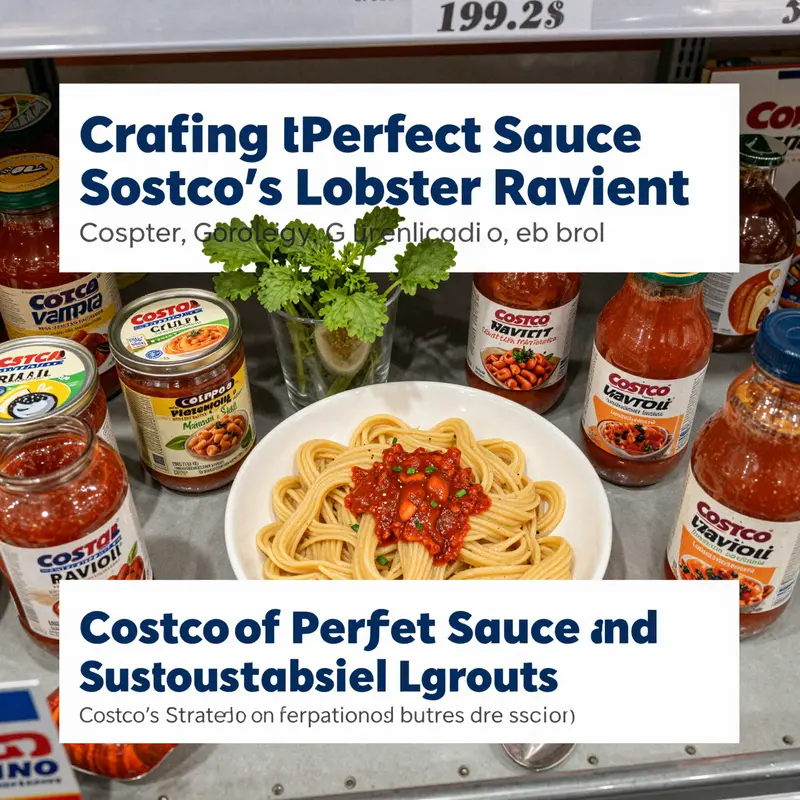
When you walk the aisles of a warehouse club and scan the frozen entrées, you quickly learn a practical truth about this retailer: it trusts your palate more than it fetters your cooking with a built-in, one-size-fits-all sauce. The absence of a pre-made lobster ravioli sauce in its lineup is less a gap and more a deliberate invitation. It reflects a philosophy that prizes high-quality, versatile building blocks over pre-mixed perfection. In the context of a premium lobster-filled ravioli, this approach becomes especially meaningful. Rather than delivering a ready-made, single-note sauce, the retailer leans into a framework of clean, flexible ingredients that empower home cooks to craft a finished dish that tastes like it came from a restaurant kitchen, yet remains within the bounds of everyday pantry resources. The effect is not deprivation but liberation: you compose the sauce, you steer the flavor, and you learn to balance the delicate sweetness of lobster with the brightness of herbs, the silk of fat, and the tang of citrus—all using a trusted base and a handful of well-chosen add-ins.
Central to this strategy is the store’s private-label base, a tomato sauce marketed under the retailer’s own line. It is positioned as a foundation, not a finale. The product is built from peak-ripe California tomatoes and is processed in a way that preserves natural sweetness and freshness. Importantly, it’s described as having no added sugar, garlic, or onions, which makes it a true blank canvas. That lack of aggressive seasoning is not a flaw; it’s a feature. It offers what cooks crave most when building a lobster ravioli sauce: control. You can season, simmer, and shape the sauce to your own preferences, rather than wrestling a pre-seasoned container into your dish. This approach aligns with a broader commitment to clean-label, minimally processed ingredients that still deliver depth and character. The result is a mid-range tomato base that sits comfortably between the simplicity of crushed tomatoes and the complexity of a fully loaded marinara, ready to carry a lobster filling without overshadowing it.
When lobster ravioli—frozen, delicate, and rich with a cheese-ludic filling, encased in egg pasta—enters the kitchen, the sauce should neither overpower nor fade. The practical recipe many home cooks turn to relies on two trays of premium lobster-filled ravioli as the star, with a few supportive yet high-quality pantry players. A simple, elegant method emerges: a generous amount of extra-virgin olive oil heated to release aromatics, then a handful of fresh herbs to perfume the oil. In one well-regarded home kitchen adaptation, four tablespoons of olive oil meet two tablespoons of finely chopped fresh rosemary. The rosemary sizzles in the oil until it releases its fragrant oils and crest of aroma, a brief moment that marks the transition from ingredient to dish. The cooked ravioli then meets the infused oil, and the surface of each piece glistens with a sheen that betrays the careful balance of heat and time. The result is a light, delicate sauce that complements the lobster filling rather than smothering it. The technique is minimal yet precise: you are coaxing flavor from the simplest pantry staples, letting the lobster legibly read as the star while the herbs and olive oil whisper the rest of the story.
This approach is not a departure from tradition so much as a refinement of it. Classic partners for lobster ravioli—butter with sage, or a whisper of lemon butter—remain excellent, and they are not difficult to assemble. A butter-based sauce offers indulgence and a mild sweetness, while a lemon-butter variation adds a citrus crack that brightens the dish and elevates the wine-like notes in the lobster filling. The beauty of the base-driven method is that you can choose which lane to drive in. You can craft a silky, lightly emulsified sauce with butter stirred in at the end for a glossy finish; you can preserve a lighter note by keeping the butter out altogether and leaning on olive oil and a splash of lemon. This is the essence of the Costco strategy in action: it invites customization, it preserves the integrity of specialty ingredients, and it preserves the possibility of variation without complexity.
The underlying logic extends beyond the dinner plate and into the culture of home cooking itself. In a world where social media feeds can push quick, pre-packaged options, Costco’s emphasis on base ingredients—unadorned, flexible, and high in quality—speaks to a growing cohort of cooks who want authenticity without rigidity. The idea of using a store-brand tomato sauce as a starting point resonates with readers who prize control: you select the acidity, sweetness, and herbal note; you decide how robust the sauce should be; you control the salt, the heat, and the final texture. In this sense, the base becomes an instrument rather than a final chord. It invites you to compose, to tinker, to learn how the components interact as the dish evolves from a simple boil to a nuanced sauce that clings to each strand of pasta and each bite of lobster.
This conceptual framework is reinforced by the practical realities of Costco’s product strategy. The company leans on robust, high-quality bases that can anchor a broad range of recipes: soups, braises, and seafood pastas alike. By offering a tomato sauce that is more refined than crushed tomatoes yet simpler than a ready-made marinara, the retailer provides a foundation that is eminently adaptable. The same logic can be observed in the way customers assemble spice blends, seasonings, and herbs at home. A few classic additions—oregano, a pinch of a peppery heat, a meaty bay leaf, a squeeze of citrus—can transform the same base into an entirely different dish. The lip of flavor rises not from an added pre-made sauce but from decisions at the stovetop, decisions that reward curiosity and restraint in equal measure.
In the practical playbook of home cooks, the lobster ravioli scenario becomes a useful case study. Two trays of lobster-filled ravioli, a couple of tablespoons of olive oil, rosemary chopped fresh, and the simple act of infusing the oil with aromatics create a delicate, restaurant-like finish. The technique is forgiving enough for a weeknight yet refined enough for guests. It’s also scalable: if you are cooking for a larger party, you multiply the sauce ingredients proportionally, keeping the ratio between oil and herbs steady so that the lobster remains the focal point. If you prefer a lighter touch, you can reduce the oil to three tablespoons and still achieve a glossy, glossy finish that clings to each piece of pasta. If you want a deeper, richer finish, you can finish the dish with a small knob of butter whisked in at the end and a hint of lemon zest. The key, again, is control. The store-brand base provides the canvas, and the chef—armed with more or fewer embellishments—paints the dish with personality.
From a consumer perspective, this strategy makes sense not just for flavor but for value. It aligns with the practical notions of cost per use, long-term pantry management, and the desire to avoid waste. When the base is flexible, you are less likely to overbuy or to duplicate flavors you already own. The ability to reuse that same tomato base across different dishes—seasoned differently for pasta, simmered into a light soup, or used to braise seafood—maximizes the return on the initial investment. It’s a philosophy of cooking that rewards planning and improvisation alike. And it is the cornerstone of Costco’s broader identity: high-quality, versatile ingredients that empower cooks to control outcomes, preserve healthful choices, and enjoy the process of cooking without being forced into a rigid recipe framework.
An additional layer of context comes from how home cooks are sharing and adapting these ideas. Social media chatter around simple additions—such as sprinkling a classical herb blend over a hot base just as it finishes cooking or using a touch of citrus to lift the dish—emphasizes the accessibility of this approach. Instead of searching for an exact, branded sauce to pour over the pasta, many cooks look for a few signature notes they can customize. This aligns with the broader desire for authenticity and self-expression in the kitchen. The proportional relationship between the lobster filling’s natural sweetness and the olive oil’s fruitiness becomes the hinge on which the dish balances. A heavy hand with fat or a loud spice can overwhelm the delicate lobster, while too little seasoning can render the dish flat. The base provides the stabilizing backbone, and the aromatics guide the narrative. The result is a dish that tastes personal, crafted with intention, and grounded in trusted, high-quality ingredients.
For readers who want a practical touchstone beyond theory, the recommended approach is simple: start with the store-brand tomato base, heat olive oil with a handful of fresh rosemary until the oil is perfumed, then reintroduce the prepared ravioli so it takes on the rosemary-infused gloss. Finish with a light hand of citrus or a small amount of butter if you desire a silkier mouthfeel. Taste as you go, adjust salt sparingly, and remember that the lobster itself carries a notable richness; you do not want to bury it beneath a dense sauce. If you want a more traditional pairing, you can swap the rosemary for a few leaves of fresh sage and a small pat of butter at the end for a classic butter-sage finish. If a brighter note is preferred, a squeeze of lemon toward the end can illuminate the dish and highlight the lobster’s sweetness without adding heaviness.
What emerges from this approach is more than a single recipe. It’s a method—an invitation to view the sauce not as a final product but as a craftable element that allows the chef to shape texture, aroma, and balance. It also reveals a greater truth about Costco’s culinary logic: it’s not about a single dish but about enabling a broad family of dishes built on top-quality bases. The emphasis on customization turns a one-off dinner into a canvas for future meals, where yesterday’s leftovers become tomorrow’s inspiration. And it invites a broader audience to engage with cooking in a way that honors authenticity, leverages pantry staples, and respects the integrity of the primary ingredient—the lobster ravioli itself.
For readers curious about how other home cooks have responded to this approach, see Costco Lobster Ravioli Reviews. This kind of feedback loop—transparent, consumer-driven, and focused on simplification without sacrificing flavor—helps to illuminate why a store would lean into a base-first strategy rather than a ready-made sauce. The conversation around taste, texture, and value evolves when people can tailor a dish to their own preferences, and the store-brand base plays a starring, supporting role in that evolution. In the end, the lobster ravioli becomes not just a frozen convenience but a platform for creativity: a premium ingredient that can sing when given the proper, flexible framework. The result is a dish that feels both elevated and approachable, a reminder that great cuisine at home often begins with a thoughtful base, a couple of essential aromatics, and the confidence to finish with restraint rather than excess.
External resource: https://www.costco.com/kirkland-signature-tomato-sauce/product.aspx?productid=10039562
Final thoughts
In summary, crafting the perfect sauce for Costco’s Lobster Ravioli requires creativity and the right ingredients. Whether you choose a simple rosemary olive oil infusion or a classic butter and sage accompaniment, each sauce enhances the ravioli’s exquisite flavor. Understanding Costco’s strategy of offering high-quality, customizable ingredients rather than pre-made sauces allows culinary entrepreneurs to experiment and develop their signature dishes. Harness this knowledge to impress your customers and elevate your dining offerings—with Costco’s lobster ravioli as a premium base, the possibilities are endless.