
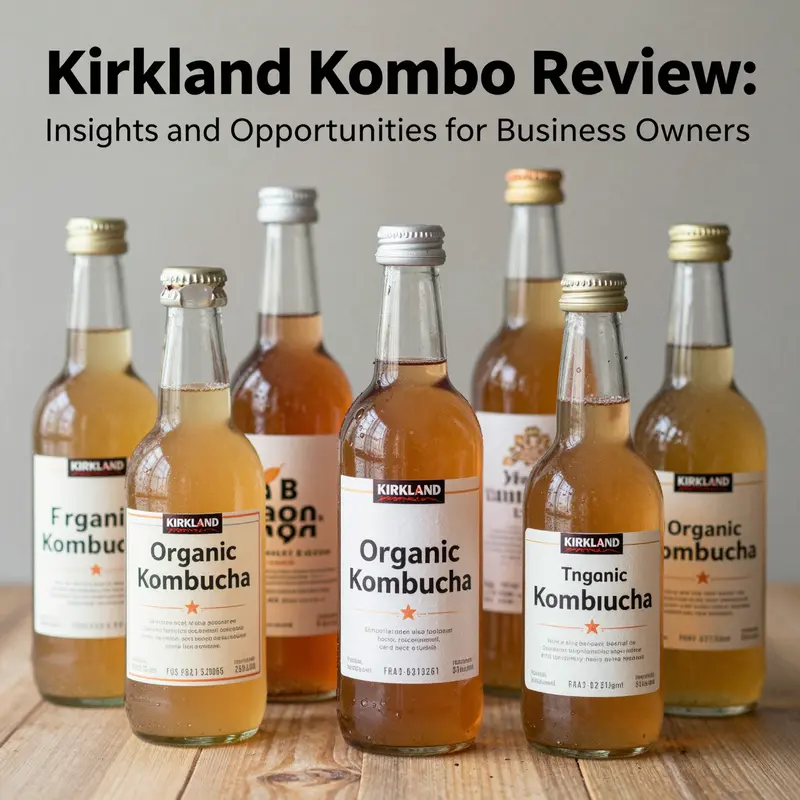
Kirkland Kombucha, specifically the Organic Kombucha Ginger Lemonade variant, has established itself as a noteworthy player in the beverage industry, particularly for those prioritizing health and wellness. With a ranked position among the ‘Top 10 Best Beverages from Costco,’ this kombucha is gaining appreciation for its potential health benefits and robust flavor. The following chapters will provide in-depth insights into consumer ratings and rankings, delve into the health benefits and nutritional profile, and explore intricate taste and flavor notes. By understanding these aspects, business owners can better position their products in the growing kombucha market.
Store-Brand Kombucha Review: Navigating Rankings, Taste, and Health Tradeoffs in a Warehouse-Club Favorite
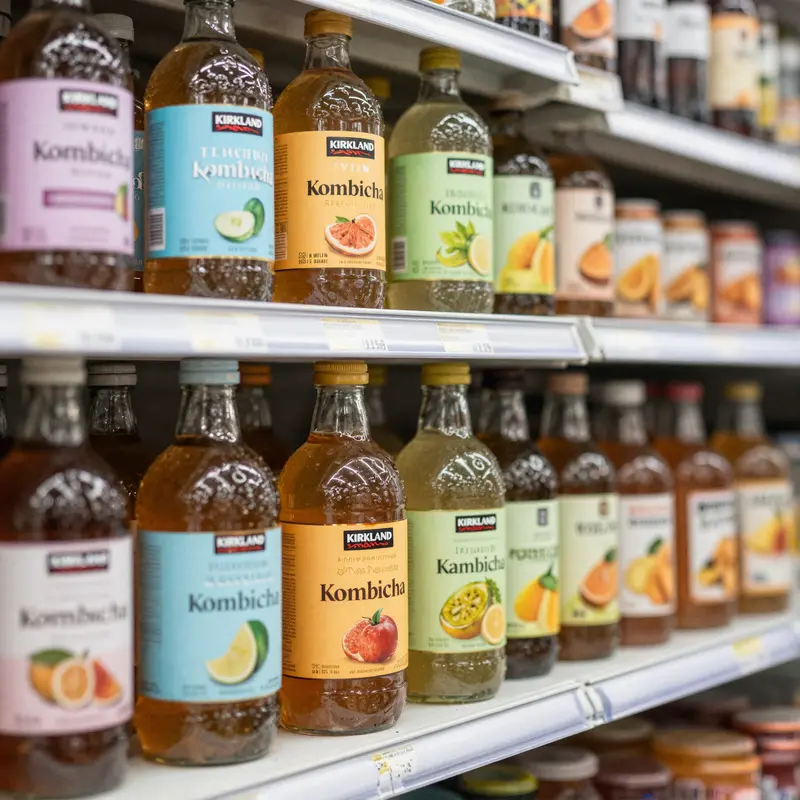
In the crowded lanes of a warehouse-club pantry, a store-brand kombucha has carved out a quiet but persistent following. It sits among bottles promising gut health and budget-friendly wellness, and for many shoppers it represents a practical intersection of flavor, nutrition, and value. The product’s rise in the marketplace is tied to broader trends in how mainstream consumers approach functional beverages: sought after for daily routines, not just novelty.
A central piece of the chapter is the nutrition grade that accompanies the product in consumer-facing resources. A C+ is not outstanding, but it signals both redeeming qualities and notable limitations. The stated calories—70 per serving—position the drink as a modest energy option within its category. Sugar content and added ingredients become key tradeoffs when evaluating its fit with one’s daily goals and other drinks in the same aisle.
Taste matters most. The Ginger Lemonade profile delivers mild heat from ginger, bright lemon, and a balanced sweetness that avoids cloying overtones for most tasters. Its sensory note pairs well with meals, workouts, or a quick refresh, reinforcing the beverage’s image as an everyday wellness option rather than a premium treat.
Organic certification is a meaningful plus for shoppers who value cleaner sourcing and farming practices. It does not automatically guarantee perfect nutrition, but it does invite scrutiny of what is included and what is left out, including fermentation nuances, stabilizers, and the presence of any processing aids. The organic seal thus interacts with the probiotic claim and sugar content to shape overall perceived value.
Probiotics occupy a central claim here. Live cultures associated with fermentation are a familiar signal of gut-health potential, yet probiotic impact can vary by strain and individual. The store-brand option aims to offer a plausible probiotic narrative within the realities of mass production, where shelf stability and taste must coexist with regulatory clarity.
Putting rankings into the picture, the product’s appearance on a top-beverage list from a warehouse club reflects broad appeal rather than niche status. Readers should recognize that rankings summarize a mix of flavor preference, convenience, and perceived health value—ingredients that can pull in very different directions for different shoppers.
In closing, this store-brand kombucha exemplifies a pragmatic approach to wellness shopping: a familiar flavor, organic certification, and a probiotic premise that together justify its place in many carts, while inviting ongoing examination of sugar, additives, and overall balance within daily eating patterns. The chapter suggests that informed choices depend less on a single attribute and more on how taste, health signals, and budget align with one’s personal goals.
Quiet Fermentation, Bold Claims: Delving Into the Health Promise and Nutrition of a Warehouse-Store Kombucha

Kombucha, a fermented tea beverage, has traveled a long road from niche kitchen experiments to a staple in mainstream chillers. In the landscape of store-brand offerings that sit on the shelves of large warehouse retailers, one option has consistently drawn attention for its balance of affordability, accessibility, and a claim to gut-friendly benefits. This chapter does not serenade a single branded product but rather traces the arc of a warehouse-store kombucha that mirrors larger trends in consumer health drinks: fermentation as a pathway to probiotics, a modest calorie count, and a flavor profile that pairs tang with sweetness in a way that invites daily sipping. To understand its place in the market, we move through how such beverages are made, what they genuinely offer in health terms, and how a mainstream audience tends to evaluate them in relation to sugars, caffeine, and alcohol content. The narrative here is designed to feel like one long conversation with a product that many shoppers pick up on impulse yet often carry away with changing perceptions about what “healthy” means in a beverage aisle.
At the core, this category rests on several interlocking ideas. First is fermentation, powered by a symbiotic culture of bacteria and yeast, or SCOBY. The process converts sugars in tea into a mix of organic acids, trace amounts of alcohol, and a chorus of living microbes. The result is a beverage that is alive in a way that mass-produced soft drinks are not. The living element is not just a novelty; it is the part many shoppers associate with digestive health. In the biology of the human gut, a diverse ecosystem of bacteria and yeasts influences digestion, immune function, and even signaling pathways that can affect mood and energy. When a fermented beverage is consumed, the presence of viable probiotics is a primary reason some people reach for it as a daily ritual rather than a one-off treat.
From a practical standpoint, the health halo around such drinks often sits on top of a solid nutritional story. In the common formulation—green or black tea sweetened lightly and then fermented—the calories stay modest. A bottle designed for 16 ounces typically lands in the 40 to 50 calorie range. Sugar content, always a critical variable for health-conscious buyers, tends to stay under 5 grams per serving, though this can vary with flavor and batch. There is also a small but real amount of alcohol, a natural byproduct of fermentation. In most jurisdictions, this falls below the 0.5 percent threshold that defines nonalcoholic beverages, but individuals with specific sensitivities or those avoiding alcohol for personal or medical reasons may still want to check the label closely. The caffeine inherited from the tea base remains a consideration for caffeine-sensitive consumers, particularly when considering daily intake and timing, such as late-afternoon or evening consumption.
A health-forward narrative about this kind of drink also leans on its phytochemical content. Tea leaves bring polyphenols to the table, compounds associated with antioxidant activity. While those antioxidants are scientifically well-supported in the broader literature, translating them into tangible, measurable health outcomes from a single glass of kombucha remains a nuanced question. In other words, the beverage can be a meaningful part of a balanced diet, especially when it replaces higher-calorie, sugar-sweetened drinks, but it is not a miracle cure or a stand-alone solution for weight management or disease prevention. This distinction matters for the shopper who may be evaluating the product as part of a broader lifestyle change rather than a singular wellness hack.
Flavor is a practical entry point into the health conversation as well. A ginger-lemon profile—one common variant in store-brand lines—offers bright, zesty notes that can feel like a natural fit for hydration during active days or post-workout wind-down. The ginger contributes warmth and a hint of spice, while the lemon adds brightness and a touch of acidity that enhances perceived refreshment. It is this sensory appeal that often drives repeat purchase, particularly for buyers who are prioritizing habit formation over occasional experimentation. The taste profile matters because it helps define where the beverage sits in daily routines: as a palate-cleansing option, a small flavor boost between meals, or a lower-sugar alternative to fruit juice or sweetened tea.
However, taste alone does not define a product’s value in this category. The sugary baseline that many beverages in this space attempt to avoid is a crucial comparator. If a brand emphasizes “less sugar” or “no added sugar” while still offering a satisfying zing, it positions itself well within the health-minded buyer’s cart. This is particularly important for people who are monitoring overall daily sugar intake or who are managing energy balance as part of weight management goals. In this environment, the sugar content of a serving—while modest—remains a meaningful datapoint, especially when one considers the potential cumulative effect of other snacks and beverages consumed through the day.
There is another dimension that often surfaces in consumer discussions: the alcohol content and how it interacts with safety and labeling. Fermented beverages inherently produce small amounts of ethanol. In many regions, the alcohol level in mass-market kombucha remains below the 0.5 percent threshold for nonalcoholic status, but the precise content can shift with fermentation time, temperature, and batch variation. For some shoppers, even a small amount of alcohol is a non-starter due to personal or health reasons, while for others it is largely inconsequential. The best practice is straightforward: review the fermentation status on the label and, when in doubt, consult a healthcare professional if there are concerns about interactions with medications, digestive sensitivity, or conditions affected by alcohol exposure.
The nutritional landscape of this product line also includes B vitamins and polyphenols, which are part of the tea’s original profile and can contribute to energy metabolism and antioxidant defenses, respectively. B vitamins are water-soluble and essential for numerous metabolic pathways, including energy production and red blood cell formation. In a beverage that is generally consumed in smaller, manageable portions, these micronutrients can complement a diet that already includes other sources of vitamins and minerals. Polyphenols, meanwhile, are a reminder that tea is more than caffeine and flavor; they offer a suite of antioxidant compounds that have been studied for their potential to support cardiovascular health and inflammatory balance in the context of a varied diet. It is important to reframe expectations here: the presence of these bioactive compounds does not guarantee measurable health outcomes in every individual. Still, it adds a layer of nutritive appeal to a product that otherwise competes on taste, refreshment, and the perceived benefits of fermentation.
In formulating a consumer-ready narrative for a warehouse-store kombucha, microbiology and nutrition intersect with retail realities. This type of product exists in a marketplace that prizes value, convenience, and consistency. The store-brand option is often positioned as an affordable, reliable entry point into fermented beverages, particularly for shoppers who want to test the waters without making a significant financial commitment. The pricing arithmetic—calories and sugar per bottle, the modest alcohol fraction, the familiar tea base—appeals to those seeking a daily habit rather than a once-a-week indulgence. Yet the overall value proposition hinges on more than math: it rests on how the product is integrated into a daily routine and how well it satisfies taste expectations while aligning with health goals.
From a consumer psychology perspective, a number of practical factors shape ongoing use. People who enjoy a crisp, effervescent beverage may turn to this option as a preferred alternative to sugary sodas or artificially flavored drinks. The probiotic framing adds a layer of narrative that supports frequent consumption, especially for those who value gut health or immune support as part of their wellness approach. The convenience factor cannot be understated either. A ready-to-drink bottle provides an easy, lower-calorie hydration option that travels well, fits into lunch boxes, and can be a mindful substitute when cravings arise. And yet, the reality of everyday life with a busy schedule means that consistency is key. If a flavor profile becomes monotonous or the texture feels off due to bottle conditioning and carbonation levels, customers may seek variety, or they may opt for alternatives with similar nutrition profiles but different sensory experiences.
What about the environmental and manufacturing considerations that often accompany a store-brand line? Store-brand beverages can be framed as practical choices that leverage existing distribution networks and production pipelines. This means, for the consumer, a reasonable expectation of uniformity across batches, provided quality controls are in place. It also signals the potential for lower marketing costs to translate into a more accessible price point, which is a meaningful factor for households seeking daily beverages that still align with a health-forward posture. The caveat is that variability can creep in—especially with products that hinge on fermentation, where timing and temperature are variables the manufacturer carefully manages. A shopper who is sensitive to minor differences in acidity, mouthfeel, or carbonation might notice batch-to-batch changes. Yet for many, those variances are a natural aspect of fermented beverages and, if anything, add a touch of authenticity to a product that is, in spirit, designed to be part of regular consumption rather than a limited-release indulgence.
In analyzing the health benefits and nutritional profile of this warehouse-store option, it is important to separate aspirational claims from evidenced physiology. The probiotic component is central to the product’s health storytelling. Probiotics are live microorganisms that may confer digestive benefits when consumed in adequate amounts. The landscape of human studies is diverse, with some trials showing modest improvements in specific GI symptoms or microbiome composition, while others find no clear effects in healthy populations. The bottom line is that while probiotic-containing beverages can support gut wellness for some individuals, they are not a panacea. The most reliable approach is to view such drinks as complements to a balanced diet and a diversified microbiome—alongside fiber-rich foods, fermented staples, and adequate hydration—rather than as a single corrective measure. This nuanced understanding helps temper expectations and guides responsible consumption.
The same cautious optimism applies to the antioxidant argument. Tea-derived polyphenols have well-documented antioxidant properties in laboratory settings, and epidemiological data link polyphenol-rich diets with favorable health markers. However, extracting a direct, causal health benefit from drinking a bottle per day remains a leap that science has not fully closed. The practical takeaway for shoppers is to incorporate these beverages as tasteful, lower-sugar alternatives to more processed drinks, thereby potentially reducing overall sugar intake and supporting hydration. In other words, they can be part of a prudent dietary pattern that emphasizes whole foods, regular physical activity, and mindful beverage choices.
It is also worth noting the cautionary notes that accompany most health-forward beverages. Individuals with compromised immune systems or those who are sensitive to alcohol may need to exercise particular care. Fermentation, while natural, produces alcohol and acids that could interact with certain medications or medical conditions. Label literacy—checking for added sugars, fermentation status, and serving size—becomes a practical skill. Moderation remains a broad, universal guideline; a bottle shared across a family or a single person who consumes multiple beverages throughout the day should be considered in the context of overall daily calories, sugar, and caffeine intake. Those who monitor caffeine for sleep quality or heightened anxiety may find it beneficial to schedule consumption earlier in the day, aligning with personal thresholds for alertness.
Within the broader article, this warehouse-store kombucha sits at an interesting crossroads. It embodies the appeal of affordable, accessible fermentation—a democratizing force in the wellness beverage category. It provides a tangible, everyday option for people who want to experiment with probiotics and polyphenols without a premium price tag. It also invites readers to consider how such products stack up against other non-alcoholic beverages, from flavored waters to plain tea and beyond. The decision to include or exclude it from a daily routine becomes a matter of personal health goals, taste preferences, and budget constraints. For some, the product becomes a reliable staple; for others, it serves as an occasional, flavorful choice that mimics the experience of a traditional soda but with a different nutritional philosophy.
To frame these observations within the growing body of consumer health literature, consider the broader context in which fermented beverages are discussed. A comprehensive resource on kombucha’s benefits, risks, and what researchers know about human health points out that while fermentation can yield probiotic-rich drinks with antioxidant potential, robust clinical conclusions are still evolving. This scientific nuance matters for readers who want to balance curiosity with evidence-based decision-making. It suggests a prudent approach: enjoy the beverage for its flavor and its potential gut-friendly properties, but recognize that its health effects are best understood as part of a broader, varied diet rather than as a singular intervention. This balanced perspective helps readers avoid overestimating utility while still appreciating the beverage’s role in a health-conscious lifestyle.
From a practical kitchen and grocery-store standpoint, the store-brand option stands out in several ways. Its value proposition is anchored in cost effectiveness and accessibility, a combination that resonates with households tracking monthly grocery expenses without sacrificing a wellness-oriented beverage choice. The packaging—typically a single-serve or mid-size bottle—facilitates routine consumption, whether as a post-workout ritual, a refreshing lunch companion, or a carbonated break during a busy afternoon. Even when the flavor line expands to accommodate new tastes, the underlying fermentation-driven profile remains a consistent anchor, offering a familiar texture and tartness that customers recognize and appreciate. The long-term appeal rests on a perception of reliability: a product that delivers on taste and routine, with the added optionality of exploring other flavors within the same framework should variety be desired.
In sum, this warehouse-store kombucha exemplifies how a fermented beverage can function as a practical component of a modern diet. It brings together a modest calorie footprint, a manageable sugar level, and the intrigue of probiotic-rich fermentation. It sits, somewhat quietly, at the intersection of taste, health aspiration, and everyday practicality. It is not a miracle elixir, but it does offer a tangible, accessible path to rethinking hydration and snacking in a health-forward direction. For many shoppers, that combination—flavorful, affordable, and aligned with gut health sensibilities—represents a reason to keep a bottle in the fridge as part of a routine rather than as a rare treat. In conversations about health and nutrition, those conversations often circle back to everyday decisions: choosing beverages that support hydration, reduce overly sweet cravings, and acknowledge the gut microbiome as a living ecosystem worthy of respect. This warehouse-store option fits into that broader narrative not as a headline act but as a steady, reliable chapter that many readers will recognize in their own grocery carts. The real story, then, is about accessibility, consistency, and the ways in which fermentation can be woven into daily life without demanding a radical overhaul of one’s diet or spending plan.
For readers seeking a concise takeaway: a store-brand kombucha with a ginger-lemon profile offers a palatable entry point to probiotic-rich beverages. Its calories stay modest, sugar is controlled, and the drink remains a relatively low-alcohol option that can fit into a balanced diet when consumed in moderation. It is best understood as a complement to a diverse diet rich in fiber, vegetables, and appropriately portioned snacks—an ally in the terrain of modern wellness, not a solitary solution. As consumer interest in fermented foods grows, this category will likely continue to evolve, introducing new flavors, slight formulation tweaks, and perhaps stronger labeling around fermentation status and probiotic content. The conversation around its health value will persist, mirroring the ongoing scientific exploration into how gut health translates into broader well-being. In that sense, the beverage is less a destination and more a stepping-stone—a daily reminder that healthful choices can be approachable, flavorful, and affordable when packaged in a familiar, supermarket-ready form.
Internal resource for broader context and related product perspectives within the same retail ecosystem can be found here: costco-food. This hub-like resource offers a window into the larger ecosystem of store-brand foods and beverages that travelers of the wellness aisle often explore when building a pantry that supports healthful living without breaking the bank. For readers who want to situate the discussion within a more formal scientific frame, a widely cited overview of kombucha’s benefits and risks provides essential context for interpreting label claims and real-world effects. See Healthline’s comprehensive review for a balanced synthesis of current evidence, practical considerations, and safety notes about store-brand and branded versions of this fermented tea.
External resource:
https://www.healthline.com/nutrition/kombucha
Kirkland Kombucha Unfiltered: A Flavor-First Look at Ginger Lemonade in Costco’s Health-Forward Line

In the Costco store-brand lineup, the organic ginger-lemon kombucha has emerged as a touchstone for shoppers who want a beverage that nods to wellness without surrendering to overt ritual or a wall of unfamiliar jargon. Its prominence in the health-forward segment of the aisle is not accidental. It sits at a crossroads between everyday refreshment and the broader trend toward fermented beverages that claim not only flavor but a packet of functional expectations: antioxidants, digestion-friendly notes, and a probiotic whisper that keeps you thinking about your gut as you hydrate. This chapter builds from those general expectations into a detailed, taste-forward portrait of the drink, anchored by the sensory impressions surfaced in contemporary micro-reviews and a careful reading of the product’s place within the larger Costco beverage ecosystem. The aim is to move beyond a simple verdict of whether it tastes good, to offer a holistic sense of how its flavor communicates with a consumer’s palate, how its ingredient story supports or challenges health narratives, and how that story intersects with broader market dynamics in which the store-brand line often acts as a benchmark for value and approachability in a crowded field.
From the first glance, the bottle presents the familiar clarity of a beverage designed for everyday consumption rather than a niche craft. The carbonation is lively enough to lift the aroma without transforming the sip into a soda-like experience, a balance that many fermentation-forward drinks strive for but few manage so consistently. The color—clear with a hint of pale amber—suggests a product that has not been heavily colored or artificially manipulated. In the mouth, the initial wave is a clean, lightly tangy brightness that foreshadows the core flavor profile without tipping into sourness that could deter casual sip-ers. The drink’s practical, almost kitchen-sink approach to flavor aligns with a broader store-brand philosophy: offer a straightforward, dependable version of a popular health trend, not a boutique interpretation, and let the consumer judge the balance rather than navigate a treacherous flavor map.
The flavor profile centers on a bright fusion of ginger and lemon, a combination that has proved itself in countless beverage experiments both within and beyond the kombucha category. The ginger notes arrive with a delicate but perceptible warmth, a peppery kick that wakes the palate and acts as a quiet counterweight to sweetness. This heat is not aggressive; it remains approachable, allowing the drink to stay in the realm of refreshment rather than morph into a culinary spice challenge. The lemon contributes a crisp citrus tang that cuts through the sweetness and provides a zesty backbone. Together, the ginger and lemon establish a balance that leans toward a refined, almost citrus-forward zest, rather than a one-note lemony tartness or a ginger-forward punch that might overwhelm the other flavors. The result is a harmonious interplay where sweetness — present but not cloying — finds its partner in tart acidity, creating a profile that many tasters described as both readable and satisfying.
The sweetness level here deserves particular attention. It sits in a comfortable middle ground that makes the beverage easy to drink in large sips or small, thoughtful mouthfuls. It isn’t shy on sugar character—some of that sweetness is a natural echo of the fermentation process, while a portion is likely added to keep the overall flavor accessible. This is meaningful because the sugar balance can influence perceived acidity and the length of the finish. In practical terms, the finish is clean and reasonably light, with a brief, lime-bright afterglow of lemon and a whisper of ginger warmth that lingers without turning syrupy. That lingering impression is not accidental: it is precisely the design of a well-judged ginger-lemon collaboration, a duo that often benefits from a touch of effervescence and a dash of acidity to keep the entire experience from flattening out with time.
From a sensory standpoint, the drink’s mouthfeel contributes to its drinkability. The carbonation is gentle enough to lift the aroma and provide a spritz that refreshes without stinging the tongue. The body remains slender, a nod to the drink’s primary function as a beverage rather than a dessert or an indulgence: something you can reach for during a mid-afternoon lull or as a palate-cleanser between meals. This light body also makes it accessible to a broad audience, including those who might be new to fermented beverages and who could be intimidated by perceptions of harsh vinegary notes that some unorthodox kombuchas carry. The overall impression is that of a beverage designed for everyday consumption—something that fits easily into a busy routine, with a flavor profile that respects the consumer’s preference for clarity and balance.
The ingredient story behind a store-brand offering like this one often becomes a quiet and telling part of the consumer experience. While the exact formulation can vary by batch, the base is typically a tea-forward fermentation that introduces familiar tasting notes alongside a beverage that remains transparent about its intent: a healthy lifestyle alignment without turning wellness into a performance. What this implies in practical terms is that the product aims to deliver a probiotic-friendly beverage without relying on an aggressive flavor strategy that could alienate palates that prefer simplicity and straightforwardness. In this context, the ginger-lemon combination emerges as a textbook case of how herbal and citrus-driven notes can coexist with the subtle tang of fermentation. They offer a flavor anatomy that is easy to map: a warm note (ginger) at the front or mid-palate, a crisp bright line (lemon) that keeps acidity in view, and a finish that invites the next sip rather than demanding a palate cleanse. This is not a dramatic, theatrical tasting experience; it is a measured, dependable performance that favors consistency, approachability, and everyday hydration.
A practical takeaway for consumers who measure wellness beverages against taste is that this particular flavor does not pretend to be a miracle cure or a dramatic lifestyle add-on. Instead, it offers a credible taste entry point for people who want something closer to a traditional refreshment but with a modern twist. The ginger’s warmth and lemon’s brightness can complement a variety of meals—salads with light vinaigrettes, grilled vegetables, or a simple afternoon snack—without clashing with savory flavors. The mouthfeel and finish support such pairing by avoiding extremes: no overpowering sweetness to dull a bite, no sourness severe enough to clash with a light entree. For those who are seeking a more adventurous profile, the drink may read as predictable—stable, friendly, and confident in its own constraints. That predictability carries value in the context of a busy store-brand lineup, where shoppers depend on consistent flavor cues as they navigate a spectrum of options with similar claims about health benefits or probiotic potential.
In the broader discussion of health benefits, it is essential to approach the topic with careful nuance. The literature around fermented beverages consistently highlights antioxidants and probiotic elements as plausible contributors to well-being, yet robust, universally applicable evidence remains elusive for many of these claims. The store-brand entry under scrutiny here benefits from the alignment with consumer expectations: it presents a product that can be consumed as part of a balanced diet, rather than as a sole contributor to health. The antioxidant angle is typically a byproduct of tea and the fermentation process, and while it holds curiosity and potential, it should not be misconstrued as a guaranteed health fix. Similarly, any weight-management narrative attached to such beverages should be understood within a holistic picture of calories, macronutrient balance, and overall lifestyle patterns. This is not to diminish the appeal or plausibility of such claims; rather, it is to acknowledge that taste and health narratives in the context of a mass-market product must be balanced with realism and consumer education.
From a consumer perspective, the sense of value is tied to several practical factors: price, availability, and the degree to which the drink delivers a satisfying sensory experience without imposing a punitive flavor profile for the sake of wellness branding. In that sense, the store-brand ginger-lemon kombucha can be viewed as a return to basics: a beverage that honors fermentation, respects the consumer’s taste for freshness, and remains budget-friendly in a category that has sometimes drifted toward premium pricing. The taste notes described—the harmonious balance of sweetness and tartness, the prominent but controlled ginger warmth, and the crisp lemon lift—conspire to produce a sip that is easy to enjoy, easy to buy repeatedly, and easy to pair with an array of foods. This is not to imply that the drink lacks complexity; rather, the complexity lies in its restraint. It knows what it is and delivers it with consistency, which, in a retail landscape that often prizes novelty, is a rare and valuable virtue for shoppers who want reliability with nuance.
For readers who want a more visual or experiential frame of reference beyond text, a recent TikTok review of the same flavor provides a concise sensory map that aligns with the impressions described here. The reviewer notes a balanced sweetness and tartness, a noticeable ginger bite, and well-articulated lemon notes that contribute to an overall refreshing profile. Such micro-reviews are increasingly influential in shaping consumer expectations, especially for products that sit at the intersection of wellness rhetoric and everyday refreshment. They offer bite-sized confirmation that the flavor profile resonates with real-world tasters, which is an important credential alongside the more formal product descriptions and ingredient panels.
In keeping with the desire to provide readers with actionable context, this chapter also invites readers to explore related store-brand offerings as part of a broader comparison. The Costco house-brand beverage lineup includes a spectrum of non-alcoholic options that aim to satisfy thirst while aligning with contemporary health-minded sensibilities. For those who are curious about how this store-brand strategy translates across categories, a brief exploration of another popular item in the same retail ecosystem can be instructive. A linked analysis—Organic Coconut Water Review—offers a different flavor and hydration profile within the same family of products. It helps illustrate how the brand translates wellness attributes into distinct taste experiences across subcategories, from fruit-forward hydration to lightly fermented goodness. See Organic Coconut Water Review for a complementary perspective on how Costco’s store-brand labeling channels wellness signals across beverages that share a common intention, yet deliver variation in flavor and mouthfeel. Organic Coconut Water Review
As a closing reflection, the store-brand organic ginger-lemon kombucha exemplifies a practical synthesis of flavor, function, and value. It offers a taste profile that can satisfy a broad range of palates without demanding a difficult adjustment period or a sophisticated palate to appreciate. Its place in a market increasingly crowded with health-oriented beverages is reinforced by a credible balance of sweetness, acidity, and warmth, anchored by effervescence that enlivens the sip. The result is a beverage that can be enjoyed on its own, integrated into a casual lunch, or used as a palate-opening drink between meals. It is neither a radical departure from conventional refreshment nor a bland reiteration of wellness branding. Instead, it stands as a straightforward, dependable option that aligns with the practical needs of many shoppers: something enjoyable, affordable, and compatible with a busy lifestyle. For readers who want to take the exploration further, the external tasting reference offers an accessible, concise sensory narrative that complements the longer-form analysis presented here. If you are curious to see how a social-video format distills the same notes into a short impression, the TikTok tasting video provides a vivid, user-generated snapshot of the experience, a kind of visual shorthand that corroborates the flavor story outlined above. Watch the tasting video to see how a different tester experiences the same ginger-lemon profile—often a helpful reminder that taste is relational, influenced by mood, context, and even bottle temperature. The video is accessible here: https://www.tiktok.com/@tastykitchenreview/video/7156832402957910790.
Final thoughts
Kirkland Kombucha stands out not only in consumer ratings but also as a product that aligns with health trends and taste preferences. Understanding its market position, health benefits, and flavor profile equips business owners with the necessary insights to incorporate this popular drink into their offerings. The growth of the kombucha sector demonstrates a shifting consumer interest towards health-oriented beverages, and products like Kirkland Kombucha are paving the way. Embracing these trends can provide businesses with a competitive edge.