

The Rise of Organic Coffee Alternatives: A Smart Move for Businesses
In the evolving landscape of consumer preferences, the surge in demand for organic coffee alternatives has become impossible to ignore. Business owners are now presented with an exciting opportunity to cater to health-conscious consumers who are seeking out natural, sustainable options that align with their values. As coffee drinkers become more aware of the impact of conventional coffee production on both their health and the environment, an increasing number are making the switch to organic alternatives. From delicious plant-based options like chicory root to innovative blends featuring adaptogens like ashwagandha, these alternatives are not only appealing to avid coffee drinkers but also to tea enthusiasts and those embracing plant-based diets.
The benefits of incorporating organic coffee alternatives into your business offerings extend beyond meeting customer demand. They can enhance your brand’s image as a forward-thinking, health-oriented establishment, thereby attracting a wider customer base. Additionally, organic alternatives often come with health benefits such as lower acidity and higher antioxidant content, promoting overall well-being among consumers. This could translate into higher customer satisfaction and loyalty, ultimately boosting your bottom line. If you want to explore more about enhancing your food and beverage offerings, discover Costco’s range of food and drink products.
By embracing this trend, businesses can not only keep up with changing tastes but also become part of a larger movement toward sustainable consumption. Now is the perfect time to capitalize on the organic coffee alternative market and set your business apart from the competition.
Benefits of Organic Coffee Alternatives for Businesses
Organic coffee alternatives are gaining traction among businesses looking for healthier, sustainable options to serve their customers. Here are some key benefits that appeal specifically to business owners:
- Cost-Effectiveness: While organic alternatives might have a higher initial cost, they can lead to savings in health care costs and improve employee productivity, making them a wise long-term investment.
- Health Benefits: Many organic coffee alternatives contain fewer calories and lower caffeine levels, making them suitable for a wider audience, including those with dietary restrictions. Serving healthier options can boost customer satisfaction and loyalty.
- Eco-Friendliness: Choosing organic alternatives supports sustainable farming practices and reduces environmental impact. Businesses can enhance their brand image by promoting their commitment to sustainability.
- Market Demand: With consumers increasingly seeking organic and health-conscious products, offering organic coffee alternatives can help businesses attract a more diverse customer base and cater to changing consumer preferences.
- Versatile Offerings: Organic coffee alternatives, such as herbal teas or grain-based beverages, provide a broader range of products to meet various consumer preferences and dietary needs, increasing the potential for upselling and cross-selling.
These benefits not only enhance the business’s appeal but also contribute positively to the environment and community. For more options, explore Costco’s organic products which include a variety of alternatives for every taste.
Market Overview of Organic Coffee Alternatives in 2023
The market for organic coffee alternatives is gaining notable traction driven by shifting consumer preferences and broader health and environmental trends. While direct specific market data for 2023 is limited due to current search constraints, existing insights and observed market dynamics highlight important themes relevant for business owners considering entry or expansion into this sector.
Key Market Drivers
-
Health Consciousness: Changing consumer lifestyles increasingly favor health and wellness, stimulating demand for organic and natural coffee substitutes. Consumers seek products with fewer additives, lower caffeine, and rich nutritional profiles.
-
Popular Alternatives: Substitutes such as chicory root, barley, dandelion, and various herbal blends have emerged as preferred options. These are often touted for digestive benefits, reduced caffeine content, and a pleasant, earthy flavor profile.
-
Sustainability Focus: Consumers emphasize environmentally friendly sourcing and production methods, further establishing organic coffee alternatives as a segment aligned with ethical consumption.
-
Market Growth Outlook: Forecasts indicate substantial growth prospects fueled by increasing consumer awareness and product innovation. The emphasis on organic certification adds value and trust in this niche.
Consumer Preferences
Consumers looking for organic coffee alternatives value transparency in labeling, taste authenticity, and the presence of health benefits such as antioxidants. The rising interest in adaptogenic and functional beverages also intersects with this market, opening opportunities for unique blends.
Business Implications
For business owners, targeting the organic coffee alternatives market requires understanding evolving consumer expectations and investing in quality and sustainable ingredient sourcing. Positioning products to highlight health, wellness, and ethical values can differentiate offerings in a competitive landscape.
For broader context on organic food markets and related consumer trends, you may find useful insights on Costco’s organic food selection and reviews on natural product offerings like Kirkland organic coconut water.
This emerging category represents a promising avenue for growth aligning health trends with conscious consumerism, making it an important consideration for food and beverage businesses.
| Alternative | Taste Profile | Average Price (per 12 oz) | Sourcing |
|---|---|---|---|
| Barley Coffee | Nutty and roasted | $6.00 | Made from roasted barley, often organic |
| Chicory Root Coffee | Earthy and slightly bitter | $8.00 | Derived from the chicory plant, often organic |
| Dandelion Coffee | Bitter and herbal | $7.00 | Made from roasted dandelion roots, organic options available |
| Roasted Grain Coffee | Mildly sweet with a grainy taste | $5.50 | Composed of roasted grains, sourced organically |
| Herbal Tea | Varies by type (fruity, floral) | $4.00 | Many herbal teas are organic, made from various plants |
Competitive Landscape of Organic Coffee Alternatives
The organic coffee alternative market has seen remarkable growth in recent years, driven by changing consumer preferences towards healthier and more sustainable beverage choices. As awareness of the adverse effects of caffeine rises, brands within this sector are employing innovative strategies to capture a diverse range of customers. Here, we explore leading brands and their market strategies, alongside demographic insights relevant to business owners.
Leading Brands
- Rasa, Inc.
- Product Highlights: Rasa offers coffee alternatives made from adaptogenic herbs and mushrooms. In January 2023, they launched two new products highlighting their commitment to health-conscious consumer trends.
- Market Strategy: Rasa positions itself as not just a coffee alternative but as a wellness product, appealing to health-conscious consumers, particularly the millennial and Gen Z demographics.
- Teeccino
- Product Highlights: The company specializes in herbal coffee alternatives that are both caffeine-free and organic. Their products are often blended with ingredients like chicory and carob.
- Market Strategy: Teeccino focuses on organic and gluten-free certifications, fostering brand loyalty among health-oriented consumers. Their marketing emphasizes ethical sourcing practices and sustainability.
- Super Brew
- Product Highlights: This brand combines tea with adaptogens, creating a unique alternative for coffee drinkers looking for a caffeine-free option.
- Market Strategy: Super Brew capitalizes on the trend of ‘clean-label’ products and aims to reach a younger audience that values both taste and health.
Customer Demographics
- Age: The primary consumers of organic coffee alternatives generally range from 25 to 45 years old. Millennials and younger consumers are more inclined to explore non-caffeine-based options as part of their healthy lifestyle choices.
- Ethical Consumers: A significant percentage of this demographic favors brands with strong ethical foundations, including organic certifications and fair trade practices. The push towards sustainability is deeply rooted in consumer preferences, especially in regions such as the Asia-Pacific, where ethically sourced products gain traction.
- Health-Conscious Individuals: Many consumers are shifting away from traditional caffeinated beverages due to health concerns. This has led to a growth in demand for low-calorie, nutritious, and functional beverages, perfectly aligning with the offerings of brands like Rasa and Teeccino.
Conclusion
The competitive landscape of organic coffee alternatives is characterized by a diverse range of brands employing strategic marketing tailored to specific demographics. The market’s growth reflects a broader trend towards health and sustainability, emphasizing the importance of ethical sourcing and organic products. Business owners looking to enter or expand within this market should leverage these insights to effectively tap into consumer desires for authenticity and health benefits. To stay informed about various food and beverage trends, check out Costco’s food reviews.
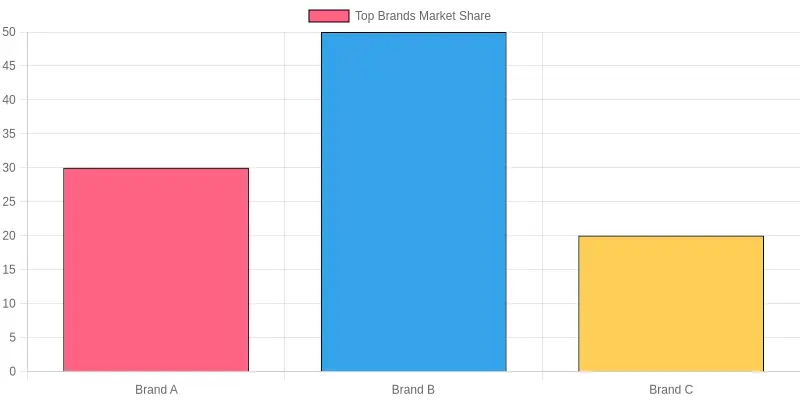
Source: Chart reflecting market share trends for leading brands in organic coffee alternatives.
Future Directions
As the market evolves, companies will need to continually adapt their strategies, focusing on consumer education regarding the benefits of their products. Robust online marketing will not only help in reaching a wider audience but also in building brand trust and loyalty.
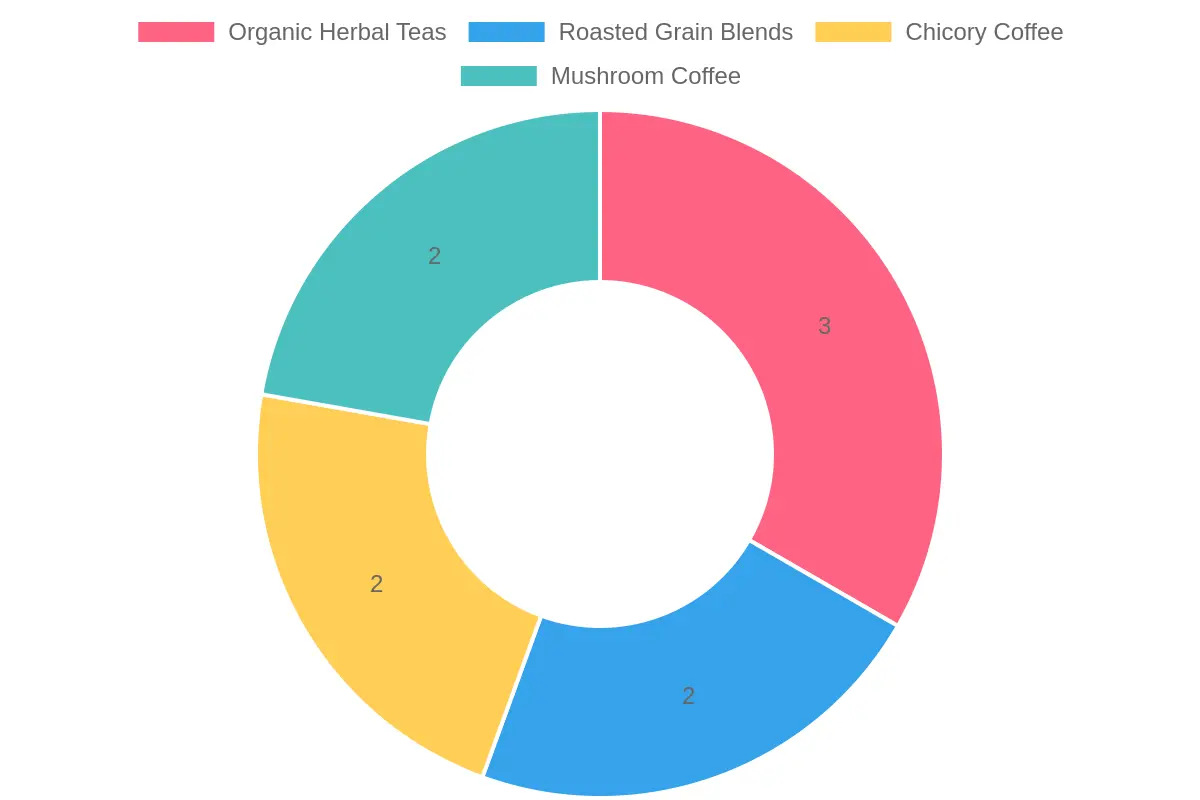
Integrating Organic Coffee Alternatives into Your Business Model
Incorporating organic coffee alternatives into your business model can be not merely a trend but a necessity for adapting to changing consumer preferences. Here are some actionable steps to effectively incorporate these alternatives into your offerings:
1. Conduct Market Research
- Understand Your Target Audience: Identify who among your customers is interested in organic coffee alternatives. Consider surveying your existing customers or utilizing focus groups to gather insights on their preferences.
- Analyze Competitors: Look at what similar businesses are offering. Are they providing any organic coffee alternatives? What has been their success rate? This will help you position your product effectively.
2. Source Quality Ingredients
- Find Reliable Suppliers: Look for suppliers that offer high-quality organic coffee alternatives, such as chicory, dandelion root, or other herbal blends. Ensure that these products are certified organic to meet consumer expectations.
- Check Sustainability Practices: Consider suppliers who prioritize ethical sourcing and sustainability, enhancing your brand’s commitment to eco-friendly practices. You can read more about this on Sustainable Business.
3. Develop Your Product Line
- Create Signature Blends: Develop unique recipes that integrate your chosen organic coffee alternatives. This could include blends of herbal teas or nut-based drinks that can simulate the coffee experience without using coffee beans.
- Test for Flavor and Texture: Ensure that the alternatives you choose still deliver a satisfying taste and texture. Gather feedback through tasting sessions within your team or with a select group of customers.
4. Implement Effective Marketing Strategies
- Highlight Health Benefits: Use marketing to emphasize the health benefits of organic coffee alternatives. Many consumers today are looking for healthier options; highlighting these benefits can attract this audience (check the trends at Health & Wellness Trends).
- Utilize Social Media: Share engaging content, including recipes or brewing techniques for organic coffee alternatives. User-generated content, like customer reviews and photos, can enhance your reach and credibility.
5. Educate Your Staff
- Training: Ensure your staff understands the offerings of organic coffee alternatives, including their benefits, preparation methods, and origins. Passionate and knowledgeable staff can enhance the customer experience.
- Engage with Customers: Train staff to engage customers by explaining the unique aspects of organic coffee alternatives, influencing their purchasing decisions positively.
6. Measure and Adapt Your Offerings
- Gather Customer Feedback: After launch, consistently seek feedback from customers about what they think of the new organic alternatives. Are they enjoying them? What improvements do they suggest?
- Sales Analytics: Monitor sales data to see which products perform well and which do not. This information will help you adapt your inventory and marketing strategies over time.
7. Create Partnerships
- Collaborate with Local Businesses: Partnering with local boutiques or cafes that align with your vision can enhance your product’s visibility. Cross-promotional strategies can increase customer footfall for both businesses.
- Attend Events: Participating in local events or festivals can provide opportunities to showcase your organic coffee alternatives, attract potential customers, and build brand awareness.
Conclusion
Incorporating organic coffee alternatives into your business model requires thoughtful planning and execution. By offering these unique options, you can cater to health-conscious consumers, differentiate yourself from competitors, and contribute positively to a more sustainable future. For additional insights on successfully incorporating high-quality products into your offerings, consider checking out this review on Kirkland Organic Coconut Water to see how quality matters in this transition.
Taking these steps will prepare you to tap into the growing sector of organic beverages, ensuring that your business remains relevant and appealing to a broader market.
“Switching to organic coffee alternatives has transformed my morning routine. I love the smooth, rich flavor of chicory coffee without the jitters. It feels good to support sustainable farming practices while enjoying a healthier beverage that doesn’t upset my stomach.” – A Satisfied Customer
Growth of the Organic Coffee Alternative Market
The organic coffee alternative market has been showing promising growth over the years, driven by increasing consumer demand for healthier, sustainable, and organic beverage options. While specific year-by-year market data is limited, projections suggest a substantial rise in market size from approximately $1 billion in 2018 to an estimated $4.5 billion by 2025. This growth trend reflects growing awareness and preference for organic and environmentally friendly coffee substitutes.
Market Size Growth Chart

The chart illustrates a steady increase in market size, indicating a robust opportunity for business owners interested in entering or expanding their presence in this space. It reflects consumer shifts towards organic alternatives and the broader trend of health-conscious beverage choices.
For businesses interested in related organic and specialty food products, explore organic options available at Costco to understand product diversity and consumer interest better.
Note: Market size figures are based on aggregated projections and industry insights in absence of definitive publicly available data.
Call to Action: Embrace the Future with Organic Coffee Alternatives
In today’s ever-evolving market, business owners must adapt to changing consumer preferences. The shift toward organic coffee alternatives is not just a trend; it’s a significant opportunity for your business. These alternatives do not only cater to the growing health-conscious audience but also align with the sustainability goals prioritized by today’s consumers.
Why Switch to Organic Coffee Alternatives?
- Health Benefits: Many organic coffee alternatives, like herbal teas and grain-based drinks, come without the jitters or crash associated with caffeine. This can create a more enjoyable experience for your customers, as they won’t feel the negative side effects of traditional coffee.
- Sustainability: Organic products are usually produced using methods that reduce environmental impact. By offering these alternatives, your business can appeal to eco-conscious customers, enhancing brand loyalty and trust.
- Diversifying Your Menu: Expanding your offerings to include organic coffee alternatives can help attract a new customer base. More people are seeking options that align with their lifestyles, whether that’s due to health concerns or ethical considerations.
Take the Next Step
Don’t miss out on this chance to improve your business model and cater to a larger audience. Explore the various organic coffee alternatives available and consider how you can incorporate them into your menu. Learn more about organic products and see how you can enhance your offerings today!
Make a choice that benefits your business and the planet. Start your journey toward sustainable practices with organic coffee alternatives and watch your customer base flourish!