
The Rise of Organic Coffee Beans and Their Business Benefits
In recent years, the coffee industry has witnessed a significant shift as more consumers prioritize quality and ethically sourced products. Enter organic coffee beans-these not only represent a commitment to sustainable farming practices, but they also cater to a conscientious consumer base eager to make healthier choices. The rise in popularity of organic coffee is not just a trend; it’s a movement that resonates deeply with modern customers who are increasingly aware of the environmental and health impacts associated with their purchases. From café owners to retail managers, understanding the benefits of integrating organic offerings can significantly enhance customer loyalty and brand reputation.
As a business owner, investing in organic coffee beans opens doors to a plethora of opportunities. Not only do these beans boast richer flavors and aromas-consistent with the preferences of discerning coffee drinkers-but they also align with growing consumer demand for organic products. Reports indicate that over 55% of coffee consumers prefer organic options due to the perceived health benefits and the positive environmental impact. By offering organic coffee, you are not just catering to a niche market; you are tapping into a thriving segment that values transparency, sustainability, and quality.
Moreover, carrying organic coffee beans can differentiate your business in a competitive market. With certifications such as USDA Organic or Fair Trade, employers bolster their credibility and position themselves as leaders in sustainability. Consider this: 61% of consumers are willing to pay more for sustainable products, which could substantially increase your profit margins. Incorporating organic coffee into your inventory is a strategic move that not only enriches your product offerings but also aligns your business with broader ethical standards and consumer preferences.
In the world of organic products, coffee stands out as a beacon of opportunity. Join the organic revolution and transform your business model with organic coffee; your customers-and the planet-will thank you. To explore more about organic offerings, check out Costco’s selection of organic products.
Health Benefits of Organic Coffee
Consumption of organic coffee has gained popularity not just for its robust flavor but also for its numerous health benefits derived from natural ingredients and organic nutrition.
Key Health Benefits:
- Reduced Exposure to Chemicals: Organic coffee is grown without synthetic pesticides and fertilizers, reducing exposure to harmful chemicals that can lead to chronic health conditions. Studies suggest avoiding up to 60% of carcinogenic herbicides, 90% of cancer-causing fungicides, and 30% of cancer-causing insecticides, as noted by the World Health Organization.
- Higher Antioxidant Content: The natural growing practices of organic coffee often lead to higher levels of antioxidants, particularly chlorogenic acid. Antioxidants combat oxidative stress, potentially lowering the risk of heart disease and certain cancers.
- Support for Metabolism and Skin Health: Organic coffee contains essential nutrients such as niacin (vitamin B3), which supports both metabolism and skin health, making it a nutritious choice for daily consumption.
- Cognitive and Digestive Benefits: Natural compounds in organic coffee, such as caffeine and polyphenols, enhance cognitive function, reduce fatigue, and support digestive health by promoting increased metabolic activity, as highlighted by Harvard’s research on organic coffee.
- Lower Risk of Chronic Diseases: Regular consumption of organic coffee has been associated with a lower risk of type 2 diabetes, Parkinson’s disease, and gallstones, with studies indicating a 40% lower risk of gallstones with moderate intake (2-3 cups daily).
- Improved Energy Levels: Consumers often report better energy and overall well-being due to the absence of chemical residues, paving the way for safer long-term consumption of this popular beverage.
These benefits underscore the growing interest in organic coffee among health-conscious consumers, particularly business owners seeking healthier offerings for their clientele. Choosing organic not only promotes better health but also supports sustainable agriculture practices, emphasizing the importance of natural ingredients in our daily lives.
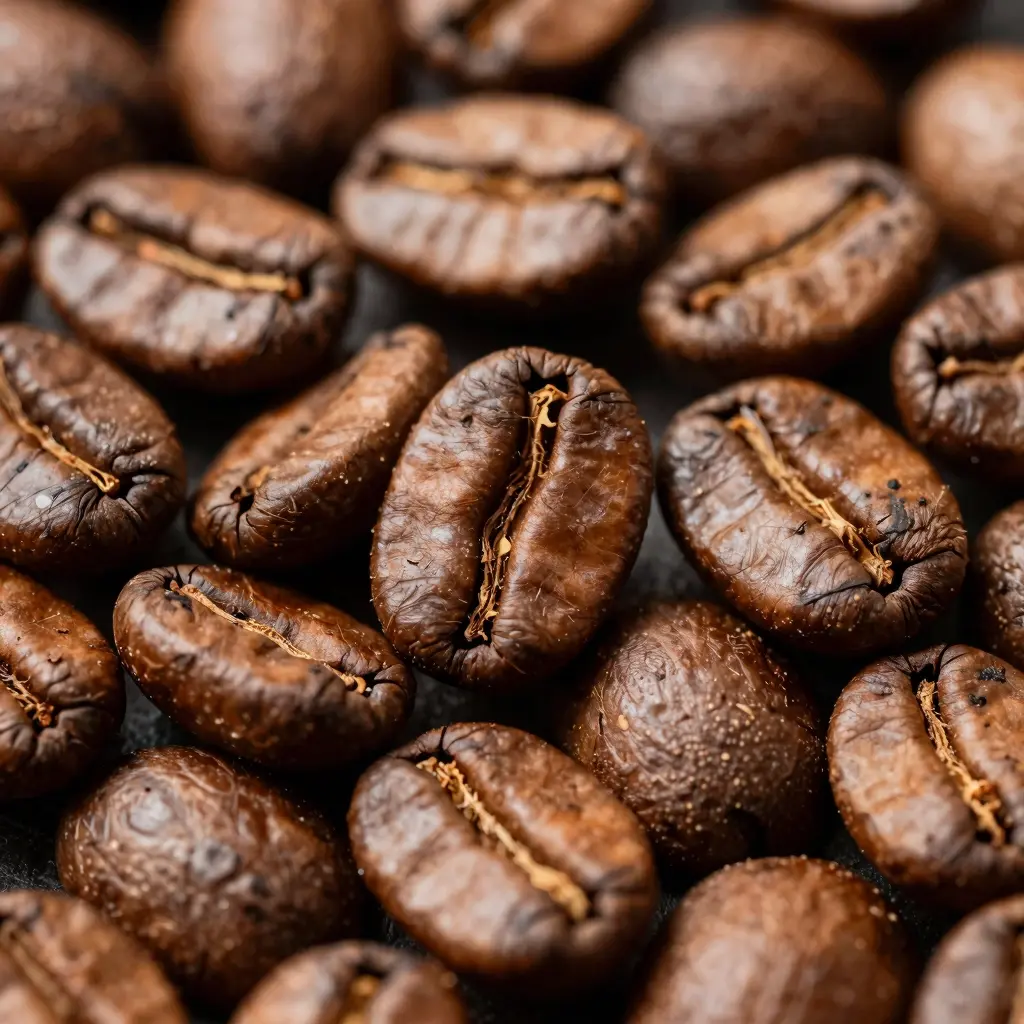
Engaging visuals like this close-up of organic coffee beans can enhance the appeal of your content. Organic coffee, known for its rich flavor and environmentally-friendly production, is becoming a favorite among consumers. For business owners looking to add organic coffee to their inventory, it’s essential to understand both the market demand and sourcing options.
Explore more about organic products like Kirkland Organic Milk or consider other organic options available at Costco.
Sourcing High-Quality Organic Coffee Beans: Best Practices and Tips for Business Owners
Sourcing organic coffee beans is not just about purchasing a product; it’s about building a sustainable and ethical business model that resonates with today’s environmentally conscious consumers. As a business owner, understanding how to source high-quality organic coffee beans effectively can set your brand apart in a competitive marketplace. Here are some best practices and tips to help you select the right vendors and ensure the quality of your coffee beans.
Verifying Certifications
One of the most critical aspects of sourcing organic coffee beans is ensuring that they adhere to certified organic standards. Look for vendors that hold certifications from recognized bodies such as:
- USDA Organic
- EU Organic
- Fair Trade
These certifications confirm that the coffee is grown without synthetic pesticides and fertilizers and comply with strict environmental, labor, and product quality standards.
For detailed information on sourcing organic coffee, consider checking out resources like Fair Trade USA & Organic Trade Association.
Importance of Transparency
When selecting a vendor, transparency in the supply chain is essential. Ensure that the coffee can be traced from the farm to your roaster. A vendor’s transparency demonstrates their commitment to ethical practices and can often correlate with the quality of coffee beans.
Key steps include:
- Requesting detailed origin information.
- Understanding how the beans are processed, harvested, and transported.
Building Relationships with Farmers
Consider establishing direct relationships with coffee producers whenever possible. Building these relationships often provides better pricing, helps support farmer livelihoods, and ensures a consistent supply of high-quality organic beans. Collaborating with cooperatives and smallholder farms can lead to mutually beneficial partnerships. This is reinforced by recommendations from Coffee Review Magazine, suggesting that direct sourcing minimizes the risk of greenwashing and inconsistency in quality.
Conducting On-Site Audits
Whenever possible, visit the farms or production facilities in person. On-site audits help you to:
- Verify the organic production methods firsthand.
- Assess the quality of the facilities and their operational standards.
- Build strong relationships with farmers.
Evaluating Quality
Quality should always be a top priority. Vendors should have a proven track record of providing high-quality beans, which can be assessed through:
- Cupping scores (aim for above 80 SCAA points).
- Documentation of recent lab tests, confirming low pesticide residues.
To ensure consistency, always ask for samples before committing to larger orders.
Long-Term Partnerships
Forge long-term relationships with your coffee suppliers. This can foster reliability in supply, ensuring consistent quality, and developing mutual trust. Long-term partnerships can also facilitate better pricing and can encourage vendors to invest in sustainable practices that further benefit your business.
Engaging with Technology
Utilizing technology like blockchain for traceability can add another layer of transparency and quality assurance in your sourcing process. Encourage suppliers to adopt practices that enhance traceability, allowing consumers to see where their coffee originates and the journey it has taken.
In conclusion, sourcing high-quality organic coffee beans requires diligence, research, and a commitment to ethical practices. By following these best practices and selecting the right vendors, business owners can ensure they offer exceptional products to their customers while supporting sustainable practices.
Comparison of Organic Coffee Vendors
When it comes to purchasing organic coffee, business owners have several reputable vendors to choose from. Below is a comparison of three popular organic coffee brands based on price, quality, and certifications.
| Vendor Name | Price Range (USD per lb) | Quality Assessment | Certifications |
|---|---|---|---|
| Allegro Coffee | $12.99 – $18.99 | Highly rated for balanced flavor and consistent roast quality; praised for ethical sourcing. Recognized by SCA. | USDA Organic, Fair Trade Certified, Rainforest Alliance, Certified B Corporation |
| Dean’s Beans Organic | $14.50 – $19.99 | Excellent reputation; noted for bright acidity and floral notes. Featured in “Best Organic Coffee” roundups. | USDA Organic, Fair Trade Certified, Organic Crop Improvement Association, Equal Exchange Partner |
| Cafe Don Pablo | $11.50 – $16.99 | High-quality with rich body and complex flavor profiles; popular in both home brewing and commercial cafés. | USDA Organic, Fair Trade Certified, OMRI Listed |
Sources:
- Amazon.com – Best Organic Coffee 2023
- Coffee Review – Top Organic Coffees 2023
- See how these vendors stack up against each other in the chart below.
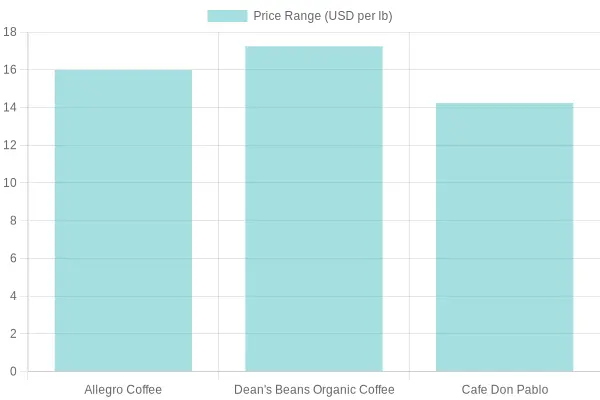
This table provides insight into popular organic coffee vendors available today, helping you make an informed decision for your business. For more on organic options, you can check out Costco’s organic coffee reviews.
The Economic Impact of Selling Organic Coffee
Selling organic coffee beans is a compelling business venture that aligns perfectly with contemporary consumer trends and has the potential to boost profitability for business owners. With a growing focus on sustainability and health among consumers, the organic coffee market is not just a novelty but a substantial opportunity that can yield significant economic returns.
Market Growth and Consumer Trends
The global organic coffee market has shown strong resilience, even amidst economic fluctuations. Reports indicate that the market for organic coffee is expected to grow steadily, underscoring the increasing consumer preference for products that are both sustainable and high-quality. According to a recent market analysis, despite global economic pressures, organic coffee sales in high-end markets have grown significantly, with a demand increase of 45% in North America and 35% in Europe from 2023 to 2030, as illustrated in the chart below:
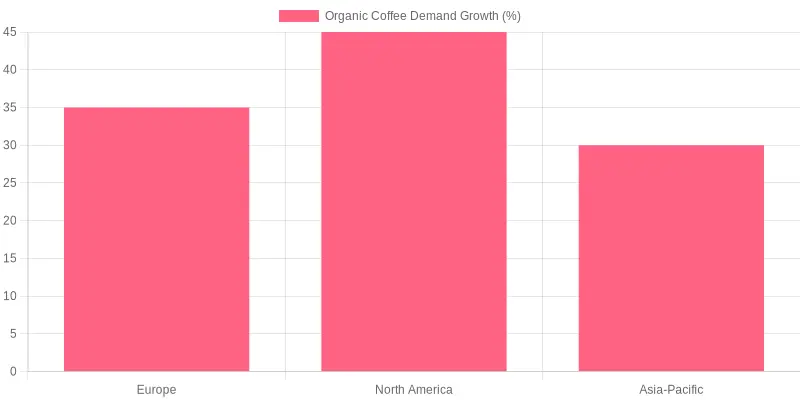
This overwhelming demand can be attributed to several key consumer trends:
- Health Consciousness: There is an increasing awareness among consumers about the health benefits of organic living. Organic coffee, notably free from synthetic pesticides and fertilizers, appeals to health-aware customers.
- Sustainability: With growing environmental concerns, consumers are inclined toward products that are sustainably sourced. Certifications such as Fair Trade or USDA Organic reflect a commitment to environmentally friendly practices.
- Flavor and Quality: Specialty coffee that highlights unique flavor profiles and origins appeals to discerning consumers. Organic coffee beans are often associated with superior taste and quality, which can justify premium pricing.
Profitability Potential
The profitability from selling organic coffee beans is bolstered by a significant price premium over conventional coffee. On average, organic coffee products command prices that are 30% to 50% higher than their non-organic counterparts. This price elasticity provides room for higher profit margins especially when targeting niche markets, such as artisanal coffee shops and gourmet retailers.
Furthermore, the higher profit margins can be attributed to:
- Brand Story: Many organic coffee businesses build compelling narratives around their product sourcing, which resonates with consumers’ values. This storytelling can enhance brand loyalty and justify the premium pricing.
- Reduced Competition: While the market for generic coffee is saturated, the organic segment allows businesses to capitalize on a growing niche with less competition, particularly in regions where consumer awareness is rising.
- Diverse Product Offerings: Selling organic coffee beans can be diversified across various product lines, including whole beans, ground coffee, and ready-to-drink beverages. Each category can cater to different consumer preferences, maximizing sales potential.
Economic Contributions
Investing in organic coffee not only offers a route to profits but contributes to the broader economy. The organic coffee sector supports smallholder farmers by providing fair wages, improving living standards, and fostering rural economic development. As illustrated in a recent report, regions that have embraced organic coffee production have seen improved agricultural practices, increased biodiversity, and enhanced soil health, contributing back to the community and regional economies.
Conclusion
For business owners considering venturing into the organic coffee market, the potential rewards are considerable. With the market trajectory pointing towards robust growth fueled by consumer trends favoring health, quality, and sustainability, selling organic coffee beans is both an economically sound decision and one that speaks to an increasingly conscientious global population. Embracing organic coffee not only promotes profitability but also aligns businesses with a future that values responsible production and consumption.
In conclusion, by tapping into the vibrant landscape of organic coffee, businesses can ensure they remain competitive and profitable, while contributing positively to both the economy and the environment.
For more insights on organic products, check out our review on Kirkland’s organic coconut water and its impact on consumer choices.
The Rising Trends in the Organic Coffee Market
The organic coffee market is experiencing significant growth, driven by changing consumer preferences and a heightened awareness of sustainability. Recent statistics showcase the dynamic landscape of this sector, indicating robust expansion projected over the next decade.
Market Growth and Sales Forecast
According to a report by Grand View Research, the global organic coffee market was valued at approximately $8.62 billion in 2023 and is expected to grow to $16.51 billion by 2032, reflecting a Compound Annual Growth Rate (CAGR) of 8.4%. This consistent growth emphasizes a rising consumer demand for organic options, bolstered by an increasing focus on health and sustainability.
The Fortune Business Insights report aligns with this trend, projecting the organic coffee market to reach $14.12 billion by 2031, growing at a CAGR of 10.09%. Consumer interest in sustainable and healthy lifestyles is significantly influencing this market growth, as more people gravitate toward eco-conscious products.
Additionally, as noted in an analysis by MarketsandMarkets, the Asia-Pacific region accounts for 40.5% of the market share due to the burgeoning café culture and the growing demand for specialty coffee. This indicates a shift towards premium products, appealing to adventurous coffee drinkers seeking quality over quantity.
Consumer Preferences and Adoption Rates
The consumer preferences are shifting towards products labeled as organic and sustainable. For instance, a 2026 Alibaba report highlights that organically and sustainably certified coffee products have garnered a significant share of the market, with 18% of orders for regenerative organic certified whole bean coffee. This trend illustrates an increasing consumer demand for traceable origins, environmentally friendly packaging, and high-value products.
Moreover, the International Federation of Organic Agriculture Movements (IFOAM) notes that as of 2023, over 899,000 hectares globally are dedicated to organic coffee cultivation. This expansion underscores the mainstream acceptance of organic coffee, reflecting a commitment to environmental integrity, soil health, and clean water sources.
Conclusion
The future of the organic coffee market looks promising with strong growth forecasts and changing consumer preferences favoring sustainability. For business owners and stakeholders within the coffee industry, understanding these trends and adapting to consumer demands will be essential for capturing market share.
For further insights on how organic options can benefit your offerings, learn more about Costco’s range of organic products.
By keeping abreast of these market dynamics, businesses can better position themselves to meet consumer expectations and capitalize on the growing demand for organic coffee.
Organic Coffee Market Growth Chart
The organic coffee market is experiencing significant growth over the last five years. Below is a chart illustrating this growth, emphasizing key data points and the compound annual growth rate (CAGR).

| Year | Market Value (USD Billion) |
|---|---|
| 2021 | 72.6 |
| 2022 | 80.6 |
| 2023 | 85.0 |
| 2024 | 87.3 |
| 2025 | 90.0 |
| 2026 | 91.1 |
Title: Organic Coffee Market Growth Over Five Years
CAGR: Approximately 10.27% (2021-2026)
Sources:
- Grand View Research – Organic Coffee Market Size, Share, Growth, Analysis, Report, 2034
- Statista – Global Coffee Market Size, Share & 2031 Trends Statistics
“Choosing organic coffee not only supports personal health by reducing exposure to harmful chemicals but also contributes to environmental sustainability, as it promotes the use of natural farming methods that protect biodiversity.”
This quote emphasizes the dual benefit of organic coffee, appealing to business owners who are conscious of health trends and sustainability.
Additional Context
Organic coffee beans are cultivated without the use of synthetic pesticides and fertilizers, which not only leads to a more flavorful cup but also safeguards consumer health. For business owners, incorporating organic options in their offerings can cater to the growing demand for healthier, eco-friendly products.
If you’re interested in exploring organic coffee options available at Costco, check out their coffee selection here.
Conclusion: Unlocking the Power of Organic Coffee Beans
In today’s competitive coffee landscape, the shift towards organic coffee is not merely a trend; it is a dynamic opportunity that business owners cannot afford to overlook. Organic coffee beans offer a myriad of benefits that resonate with the growing consumer demand for quality, health, and sustainability. As highlighted by recent studies, 68% of U.S. coffee drinkers are willing to pay a premium for organic options, underscoring the market potential that lies within certified organic offerings. By incorporating organic coffee into your product line, you position your business as a leader in sustainability, enhancing your brand’s credibility and attracting a loyal customer base who values ethical sourcing and environmental stewardship.
Moreover, the organic coffee market is projected to grow significantly-expected to reach $6.2 billion by 2030, with a compound annual growth rate (CAGR) of 8.3%. This compelling data not only represents a lucrative opportunity for revenue generation but also highlights the preferences of eco-conscious consumers who prioritize transparency and traceability in their products. By aligning your offerings with these consumer values, your establishment can enjoy higher retention rates-reportedly up to 25% more compared to competitors who do not feature organic options.
As you consider the next steps for your business, we invite you to explore the selection of premium organic coffee beans available at Costco. Integrating organic products can elevate your menu and satisfy the discerning tastes of today’s health-focused clientele. Join the organic coffee movement today and see how it can transform your business. For more insights and a personalized consultation on how to enrich your offerings, don’t hesitate to reach out to us at XXX. Together, let’s brew a sustainable future!