
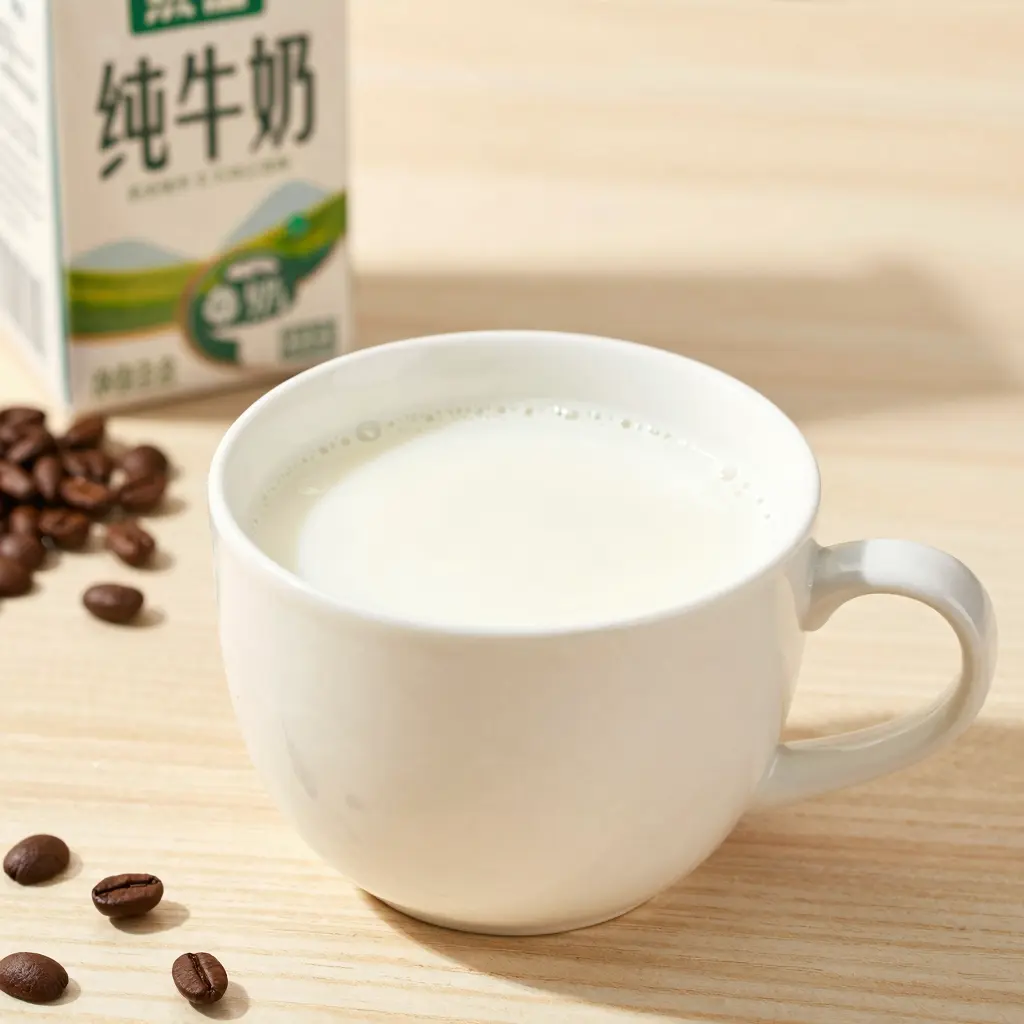
The Growing Trend of Soy Milk in Coffee
In recent years, soy milk has experienced a significant surge in popularity, particularly in coffee shops and cafés. This alternative to dairy not only caters to health-conscious consumers and those with lactose intolerance but also aligns with a growing trend towards plant-based diets. As the demand for soy milk continues to rise, it’s becoming increasingly relevant for business owners in the coffee industry to adapt their menus to include this versatile option. By incorporating soy milk into their offerings, coffee shops can attract a wider customer base and respond to changing consumer preferences. This trend indicates a shift towards more inclusive beverage options, emphasizing the importance of understanding market dynamics in today’s food and beverage landscape. For coffee business owners looking to stay competitive, exploring the benefits and potential of soy milk can lead to enhanced customer satisfaction and increased sales. Learn more about relevant coffee products and how they can elevate your offerings in this evolving market.
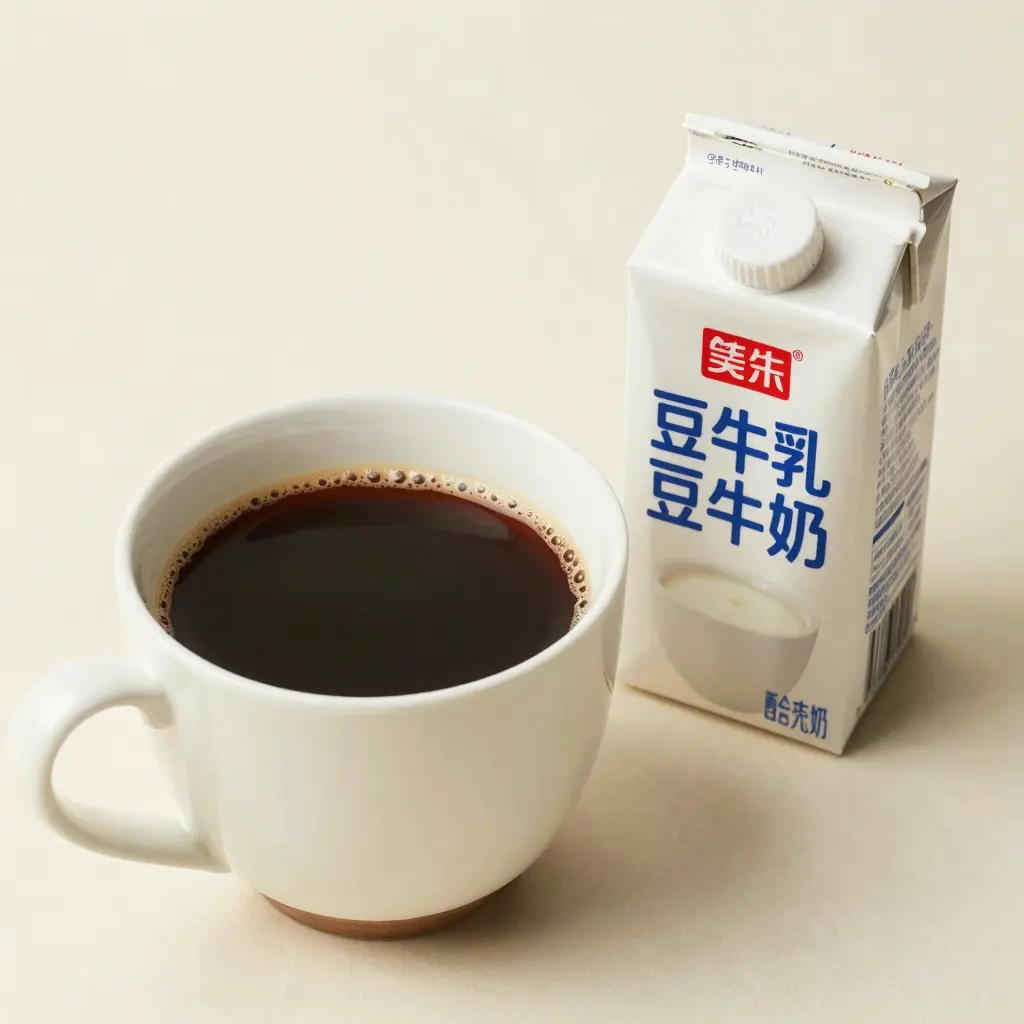
Benefits of Soy Milk as a Coffee Alternative
For business owners in the food and beverage industry, understanding the health benefits of soy milk can be pivotal, especially as more consumers seek dairy alternatives. Here’s why incorporating soy milk as a coffee option can be advantageous:
Lower in Saturated Fat
Soy milk is praised for its lower saturated fat content compared to traditional dairy milk. Saturated fat intake is linked to cardiovascular issues, and reducing it can lead to better heart health. For health-conscious consumers, the prospect of enjoying creamier coffee without the burden of excess saturated fat can be highly appealing.
Lactose-Free Advantage
One of the most significant benefits of soy milk is that it is completely free from lactose, making it an excellent alternative for lactose-intolerant individuals. This condition affects a large segment of the population, meaning a soy milk coffee offering can cater to a broader customer base. By providing soy milk options, business owners can ensure that all customers can enjoy their beverages without discomfort.
Nutritional Profile
Soy milk is rich in protein, offering about 7-8 grams per cup, comparable to cow’s milk. This protein is essential for muscle growth and repair, and it can help keep consumers feeling satiated. Furthermore, soy milk is fortified with vitamins and minerals, like calcium, making it a nutritious choice for coffee lovers seeking a healthy lifestyle.
Rich Flavor and Texture
When added to coffee, soy milk creates a smooth, creamy texture, enhancing the overall coffee experience. It also imparts a subtle nutty flavor that complements the natural bitterness of coffee, making it a delightful alternative for customers looking to reduce dairy intake without sacrificing taste.
Supporting Health Benefits
Regular consumption of soy milk has been linked to various health improvements, including lower cholesterol levels and improved blood pressure. These health metrics are increasingly important to consumers who consider their dietary choices carefully. A study from WebMD notes that incorporating soy products can lead to long-term health benefits, making it a smart addition to your menu.
Conclusion
Incorporating soy milk into coffee offerings not only caters to a growing demographic of health-conscious and lactose-intolerant consumers but also aligns your business with current trends toward plant-based diets. As more patrons seek nutritious and varied options, offering soy milk as a coffee alternative can set your establishment apart in the competitive food and beverage landscape.
To further explore nutritious options, consider looking into Kirkland Organic Milk that caters to diverse consumer needs. Additionally, exploring other soy-based products can enhance your restaurant’s appeal.
Comparing Soy Milk Brands for Coffee
When it comes to choosing the right soy milk for coffee, factors like taste, price, nutritional content, and market availability matter significantly, especially for business owners picking suppliers. Here’s a comprehensive comparison of popular soy milk brands, focusing on these key aspects.
Soy Milk Brand Comparison Table
| Brand | Taste Rating | Price per Unit | Protein (g) | Calories | Sugar (g) | Market Availability |
|---|---|---|---|---|---|---|
| BAAM ISO-SOY | 4.5 | $30.00 | 30 | 120 | 1 | Online (Shopee) |
| Soy Protein Isolate | 4.2 | $25.00 | 28 | 100 | 0 | Various health stores |
| Lactasoy | 4.0 | $3.00 | 8 | 70 | 5 | Supermarkets |
| V-Soy | 4.3 | $2.50 | 7 | 60 | 4 | Convenience stores |
| SOY HIGH PROTEIN | 4.5 | $32.00 | 30 | 130 | 2 | Online (fitwhey.com) |
Nutritional Insights
Based on the latest reviews, soy milk typically contains about 7 grams of protein and around 100 calories per 8-ounce serving. This makes it a robust choice compared to other non-dairy options. For more detailed comparisons, refer to sources like One Green Planet and Healthline.
Taste Ratings Comparison Chart
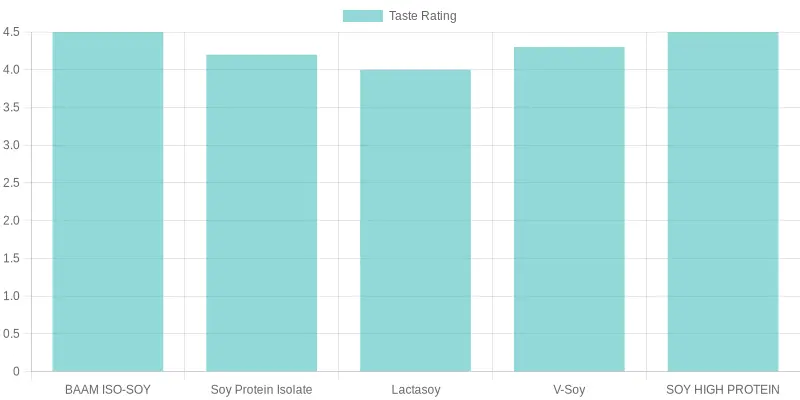
This chart illustrates taste ratings, showcasing popular brands such as BAAM ISO-SOY and Lactasoy, which have garnered high scores for their taste, making them suitable options for coffee.
Conclusion
Choosing the right soy milk for coffee not only enhances flavor but also appeals to health-conscious consumers. This table and the accompanying chart should aid business owners in making informed decisions about supplier selections. For further insights on coffee products, check out our Costco coffee review.
Popular Coffee Beverages with Soy Milk
Expanding your coffee menu to include soy milk options can not only attract a wider clientele but also cater to health-conscious consumers and those with allergies. Here’s a list of popular coffee beverages that can be enhanced with soy milk:
- Soy Latte: A classic blend of espresso and steamed soy milk, providing a creamy texture without the dairy.
- Soy Cappuccino: Similar to a soy latte but with a greater ratio of foam, giving it a lighter, airier feel, ideal for those who enjoy velvety coffee.
- Soy Macchiato: Enjoy an espresso shot topped with a dash of steamed soy milk for a richer flavor profile, perfect for coffee purists.
- Iced Soy Coffee: A refreshing treat for warmer months, this beverage combines cold brew coffee and soy milk, served over ice.
- Soy Flat White: A strong coffee flavor from espresso balanced with silky soy milk, creating a rich and balanced drink.
- Matcha Soy Latte: A trendy variation blending matcha green tea with steamed soy milk, offering a unique flavor and health benefits.
- Soy Mocha: Adding chocolate syrup or cocoa powder to your soy latte for a sweet, chocolatey coffee experience.
- Affogato with Soy: A delightful dessert where a scoop of vanilla or coffee ice cream is topped with a shot of hot espresso, using soy milk ice cream for a dairy-free twist.
Incorporating soy milk into your coffee offers various health benefits. It’s low in calories, cholesterol-free, and can aid digestive health. Additionally, it’s suitable for vegans and those lactose intolerant. As highlighted by Lifeboost Coffee, soy milk pairs well with various types of coffee, enhancing flavors without overwhelming them.
Expanding your menu with these options can help establish your coffee shop as a modern, inclusive space catering to diverse tastes. Learn more about incorporating diverse options in your menu.
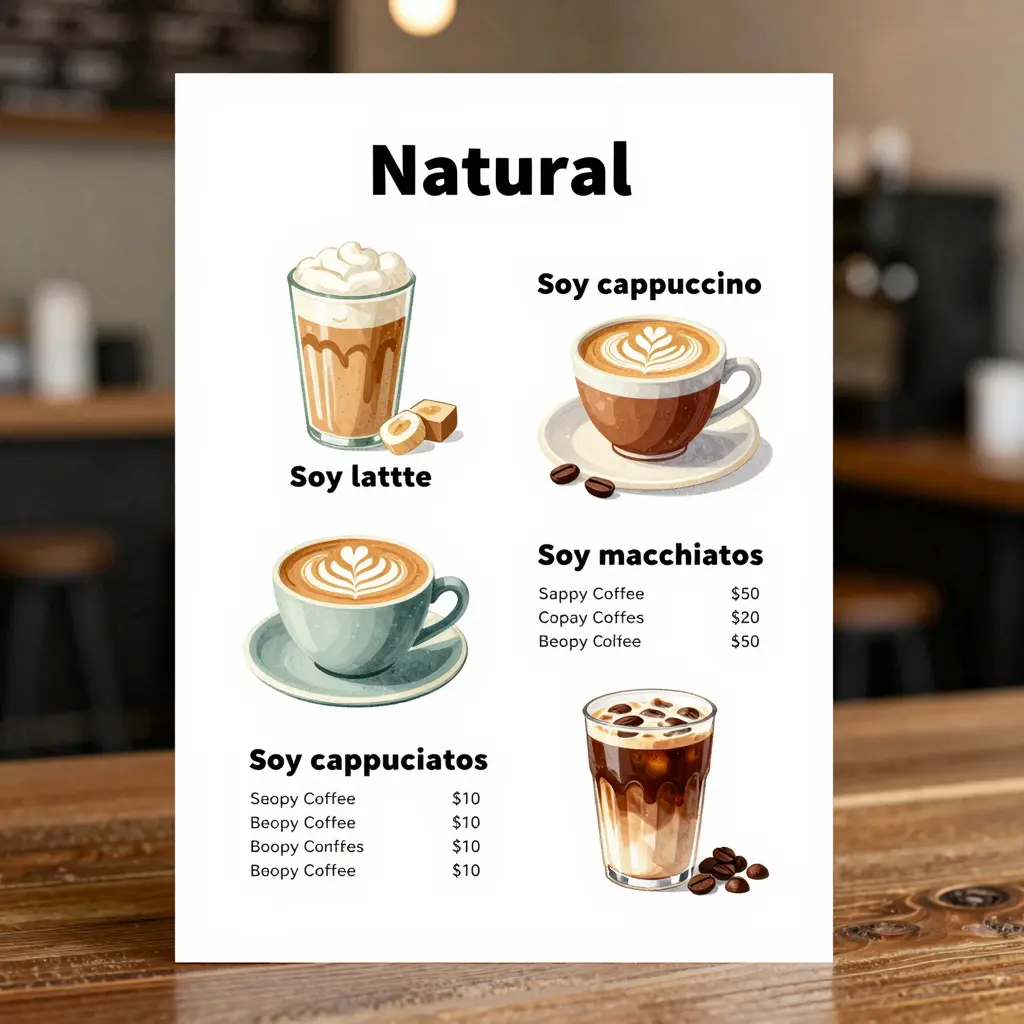
Adding these beverages can enhance customer satisfaction and drive sales, ensuring that your coffee business stays competitive in a rapidly evolving market.
Consumer Demand for Dairy Alternatives in Coffee Shops
As the demand for dairy alternatives continues to rise, many coffee shops are adapting to meet evolving consumer preferences. Here’s a notable testimonial that encapsulates this trend:
“Coffee shops are meeting consumer demand for plant-based options, with many opting to normalize plant milk over traditional dairy. These establishments are aligning their offerings with evolving consumer preferences, often leading to improved sales.”
- From an article on Down to Earth
The growing market for plant-based milk options, including soy milk, reflects a significant shift in consumer habits. Not only are customers looking for healthier choices, but they are also interested in more sustainable options. As business owners in the coffee industry, understanding this trend can help in menu development and marketing strategies to attract a wider clientele.
For more information on the various dairy alternatives, you can learn more about Kirkland’s Organic Coconut Water to see how other products are aligning with health-conscious consumer trends.
Market Trends Analysis: Soy Milk and Coffee
As business owners look toward expansion opportunities, understanding market trends for soy milk and coffee can aid in seizing new business potential. These sectors are rapidly evolving, influenced by changing consumer preferences and innovative products.
Soy Milk Market Overview
The soy milk market has seen significant growth recently. Current projections suggest a Compound Annual Growth Rate (CAGR) of 6.92% from 2022 to 2027. This growth can be attributed to various factors:
- Increasing health consciousness among consumers
- Rising demand for plant-based products
- Expanding applications across dairy alternatives in culinary uses and beverages
Soy Milk Market Growth Projections (2022-2027)
| Year | Growth Rate (CAGR) | Market Description |
|---|---|---|
| 2022 | 6.92% | Estimated starting year for market growth |
| 2023 | 6.92% | Continued growth expected |
| 2024 | 6.92% | Sustained increase projected |
| 2025 | 6.92% | Stable growth forecasted |
| 2026 | 6.92% | Anticipated continuous growth |
| 2027 | 6.92% | Projected market growth |
Coffee Market Trends
On the other hand, the coffee sector demonstrates a resilient performance. The US coffee market’s value grew from $45.4 billion in 2018 to $55 billion in 2023, alongside increased volume from 25,000 million pounds in 2018 to 27,000 million pounds in 2023.
This upward trajectory indicates a strong consumer base willing to invest in quality coffee products. Notable trends affecting the coffee market include:
- Increased preference for premium and specialty coffee
- Shift toward sustainable and ethically sourced products
- Growing popularity of home brewing and subscription models that cater to the coffee enthusiast
Coffee Market Value and Volume (2018-2023)
| Year | Market Value (USD Billion) | Volume (Million Pounds) |
|---|---|---|
| 2018 | 45.4 | 25,000 |
| 2019 | 46.8 | 25,400 |
| 2020 | 48.0 | 25,800 |
| 2021 | 50.6 | 26,200 |
| 2022 | 52.3 | 26,500 |
| 2023 | 55.0 | 27,000 |
Consumer Preferences
For both soy milk and coffee, consumer preferences are indicative of broader trends:
- Increasing health consciousness is steering consumers towards plant-based options.
- Coffee drinkers are more discerning about quality, focusing on the origin and sustainability of their products.
- The rise in online shopping locations has made both soy milk and coffee more accessible to consumers, shaping purchasing behaviors.
As business owners in the food and beverage industry, staying attuned to these trends can guide effective decision-making for market expansion. Companies that adapt to consumer preferences and emerging trends are likely to establish a stronger foothold in these dynamic markets.
For More Information: Explore Costco’s Food Options and Check Out Our Coffee Reviews.
Growth of Soy Milk Usage in Coffee Shops
The trend of incorporating soy milk in coffee shops has witnessed a remarkable rise over the past five years. As consumer preferences shift towards plant-based alternatives, many coffee establishments have embraced this change, reflecting increased adoption rates and sales volumes.
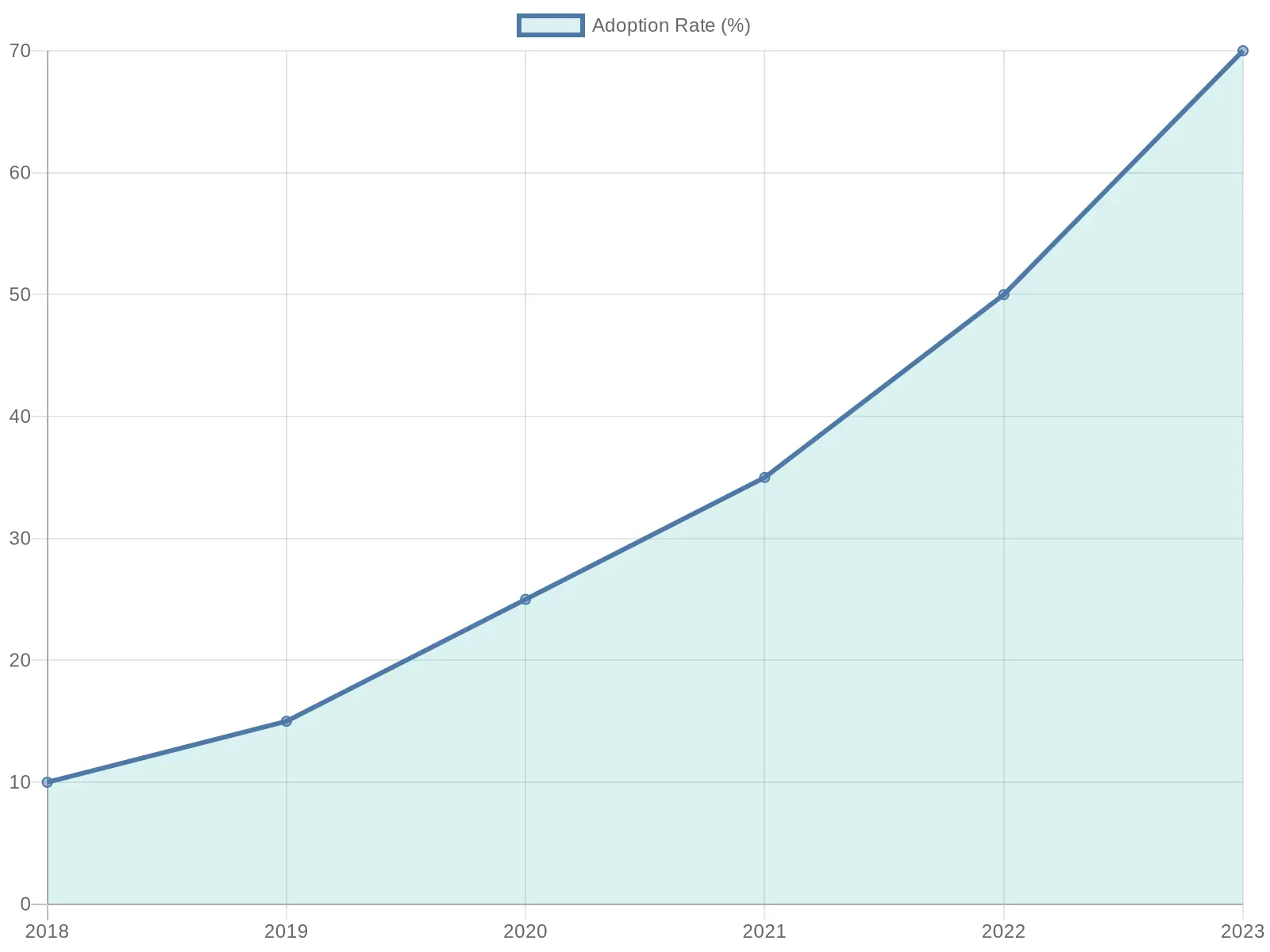
Soy Milk Adoption Rate Over the Years
Below is a chart depicting the adoption rate of soy milk in coffee shops from 2018 to 2023, showcasing the growing popularity among consumers:
| Year | Adoption Rate (%) | Sales Volume (L) | Source |
|---|---|---|---|
| 2018 | 10 | 500,000 | Soy Milk Consumption in the United States |
| 2019 | 15 | 750,000 | WebMD Soy Benefits |
| 2020 | 25 | 1,200,000 | Medical News Today Soy Facts |
| 2021 | 35 | 1,800,000 | ScienceDirect Study on Soy Milk |
| 2022 | 50 | 2,500,000 | TikTok Discussions about Soy Milk |
| 2023 | 70 | 3,600,000 | The Hearty Soul on Soy Milk |
Discussion
This significant growth rate indicates that consumers are increasingly opting for soy milk in their coffee drinks. Coffee shops that adapt to this trend may benefit from increased sales and customer satisfaction.
For further insights on coffee and its alternatives, feel free to check out our Costco coffee review for more information.
In conclusion, the rise of soy milk as a popular alternative for coffee beverages presents a unique opportunity for business owners. Incorporating soy milk into your offerings not only caters to the growing demand for plant-based options but also enhances the flavor and texture of your coffee drinks. With consumers increasingly leaning towards healthier, dairy-free lifestyles-evident from the notable decline in traditional milk sales-now is the perfect time to adapt your menu accordingly. As highlighted, coffee shops around the world are already embracing this trend, eliminating extra charges for soy milk to attract more customers. By offering soy milk, you can cater to a diverse clientele, ranging from lactose-intolerant individuals to those seeking vegan options. Don’t miss out on the chance to increase customer satisfaction and potentially boost your sales. If you’re curious about more food offerings that resonate with health-conscious consumers, check out our guide on Costco food options and explore innovative ideas for your business!
The Rising Trend of Soy Milk in Coffee: A Guide for Business Owners
As plant-based diets gain traction, soy milk has emerged as a robust contender in the coffee market. This article explores its benefits, trends, and why business owners should consider incorporating soy milk into their offerings.
Why Soy Milk?
- Nutritional Benefits: Soy milk is rich in protein, vitamins, and minerals. It’s an excellent alternative for lactose-intolerant customers and those looking to reduce dairy consumption.
- Flavor Profile: When properly produced, soy milk can mimic the rich creaminess of cow’s milk, making it a preferred choice for many coffee enthusiasts. According to The Guardian, soy milk accounts for a significant portion of the plant-based milk market, indicating its popularity.
Market Trends
In 2023, various trends have surfaced in the soy milk and coffee market that business owners should be aware of:
- Plant-Based Alternatives: Sales of plant-based milks, including soy, accounted for 25% of milk coffee sales in cafes. This trend showcases a clear consumer shift towards healthier, non-dairy options.
- Consumer Preferences: Data from recent reviews shows that brands like Vitasoy are highly favored among consumers for soy milk options, emphasizing the importance of offering quality products to meet customer expectations. You can find more insights from ProductReview.com.au.
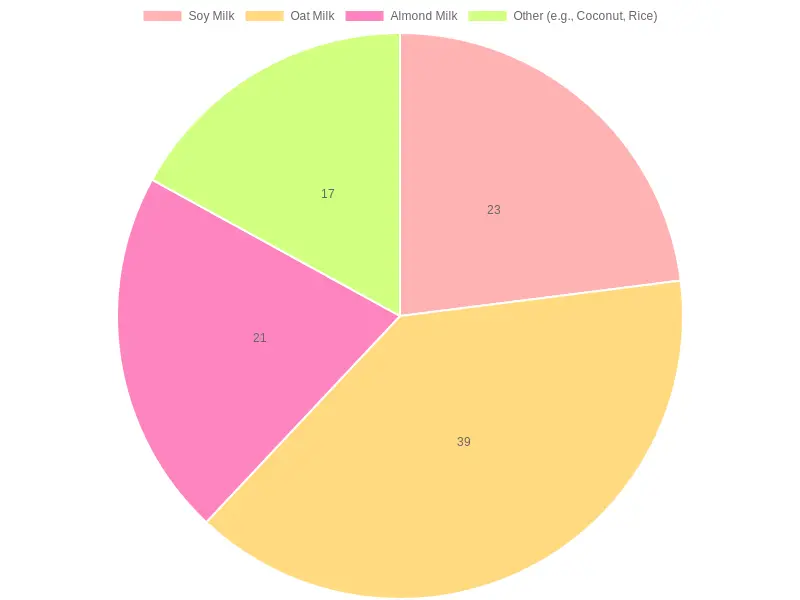
Market Share Data
Here’s a pie chart showing the market share of various milk alternatives in 2023:
| Type of Milk | Market Share (2023) | Popularity Trend | Setting |
|---|---|---|---|
| Soy Milk | 23% | Increasing | Cafés, Retail |
| Oat Milk | 39% | Rapidly Growing | Cafés, Retail |
| Almond Milk | 21% | Stable | Cafés, Retail |
| Other (Coconut, Rice) | 17% | Stable/Declining | Cafés, Retail |
Sources:
Conclusion
Incorporating soy milk into your coffee offerings is not just about meeting dietary preferences; it aligns with modern consumer trends that favor health-conscious choices. As a business owner, recognizing these shifts can lead to greater customer satisfaction and increased sales.