
The demand for high-quality, grass-fed beef has surged as health-conscious consumers seek nutritious options. Kirkland’s Sliced Grass Fed Beef Sirloin stands out in this marketplace, offering a product that combines quality, convenience, and affordability. In this review, we will delve into the product’s features, analyze its pricing and quality, and gather consumer feedback. By examining these facets in detail, business owners can make informed decisions when considering meat sources for their establishments or when catering to health-focused clientele.
Sliced Grass-Fed Sirloin: A Practical Review of Convenience, Nutrition, and Flavor
Sliced grass-fed sirloin presents itself at the butcher’s counter and in the freezer aisle as a curious blend of two demands that rarely overlap in one product: speed and nutrition. The allure is clear for home cooks who want lean, protein-forward meals without spending hours at the stove. Thinly sliced beef can transform weeknights, turning what might have been a laborious dinner into something you can plate in minutes after a long day. Yet the appeal goes beyond convenience. Grass-fed beef, produced from cattle finished on pasture rather than grain, invites a conversation about flavor, texture, and how a cut’s biology translates to the cooking experience. This chapter follows that thread, offering a cohesive look at what sliced grass-fed sirloin can deliver in the kitchen, how best to treat it, and what to expect when you compare it to other lean, ready-to-cook beef offerings on the market. It is a discussion that honors both culinary craft and the practical realities of a modern pantry, where time, nutrition, and money all pull in different directions but must still converge on a satisfying plate.
The lean character of grass-fed beef is often the first thing cooks notice. When cattle graze, their energy sources come from forage rather than corn, and that diet tends to yield a leaner carcass with less intramuscular fat, or marbling, compared with conventional grain-fed beef. The slices that are marketed for quick cooking emphasize that lean profile: each piece typically carries less visible fat along its edges, and the overall mouthfeel can feel more compact, brisk, and compact in a single bite. Nutrition researchers describe the leaner profile as a double-edged sword. On one hand, there can be more heart-healthy fats in the sense that the fat is more balanced with omega-3 fatty acids and conjugated linoleic acid (CLA). On the other hand, the same leanness can translate to a drier, firmer bite if the meat is cooked too aggressively or is not allowed to rest after searing. For cooks who value a robust beefy taste without excess fat, this can be a compelling trade-off, especially when slices are evenly cut and uniformly thin, which helps maintain tenderness when prepared quickly.
One of the practical advantages of sliced sirloin is a consistent thickness that supports predictable cooking. When slices arrive in a package that has been trimmed and portioned, the cook gains a rare degree of control that is often hard to achieve with larger roasts or thicker steaks. Even cooking becomes more feasible, and that means you can press the pan or grill hard enough to create a crust while preserving the interior. The contrast between the browned exterior and the inner texture is one of the pleasures of a properly cooked, sliced lean cut. The payoff, however, depends on how well the slice is prepared before it hits heat. A gentle thaw, a light pat-dry, and a quick, brisk sear are all part of the choreography that makes lean, sliced meat sing rather than dry out. This approach also helps minimize shrinkage during cooking—a common frustration when working with lean cuts—so you end up with more dinner from your portion than you expected.
Cooking versatility is where this format earns its keep in a busy kitchen. The thin slices lend themselves to a wide spectrum of techniques: a fast pan-sear on high heat to seal in juices, a brief grill session for a smoky finish, or a rapid stir-fry where the goal is to keep the meat just tender enough while the vegetables finish cooking around it. In sandwiches or wraps, the tenderness of the slices can be a defining feature if the meat has been sliced against the grain and not allowed to overcook. For stir-fries, the key is to have the wok or skillet screaming hot so that the slices sear quickly, developing color and flavor on the exterior while staying juicy on the inside. A simple marinade—garlic, olive oil, a splash of soy or citrus, and a dash of pepper—can further elevate the beef without overpowering its natural flavor. The marinade serves two purposes: it enhances taste and it adds a touch of moisture that can be especially welcome given the lean profile.
The flavor profile of sliced grass-fed beef is often described as clean and beef-forward, with a noticeable freshness that reflects the cattle’s forage-based diet. Some tasters pick up subtle grassy notes or pasture-like nuances, while others experience a more restrained profile where the meat reads as straightforward beef with a bright, almost brisk finish. These impressions vary based on factors such as aging, the exact forage mix, and how the meat was finished before it was sliced. For cooks who crave a deeper, more complex note, select slices can be paired with a bold finishing sauce or a quick roast of aromatics that bloom in the pan. The goal is to preserve that core beef flavor while adding a complementary layer of aroma from garlic, herbs, citrus zest, or a touch of soy for umami depth. Taken together, the beef offers a balance that many home cooks appreciate: a lean, confident flavor that benefits from a little culinary support rather than masking it with heavy fats or elaborate techniques.
A recurring point of discussion among home cooks is value. Lean, ready-to-cook cuts can appear pricier at first glance, particularly in a marketplace where specialty labels promise health and provenance. Yet when you weigh the product against the time saved, the portion-controlled packaging, and the consistency of slicing, many buyers find the overall cost-per-meal compelling. The convenience of having evenly sized portions ready to pop into a pan means fewer impulse purchases, less waste, and a more predictable dinner plan. The packaging itself—vacuum-sealed and designed for freezing—adds another layer of practicality. For households that prefer to shop in bulk and keep a freezer stash, the ability to thaw a few slices at a time without defrosting an entire slab can translate into real savings and fewer trips to the store. The value proposition is not just the price per pound but the cost of time and the peace of mind that comes with reliable portioning and reliable cooking performance.
But no product exists in a vacuum, and the grass-fed sliced sirloin is no exception. It carries with it considerations that influence the cooking results as much as any brand label might. Consistency in thickness matters precisely because lean slices can dry out quickly if they are not treated with care. The recommended approach for most lean slices is a hot pan, a quick sear, and a rest period that lets juices redistribute. Resting is particularly important for leaner cuts, where rushing to slice immediately after cooking invites an abrupt surge of heat and a tougher bite. The rest period does not have to be long—just enough time for the fibers to reabsorb some moisture and for the surface temperature to drop a notch, allowing the meat to stay juicy as you cut and plate. This simple pause, often just a few minutes, makes the difference between a good slice and a great one.
Another dimension to consider is the label itself and what it communicates about how the meat was produced. Grass-fed claims are more than marketing; they reflect the animal’s diet and living conditions, which in turn shape texture and flavor. When shopping, many cooks find it worth examining other aspects of the product, such as aging, certification, and any added marinades or solutions. While a lean sliced product can perform beautifully with a straightforward seasoning, some versions include salt or a light marinade, which can help with moisture retention and tenderness. Reading the label becomes part of the cooking ritual, guiding decisions about how to season, whether to marinate, and how aggressively to heat the pan. The goal is to align the product’s inherent characteristics with the day’s menu and the cook’s skill level, rather than forcing the meat to conform to a preconceived method that ignores its natural tendencies.
From a practical standpoint, planning meals around sliced grass-fed sirloin makes sense if you value speed without sacrificing healthful ingredients. For a family that embraces protein-forward dishes, the slices can anchor a week of varied meals: quick bowls with vegetables and noodles, tacos with a bright salsa, fajitas with peppers and onions, or a simple sauté served over a bed of grains. The flexibility of thin slices means you can vary textures and flavors with relatively little effort, and you can keep the cooking schedule under control even on the busiest days. The cost of such flexibility, as with any premium product, depends on how often you choose to use it, how often you restock, and how creatively you leverage the slices to maximize flavor and texture. When you factor in the potential health benefits associated with pasture-based beef, some shoppers find that this balance of convenience, nutrition, and taste justifies the investment for everyday meals rather than occasional splurges.
To further enrich the discussion for readers who want to compare experiences or dig deeper into consumer feedback, there is a dedicated review page that gathers perspectives on this particular sliced product. This resource can offer practical tips and diverse opinions about tenderness, ease of use, and flavor outcomes across different cooking methods. costco-sliced-grass-fed-beef-sirloin-review. This page serves as a helpful counterpoint to personal experience, helping readers calibrate expectations and refine their own approach to preparing lean, sliced beef. A careful reader will use that community input to inform decisions about marinating, searing time, and whether to pair the meat with bright, acid-driven sauces or richer, butter-forward finishes. Reading reviews alongside your own cooking results can illuminate nuances that a single opinion might miss, especially when you are trying to optimize texture without sacrificing the lean, clean profile that grass-fed beef offers.
The practical takeaway is straightforward. Sliced grass-fed sirloin can be an excellent everyday protein when you approach it with a plan: thaw properly, pat dry, season distinctly but not overpoweringly, sear briefly to develop color, and rest before slicing to serve. Think of it as a canvas for simple flavors rather than a heavy-handed centerpiece that needs a lot of heavy sauce or added fat. For cooks who crave reliability, the thin, uniform slices provide a predictable starting point, turning what could be a time-intensive dish into something consistent and approachable. The texture holds up well in a pan with a short, high-heat encounter, and the taste remains recognizably beefy without the heaviness that sometimes accompanies fattier cuts. The result is a practical, modern cooking experience that respects both the animal’s life and the cook’s time.
If the reader is curious about how this whole category fits into broader conversations about healthier meat choices and sustainable dining, a useful next step is to consult credible nutrition and food-safety resources that discuss grass-fed beef’s place in a balanced diet. For a broader view on red meat and how different production practices influence nutrition, the Harvard Nutrition Source offers perspective on how these choices relate to health outcomes and dietary patterns. You can explore that external resource here: https://www.hsph.harvard.edu/nutritionsource/food-features/red-meat/ .
In summary, sliced grass-fed sirloin embodies a pragmatic fusion of dietary preference, culinary technique, and everyday practicality. Its lean profile, consistent portioning, and versatility across cooking methods make it a compelling option for households that prize both healthful eating and quick meals. The key to success lies not in chasing a flawless, one-size-fits-all method, but in recognizing the slice as a flexible tool—a canvas that invites you to tailor seasoning, heat, and timing to your palate and your schedule. When approached with respect for the meat’s natural tendencies and a plan for how to maximize tenderness and flavor, this sliced format can elevate weeknight cooking from routine to reliably satisfying, all while staying aligned with a lifestyle that values nutrition, efficiency, and taste. The result is a dinner experience that honors practical needs without compromising the pleasures of a well-prepared plate.
Internal reference: costco-sliced-grass-fed-beef-sirloin-review
External resource: Harvard Nutrition Source on red meat
Kirkland Sliced Grass-Fed Beef Sirloin Review: Quality, Flavor, and Value from Costco’s Grass-Fed Kitchen
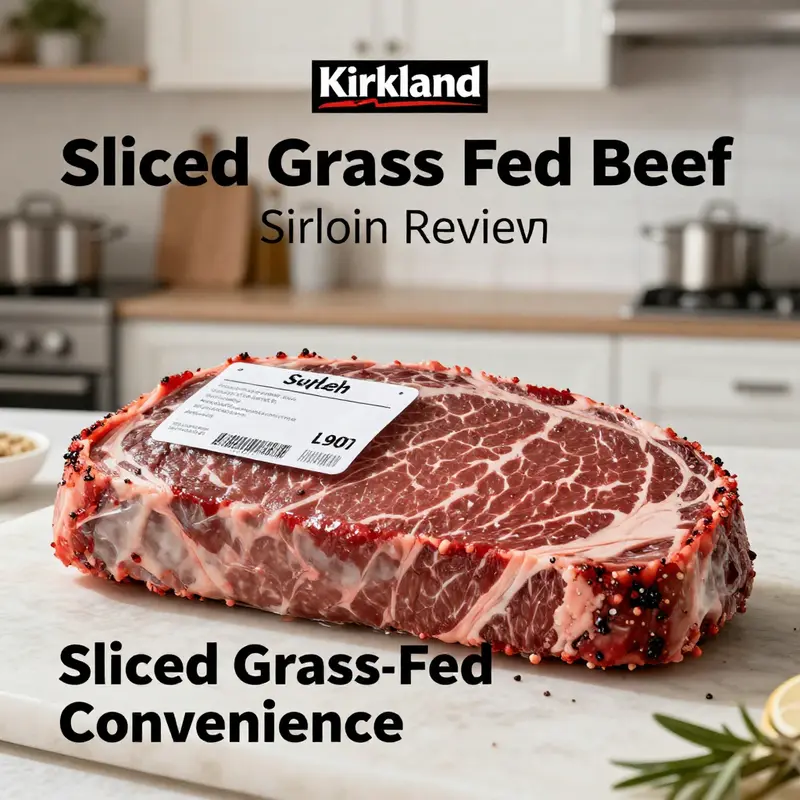
When we turn the page to a widely available, members-only resource for meat—the kind of product that sits in a frozen aisle and stares back at you with a clean vacuum seal—the expectation is often practicality first, then quality. The Kirkland Sliced Grass-Fed Beef Sirloin, available through Costco, sits at a unique crossroads in the retail landscape. It belongs to a tradition of store-brand beef that promises both reliability and value, a blend of agricultural storytelling and logistical efficiency that makes it more than just a dinner protein. In surveys of kitchen practice, this particular cut is often picked not for drama but for its steadiness: lean but capable, versatile enough to handle grilling, pan-searing, and, yes, thin slicing for sandwiches or quick-stir-fry nights. The chapter that follows unpacks what that combination means in real terms—how the cut tastes, how it feels to cook, and how the economics pencil out in a marketplace where price-per-pound and package size matter as much as flavor and tenderness.
From the outset, the research landscape surrounding Kirkland’s sliced grass-fed sirloin is instructive. Unlike some premium lineups that emphasis marbling and a certain luxurious mouthfeel, this grass-fed sirloin profile leans toward lean composition with a bolder, pasture-forward character. That lean profile is not a flaw; it is a feature. Grass-fed beef tends to carry a more pronounced, grassy sweetness with a cleaner finish, and the sirloin cut, when sliced and portioned correctly, can deliver tenderness and bite without the heaviness that sometimes accompanies heavily marbled grain-fed steaks. In practice, this translates to a texture that responds well to careful heat management: fast, high heat to seal and caramelize, followed by a gentle finish that preserves moisture without inviting toughness.
Costco’s vertical integration and sourcing discipline are palpable in the way the product is packaged and presented. Vacuum-sealed slices, arranged uniformly and sized for quick thawing and pan-ready cooking, speak to a workflow designed to minimize waste and maximize convenience. The packaging makes it possible to portion out meals for a week, or to thinly slice for a quick stir-fry, while still preserving the integrity of the meat through freezing and thawing cycles. This is not a luxury feature in the sense of premium marbling; rather, it is the practical, everyday utility that many home cooks prize when they are stacking groceries for a busy schedule. In this sense, the sliced sirloin functions as a reliable workhorse in the freezer, ready for use when the week demands fast, consistent dinners.
Quality assessment in this category hinges on a few shared standards within the grass-fed beef segment: animal welfare practices, absence of routine antibiotics, pasture-based feeding regimes, and the consistency of product across batches. Costco’s commitment to humane handling and responsible sourcing, as reflected in broader corporate practice and supplier standards, adds a layer of confidence for buyers who value the ethical dimensions of their purchases. The grass-fed label itself carries an expectation: leaner meat, a more pronounced beefy bite, and a finish that leans toward the clean side, with less fat-melted starchiness that can sometimes accompany grain-fed alternatives. In the case of sliced sirloin, the lean profile is especially relevant because it emphasizes the need for precise cooking technique. The risk with lean cuts is toughness if overcooked, or drying out if the heat is too aggressive and the slices are too thick. The recommended approach is modest: heat the pan hot but not scorching, give the slices a brief sear, then rest the meat briefly to redistribute juices. The run of the blade matters too; uniform slices help in maintaining even doneness and avoid a patchwork of over- and undercooked portions.
The practical implications of the research extend to flavor development and mouthfeel. Grass-fed sirloin tends to carry a clean, beef-forward profile with a nuanced mineral note that complements the natural sweetness of the beef. The slices, being thinner, can warm rapidly, which is a reminder that timing is the unsung ingredient in a good dish. Even a few seconds too long on the skillet can turn tender into tough, especially with a lean cut. The cook should watch for the point just shy of medium-rare, then allow the meat to rest briefly off the heat. The rest lets the fibers relax and reabsorb juices, resulting in a more forgiving bite when the slices are served over a bed of vegetables, under a glaze, or tossed into a quick stir-fry. The palate experience, in short, rewards a light touch and a mindful appreciation for the leaner silhouette of grass-fed sirloin.
From a culinary perspective, the sliced format opens a world of rapid, flexible preparations. For families that plan meals in advance, these slices can be thawed and marinated for a few hours, then seared and finished with a splash of soy, garlic, and a touch of citrus for a bright, contemporary finish. The lean character carries well to vibrant sauces and quick sauces that cling to the surface without weighing it down. In sandwiches, the thinner slices perform admirably, bringing a robust beef flavor that stands up to cheese and vegetables without the heft that thicker, fattier cuts might produce. In stir-fries, the quick-cook nature of the slices allows for even cooking and the retention of a pleasant chew, a response that is often cited by cooks who want their vegetables to stay crisp and their beef to maintain a defined bite.
What elevates value in this context is not a single feature but the confluence of packaging, price, and performance. The bag or box that houses the slices is designed for practicality: a secure vacuum seal to prevent freezer burn, clearly labeled batch information, and a size that permits reasonable portioning without excessive leftovers. In a marketplace where premium, grass-fed beef can quickly become a volume of premium dollars, the cost-per-pound savings achieved through Costco’s wholesale approach means more people can access grass-fed options without paying the premium that boutique shops often command. Price analysis, as observed in practice, requires careful attention to the per-pound calculation, particularly when broader family meals are planned. A larger package might appear economical at a first glance, but the per-pound price can creep higher if a significant portion of the meat is left unused or forgotten in the back of the freezer.
This is where method and habit meet economics. The practical counsel for households is straightforward: plan meals around the slices, portion what you intend to cook in a session, and freeze the remainder in smaller, labeled packets. The freezer becomes a strategic ally, enabling consistent use of the product across several weeks rather than a sudden burst of consumption that could lead to waste. This approach is reinforced by the packaging’s design, which makes it possible to thaw just the amount you need while preserving the rest in a stable state. The price-per-serving calculation becomes a more meaningful metric when viewed through that lens. In other words, the economics of grass-fed sirloin are not simply about the sticker price on the package; they are about how often the product can be deployed in weeknight meals, how much waste is avoided, and how frequently the flavor and texture meet expectations across multiple cooking scenarios.
To widen the perspective, one can consider the broader landscape of beef quality assessments available to consumers. Independent tests and consumer feedback often highlight the importance of consistency across batches, a factor that can be hard to gauge in club-store programs where supply chains may shift seasonally or as farms rotate. Consumer experiences with Kirkland-branded beef, including grass-fed sirloin, tend to converge on a few dependable truths: reliable sourcing from reputable farms, solid industrial processes that minimize middlemen, and a general alignment of taste with the lean, beef-forward expectations of grass-fed products. The product’s success rests not on a single perfect steak but on predictable performance across many meals, a reliability that matters when time and budget are tight.
One of the compelling undercurrents here is the ethical dimension that the brand often signals to its customers. The absence of routine antibiotics and the emphasis on humane handling practices align with a growing consumer demand for transparency and responsibility in animal agriculture. For buyers who want to integrate their food choices with a broader ethical framework, this is not a trivial consideration. The balance between environmental stewardship, animal welfare, and economic feasibility creates a nuanced buying decision. The grass-fed narrative often dovetails with pasture-based nutrition and a broader rural-to-urban supply chain story. When combined with the convenience of sliced, ready-to-cook portions, it becomes possible to maintain a diet that respects both taste preferences and personal values—without sacrificing schedule or budget.
In contemplating the broader picture, it is worth acknowledging the contrasts with other Kirkland Signature beef offerings, especially those that skew toward grain-fed, highly marbled cuts. Ribeye and strip steaks from similar lines, while acknowledging Costco’s typical meat standards, frequently highlight a different set of consumer satisfactions: the marbling, the richness, and the forgiving texture that makes medium-rare the default target for many steak lovers. The sliced grass-fed sirloin, by comparison, emphasizes lean structure and a clean finish, trading some of that indulgent fattiness for a more direct beef character and a lighter mouthfeel. For households that prioritize health considerations or culinary flexibility over indulgent richness, the sliced grass-fed sirloin can be the preferable option. It fosters a mindful approach to cooking, one that rewards precise timing and careful seasoning rather than long, slow searing or heavy, fatty sauces.
The narrative of value, then, is not merely about the price tag; it is about how a product fits into a daily routine and supports a cooking philosophy. It is about whether the slices are a reliable base for a week’s worth of meals, whether the meat responds well to quick, high-heat preparation, and whether the flavor profile harmonizes with vegetables, herbs, and light sauces without requiring elaborate preparation. In this sense, the rod of truth runs through the kitchen: quality is most evident when the product integrates seamlessly with how you cook and how you eat. The grass-fed sirloin satisfies these criteria in a way that may surprise some shoppers who initially pick the package for its lean appearance alone. The taste, after all, is not the sole arbiter of success; it is the total dining experience—from purchase to plate and the memory of the first bite—that confirms whether a product earns its place in the weekly rotation.
For readers seeking a credible, consumer-oriented reference beyond the store’s own assurances, independent evaluations like those from Consumer Reports can be invaluable. They offer a balanced framework for judging quality across a range of beef products, including brand- and club-store lines, with a view toward long-term value, taste, and reliability. This broader perspective helps demystify the experience of choosing a sliced grass-fed sirloin at a warehouse club, a choice that often hinges on a blend of taste expectations, budget pragmatism, and practical kitchen workflow. A nuanced takeaway is that even within a regulated, value-driven supply chain, there is room for individualized preference: some cooks prize tight, uniform slices that sear quickly and yield a clean plate; others seek a slightly richer, more marbled experience through different cuts or brands. The sliced grass-fed sirloin examined here tends to align with the former, offering a dependable canvas for weeknight meals while keeping the door open for adventurous flavors and cooking styles for those who enjoy experimenting with marinades and sauces.
In closing the loop of this chapter, the practical verdict emphasizes three core ideas. First, the sliced grass-fed sirloin represents a reliable intersection of quality and value for busy households that prioritize lean meat with a pasture-forward narrative. Second, the cuts are best approached with disciplined cooking: quick sear, mindful timing, and a brief rest to preserve tenderness. Third, price per pound and portion strategy matter as much as flavor; the value shows up when planning meals, freezing smartly, and cooking with intention rather than chasing a single moment of culinary glory. The product’s strength lies not in a single, show-stopping cook but in its consistency, its ethical alignment, and its ability to fit into a modern kitchen routine without demanding unusual preparation rituals.
For readers who want to explore further and compare notes with broader beef reviews, the linked external resource offers a structured, data-driven perspective on Costco’s Kirkland Signature beef lineup. And for those curious about a deeper dive into this specific product’s positioning within the Costco ecosystem, the internal reference to a dedicated guide provides a practical path to more detailed insights: Costco sliced grass-fed beef sirloin review. This combination of internal and external resources can help shoppers make a more informed decision that aligns with taste, ethics, and budget.
External reference: Consumer Reports offers an independent evaluation of Costco’s beef reviews, which can supplement the yardstick of quality and value described here. Read more at https://www.consumerreports.org/costco-kirkland-signature-beef-reviews-a345892.
Internal resource for further context on Costco’s beef offerings and sliced grass-fed options can be found at the dedicated guide: Costco sliced grass-fed beef sirloin review. This page provides practical insights from real-world cooking and meal-prep scenarios, helping readers gauge how the product performs in typical family kitchens and how it stacks up against alternative beef choices in the same club-store environment.
From Grill to Table: A Thorough Look at Grass-Fed Sirloin Slices from a Warehouse-Club Private Label
When home cooks seek a beef option that blends value, convenience, and a grass-fed provenance, they often gravitate toward sliced sirloin offered under a warehouse club’s private-label line. The appeal is immediate: you can buy in bulk, portions are easy to freeze, and the lean, distinct beef flavor that grass-fed cattle tend to deliver is appealing to those who care about where their meat comes from and how it fits into a busy week. Yet the decision is more nuanced than a simple price comparison. Grass-fed sirloin brings a different profile to the table than its grain-fed cousins, and the way the meat is sliced, packaged, and prepared can have a meaningful impact on the final dish. This chapter threads together what consumers typically notice in practice, how the format shapes the cooking approach, and what it means for families who want reliable results without turning meal prep into a culinary ladder climb.
The first topic that often shapes a buyer’s choice is flavor and texture. Grass-fed beef generally carries a more pronounced “beefy” aroma and a leaner mouthfeel than grain-fed meat. Some tasters describe a grassy, mineral note that is delicate yet persistent, especially in leaner cuts like sirloin. In the sliced form, the impact of that profile becomes more noticeable because there is less marbling to cushion every bite. Slices can release juices quickly when cut with the grain, and if the strip’s thickness is not uniform, some pieces can feel denser than others. The advantage, however, is precision. Consumers who enjoy cooking their steak to a defined level of doneness—the gentle pink interior of a perfect medium-rare, or the clean bite of a well-rested medium—often prefer that a sliced format offers them better control. There is less risk of a single piece becoming overcooked while the rest stay underdone, simply because the section is of a uniform thickness and can be seared in a single, consistent pass.
A notable feature observed by many shoppers is that the sliced grass-fed sirloin from a warehouse club’s private-label line is typically not blade tenderized. This detail matters for cooks who want to gauge how the meat behaves under direct high heat. Blade tenderizing sometimes yields a uniquely tender bite, but it can mask the actual texture of the meat and complicate flavor development with over-chef tenderness. When the meat isn’t blade-tenderized, the cook has a clearer sense of how the surface browns and crisps, and how the interior reacts to precise temperatures. This transparency—if you will—allows for more authentic cooking outcomes. It also aligns with a growing subset of home chefs who prize a natural beef texture and want to exercise more intentional control over seasoning, sear, and resting times. The result is a more honest cooking experience, particularly when you’re aiming for a crust that holds up to slicing against the grain for tenderness.
Price and packaging are the second axis where this category matters. The economics of buying in bulk, especially for households that eat steak with some regularity, can tilt the decision toward the private-label sliced option. Cryovaced packaging or vacuum-sealed bags minimize exposure to air and help preserve the meat’s color and moisture while freezing. The practical upside is straightforward: you can portion the slices after thawing, or you can cook them directly if you prefer to thaw just enough to plan a quick sear. The per-pound cost in many warehouse-club settings improves compared with smaller, premium cuts found in standard grocery aisles. For families that cook a few times each week, this can translate into meaningful savings over the course of a month—savings that, when reinvested in a few fresh herbs, garlic, or a quick pan sauce, add up to a noticeably better family dining experience.
Beyond flavor and pricing, the format’s impact on cooking performance is a frequent topic of discussion among home cooks. The sliced nature of the sirloin allows for a more even sear across pieces, particularly when you lay the slices flat with space between them. The trick is to manage heat so that each piece forms a crust quickly while maintaining a desirable interior texture. A hot, dry pan or grill, followed by a short rest, tends to yield the best results. Resting is essential—allowing the juices to redistribute helps prevent the meat from feeling dry, especially with leaner grass-fed cuts. Because the meat is sliced, the resting process can be coordinated to ensure all pieces reach a similar degree of doneness, which is a boon for family meals or dinner parties where timing matters.
For those who lean toward quick weeknight dinners, the slices shine in a sauté or stir-fry. A fast sear to caramelize the exterior, then a brief finish with vegetables and a light sauce, can produce a satisfying dish in well under half an hour. The lean profile of grass-fed sirloin means cooks often benefit from a touch of moisture during cooking. A splash of stock or a lean sauce reduces the chances of drying out the meat, especially when the slices have started to come back to temperature after thawing. The same principle applies to grilling. Over a direct flame, the goal is a crisp, dark crust and a uniformly warm interior. The absence of heavy intramuscular fat means you must be vigilant not to overcook, but with practice, you’ll discover that the level of doneness you prefer is attainable while preserving the sirloin’s natural beef character.
The culinary versatility of sliced grass-fed sirloin is another point in its favor. In practice, the pieces are well-suited for grilling, pan-searing, and even quick work in a stir-fry or fajita setup. Because the slices are relatively uniform and compact, they lend themselves to rapid cooking, which reduces the risk of overcooking. That is an important consideration for busy households that want a satisfying meal without long, unpredictable cooking times. The lean nature of grass-fed meat means you can confidently grill or sear with minimal added fat, which preserves the purer beef flavor while keeping the nutrition profile favorable for those watching calories or fat intake. Some home cooks add a simple marinade or rub to highlight any peppery, earthy notes typical of grass-fed beef, but many find that the slices already carry enough character to stand on their own when seasoned with salt, pepper, and a quick finish of herb butter or a citrus-based glaze.
An often-overlooked aspect is packaging date and thawing method. The best outcomes come from planning a little ahead. Slow thawing—in the refrigerator overnight—is the preferred approach because it minimizes juices loss and helps maintain texture. Quick thawing under running water or in the microwave can be practical in a pinch, but it may alter the meat’s surface texture and reduce the evenness of the sear. The private-label line’s packaging is designed with basic home-use in mind: straightforward, double-seal protection, and a design that makes it easy to identify a batch, date, and cut. That clarity matters because a well-priced product can quickly become a disappointment if you discover after thawing that a batch was older than expected or that the slices have started to break down in ways that affect the cooking process.
In terms of consumer sentiment, several themes tend to recur in reviews and conversations around this product category. Buyers appreciate the absence of fillers or preservatives, which aligns with a preference for clean label meat. They value the satisfaction of a good beefy aroma and a robust aftertaste, even when the meat is lean. The non-blade-tenderized format is frequently highlighted as a positive for cooks who want honest texture and a clear sense of how the meat responds to heat. Some cautionary notes appear, too: grass-fed meat can be leaner and possibly drier if overcooked, and slices that are too thick risk becoming chewy rather than tender when cooked quickly. The sweet spot tends to be thinner to moderately thin slices, which sear beautifully and yield a juicy bite with enough bite to showcase the beef’s natural character.
For readers who want a broader frame of reference when evaluating grass-fed steak options, a practical takeaway is to consider how this format compares with other leading choices on the market. Grass-fed sirloin slices from a warehouse-club private label can be especially appealing to families that value both the ethical considerations and the economic upside of bulk purchases. The ability to portion and re-freeze without compromising safety offers an extra layer of convenience for people who juggle work, school, and family activities. While a private-label option may not carry the same interior marbling as some high-end grain-fed counterparts, the texture and flavor profile tend to be reliable and predictable when you follow a consistent cooking routine—high heat to build crust, then a brief rest to distribute juices evenly, and a finishing touch that complements the beef’s natural character rather than masking it.
To bridge toward a practical shopping decision, consider how often you cook beef at home, how important the texture is to you, and how much you value a clean-label product that minimizes additives. If your goal is straightforward, high-quality beef slices that you can portion for varied meals—from grilled strips for fajitas to quick stir-fries—the sliced grass-fed sirloin from a warehouse club’s private-label line offers a balanced proposition. It marries the appeal of grass-fed provenance with the convenience of bulk packaging and predictable cooking results. The emotional reward is not just the flavor you taste in the final plate but the confidence you gain from knowing you can consistently bring a satisfying beef component to a meal without a long, involved cooking process or extended shopping trips.
For readers seeking a deeper, consumer-centric perspective on performance and impressions, one can explore dedicated product reviews that synthesize shopper feedback with expert testing. The community feedback often centers on texture, flavor, and the practicalities of using sliced grass-fed sirloin in a variety of dishes. Those who appreciate a clear, honest cut without extraneous processing often find the results align with their cooking style and dietary preferences. While no single product will meet every expectation, this category tends to perform well for households that value a lean, flavorful beef option and want the flexibility of a slice format that adapts to many weeknight plans.
If you would like a quick, focused evaluation of the product and its performance in real-world cooking, you can consult the dedicated page that curates consumer impressions and practical recommendations. This resource aggregates user experiences, which can help you calibrate expectations about texture, sear, and overall satisfaction. For readers who prefer to explore the perspective through an established, private-label lens, the page provides a concise distilled view of how the product stands in comparison with other common offerings in the same category. It serves as a useful starting point before you plan a shopping trip or a kitchen test cook. sliced grass-fed beef sirloin review.
In the broader context of beef quality, flavor, and preparation, it helps to anchor your expectations to a balanced view of what grass-fed meat can deliver. Grass-fed sirloin, sliced for convenience, is not necessarily the same as the most marbled, age-advanced cuts you might sample at high-end steakhouses. It is, instead, a practical, everyday option that rewards careful cooking, attention to portioning, and thoughtful seasoning. When you approach it with that mindset, it reveals itself as a versatile, dependable component that fits into a modern kitchen—whether you’re grilling for a weekend family gathering or whipping up a fast weeknight dinner after a long day. The value proposition extends beyond price per pound; it includes the ease of storage, the potential for meal planning across several days, and the way its lean profile supports lighter, more health-forward meals without sacrificing satisfaction.
For readers who want to place this product in the larger landscape of meat selection and grilling strategy, a useful external reference offers practical guidance on grilling various steak types and understanding how different feeding regimens influence texture and flavor. While the categorization of beef can be complex, Consumer Reports’ insights into the best steaks for grilling in 2025 provide a framework for comparing grass-fed options with other widely available cuts. This broader context helps shoppers calibrate expectations and informs decisions about when to choose a lean, grass-fed slice versus a more heavily marbled alternative. You can consult the external resource for a structured assessment of grilling outcomes and preferences across several beef categories. External reference: https://www.consumerreports.org/steak-grilling/best-steak-for-grilling-a271436
Final thoughts
Kirkland Sliced Grass Fed Beef Sirloin is emerging as a contender in the competitive meat market, especially for those focused on health and quality. With a product that meets both consumer expectations and budget considerations, it provides an excellent option for business owners looking to cater to a wellness-oriented clientele. By incorporating this high-quality, grass-fed sirloin into menus or meal prep options, businesses can elevate their offerings and satisfy growing consumer demands. Ultimately, the insights from product quality, pricing, and consumer feedback create a comprehensive understanding of its value in the marketplace.