
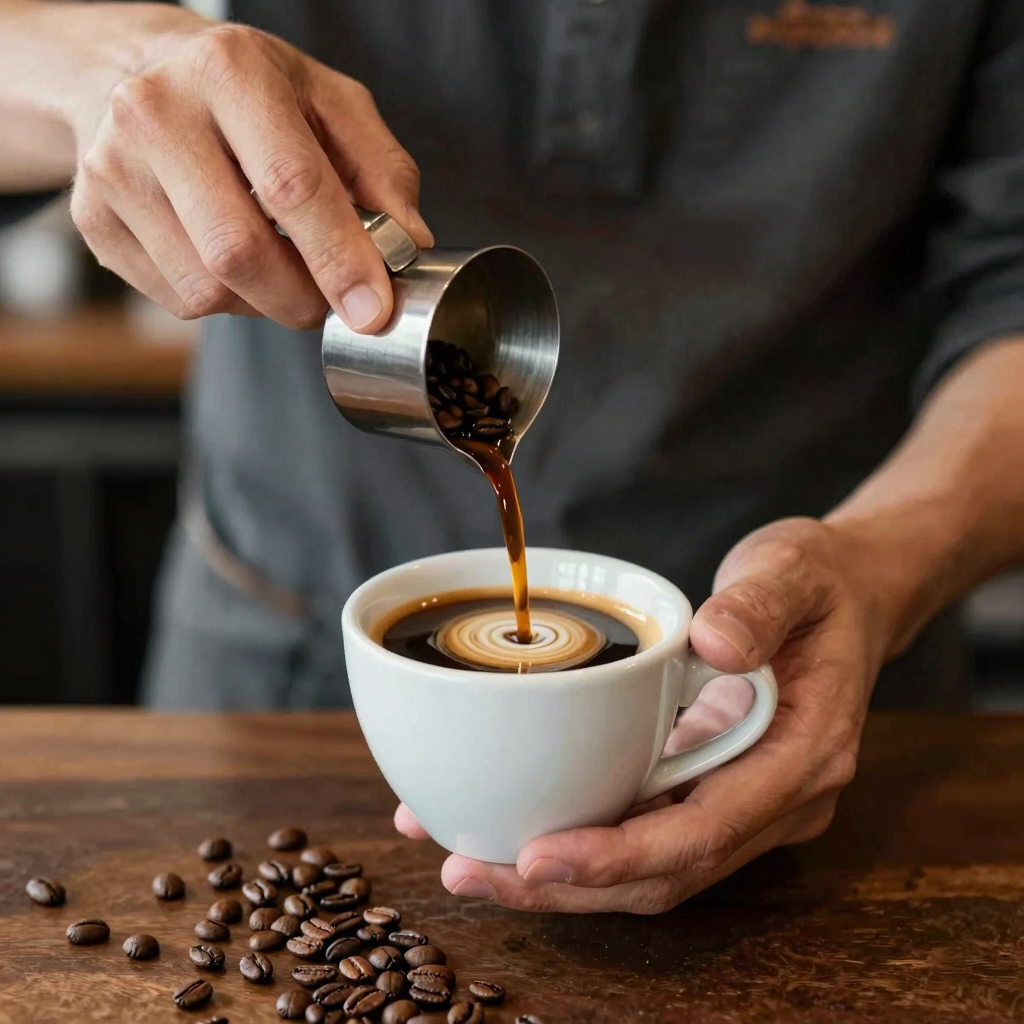
For many coffee lovers, the unmistakable burnt taste of coffee can be a dealbreaker, especially for business owners who prioritize offering a quality beverage experience to their customers or themselves. Burnt coffee often stems from over-roasting beans or improper brewing methods, leaving behind a bitter, unpleasant flavor that masks the true character of the coffee. However, the good news is that the world of coffee offers alternatives that steer clear of this harsh taste. By focusing on fresh coffee beans and refined roasting techniques, it’s possible to enjoy a cup that highlights rich, smooth flavors rather than burnt notes. In this article, we’ll explore how business owners can source or create coffee that doesn’t taste burnt, ensuring each cup reflects quality and care, enhancing their brand’s offering. Discover why paying attention to roasting methods and the freshness of the beans can transform your coffee service. For those interested in exploring quality grocery options for their business, you might also find insights from Costco food selections valuable to complement your offerings.
Common Causes of Burnt Coffee
Burnt coffee can be an unpleasant experience for many coffee drinkers, especially in a business setting where quality is paramount. Here are some common reasons why coffee may taste burnt:
- Over-roasting Beans: Roasting coffee beans at excessively high temperatures can lead to a burnt flavor. This occurs when the beans reach a dark roast stage, which can overshadow their natural flavors.
- Improper Brewing Temperatures: Brewing coffee at temperatures over 205°F (96°C) can extract bitter compounds, making coffee taste burnt. Ideal brewing temperatures should range between 195°F and 205°F.
- Long Brewing Time: Extended brewing times can lead to over-extraction, where unwanted bitter flavors are drawn from the coffee grounds, contributing to a burnt taste.
- Stale Beans: Old coffee beans can taste dull and may have burnt notes due to chemical changes over time. Freshness is key to quality coffee.
- Poor Equipment Maintenance: Coffee machines that are not cleaned regularly can accumulate residue, burning during subsequent brewing cycles, which can affect the flavor of coffee.
By addressing these issues, business owners can improve the coffee experience for their customers. Learn more about excellent coffee options that can enhance your offerings!
“Quality is not just a standard-it’s the soul of every great cup. Without it, even the most elegant brewing method becomes a vessel for disappointment.”
- Dr. Elena Martinez, Coffee Expert
This quote beautifully encapsulates the essential role of quality in coffee production. It emphasizes that superior coffee quality is fundamental to the entire coffee experience, from taste to the integrity of the brewing methods used. As business owners in the coffee industry, recognizing this can help underscore the importance of choosing high-quality beans to ensure customer satisfaction and brand integrity.
For further insights, you can explore the foundational aspects of high-quality coffee here.
Alternatives to Burnt Coffee
If you’re tired of that burnt taste in your morning brew, there are several effective alternatives that can elevate your coffee experience. Here, we explore specialty beans, cold brew, and various brewing methods that can help you find the perfect cup without the unpleasant flavors.
Specialty Coffee Beans
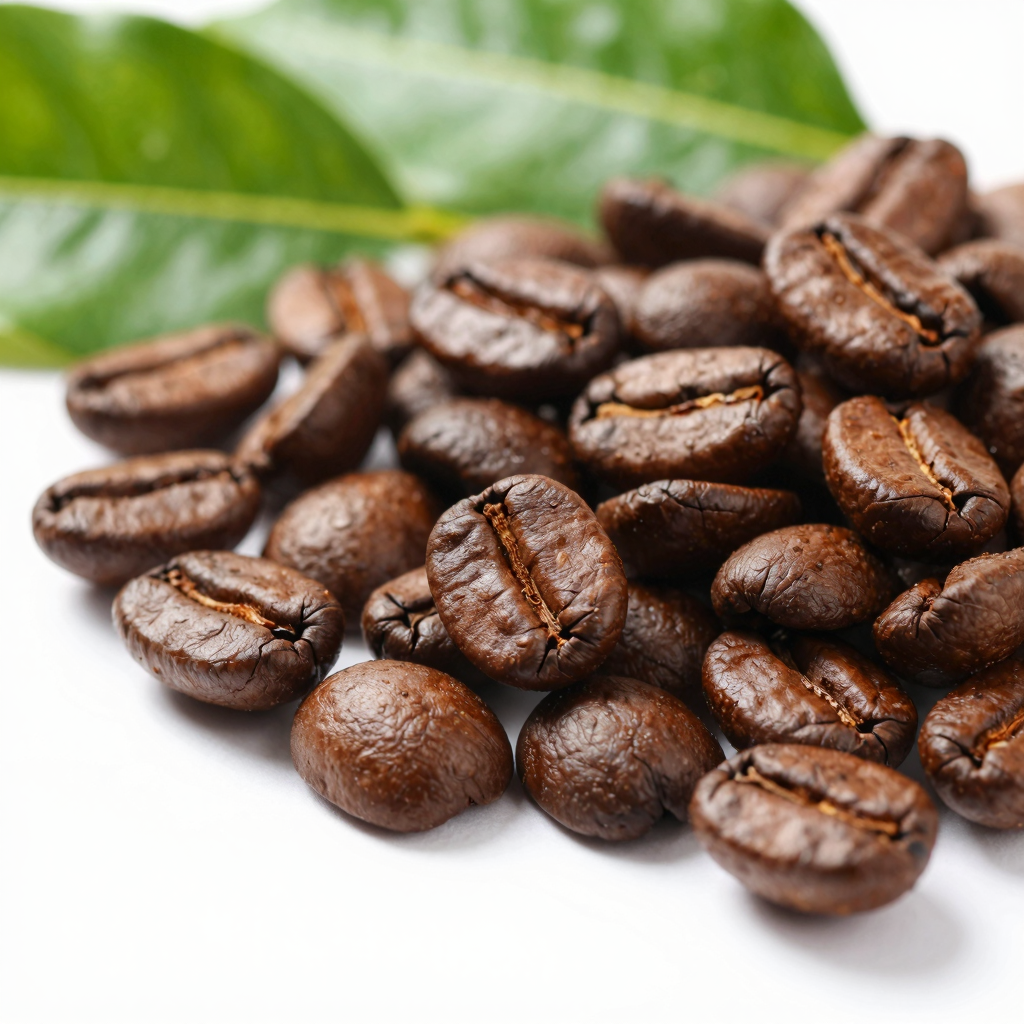
Choosing high-quality coffee beans is crucial in avoiding burnt flavors. It’s best to select specialty beans, which are known for their superior quality. Look for coffees with a
roast date clearly marked on the packaging. Ideally, the beans should be roasted within the last 14 days to ensure maximum freshness. The flavor typically peaks within 3-4 weeks after roasting, so avoid old stock. Sourcing beans with specific origin details-from farms or cooperatives-can also enhance the flavor profile.
- Single-Origin Beans: These beans come from a specific region or farm and often exhibit unique flavors based on their origin. Popular sources include Ethiopia and Colombia, known for their vibrant flavor notes.
- Micro-Lot Coffee: This category offers exceptional quality and is often harvested from small plots. Although they may come at a higher price, the flavor is well worth it.
Cold Brew Coffee
Cold brew is another excellent alternative that typically avoids the burnt taste found in traditional coffee. Unlike hot brewing techniques, cold brew uses a slow extraction method that results in a smoother, less acidic drink.
Here’s how to make the perfect cold brew:
- Use coarsely ground beans. This prevents over-extraction, leading to bitterness.
- Brewing ratios should be around 1:4 or 1:5 of coffee to water. Allow the mixture to steep for 12-24 hours in the fridge.
- Strain the brew using a fine filter to remove grounds and enhance clarity of flavor.
Cold brew is particularly enjoyable during warmer months and serves as a great foundation for delicious coffee cocktails.
Alternative Brewing Methods
- Pour-Over: This method allows precise control over brewing time and temperature, decreasing the chance of burning your coffee. Use light to medium roasts to emphasize origin flavors.
- French Press: This full-immersion method allows you to steep coffee without overheating, delivering rich flavors.
- Aeropress: Known for its versatility, the Aeropress can produce various coffee styles, focusing on precision and less over-extraction.
Tips for Selecting High-Quality Coffee
To maximize your coffee experience, adhere to the following tips:
- Always check the roast date.
- Prioritize the origin and processing methods.
- Choose the right roast level for your preferred brewing style.
- Buy whole beans and grind them just before brewing for the best flavor.
For more information on selecting high-quality products, check out our Costco food reviews, including coffee assessments.
Brewing Techniques to Prevent Burnt Coffee
For many coffee lovers, the taste of burnt coffee is a significant turn-off. However, with proper brewing techniques, you can avoid this unpleasant flavor and serve a delicious cup. Here are three excellent brewing methods that can help prevent a burnt taste in coffee:
1. Pour-Over
The pour-over method offers precise control over brewing parameters, significantly reducing the chance of burnt coffee. Here’s how to do it right:
- Water Temperature: Use water just below boiling, ideally between 92-96°C (197-205°F).
- Brewing Time: Aim for a brew time of about 3-4 minutes.
- Technique: Pour water in a circular motion for even saturation of the coffee grounds. For a detailed guide on pour-over techniques, check out this article.
2. French Press
The French press is another popular method that, when executed correctly, can produce rich, flavorful coffee without burnt notes:
- Coffee Grounds: Use coarsely ground coffee to avoid over-extraction.
- Coffee-to-Water Ratio: A recommended ratio is 1:15 (one part coffee to fifteen parts water).
- Brewing Time: Steep the coffee for exactly 4 minutes before pressing down the plunger, avoiding longer contact time which may lead to bitterness. For more insights on brewing time, visit this guide.
3. Espresso
Espresso is known for its strong flavor, but if brewed improperly, it can also taste burnt:
- Grind Size: Use a fine grind for optimal extraction.
- Tamping Pressure: Maintain a tamping pressure of about 15-20 lbs.
- Extraction Time: The ideal extraction time for a single shot (30ml) should be between 25-30 seconds. For further reading on espresso techniques, you can explore this study.
By mastering these brewing techniques, coffee shop owners can significantly enhance their coffee quality and customer satisfaction.
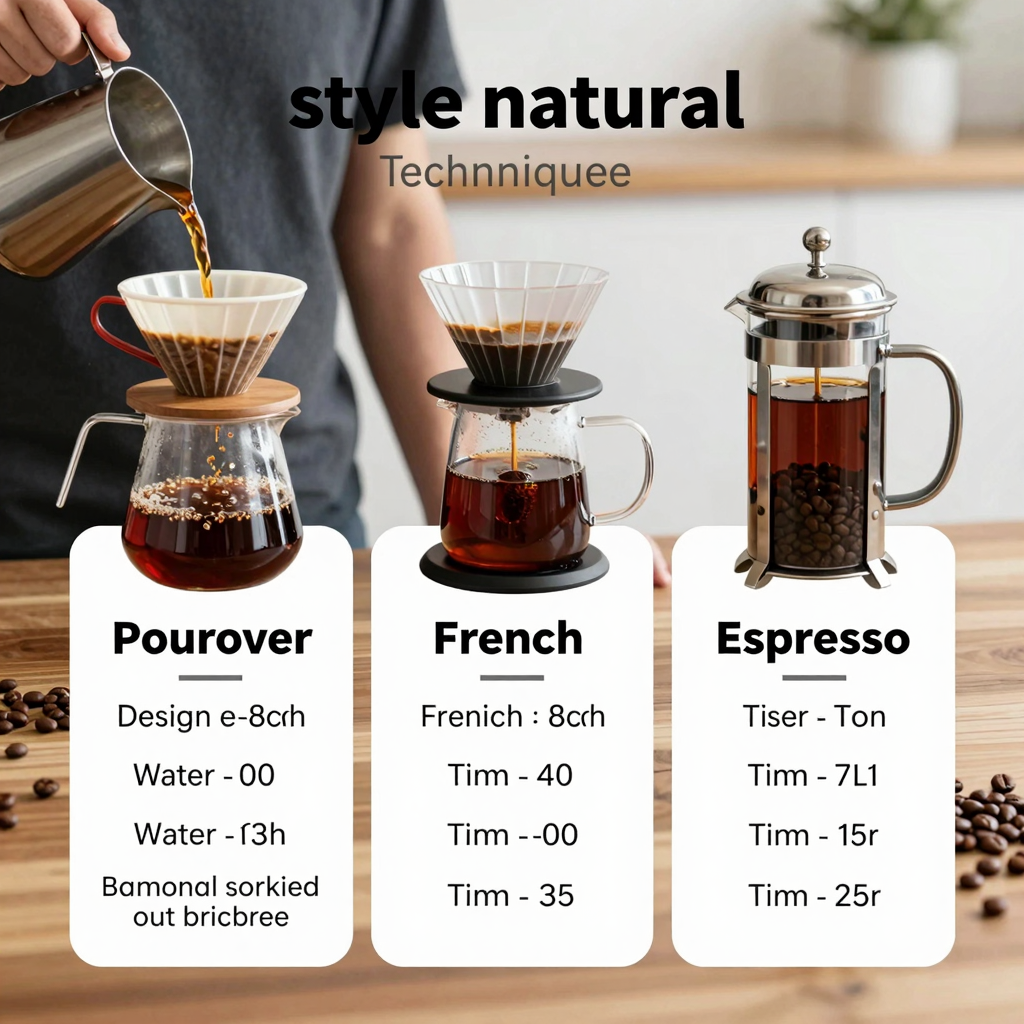
Whether you are using pour-over, French press, or espresso methods, remember to control your water temperature and brew times to avoid creating that unwanted burnt flavor, making your coffee a delightful experience for all.
Comparison of Coffee Brands
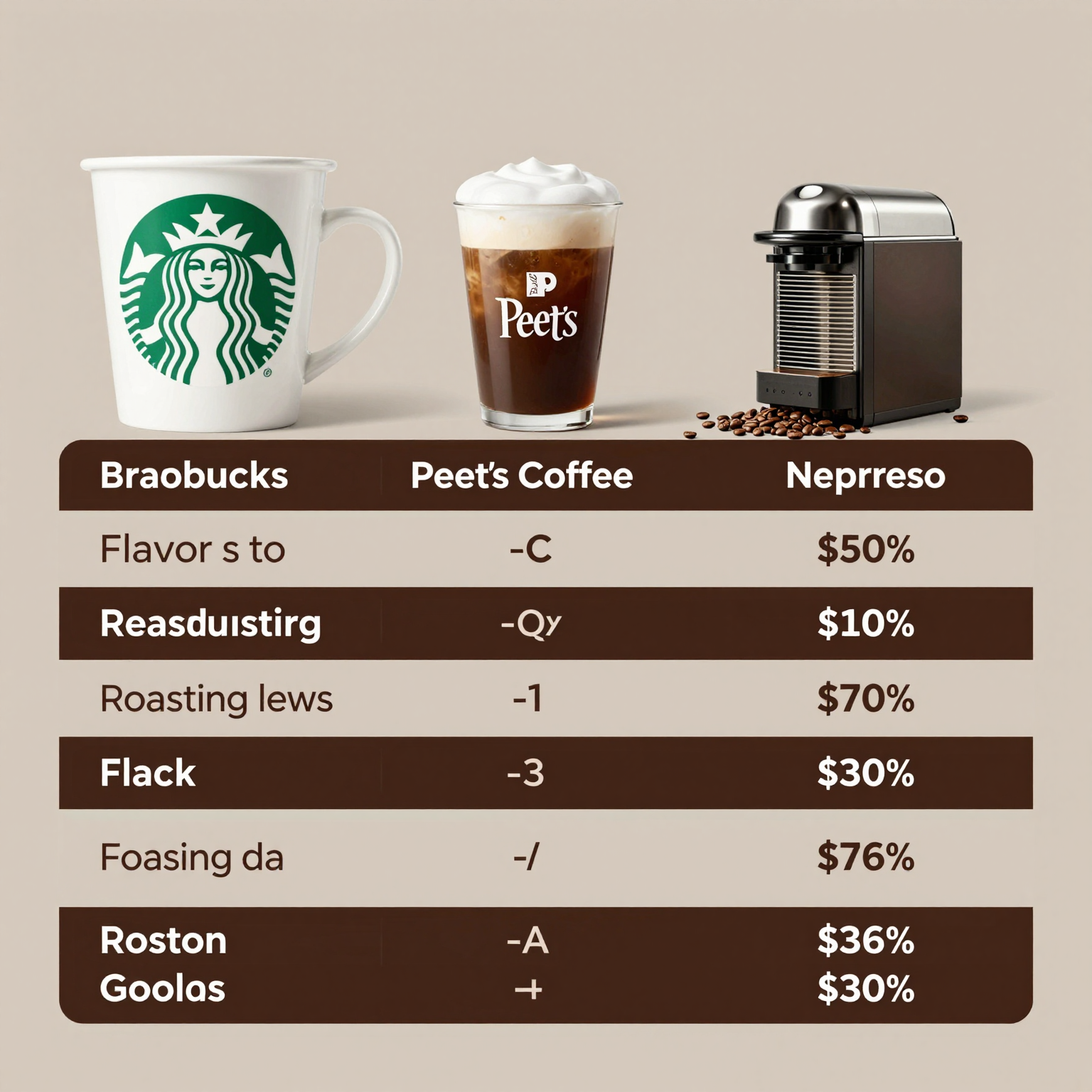
Choosing the right coffee can significantly affect the taste experience, particularly for those who prefer their coffee without the burnt flavor. Below is a comparison of three popular coffee brands known for their quality:
| Brand | Flavor Profile | Roasting Method | Price (per pound) |
|---|---|---|---|
| Starbucks | Bold, rich with a hint of sweetness | Medium roast | $10 – $18 |
| Peet’s Coffee | Deep, complex with a smooth finish | Dark roast | $15 – $20 |
| Nespresso | Intense, aromatic with creamy notes | Blended, often light to medium roast | $14 – $25 |
This table highlights the unique attributes of each brand, assisting business owners in selecting the best coffee for their customers. For more information on product recommendations, you can explore coffee reviews or check out other gourmet items.
Conclusion
Choosing high-quality coffee options is crucial to ensuring a delightful coffee experience, free from burnt flavors that can spoil the enjoyment for consumers. Businesses play a significant role in curating their coffee selections, and it is imperative to explore and offer alternatives that promote rich flavor profiles and superior quality.
The market is rich with options like single-origin coffees, specialty blends, and ethically sourced beans, all of which can provide robust, aromatic flavors that your customers will love. By taking an interest in sourcing better coffee, businesses not only enhance their offerings but also respond to a growing consumer demand for higher-quality products. For instance, consider Kirkland’s Organic Coffee, which offers an exceptional experience devoid of unpleasant tastes.
In closing, as you strive to provide an outstanding coffee experience, don’t hesitate to reconsider your coffee supply. Explore the alternatives discussed in this article, invest in quality products, and encourage your patrons to savor genuinely flavorful coffee. Join the movement towards better coffee today!
Optimal Brewing Temperatures for Coffee Methods
To ensure your coffee doesn’t taste burnt, it’s crucial to brew it at the right temperature. Here is a chart that displays the optimal brewing temperatures for various coffee methods:
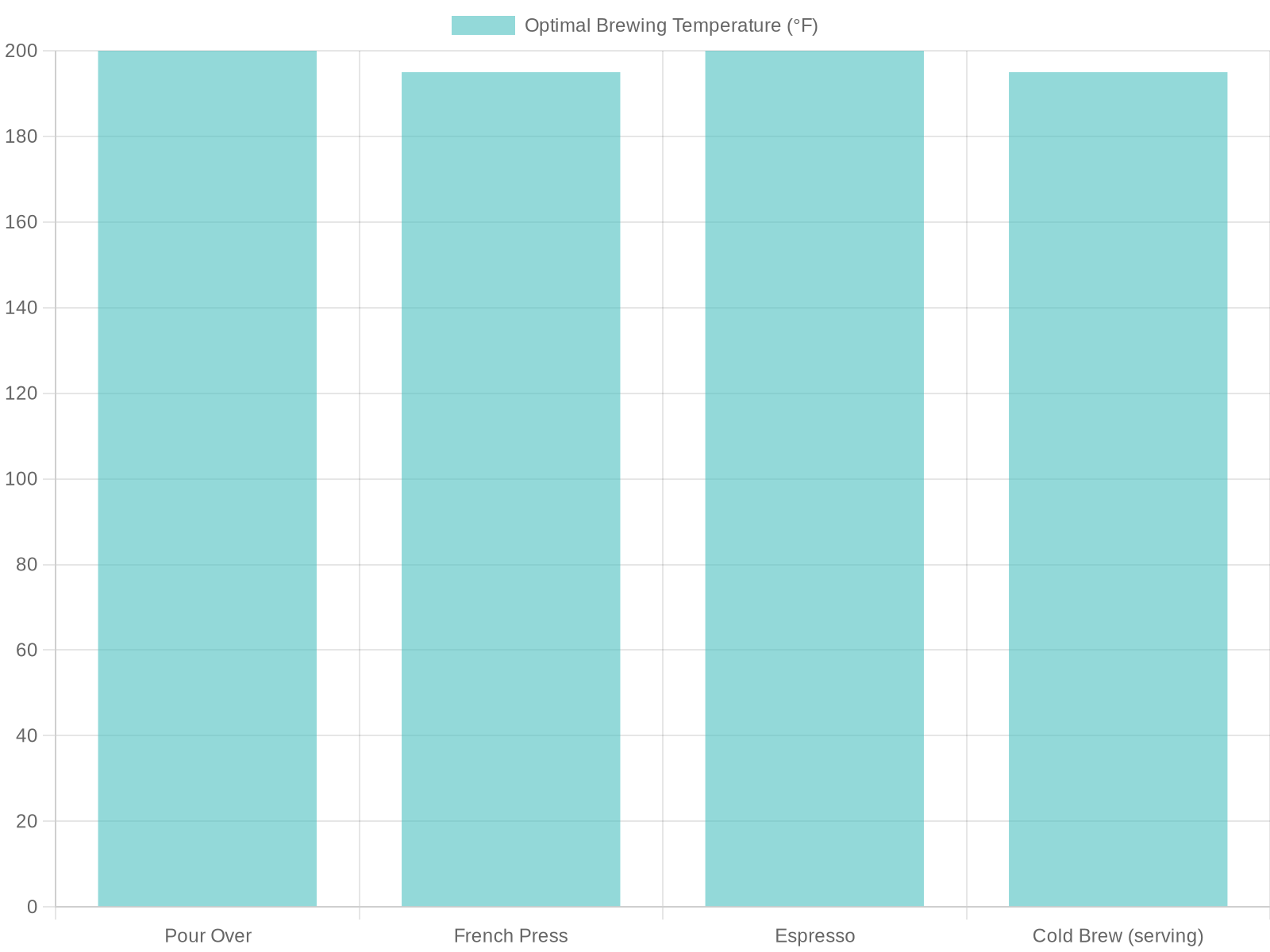
Brewing Methods and Their Temperatures
| Coffee Method | Optimal Brewing Temperature (°F / °C) |
|---|---|
| Pour Over | 200°F / 93°C |
| French Press | 195°F / 90.5°C |
| Espresso | 195-205°F / 90-96°C |
| Cold Brew (serving) | ~195°F (when heated for serving) |
Using the right water temperature helps extract the full flavor of the coffee grounds without burning them. For instance, using a temperature close to 200°F for Pour Over gives a well-balanced flavor. French Press is best at around 195°F,
while espresso can thrive in the range of 195°F to 205°F. Look into learn more about coffee to enhance your coffee brewing techniques!
1. Why does my coffee taste burnt?
Burnt coffee flavor often arises from a combination of factors including poor bean quality, incorrect grind size, and improper brewing techniques. When coffee grounds are overheated, especially during extended extraction times, they create bitter flavors. Dark roasts are particularly prone to this issue. To avoid this, consider the following tips:
- Use Fresh Quality Beans: Beans should be fresh and properly stored in an airtight container, away from heat and light.
- Adjust Grind Size: A finer grind can lead to over-extraction in certain brewing methods, causing a burnt taste. Ensure that your grind size matches the brewing method you are using.
- Monitor Brewing Temperature: Ideal water temperatures for brewing coffee should be between 195°F to 205°F (90°C to 96°C). This range helps to extract the flavors without burning the coffee.
For further insights, you can read more about how to avoid burnt coffee.
2. How can I prevent burnt coffee in my business?
As a business owner, maintaining the quality of coffee served is paramount to customer satisfaction. Here are some effective strategies to ensure your coffee does not come out burnt:
- Maintain Consistent Brewing Temperatures: Keeping your brewing temperature within the ideal range is crucial. Typically, this should be around 195°F to 205°F.
- Regularly Clean Equipment: Coffee machines can accumulate residue that affects flavor. Regular cleaning prevents burnt flavors associated with stale coffee oils.
- Train Staff: Proper training on brewing techniques and extraction times helps staff recognize over-extraction and adjust accordingly. This includes techniques for different brewing methods like espresso and pour-over.
- Implement Quality Controls: Investing in calibrated equipment and employing FIFO (first in, first out) for coffee inventory can help maintain freshness.
For in-depth methods tailored for café owners, explore the Ultimate Guide to Avoiding Burnt Coffee.
3. What are some quick tips for brewing coffee without the burnt taste?
If you’re looking for practical and quick tips to ensure your coffee is brewed perfectly without the undesirable burnt taste, consider these:
- Brew Time Matters: Avoid prolonged brewing times. For pour-over methods, aim for about 3-4 minutes, while espresso shots should be around 25-30 seconds.
- Use the Right Equipment: Equipment that allows for precise temperature control can make a significant difference in reducing burnt flavors.
- Cool Down Quickly: If necessary, cool brewed coffee promptly by pouring it into a different vessel. This helps to maintain flavor integrity and reduces the risk of developing burnt notes.
- Freshness is Key: Using freshly ground beans will yield better flavor results. Avoid grinding too far in advance, ideally grinding just before brewing.
These simple yet effective methods can go a long way in providing a delightful coffee experience without any burnt flavors lingering. For more related content, check out this comprehensive review on coffee.