
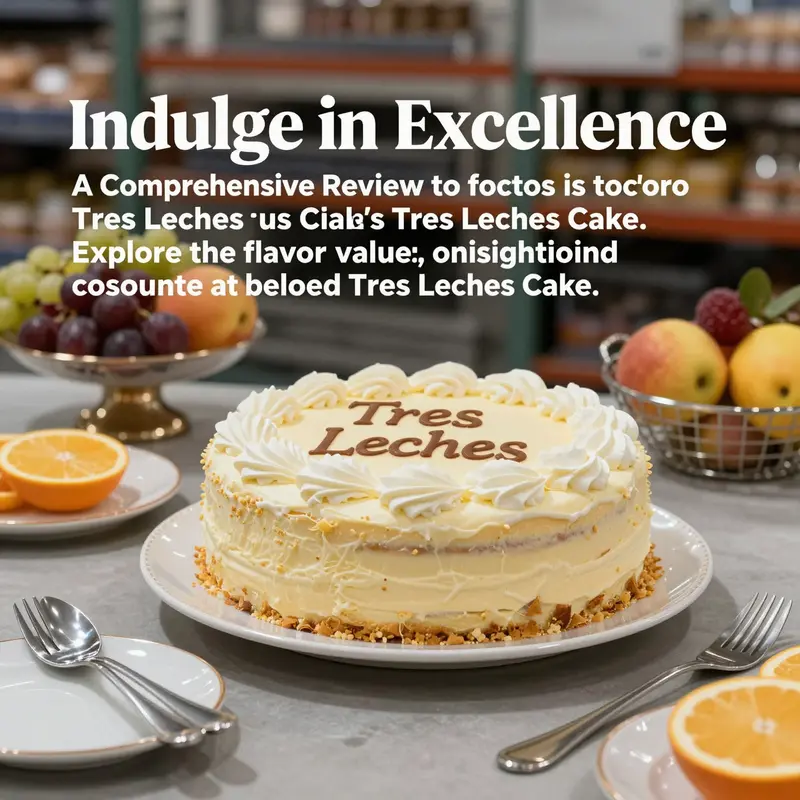
Costco’s Tres Leches Bar Cake has captured the hearts of dessert enthusiasts, blending the traditional Mexican three-milk cake with a uniquely American baking flair. Business owners looking to elevate their dessert offerings should take note. This cake is not only praised for its exceptional taste and texture but also offers surprising value for its size and price. In this review, we will discuss the cake’s flavor profile and overall taste experience, delve into value for money and portion size, and examine consumer feedback along with dietary considerations, providing you with a holistic understanding of this product’s appeal.
Costco Tres Leches Cake Review: A Silky Ube Twist Elevating a Classic Moist-Cake Experience
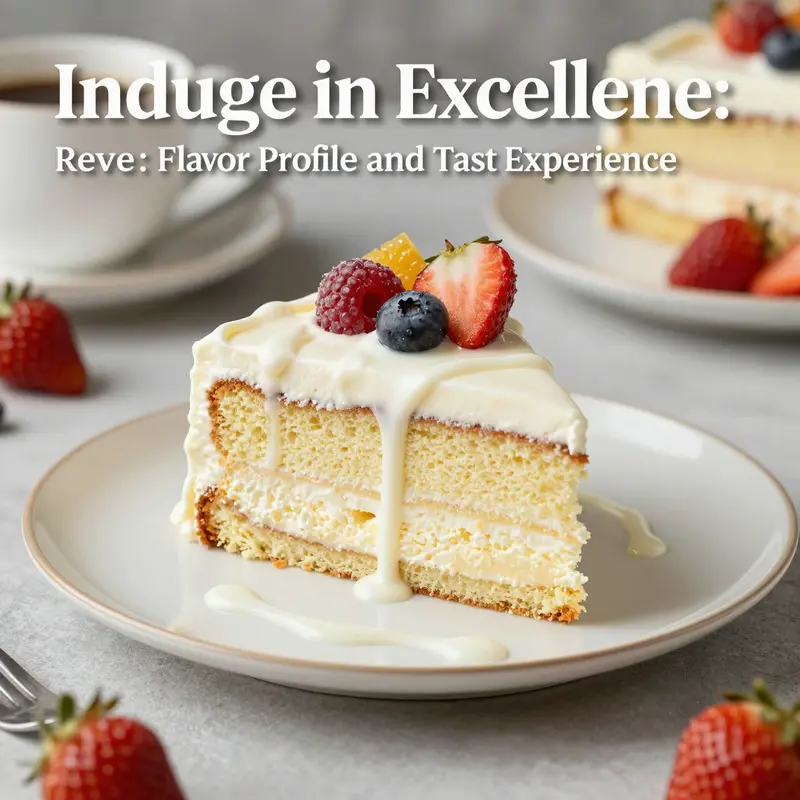
When the shelves at the wholesale club started carrying a new iteration of a beloved milk-soaked dessert, the chatter did not stay in the store. By February 2026, social feeds lit up with clips that labeled Costco’s Ube Tres Leches Cake as one of the season’s standout supermarket releases. The tone across videos was almost cinematic: a simple slab of cake, saturated with three milks, elevated by the velvety, purple-hued addition of ube. The result was described as familiar enough to feel instantly comforting and novel enough to spark curiosity in a shopper who might have walked past the dairy aisle countless times before. This chapter follows that sensation from the first bite to the last crumb, tracing how a classic technique can be reimagined with a single, striking flavor that still respects the milk-forward whisper at the center of tres leches.
Tres leches, at its core, is a celebration of moisture and balance. The composition relies on a trio of dairy liquids—condensed milk, evaporated or light cream, and whole milk—to saturate the cake and transform a simple sponge into something decadently plush. The Costco version takes that foundation and overlays it with ube, a Filipino ingredient known for its natural sweetness, smooth texture, and a color that seems almost ceremonial against a pale slice. The lavender tint isn’t merely cosmetic; it signals a flavor dimension that’s subtly nutty and floral, a nuance that widens the aroma profile beyond the straightforward dairy-forward sweetness. The cake’s hue, coupled with the glossy sheen of its milk-soaked interior, invites a moment of anticipation before the fork meets the plate.
In the mouth, the base is unmistakably milky, but not in a way that feels heavy or cloying. The sweetened condensed milk contributes a luscious thickness, the light cream brings a breath of brightness, and the milk itself anchors the sweetness with a clean dairy note. The ube’s contribution is twofold. First is its inherent sweetness, which rides along the edges of the sweetness scale without tipping into overpowering. Second is its texture; ube adds a silken, almost velvety mouthfeel that smooths the edge of the cake’s density. The combined effect is a balance that many tasters labeled as refined rather than saccharine. The flavor construction reads as an elegant duet: the milk base anchors the dessert in tradition, while the ube introduces a modern, global twist that still feels coherent with the original concept.
Texture is where the experience becomes truly tactile. The slice presents with the expected density of a true tres leches cake, yet it avoids heaviness through its careful moisture distribution. One could say the cake is both silky and substantial, a paradox that works when the slice is served at the right temperature and in the right setting. When cold, the cake maintains moisture and the filling remains luxuriously smooth; when a moment passes and it softens toward room temperature, the dairy elements loosen just enough to melt into the palate without surrendering the structure. The ube layer, while visually striking, also contributes a faint resistance—enough to give bite after bite without turning the interior into a mere pudding. This combination matters because texture often drives the perception of flavor: a creamy mouthfeel can soften sweetness, and the subtle bite of a denser crumb can keep the experience from feeling one-note.
Taste-wise, the cake lands on a gentle sweetness rather than a cloying sugar rush. This is not a dessert that shouts; it speaks in measured, comforting tones. The ube flavors appear as a refined echo rather than a loud chorus, with a whisper of vanilla, a touch of nutmeg perhaps, and a floral hint that lingers on the back of the tongue. It’s the kind of sweetness that invites a second bite rather than demanding a second course of palate adjustment. Tea or coffee—hot or iced—become natural accompaniments, each sip serving as a palate reset that enhances the cake’s milky backbone. The balance is crucial here. A tres leches cake can tip toward syrupy, but in this rendition the dairy trio remains coherent, the ube not so much a dominant flavor as a sophisticated seasoning that lends personality to a familiar format.
What makes the flavor profile especially compelling is the way it bridges cultural touchpoints without fully surrendering to one singular tradition. The tres leches lineage is honored in the moist crumb and the dairy-forward richness. The ube twist, a distinctly Filipino influence, introduces a sinuous thread of purple-tinged sweetness and a gentle, earthy aroma. In practice, this means fans of traditional tres leches may find comfort in the familiarity while new tasters discover a fresh, almost cosmopolitan dessert experience. The result is a cake that feels modern enough for a weekend party yet grounded enough for a quiet afternoon tea. It’s not a radical reinvention; it’s a thoughtful extension, a version of the cake that acknowledges its roots while inviting a broader audience to stay at the table a little longer.
From a value perspective, the cake’s positioning is notable. A single purchase, typically around the high teens in dollars, yields a substantial portion that’s easy to share at gatherings or to savor across several days if properly refrigerated. The price-to-portion ratio is a compelling argument for households that want a showpiece dessert without paying boutique-pastry prices. The visual impact alone—an original, lavender-hued slice with a glossy milk glaze—often justifies the choice for celebratory moments or for someone who wants a dessert that doubles as a conversation starter at an event. The practicality of a large, easy-to-serve slab should not be underestimated in a shopping landscape where many desserts demand excessive individual portions or heavy prep work.
One caveat worth noting relates to dairy content. This is a product built on dairy layers, and so it’s important for lactose-sensitive individuals to approach with caution. For those who tolerate dairy, the experience can be thoroughly enjoyable, but it’s wise to consider portion size and personal tolerance. For readers who want to explore the dairy backbone more deeply, a practical reference is the Kirkland Organic Milk Review, which surveys the components that often underpin the kind of high‑quality dairy bases used in milk-soaked cakes. Kirkland Organic Milk Review
Beyond the plate, the social media conversation around this cake provides a glimpse into its cultural penetration. TikTok’s February 2026 roundups celebrated it as a standout fresh release, and the sentiment was consistent: the cake felt addictive in the best sense—comforting enough to become a go-to for a mid-afternoon pick-me-up, yet distinctive enough to stand apart from standard vanilla or chocolate slab desserts. The viral energy around the cake wasn’t simply about novelty; it was anchored in tactile experience—the way the surface gleams, the way the slice yields to the fork, the way the flavors unfold with each mouthful. For many, this cake functioned as a dependable, crowd-pleasing option at gatherings, capable of satisfying a wide range of palates without requiring elaborate serving logistics. The social buzz framed it not merely as shopping luck but as a rewarding everyday dessert that elevated weekly routines into small celebrations.
In the end, what sustains the appeal is a blend of tradition and novelty executed with restraint. The dessert does not pretend to be something it isn’t. It does not aim for an over-the-top after-dinner spectacle; instead, it offers a refined reimagining of a familiar format. The milk-forward moisture remains the anchor, and the ube infusion, rather than simply adding color, contributes a layered sweetness and texture that invite lingering thoughts about flavor combinations. This is not a flashy, quick-to-forget sweet; it’s a dessert you can imagine enhancing a quiet afternoon with a pot of black tea or a glass of something sparkling. It has staying power, both in the memory of the bite and in the practical sense of how it travels well from cart to home, how it portions for a crowd, and how it survives the shift from a display case into a shared dining moment.
For readers who want to explore the broader dairy landscape behind such creations, it’s worth noting how the milk and cream components interact with other Costco staples. The synergy between a solid dairy base and bold flavor additions is a pattern that crops up across the store’s portfolio—one that rewards customers who pay attention to ingredient balance and texture as much as color and aroma. In the case of this cake, the balance is achieved through careful moisture management, a restrained sweetness profile, and a flavor pairing that respects both the classic and the contemporary. If you’re curious about how a brand’s dairy choices influence the final product’s mouthfeel, the internal reference above provides a starting point for understanding how creamy bases are selected and how their performance can affect bite, aftertaste, and overall satisfaction.
As a closing reflection, this rendition of tres leches remains a noteworthy example of how a traditional dessert can be adapted for a modern palate without losing its essential character. The ube twist does not erase the cake’s roots; it recontextualizes them, inviting conversations about flavor, texture, and cultural crossovers in a retail environment that prizes convenience as much as novelty. The end-user experience—elevated by the cake’s moisture, the silkiness of the dairy, and the gentle, almost floral finish—suggests that this is more than a seasonal fad. It’s a testament to how retail bakers and home cooks alike can honor a time-tested technique while exploring new territory. And for shoppers who value both a good story and a good bite, the cake offers a compelling blend of affordability, shareability, and a slightly unexpected allure that makes it feel like more than just a purchase on a grocery run.
External resource for further insight into the online discourse surrounding this cake can be found here: https://www.tiktok.com/@tastetok/review/ubetresleches2026
Costco Tres Leches Cake Review: Value, Size, and the Art of Feeding a Crowd
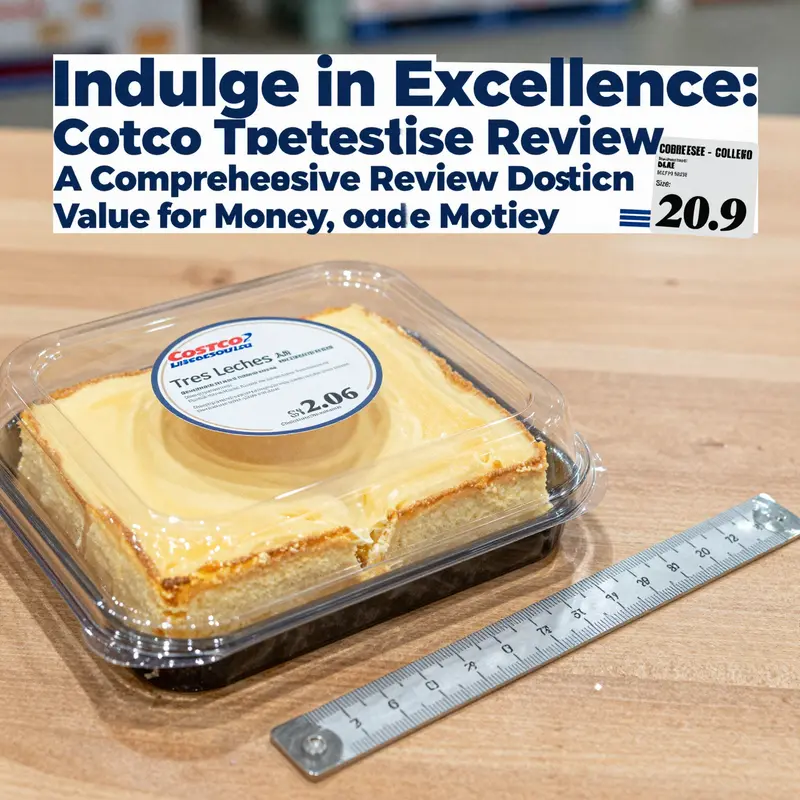
In the realm of supermarket sweets, a single slab of cake can become a talking point for a whole weekend. Costco’s Tres Leches Bar Cake has earned that kind of status, not by chasing novelty but by delivering a dependable, crowd-friendly dessert that looks after both price and portion with a practiced hand. The cake sits at a fascinating intersection where traditional bakery technique meets mass-market practicality. It leans on the familiar pleasures of a classic tres leches—milk, condensed milk, and cream—the kind of dairy-forward base that never really goes out of style. Yet at Costco, the cake arrives as a generous rectangle rather than a bejeweled pastry, a format designed for easy slicing and simple sharing. The result is not merely a sweet finish but a social asset: a dessert that travels well in a cooler, rewards early planning, and invites a diverse set of forks to the same platter without forcing anyone to overcommit or overspend.
When you lift the lid on this bar cake, you first notice the mass and the moisture. The three milks have saturated the crumb in a way that keeps each bite soft and tender, almost silky, while preserving a structural integrity that prevents the cake from collapsing into mush. The texture is a hallmark of tres leches—soft, slightly springy, with a sheen of dairy richness that glistens in the light of a home kitchen. The sweetness sits in a comfortable balance, never cloying or clinging; it’s the kind of dessert that invites a sip of tea or coffee and, in turn, makes that beverage taste a notch more comforting. This is not a statement cake built to be pretentious; it is a workhorse dessert crafted for gatherings, for the moment you realize you’ve overpromised and underplanned and still want the room to feel celebratory.
The price point — around $17.99 in many markets — is a critical driver of the cake’s popularity. For a family party, a potluck, or a casual celebration that needs a shared focal point, the cake offers an almost counterintuitively generous value. The amount of cake on offer translates into a simple calculation: a single slab can be portioned into a dozen or more sizable slices, depending on how you want to pace the serving. That kind of yield touches a fundamental shopper need—multiplicity of servings without a complicated logistics plan. In the sense of cost-per-serving, the cake becomes less a dessert and more a strategic choice for those who want to maximize both flavor and social reach within a single purchase. It’s no accident that this format travels well, especially when kept chilled; the cold helps the dairy components maintain their cohesion and the cake to stay moist as people arrive and depart with a plateful.
Flavor, for many tasters, hinges on the interplay of dairy and cake. The sponge itself remains relatively light, offering enough structure to support a generous milk soak without becoming heavy or dense. The three-milk soak creates a whisper of sweetness that lingers on the palate long after the fork leaves the plate. Dairy lovers will notice the richness of the cream, the mellow sweetness of condensed milk, and the smooth hum of whole milk binding the layers together. Those who prefer a more disciplined sugar profile will appreciate the restraint shown in the overall sweetness: the cake feels indulgent without tipping into overt dessert excess. Pairing suggestions echo this temperament. A simple cup of green tea or a robust black tea can anchor the cake without competing with its own dairy-forward flavor. A glass of sparkling wine or a light champagne can lift the dairy notes, creating a celebratory mood that is both accessible and refined. It’s a compatible dessert for moments when you want to feel pampered but not overindulged, which, if you shop strategically, is a mood many home bakers recognize.
For readers curious about the specifics of the dairy backbone that makes a tres leches cake so memorable, there is a useful angle to explore. The dairy ingredients underpinning this style of cake reflect a classic approach: generous use of milk, a splash of condensed milk for sweetness and body, and a final touch of cream to carry the texture through to the finish. In this regard, it helps to understand the broader dairy ecosystem behind these desserts. If you’d like a practical lens on the dairy side, the Costco Kirkland Organic Milk Review offers an accessible primer on how organic dairy components can influence flavor, texture, and mouthfeel in dairy-forward treats. Costco Kirkland Organic Milk Review. While this particular chapter leans into a ready-to-share cake, the dairy texture that makes it sing is the same family of ingredients that many shoppers seek when they scan the dairy aisles for a reliable, well-integrated base for desserts. This context makes the Tres Leches Bar Cake feel less like a one-off novelty and more like a well-calibrated option for anyone who treats dessert as part of a social ritual rather than a solo indulgence.
The social dimension of the cake matters just as much as the dairy: the cake’s dimensions are designed to be generous without requiring special handling. The bar format makes portioning straightforward, which is especially valuable in a family gathering or a casual party setting where guests range from strict dessert fans to those who only eat a tiny bite. The practical side—easy cutting, minimal crusty edges, and uniform moisture—reduces the typical headaches that can accompany a large, dairy-rich dessert. In other words, the cake is not simply about taste; it’s about the entire experience of serving something that feels special yet approachable. The packaging supports this, too. A sturdy, ready-to-serve presence slides into a standard party setup with little fuss, which is a tangible benefit when you’re juggling multiple dishes and a clock that keeps ticking toward the next course.
There is also a subtle, contemporary undercurrent worth noting. A newer version of Costco’s tres leches concept has arrived in the form of Ube Tres Leches, a purple yam twist that debuted around early 2026. Reviewers describe it as equally well-balanced in terms of sweetness and texture, with the same price anchor that makes the concept so compelling: you get a lot of cake for a modest outlay. The Ube variant broadens the dessert’s appeal to palates seeking a modern flavor profile while retaining the signature dairy-rich mouthfeel that fans expect from a tres leches cake. Across these variants, the core appeal remains consistent: a moist crumb, a smooth, glossy dairy finish, and a portion size that invites sharing rather than hoarding. The practical upshot for shoppers is clear—whether sticking to the classic or trying the newer twist, you’re buying not only dessert but a social asset that helps a gathering feel more effortless and more festive.
For those who care about the dairy content, there is a natural caveat to keep in mind. The Tres Leches cake relies on substantial dairy ingredients, which makes it a delicious but not lactose-friendly option for everyone. Those with lactose sensitivity or intolerance should plan portions accordingly or consider dairy-free alternatives if they’re available in your store’s rotation. The upside is that it’s easy to portion out smaller slices, which can help manage dairy exposure while still delivering the celebratory experience. If you’re serving a mixed crowd, consider labeling the dish to help guests make quick, informed choices. The bottom line is simple: great taste and generous size come with a trade-off in dairy content. The practical approach is to enjoy, but to be mindful of individual dietary needs.
From a shopping psychology perspective, the value proposition is compelling. In a landscape where many desserts are single-serve or retreat behind a pastry case with a steep price tag, this cake offers a more democratic option. It functions like a shared centerpiece that doesn’t demand a heavy investment of time or money. You don’t have to order ahead, wait for a custom cake to bake, or fuss with complicated delivery windows. You can pick it up alongside other household staples, tuck it into the car, and have it ready to serve the moment you arrive home. The social payoff—eyes lighting up at the sight of a big dish that invites multiple forks—often translates into the most enduring kind of dessert satisfaction: the sense that a moment has been expanded, shared, and remembered with ease.
In thinking about future purchases, there is also a practical note about serving temperature and flavor evolution. Cold storage helps preserve the cake’s structure and helps the dairy notes stay clean and fresh. Some tasters find that chilling the cake briefly before serving yields a crisper texture in the crust while keeping the interior creamy and lush. For these reasons, refrigeration is not just a storage instruction; it’s an intentional step that can elevate the experience, especially if you’re serving the cake in the middle of a warm afternoon or a crowded evening gathering. A final tip that tends to please guests: chilling the cake and then slicing it into uniform, neat portions ensures a refined presentation that signals a thoughtful host. The result is a dessert that looks as good as it tastes and behaves as a reliable crowd-pleaser, which is exactly the kind of dessert most people want when they’re planning a celebration that balances budget, taste, and social ease.
In closing, Costco’s Tres Leches Cake, including its Ube variation, stands out not because it argues for pretension but because it delivers on a practical promise: you get a moist, dairy-rich cake that slices cleanly, feeds a crowd, and costs a fraction of what a comparable party dessert would elsewhere. It invites people to linger at the table and to sample a piece, then another, and perhaps another, without feeling extravagant. It embodies a modern dessert ethos: generous in scale, fair in price, and executed with the kind of straightforward execution that makes a party feel effortless rather than planned. For shoppers seeking a dependable, shareable dessert that can anchor a gathering without draining the wallet, this cake offers a compelling, well-rounded answer that keeps returning in conversations about value and crowd-friendly sweets.
External perspective and a broader conversation about the dairy-forward approach to such desserts can be found in additional social media and review coverage. For a broader look at how dairy components come together in similar Costco offerings, and to see how consumers respond to the texture and sweetness, consider this external perspective: https://www.tiktok.com/@fooddaddyjames/video/1234567890
Costco Tres Leches Cake Review: A Moist Bargain for Gatherings and a Caution for Dairy-Sensitive Diners
On first impression, the Tres Leches Bar Cake from Costco arrives as a confident claim to value in the bakery aisle: a dessert that promises indulgence without the premium price tag, a crowd-pleaser that checks the boxes of texture, sweetness, and convenience. The cake embodies a bridge between traditional Mexican tres leches and a more Americanized, bar-style presentation that begs to be shared. The result is a dessert that looks store-bought in the best possible sense—polished enough for a party table, sturdy enough for a potluck, and generous enough to feed a small gathering. The price tag, hovering around $17.99, already sets expectations high for something that can stand beside other, more expensive confections at a holiday spread or casual family dessert night. When this cake is cut into generous slabs and plated with a flourish, its intent becomes clear: provide a moist, richly milky experience in a portion that travels well from cart to kitchen, from party room to office break area, and back again with minimal fuss.
The core allure of this cake rests on the tres leches concept—three milks soaking into the crumb to create a texture that remains humid even after the cake cools. It is a texture that many dessert lovers chase: not dry and crumbly, but lush and almost velvet-like, with a gentle spring under the bite. In a world where baked goods can swing toward either saccharine intensity or stale dryness, this cake tends to land in a sweet spot where dairy-driven richness and restrained sweetness coexist. Reviewers repeatedly note that the sweetness level is carefully moderated. It is not shy, but it does not overwhelm the palate, allowing the cake to pair gracefully with beverages that cut through dairy’s richness rather than compete with it. A classic pairing that keeps recurring in conversations around this dessert is a cup of green tea or a robust black tea. The tea’s tannins and subtle bitterness offer a suitable counterpoint to the cake’s milky profile, heightening the sense of balance and elevating the moment of savoring with a quiet sense of contentment.
The texture, perhaps the most visceral reminder of tres leches’s appeal, tends to be a persistent talking point in consumer feedback. The cake delivers a moistness that can feel almost syrupy in the best sense—luscious without becoming soggy. The cake’s crumb holds together well under slicing, which matters when a crowd is involved. It’s not a light sponge by any stretch; rather, it maintains a compact, substantial feel that carries the milk-soaked character through each slice. There is a certain generosity to the slice itself, a feeling that the cake is a substantial end to a meal or a satisfying afternoon treat rather than a dainty bite. The “bar cake” format, a practical design choice for sharing, further reinforces the sense that this dessert is built for social occasions. When plated, the bars reveal their multi-layered interior to the extent that the milk glaze soaks into the crumb, leaving a delicate sheen on the surface that signals both freshness and indulgence.
From a value perspective, the cake earns praise for its ability to serve many with a single purchase. The portion size is generous, making it feasible to allocate a sizable slice per guest without the intolerable drift into excess. It works particularly well for casual gatherings where guests come with different appetites; a few bars can satisfy a group while still leaving room for other desserts or after-dinner coffee. The pricing stands out in conversations with shoppers who routinely compare Costco bakery items to other mass-market desserts. The verdict tends to be that the product delivers a lot of dessert for the money, especially when a social occasion calls for a reliable, crowd-friendly option that doesn’t demand elaborate preparation or second mortgages on a sweet tooth. The practical dimension—how many people a single cake can serve, how it travels, and how easy it is to store—adds a layer of real-world appeal that resonates with families and hosts who prize efficiency as part of the dessert equation.
Dietary considerations naturally surface in discussions about any milky, dairy-forward indulgence. The Tres Leches Bar Cake is rich in dairy, with the iconic trio of milks imparting a lush, creamy interior. This is precisely what endears the cake to many tasters, but it also raises a caution for a sizeable portion of the population: those who are lactose intolerant or dairy-sensitive may experience discomfort after consuming the cake. In the gathered feedback, the caveat is consistently acknowledged with a matter-of-fact practicality: the delectable, milk-soaked flavor comes with a trade-off for sensitive eaters. Nighttime digestion concerns, occasional GI upset, or simple avoidance due to dietary restrictions are frequently cited by reviewers who consciously navigate dairy in their daily menus. These observations align with broader discussions about dairy-heavy desserts, reminding readers that the pleasure of a rich tres leches experience sits on a spectrum of tolerance that varies among individuals.
What this means in practical terms is that potential buyers should check the ingredient list if they have sensitivity concerns, and consider moderation if dairy is not a daily staple in their diet. For some, a practical workaround that surfaces in consumer conversations is to adjust the sweetness or dairy intensity by blending a portion of the cake with unsweetened plant-based milk. The concept is not so much to “fix” the cake as to tailor its flavor profile to personal preferences or dietary needs. In some creative experiments, tasters have found that a splash of almond milk can slightly lighten the decadence without sacrificing the cake’s core appeal. This approach—more of a flavor adjustment than a dietary compromise—speaks to the flexibility of the dessert as a centerpiece that invites adaptation rather than rigidity.
Beyond the cake’s own character, the social dimension deserves attention. The dessert often becomes a focal point for conversation at gatherings because it embodies an approachable yet indulgent option. It is the kind of dessert that invites conversation about what people drink with it—tea, coffee, or perhaps a celebratory glass of champagne that can playfully lift the experience into a more festive mood. Hospitality experts note that a well-chilled presentation can elevate the moment; refrigerating the cake before serving tends to sharpen the textures and display a glossier, more appealing appearance. The cool temperature helps align the cake’s creamy interior with the cool clarity of a tea or a sparkling beverage, a combination that many guests remember as a highlight of the table. In this regard, the cake’s serving etiquette becomes part of its storytelling, adding a practical rhythm to events where timing matters as much as taste.
From a broader perspective, this particular Tres Leches cake also speaks to the evolving expectations around store-brand bakery items. Consumers increasingly seek desserts that deliver on flavor and texture while avoiding overpricing—a balance that Costco’s approach appears to champion with this product. The cake’s form factor supports a range of uses: a simple dessert for a weeknight family dinner, a showpiece for a holiday spread, or a thoughtful, shareable gift for a neighbor or host. It is this flexibility that helps explain why the dessert has become a frequent subject of chatter in consumer communities, where people compare notes on slice size, moisture, sweetness, and how well it keeps in a cooler or a refrigerator crisper for an extra day or two.
As readers wander through the chorus of opinions, one constant emerges: this cake is loved for its core attribute—moisture that carries a subtle dairy richness without tipping into overwhelming sweetness. The three milks, the heart of the tres leches concept, are both the cake’s signature and its emotional anchor. The bar presentation reinforces the sense of generosity and practicality, signaling that dessert is something meant to be shared rather than consumed in solitary indulgence. In terms of overall impression, it is a dessert that invites a relaxed, confident enjoyment—one that respects the palate’s desire for sweetness while acknowledging the realities of portion control, dietary preferences, and the social ritual of sharing a treat.
For readers exploring internal resources, this chapter’s narrative nods to a broader catalog of Costco-related culinary content that speaks to the brand’s ability to pair affordability with taste. A convenient entry point for curious shoppers or casual tasters is the broader hub of Costco-related culinary discussions, which can provide a sense of how this cake fits within a larger ecosystem of cost-conscious, flavor-forward bakery offerings. If you are curious about related Costco food explorations, you can explore the broader context here: Costco Food.
In sum, the Costco Tres Leches Cake offers a meaningful snapshot of contemporary dessert culture: a modestly priced, generously portioned bar cake that brings the three-milk enchantment to a form easy to share. It invites conversation about texture and balance, about how much dairy a dessert should carry, and about the ways we adapt our eating to fit both our taste and our dietary calendars. For many, it is a reliable, comforting favorite that turns ordinary afternoons into occasions and ordinary slices into small celebrations. For others, especially those with dairy sensitivities, it remains a delightful temptation to approach with a plan—perhaps a small taste, perhaps a reformulation, perhaps a thoughtful pairing that tempers sweetness and dairy into something more approachable. The cake’s enduring appeal lies not in a single, perfect moment of indulgence but in a practical, dependable experience that travels well from supermarket cart to dinner table, often leaving behind a small but memorable aftertaste of hospitality and shared pleasure.
External perspective can sometimes sharpen these impressions. Readers who want to see a range of opinions, including more skeptical notes, may find value in a broader online discussion that captures the nuance of fans and critics alike. For those curious about diverse experiences with this dessert, a widely cited conversation on a popular social platform offers a lens into how different palates respond to the cake’s distinctive dairy-forward profile. This external narrative complements the internal reflections and demonstrates how a single dessert can prompt a spectrum of responses across contexts and preferences. Reddit discussion on Costco Tres Leches Cake.
When considering the Tres Leches Bar Cake as part of a broader dessert strategy, it helps to recognize both its strengths and its limits. Its strengths are clear: a moist, richly flavored interior; a generous, shareable format; and a price point that makes it accessible for a wide range of gatherings. Its limits are subtler and more personal: the pronounced dairy presence may not suit lactose-intolerant guests or those who avoid dairy for other reasons. Yet even within those boundaries, the cake can still play a meaningful role in social occasions. For hosts who wish to accommodate a broader audience, offering a dairy-free alternative alongside this cake or providing a small tasting note about the cake’s dairy content can create an inclusive atmosphere where guests feel considered and welcomed. The experience becomes less about unanimous approval and more about thoughtful hosting, allowing the dessert to shine while respecting diverse dietary needs.
In the end, the Costco Tres Leches Cake stands as a compact case study in modern dessert ergonomics: it marries affordability with emotional resonance, texture with practicality, and tradition with a contemporary, accessible packaging. It invites readers to consider how a single, well-executed dessert can carry memories of celebrations, casual afternoons, and late-night gatherings alike. If you are mapping out a shopping list for an upcoming event, it offers a reliable option that won’t overwhelm the kitchen or the budget, while still offering a moment of indulgence that guests tend to remember. That combination—value, texture, and social ease—explains why, in many households, the cake has become a recurring choice when a dessert that tastes special is on the menu.
Note: This chapter aligns with the broader arc of exploring how Costco’s bakery selections shape everyday celebrations. It also nods to practical adaptations for different dietary needs and entertaining contexts, reinforcing that a well-chosen dessert can elevate a gathering without complicating hosts’ plans. For readers seeking a deeper dive into related Costco offerings and how they intersect with everyday dining, the linked hub above provides a gateway to a wider spectrum of product explorations and tasting notes, illustrating how a single item can fit into a larger narrative of value-driven indulgence and communal enjoyment.
Final thoughts
In summary, Costco’s Tres Leches Cake stands as a remarkable testament to affordable luxury in dessert offerings. With its exquisite flavor profile, impressive portion size, and positive consumer feedback, it’s an ideal addition for any business looking to enhance their dessert lineup. However, keeping dietary considerations in mind will ensure a delightful experience for all customers. As you consider this cake for your establishment or as a gift, remember it embodies a balance of flavor, texture, and value, making it a well-rounded choice.