
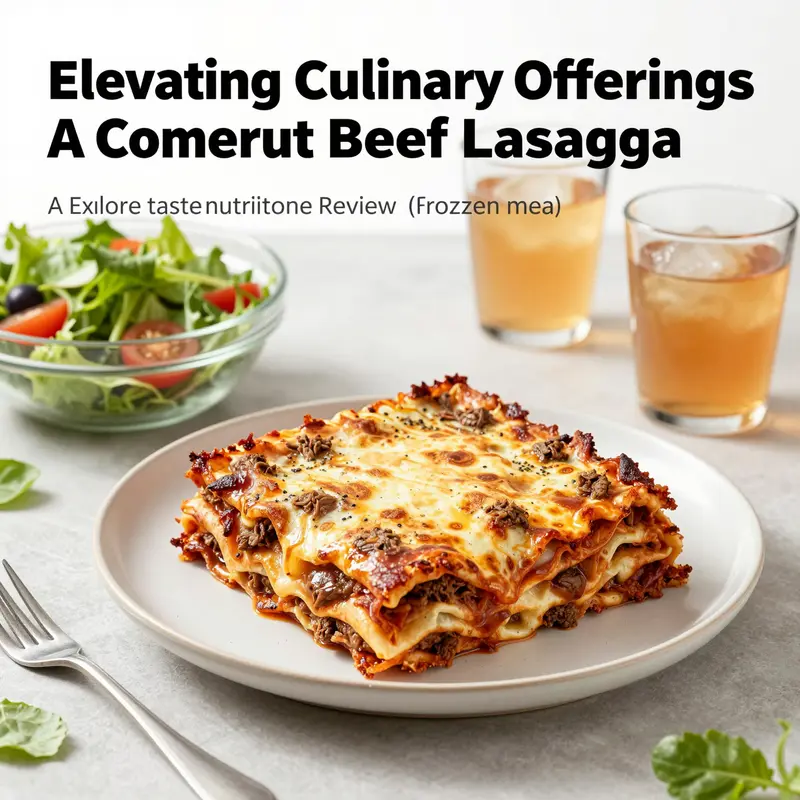
Costco’s Kirkland Signature Beef Lasagna has become a staple for families and business owners alike due to its convenience and taste. This beloved frozen meal, typically weighing around 3 pounds and priced between $16 to $20, offers a value proposition that many find hard to resist. In this review, we delve into its taste and quality, nutritional information, cost efficiency, and what consumers say about their experiences. Whether you’re looking to stock up for a busy weekday or impress guests at a gathering, understanding these aspects can help business owners make informed decisions about incorporating this product into their offerings.
Layered Comfort, Big Bites, and Budget-Savvy Flavor: A Thorough Review of a Warehouse-Club Beef Lasagna
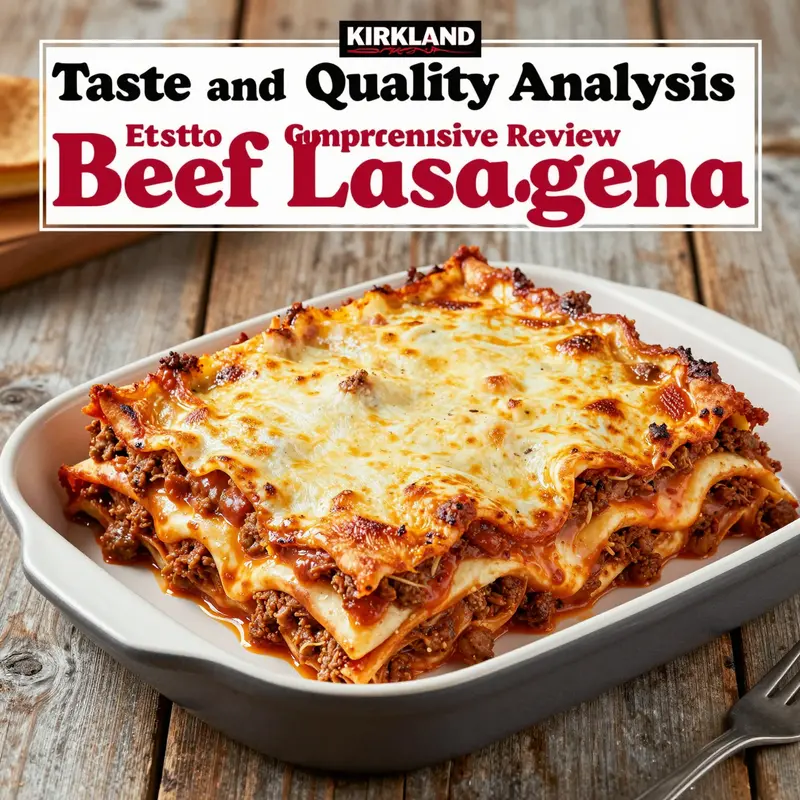
There’s a quiet confidence in a well-made frozen lasagna that only shows up when the crowd arrives and the clock is counting down. This particular beef-and-sausage lasagna, a staple in many warehouse-club freezers, earns a steady chorus of praise for its ability to deliver a substantial meal without demanding labor from the cook. It’s the kind of dish that becomes a default choice for holiday gatherings, weekend family feasts, or impromptu potlucks, where the goal is to feed a table full of people with minimal fuss. In the end, it isn’t just about having something hot to serve; it’s about the reassurance that comes with a complete meal that looks generous on the plate and tastes comforting in every bite. The appeal rests on two pillars that tend to hold up under scrutiny: convenience and flavor, both of which are magnified by the product’s generous size and straightforward preparation. The lasagna is designed to go from freezer to oven with no thawing required, and the result is a dish that can easily feed six to eight hungry mouths. For households that juggle schedules, kids’ activities, and the occasional last-minute guest, that level of predictability is worth something on a pantry shelf.
Taste registers as the first true test for any frozen entrée, and this lasagna does not disappoint in the way a good Italian-inspired sauce should. The meat sauce leans on a blend of sausage and beef, yielding a savory backbone that is robust without being overpowering. The seasoning strikes a careful balance—bold enough to carry the dish’s character, but not so salty or aggressive that it masks the sauce’s tomato-auburn depth. Reviewers consistently describe the meat sauce as a reliable, comforting staple rather than a punchy highlight reel; it tastes like it belongs in a home-cooked meal, even when it comes straight from the oven door. The tomato presence isn’t thin or shrill; it provides gentle acidity that helps lighten the richness of the meat without stray sweetness skewing the profile. In a single bite, you sense an intention to deliver a traditional, familiar flavor rather than a modern remix, and that intention resonates with fans of classic Italian fare.
Texture is the other critical axis on which this dish earns its keep. Layer after layer of pasta holds together with a pleasing resilience after baking, creating that signature sight and sensation of stacked sheets that hikers of comfort food know well. The pasta strands are tender enough to yield with a fork but firm enough to resist a mushy collapse, which is crucial for a dish that travels well from oven to table and then to a serving platter without losing its form. Between the sauce and the cheese, there’s a gooey, stringy finish that invites you to pull a long, satisfying lift of melted mozzarella and Parmesan. It’s a sensory cue that says, “this is a hearty, indulgent meal,” and it’s easy to see why many people describe it as a crowd-pleasing centerpiece. Those textural cues—tender layers, cohesive assembly, and a kiss of cheese that pulls in ribbons—combine with the sauce’s depth to render a product that feels substantial rather than merely functional.
As a prepared food, the lasagna’s value proposition rests on more than flavor and texture. The 3-pound package is designed to yield a generous number of portions, typically six to eight servings, depending on appetite and plating. The price point—labelled in many markets around the mid-teens to low twenties—positions the dish as a practical choice for larger gatherings. It is the kind of dish that elicits compliments not just for its taste but for its ability to cover a table with a complete, comforting meal without demanding a kitchen’s worth of attention. The preparation is straightforward: no thawing required, a straightforward bake in a conventional oven, and a cooking window that lands squarely on the side of convenience. For someone coordinating a party menu, this translates into a predictable schedule and minimal last-minute stress. And because it’s a no-fuss entrée that still delivers on heartiness, it earns a reputation as a dependable “go-to” option when guests arrive with little notice or when multiple dietary preferences need to be accommodated with a single, familiar dish.
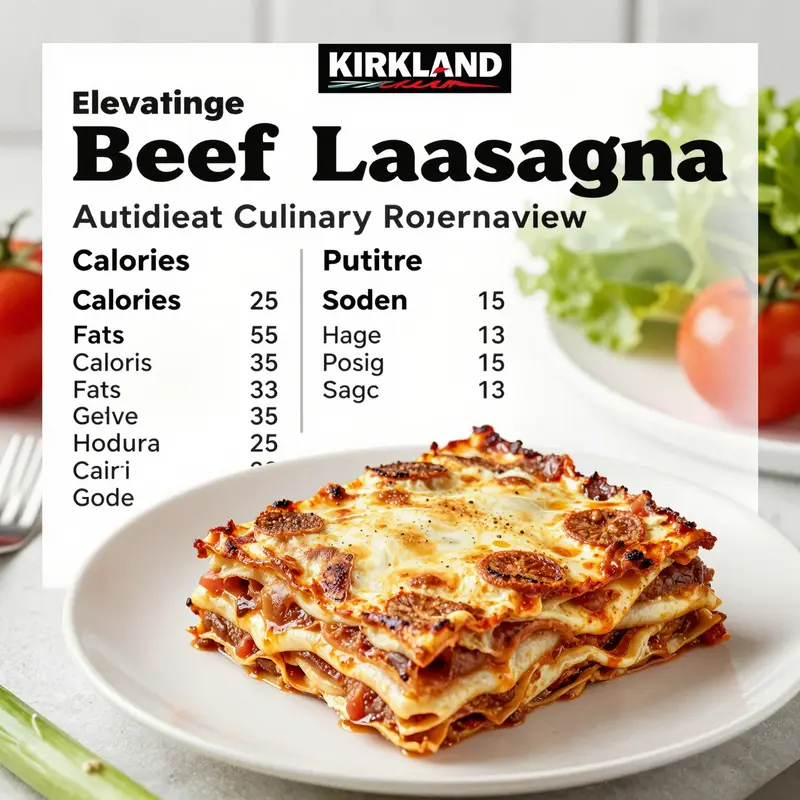
That said, the dish isn’t without considerations. Nutrition, in particular, is a factor worth noting for anyone planning frequent use. Each serving carries a calorie count that can quickly add up—an attribute common to many dense, cheese-forward lasagnas. If you’re balancing calories over a week or watching sodium and saturated fat intake, there are legitimate concerns to consider. The sodium load, in particular, can be significant, alongside a notable amount of saturated fat per serving. These attributes aren’t unusual for a dish that leans into a traditional, indulgent flavor profile, but they do reinforce the idea that this lasagna is best enjoyed as an occasional centerpiece rather than a daily staple. The practical implication is simple: pair it with lighter sides, like a crisp green salad, steamed vegetables, or a bright vinaigrette-dressed slaw, to create a more balanced plate. That approach helps preserve the lasagna’s strong points—its flavor, texture, and value—while dialing back the overall daily intake of sodium and fat.
Preparing the dish in a home kitchen becomes a small act of choreography: you set the oven to a standard temperature, slide the frozen pan onto a sheet pan to catch possible drippings, and bake for roughly an hour, with a little extra time if you prefer crispier edges or a more audible cheese pull. The result arrives hot and aromatic, the edges slightly crisped, the cheese gleaming with that inviting stretch as the first slices are plated. In practice, the dish lands on the table with the assurance of a well-executed home classic, even though it originated in a freezer case rather than a simmering pot. It is precisely that blend of ease and homey satisfaction that makes it a frequent guest at gatherings where a wide range of palates and appetites must be met without a kitchen staff. The feedback from diners often centers on how unexpectedly close the flavor comes to a restaurant-style experience, a testament not only to the sauce’s character but also to how well the cheese and pasta layers cooperate during the bake. It is a reminder that convenience can, on occasion, align beautifully with quality.
For readers who want a frame of reference beyond taste and texture, the discussion naturally touches on the broader frozen-meal category. In this space, the ability to deliver a complete, shareable dish with minimal input is a significant achievement. It’s not merely about filling plates but about filling moments—moments when guests arrive with unplanned appetites, or a school-night deadline makes cooking from scratch impractical. The ingredient balance, while traditional, shows a clear orientation toward being crowd-friendly: a robust meat sauce, ample cheese, and sturdy pasta layers end up delivering a cohesive plate that doesn’t require constant supervision. In the end, the dish’s success hinges on how well it communicates that intent through aroma, texture, and portion size. When that message lands—the plate is full, the table is lively, and no one is left waiting—the dish earns its reputation as a reliable centerpiece for gatherings large and small.
If you are curious how this frozen entrée stacks up against other options in the same aisle, one useful point of reference is the broader frozen-meals conversation found in discussions like the Costco Frozen Burgers Reviews page. It isn’t a direct apples-to-apples comparison, but it helps illuminate how a warehouse-club lineup tends to balance taste, value, and convenience across different proteins and formats. For those who want to explore that wider landscape, see the detailed discussion here: Costco Frozen Burgers Reviews.
As with many indulgent dishes, moderation and balance are the guiding principles. The lasagna shines as a party hero and a go-to family meal on busy nights, but its high-fat and high-sodium profile makes it prudent to enjoy in measured portions and to complement it with leaner, fresh greens and vegetables. The dish’s appeal—its layered structure, its satisfying meat-forward sauce, and its cheese-driven finish—speaks to a traditional appetite for heartier, comforting meals. This isn’t a pastry- or noodle-forward novelty; it’s a dependable, well-constructed entrée designed to satisfy a table full of people without demanding a lot of prep time. When paired thoughtfully with lighter accompaniments, the result is a meal that feels generous without tipping the scale toward excess.
External reference for the official product details and specs can be found here: https://www.costco.com/kirkland-signature-italian-sausage-and-beef-lasagna-p3245370.html
null
null
Value at Scale: A Comprehensive Look at Costco’s Kirkland Beef Lasagna as a Budget-Friendly Centerpiece
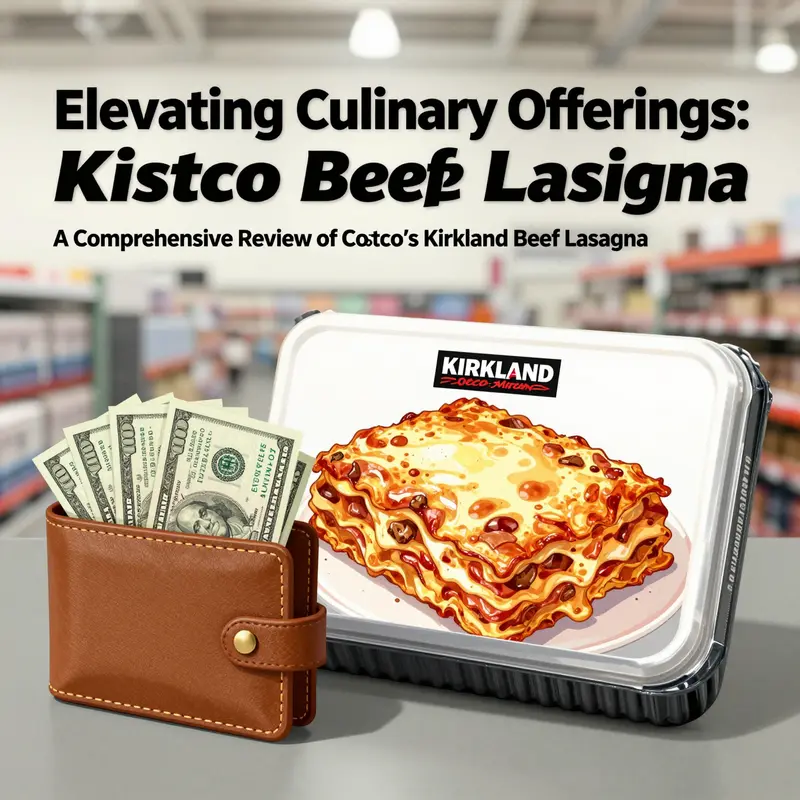
When a party or a weeknight crowd converges at the doorstep, the freezer section often becomes a stage for practical decision-making. The Kirkland Signature Beef Lasagna from Costco enters that stage with a loud, comforting promise: big portions, straightforward cooking, and a price tag that invites a practical math problem for the host. In this chapter, we thread together the strands of cost, convenience, and flavor to paint a full picture of how this frozen-prepared dish functions as a centerpiece for gatherings and busy households alike. It is not merely about what sits inside the box, but how its size, speed, and taste interact with real-life rhythms—planning, budgeting, and appetite—over the course of a meal and beyond it into leftovers and future meals. The product’s design is bluntly simple: a nearly three-pound lasagna that can feed six to eight with a single cooking step. From the freezer to the oven, the preparation is as uncomplicated as it gets—about 55 to 60 minutes in a preheated oven, with no need to brown meat, simmer sauces, or roll sheets by hand. This is the kind of convenience that makes it a natural for game nights, birthday gatherings, or any scenario where time is scarce but guests expect a table that looks generous and feels festive. The scent that rises from the oven—meaty, cheesy, and oven-warmed—serves as a signal that a meal is underway, even before a bite is taken. The end result, according to extensive consumer feedback, tends to approach restaurant-like satisfaction in a form that remains accessible and familiar to a broad audience. It is the kind of dish that helps a host deliver “value” without sacrificing the sense of occasion that guests seek when they come together.
From a value perspective, the numbers themselves tell an essential part of the story. The lasagna is commonly priced in the mid-teens, roughly around $16, depending on local promotions and store pricing. The official appeal lies in its portion size: a single package weighs in at around three pounds and is marketed as serving six to eight people. That translates to a per-person cost that sits well within the reasonable range for a family supper or a party main course, especially when compared with the cumulative cost of lay-it-out-from-scratch ingredients or more expensive restaurant takeout. In practical terms, the math is favorable: if you stretch it to eight modest portions, the price per person drops to about two dollars or a little more—well below most restaurant or catered options for a similar quantity of food. If you count the time saved, the value proposition grows more robust still. A homemade lasagna of comparable scale would demand a long sequence of tasks—browning meat, simmering sauce, boiling and cooling pasta sheets, layering with cheese blends, and diligent oven timing. The frozen lasagna eliminates those steps and consolidates them into a simple bake. For families juggling work, school schedules, and social commitments, that time savings is not a marginal benefit but a defining feature. It reshapes what constitutes “worth it” in a purchase decision: a balance of cost, effort, and outcome that feels predictable and reliable.
That said, a clear-eyed evaluation of value cannot stop at price and time. The product’s flavor and texture—described by many tasters as rich, hearty, and indulgent—provide the essential quality counterpoint to the savings. Expect a robust meat sauce with a hearty tomato presence, layered with substantial cheese that stretches appealingly when plated. The lasagna’s portion structure and cheese pull contribute to a restaurant-like impression, which is a significant part of why many households reach for it during holidays, birthdays, or gatherings where guests’ expectations lean toward a “wow” factor without demanding extensive kitchen labor. The texture is substantial, with a confident layering of pasta and filling that remains intact after baking. It isn’t delicate or subtly gourmet in the way some artisanal lasagnas can be, but it delivers a satisfying, familiar comfort that aligns with the expectations of a rustic, family-style Italian dish. The consensus among reviewers tends to phrase this as “near restaurant quality” for the category, a powerful claim that underscores the product’s ability to meet taste expectations without the overhead of a dine-out bill.
Yet every great value story carries its caveats, and this one is no exception. Nutrition considerations sit squarely in the spotlight when you think about the long arc of daily eating. A nutritional analysis released in the recent past points to a substantial fat load and sodium content that merit mindful consumption. Each serving, defined as two pieces or roughly half the package, can contain up to 21 grams of saturated fat and around 1,590 milligrams of sodium. Those numbers translate into more than a day’s worth of saturated fat for some individuals and a sizable proportion of daily sodium guidelines. The practical takeaway is not to demonize the dish but to contextualize it within a balanced diet. It can be a wonderful occasional centerpiece for gatherings or as a convenience tool during busy weeks, paired with lighter, vegetable-forward sides that soften the meal’s nutrient profile. The idea is to savor the taste and the practicality while recognizing the health trade-offs and planning portions accordingly. In a broader sense, that means couples or families can enjoy the dish as part of a rotational approach to meals, using it to anchor a menu that features salads, steamed greens, or a crisp side to offset richness and sodium.
In practice, the value of this lasagna emerges most clearly in the way it reshapes a dinner timeline and a guest list’s expectations. A host can confidently announce a main dish that reliably feeds a crowd, with minimal last-minute cooking stress. The dish’s large size invites easy self-service, enabling guests to tailor servings without constant monitoring. Leftovers, if any, are typically easy to refrigerate or reheat for a subsequent meal. If the goal is to minimize the total number of separate dishes to clean up after dinner, this lasagna’s one-dish approach—save for a simple green salad or a light side—offers a practical advantage. The practical rhythm it establishes aligns with common hosting patterns: plan, bake, serve, mingle, and repeat. The result is a meal that can stand as a centerpiece for a party, a family gathering, or a weeknight when time feels scarce but appetite remains robust.
This perspective on cost efficiency would be incomplete without acknowledging the product’s place within a broader landscape of frozen options. It typically sits in the same aisle as other convenient, ready-to-heat meals that promise quality without laborious preparation. When placed side by side with other frozen mains, the Kirkland beef lasagna often earns its keep through both scale and taste. The large portion size minimizes the need to choose between leftovers or repeated cooking, while the straightforward cooking method reduces the risk of error during a busy evening. The upshot is a practical, dependable option that blends well with a diverse crowd and a diverse set of dietary preferences, as long as guests are prepared for a richer, indulgent flavor profile and the dish’s sodium and fat profile. For readers who want to compare the broader frozen-food category, exploring a few representative reviews of similar items—such as other large-format, meat-forward entrées—can provide a useful frame. As a starting point for that discussion, see the general discourse around frozen options like this one, which can be found in the overall conversation about Costco’s frozen offerings.
To anchor this discussion in a real-world experience: if the goal is to feed a crowd efficiently while maintaining a sense of occasion, this lasagna checks many boxes. It is not a gourmet experiment, but it is a reliable, crowd-pleasing solution that blends affordability with a high likelihood of satisfaction. It works well for holidays, family reunions, or casual parties where guests expect warmth, comfort, and a dish that feels substantial without demanding a chef’s level of attention. This alignment of cost, convenience, and flavor is the heart of its appeal. And while the health considerations mean it should be enjoyed in moderation and balanced with lighter greens and vegetables, the overall value proposition remains strong for those who plan around dietary patterns rather than treating it as a daily staple.
For readers who want to explore how this category of products fits into broader shopping and cooking practices, an accessible entry point is to look at discussions of frozen mains in the same retail ecosystem. These conversations often highlight how a large-format frozen dish can shift planning from “what should we cook tonight?” to “how can we assemble a feast with minimal effort?” The outcome—more time around the table and less time at the stove—can transform gatherings and weeknights alike. And because portioning is straightforward, hosts can manage portions with ease, ensuring that guests and household members feel satisfied without waste. In many cases, this translates into a practical solution for busy families balancing work, school, and social obligations, where the relief of reduced meal-prep time can be as valuable as the dollar savings on the receipt.
For those who want a quick pointer to related discussions without leaving the article, a concise exploration of Costco’s frozen offerings can be found here: Costco Frozen Burgers Reviews. This reference helps contextualize how frozen, ready-to-heat items perform in everyday use, even when the specific dish differs. The broader takeaway remains consistent: the value equation for these products hinges on a balance between price, time saved, and the consistency of taste, with health considerations varying by product and portion size. In the end, the Kirkland Signature Beef Lasagna stands out as a dependable, well-priced option that can anchor a crowd-pleasing meal, provided that the nutritional aspects are managed within a balanced diet and mindful serving sizes. This approach allows the dish to function as a practical cornerstone for gatherings, while still leaving room for lighter sides and fresh options that round out the overall meal.
External reference on sodium and heart health: for readers seeking authoritative guidance on sodium intake and cardiovascular risk, see the Cleveland Clinic resource on sodium and heart health.
Layered Feedback, Realistic Expectations: Reading Shopper Reactions to a Store-Brand Beef Lasagna for Busy Homes and Gatherings
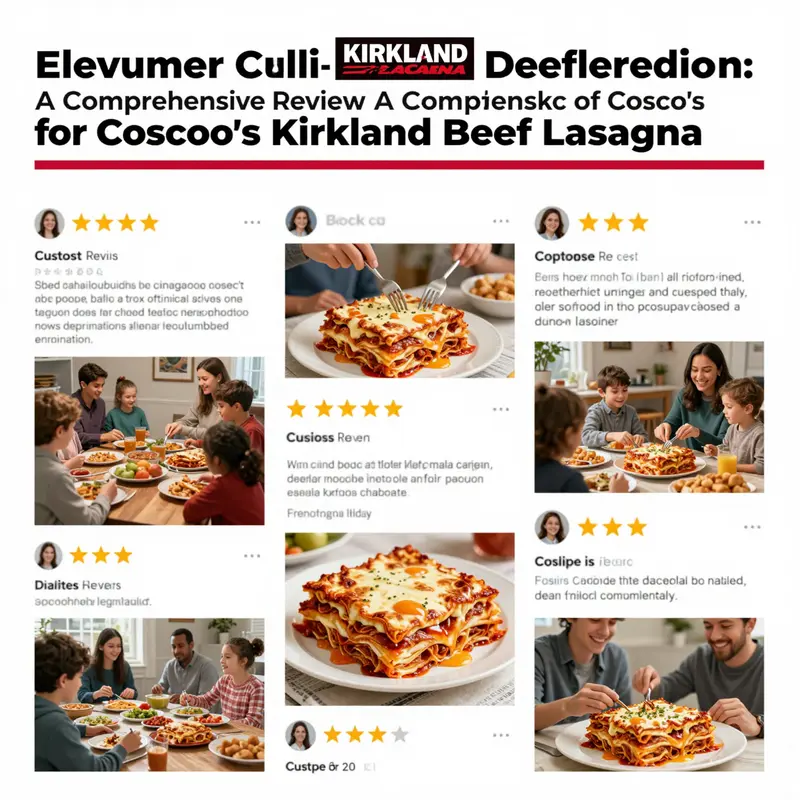
Evaluating a store-brand beef lasagna for busy homes and gatherings benefits from a layered approach when formal consumer reviews are sparse. Readers should weigh convenience, portion size, flavor, and nutrition against real-life kitchen constraints. The typical advantage of a store-brand lasagna is a multi-serving size that feeds six to eight with minimal prep, often requiring just oven reheating rather than assembling components from scratch. Practical benefits include predictable bake times, straightforward plating, and the ability to stretch a meal to accommodate guests without extensive advance planning. Taste and texture remain central; shoppers look for a robust meat sauce, a creamy cheese topping, tender pasta that holds up after reheating, and a balanced level of richness that does not overwhelm sides. Reheating dynamics can alter texture, so uneven sauce distribution or clumpy cheese can affect the final slices on the plate. Portioning matters for gatherings, where the goal is to minimize deficits and avoid overly small servings, while for weeknight meals it matters to keep leftovers manageable. Nutrition and sodium are also considerations, since ready-made entrées tend to be higher in calories and salt than home-cooked meals, so readers are advised to pair the lasagna with vegetables or fiber-rich sides to balance the meal. The absence of a large body of reviews invites a careful, thoughtful decision: rely on cooking instructions, adjust expectations for texture, and plan sides that complement the dish. For households, practical guidance includes checking freezer storage, verifying lid and packaging integrity, testing a small portion when first trying a new brand, and mapping leftovers into future meals. For gatherings, it helps to select accompanying dishes that contrast in flavor and texture, so the lasagna acts as a comforting anchor rather than the sole focal point. From a retailer and producer perspective, clearer information about serving size, nutrition per serving, and allergen statements helps shoppers predict daily intake. Visual cues on packaging that communicate the intended audience (family meals, potlucks, or game-day gatherings) can set appropriate expectations. A more granular note on how the meat sauce and cheese distribute during reheating would reassure buyers, particularly across different ovens. Broader consumer chatter about frozen entrées can also offer indirect guidance: reviews often discuss how closely these dishes mimic restaurant flavors, how forgiving they are to reheating variance, and how well they fit into a weekly meal plan. If readers want to triangulate impressions, they can consult general reviews of similar store-brand frozen lasagnas to calibrate texture and portion satisfaction before applying those insights to this product. For ongoing curiosity, this kind of analysis can be paired with broader coverage of store-brand frozen products to understand broader reception and evolving consumer preferences in the category.
Final thoughts
Costco’s Kirkland Signature Beef Lasagna stands out not only for its exceptional taste and quality but also for its balance of nutrition and value. With its convenient preparation and feeding capacity, it’s tailored for busy lifestyles and larger gatherings alike. Business owners would benefit from understanding both the allure of this product and the dietary considerations it entails. By pairing this offering with fresh vegetables or light side dishes, one can create an appealing and satisfying meal that keeps customers coming back for more.