
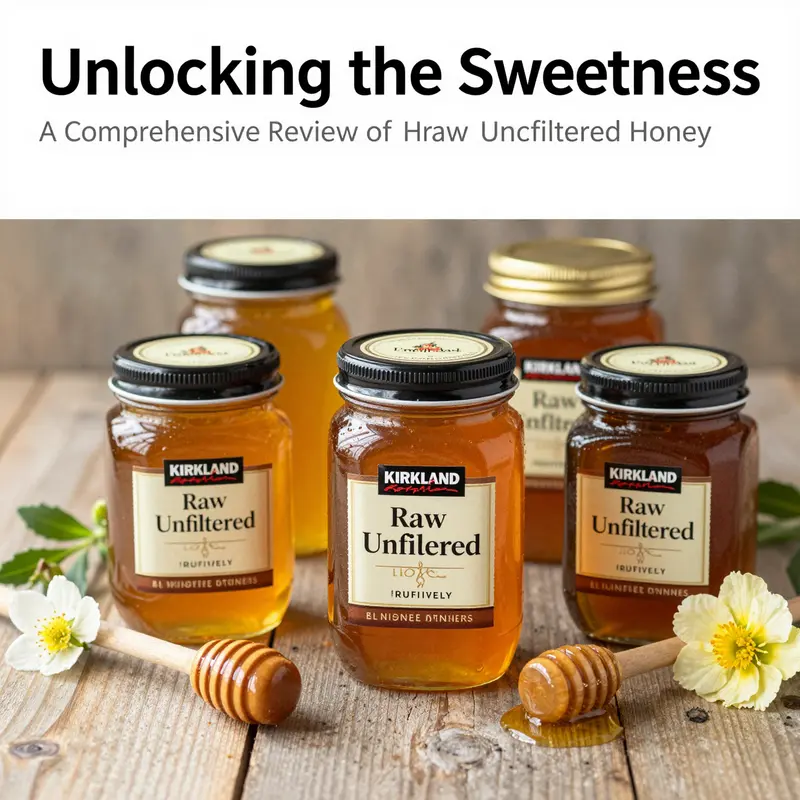
Kirkland Signature Raw Unfiltered Honey stands out as a popular choice among health-conscious consumers and businesses alike. Known for its natural, unfiltered composition, this honey not only retains essential enzymes and antioxidants but also delivers a rich flavor profile that consumers crave. In this exploration, we will delve into the quality and characteristics of Kirkland Raw Unfiltered Honey, assess its taste and versatility in various culinary applications, and discuss packaging, storage, and purity considerations. Each chapter will provide valuable insights to help business owners understand how this product can enhance their offerings and meet customer demands.
null
null
Kirkland Signature Raw Unfiltered USA Honey: Taste, Uses, and Real-World Feedback
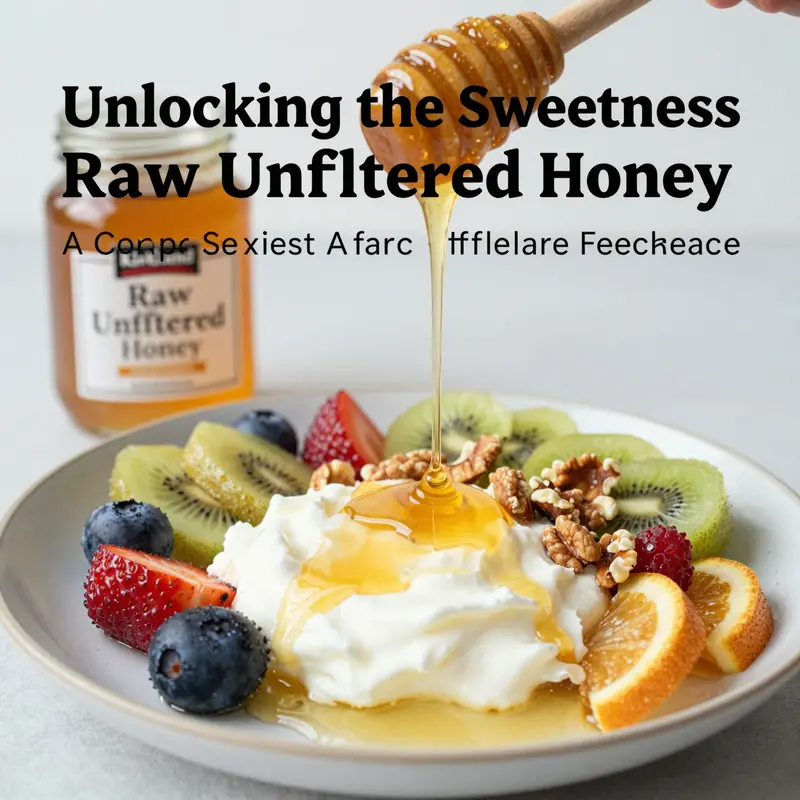
This section examines Kirkland Signature Raw Unfiltered USA Honey, focusing on its flavor, texture, sourcing, and practical applications. In its unfiltered state the honey preserves pollen and enzymes, resulting in a cloudy appearance and a more robust aroma compared with highly processed varieties. The texture is thick and viscous, slowly pouring and leaving a lasting impression on the palate. Crystallization is a natural behavior and can be reversed with gentle warming, which many users treat as a sign of authenticity rather than a flaw. Proponents highlight its versatility in tea, yogurt, oats, toast, and baking, as well as its value when purchased in bulk. Some batch-to-batch variation is expected due to differences in nectar sources, but this is typically perceived as character rather than inconsistency. Overall, the product is commonly valued for delivering a true honey experience with depth and practical value for everyday use.
Store-Brand Raw Unfiltered Honey: Packaging, Storage, and Purity Under Scrutiny
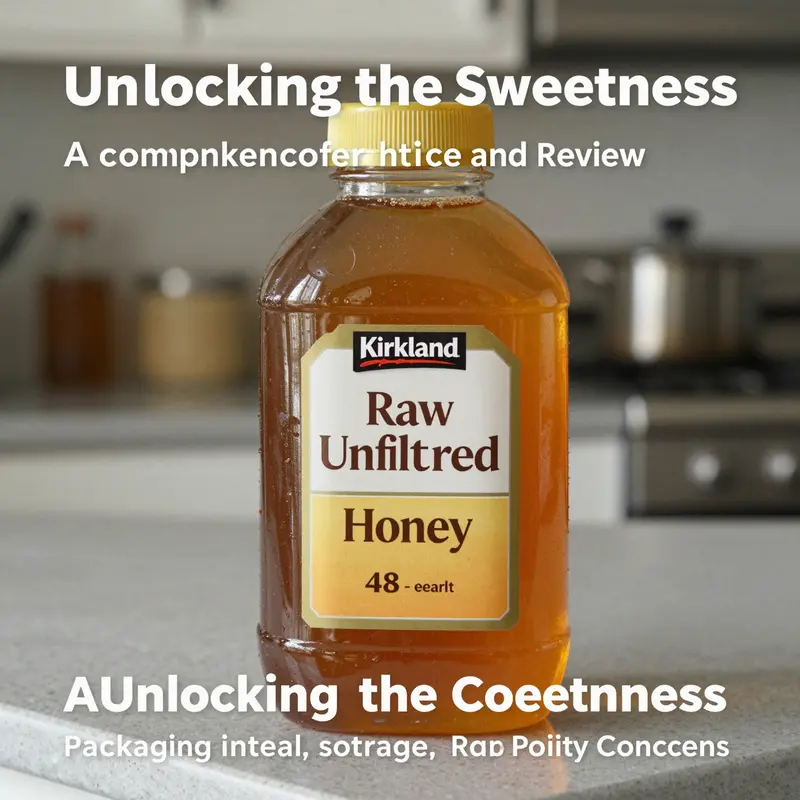
A jar of store-brand raw unfiltered honey sits on the kitchen counter, inviting immediate use. Its promise is simple and appealing: a product that is minimally processed, retaining enzymes, pollen, and antioxidants that modern diets often claim to crave. Yet the practical realities behind this promise unfold when we examine how it’s packaged, how it’s stored, and what the label really communicates about purity. The story of this honey is less about dramatic reformulations and more about the quiet, everyday decisions that influence quality long after the jar leaves the shelf. It is a narrative that invites us to consider not only what we eat, but how what we eat is protected from concept to consumption. In this light, the chapter turns from taste to tenure, looking at three intertwined facets: packaging that preserves or compromises, storage that sustains or degrades, and purity claims that reassure or raise questions. While the focus remains on the store-brand option, the observations apply to a wide spectrum of raw, unfiltered honeys that travelers and households encounter in daily shopping. For a broader view of how retailers frame honey on their shelves, see the Costco Food hub. Costco Food hub
Packaging appears deceptively simple at first glance: a standard plastic container that carries the weight of convenience, price, and accessibility. The functional design is undeniably practical for families and bulk buyers who want to keep a pantry staple within easy reach. But packaging choices matter for a product that prides itself on minimal processing. Plastic, while economical, is not the most protective material for long-term freshness. Light, heat, and air are enemies of delicate bioactive components in honey. They can gently accelerate subtle changes in aroma, flavor, and color over time, especially if the jar is kept in a sunny spot or near heat sources. In contrast, glass jars, especially those with UV-protective coatings or amber tints, act as a barrier to light and can slow down oxidative changes. They also communicate a certain premium perception that resonates with consumers who prize purity and tradition. The trade-off is clear: glass adds cost, weight, and breakage risk, which can undermine the practical appeal of a bargain-size, mass-market purchase. The packaging story, therefore, becomes a reflection of the tension between accessibility and preservation, between affordability and longevity, between the immediacy of a jar ready to scoop and the longer arc of quality that thoughtful storage can sustain.
The question of protection extends beyond light and air to sealing and material integrity. In many store-brand options, the container is a straightforward plastic bottle or jar with a standard cap. A tight seal matters not just to keep honey from leaking but to minimize micro-movements of moisture and air that can alter texture over months. In raw, unfiltered varieties, where pollen and trace wax can settle out as a natural part of the product, a secure seal also helps maintain the settled belief in authenticity. Natural sediment in the jar—pollen, wax particles, and other non-dissolved constituents—speaks to the product’s unfiltered claim. Some buyers interpret this sediment as a sign of honesty, a tangible reminder that the honey remains close to its origin. Others worry that visible particles might indicate inconsistent filtering or quality control. Packaging does not create purity, but it does influence perception and can affect the practical handling of the product in daily use. The reality is nuanced: minimal processing often accompanies a shipping and storage system that must be robust enough to keep impurities harmless and to preserve the texture that many users associate with “fresh-from-the-hive” character.
Once the jar is opened, storage takes on new importance. Raw, unfiltered honey does not spoil in the conventional sense, but it does change. A defining feature of many raw honeys is crystallization, a natural thickening process that occurs as glucose sugar crystallizes out of solution. Crystallization is not an indicator of spoilage; it signals a stable lattice that honey can adopt under cool conditions. In a home, cooler kitchens or pantry corners can hasten this transformation, producing a granulated texture that some buyers actually prefer for spreading or baking. The practical response is simple: when crystallization occurs, gently re-liquify the honey by warming it in a warm water bath, taking care not to exceed temperatures that might alter enzymatic activity. This gentle reheating preserves the honey’s raw status while restoring a pourable consistency. The ability to reverse crystallization without sacrificing the natural state of the honey is one of the reasons why many consumers reach for raw, unfiltered products. The caveat is that repeated cycles of heating and cooling can gradually alter flavor nuances and color, so consistent storage conditions become a quiet ally in maintaining product integrity.
Storage decisions extend beyond temperature. The storage environment’s temperature range, humidity, and exposure to light all shape the product’s long-term journey. A cool, dry, dark spot is ideal, away from the glare of direct sunlight and away from heat-generating appliances. If a jar sits in a kitchen cabinet near a window, the risk of light-induced color change or aroma drift increases. While some degree of color variation is expected and harmless, sustained exposure can um… influence how the honey evolves over months. The typical shelf life cited for raw, unfiltered honey is impressively long when kept properly, sometimes described as effectively indefinite. The important caveat is that “properly” means controlling temperature, not letting the jar heat up and down with seasonal changes, and ensuring the container remains sealed and intact. In practice, this is a straightforward routine: store in a cool, stable spot, avoid direct sun, and rotate jars within a family’s pantry so that older stock is used before it ages further. The result is a pantry-friendly product that remains a flexible ingredient for direct consumption, yogurt accompaniment, or a baking component that benefits from a rich, natural flavor profile rather than a sugary, processed sweetness.
The purity narrative surrounding raw, unfiltered honey is perhaps the most debated and the most important for health-conscious buyers. Sellers often emphasize that the product contains no added sugars and that it is “raw” and “unfiltered” in the true sense—encompassing naturally occurring pollen, enzymes, and trace wax. This straightforward language can be persuasive, yet the authenticity of these claims rests on more than rhetoric. Independent analyses have at times raised questions about adulteration or dilution in some mass-market honeys, even those branded as raw. The friction here lies between consumer demand for transparency and the operational realities of scale. Without detailed sourcing information readily visible on the label, some buyers feel a tug toward greater assurance: third-party certifications, explicit origin data, or a guarantee of no blends can provide comfort that the product’s purity is not merely claimed but verified. It is not that every store-brand raw honey is suspect; rather, the reality is that purity is a spectrum. The presence of pollen and natural sediment in the jar can be a positive sign for some, reflecting the unfiltered essence. For others, it raises questions about consistency and purity guarantees. The labels offer clues—terms like “raw” and “unfiltered” can be meaningful, but they demand careful interpretation alongside other indicators, such as rare but meaningful certifications or documented sourcing.
The purity conversation also touches on packaging materials and their own influence on purity perception. A commonly used plastic container, while economical, can interact with the honey in subtle ways. Plastic, unlike glass, is permeable to certain gases and light in ways that may, over long storage, nudge flavor and aroma. In contrast, glass jars, particularly hexagonal designs with metallic lids noted in premium segments, project durability and a robust sense of tradition. The material choice is not merely cosmetic; it shapes consumer psychology and, in some cases, willingness to pay a premium for what is framed as a purer product. The hexagonal glass jar, favored by some premium brands, stands out not just for a striking aesthetic but also for its perceived stability against environmental fluctuations. Yet the more affordable plastic option remains widely accessible, making the total purity experience a negotiation between price and perceived integrity. In the end, the consumer must decide where the line between affordability and assurance lies for their own kitchen rituals.
Within the broader landscape of store-brand raw, unfiltered honeys, a few practical steps help navigate the purity dialogue without overhauling one’s shopping habits. Start with the label. Look for explicit statements about “raw,” “unfiltered,” and “no added sugars.” Absence of vague marketing fluff is itself informative. If the label includes origin information, even summarizing the country or region of origin, that adds an extra layer of transparency. Beyond the label, consider what is not said. A lack of detailed sourcing data does not automatically condemn a product, but it invites healthy skepticism and careful consumption choices. When possible, compare multiple brands or store brands to notice patterns in packaging and labeling that correlate with perceived quality. If you crave a visual cue for purity, observe the jar’s sediment and viscosity when you first twist the cap. A small amount of pollen settlement is not a defect; it is a natural byproduct of raw processing. Conversely, an absence of any natural particulates might indicate more aggressive filtration, an undesirable departure from raw status for some purists. In cases where purity is paramount, consider forgoing the lowest possible price in favor of brands that share transparent origin narratives or hold certifications that align with personal standards. In short, purity is a subjective yet navigable field when approached with curiosity and method rather than fear.
The dialogue surrounding store-brand raw honey is enriched by the broader consumer conversation about how we evaluate food quality in a marketplace that champions convenience without sacrificing tradition. Purchases hinge on more than taste; they hinge on trust, packaging logic, and the ability to maintain product integrity across a household’s daily routines. The packaging tells a practical story—easy to handle, easy to store, and easy to dispense. The storage tells a biological story—honey’s chemistry remains stable when kept cool and dark, yet its texture and aroma subtly evolve with temperature shifts. The purity narrative tells a civics story—consumers deserve truthful labeling, verifiable origin, and a commitment to product integrity. When these strands braid together, the store-brand raw honey becomes more than a pantry commodity. It becomes a case study in how ordinary grocery decisions shape health, flavor, and trust. And while this chapter has remained focused on the realities of a mass-market product, the underlying lessons translate to the broader world of raw, minimally processed foods: if purity feels elusive, look for the signs of care in packaging, seek clarity in labeling, and honor your own sensory memory of what proper raw honey should feel and taste like.
For readers interested in a broader retail context, a quick reminder that retailer presentation of honey and related products can vary by store format and supplier relationships. A useful touchpoint for understanding these dynamics is the general retail hub for store-brand groceries, which offers context on how retailers balance price, packaging, and transparency across categories. This broader frame helps explain why a consumer might encounter a wide spectrum of packaging and labeling even within the same market segment. As a practical takeaway, treat each jar as a signal from a particular supply chain moment: packaging choices that favor cost and convenience, storage guidance that aligns with household habits, and purity claims that warrant a careful read. By combining these signals, you can form a grounded judgment about whether a given raw honey truly aligns with your standards for purity, flavor, and longevity. External reference: External resource.
Final thoughts
Kirkland Raw Unfiltered Honey not only meets consumer demand for natural and additive-free alternatives but also offers an enticing taste profile and ample versatility for both cooking and baking. By understanding its quality, flavor, and packaging, business owners can make informed decisions about incorporating this honey into their product lines. With growing consumer preferences for health-oriented products, offering Kirkland Raw Unfiltered Honey could be a strategic move to satisfy the increasing interest in pure, flavorful honey options.