
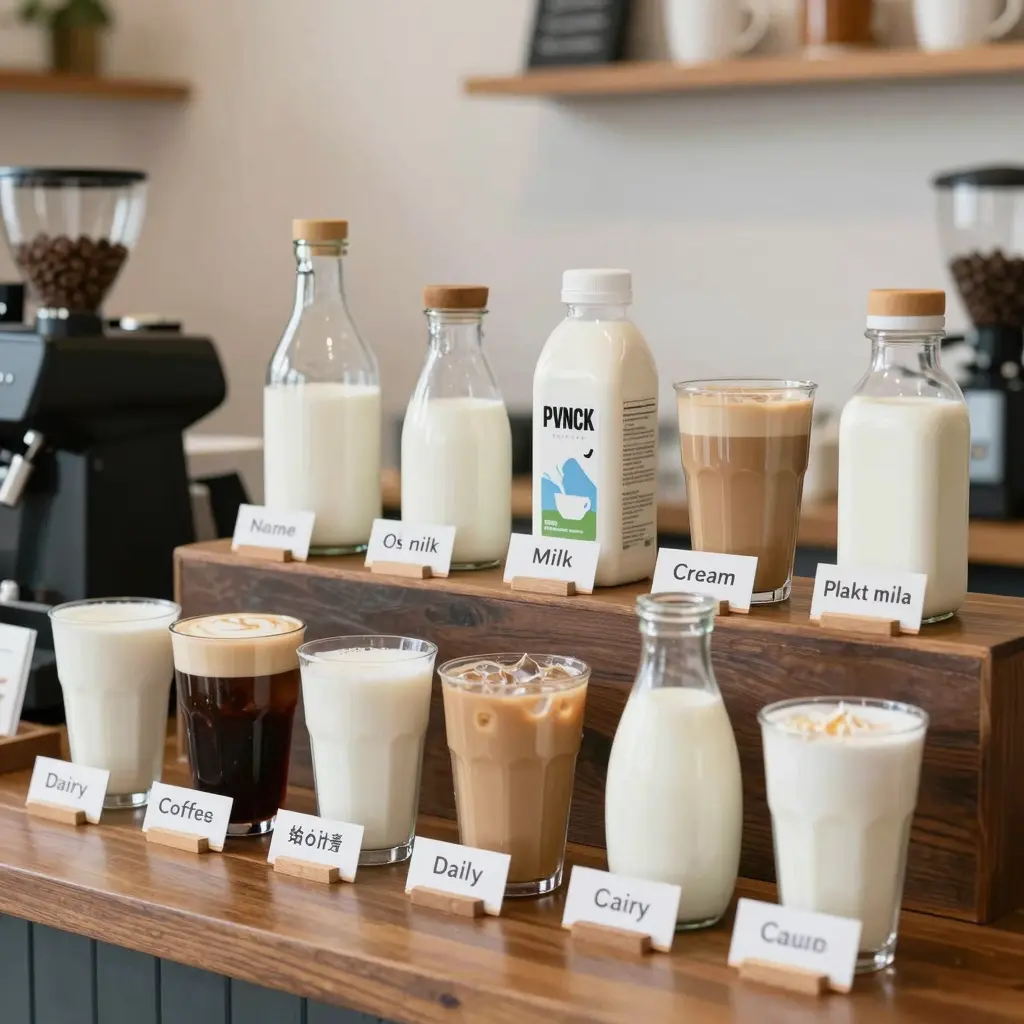
Coffee has become a quintessential part of modern life, making it one of the most consumed beverages worldwide. For business owners, capitalizing on the coffee craze presents an enticing opportunity, particularly through the use of coffee cream and milk. These ingredients not only enhance the flavor and texture of coffee but also cater to a diverse customer base, from those seeking a rich, creamy cup to health-conscious individuals opting for plant-based alternatives like oat or almond milk. As the beverage industry continues to innovate with unique flavors and artisanal blends, the role of cream and milk in coffee preparation has taken center stage. In this article, we’ll explore how these ingredients impact both the quality of the coffee experience and the profitability of coffee-focused businesses. Whether you run a coffee shop, a food service operation, or any establishment serving beverages, understanding the nuances of coffee cream and milk could be the key to standing out in a competitive market. Discover more about popular beverage trends and how to leverage them for your business.
Current Trends in Coffee Cream and Milk Use for Business Owners
For business owners in the coffee industry, understanding current trends in cream and milk usage is crucial for adapting to market demands and enhancing customer satisfaction. Here are several key trends to consider:
1. Shift Towards Plant-Based Alternatives
- Growing Popularity: The demand for plant-based milk alternatives, such as oat, almond, and soy milk, continues to rise. Many coffee drinkers are seeking healthier, lactose-free options.
- Diverse Offerings: Introducing various plant-based creamers can attract a broader customer base. For instance, oat milk and coconut cream have become popular due to their creamy texture and unique flavors. Learn more about Kirkland’s oat milk here.
2. Innovative Flavor Profiles
- Unique Ingredients: New flavor enhancements, such as adding spices, syrups, and exotic creams (like olive oil), are gaining traction. Starbucks, for example, is experimenting with olive oil-infused coffee in Italy, showing consumer openness to novel ingredients (New York Times).
- Customization: Customers appreciate the ability to personalize their drinks, prompting businesses to offer customizable creamers and flavor-infused options.
3. Focus on Sustainability
- Eco-Friendly Packaging: As preferences shift towards sustainability, using biodegradable or recyclable packaging for creamers and milk could be a significant selling point. Consumers are increasingly selecting brands that prioritize environmental impact.
- Local Sourcing: Sourcing milk and cream from local farms could enhance transparency and appeal to customers interested in supporting local economies.
4. Health-Conscious Choices
- Low-Calorie and Functional Creamers: Health-focused consumers are demanding creamers with added benefits, such as protein, dietary fiber, or lower sugar content. Businesses can tap into this by offering health-oriented options that cater to the fitness crowd.
- Transparency in Ingredients: Clear labeling about ingredients will promote customer trust and attract discerning shoppers. The market value for dairy alternatives is experiencing robust growth, reaching estimated figures of $9.9 billion by 2033, reflecting the upward trajectory of health-conscious consumption.
5. Emphasis on Quality and Transparency
- Quality Ingredients: Consumers are prioritizing quality over quantity; they prefer premium cream and milk options. Highlighting organic and specialty creamers can attract customers willing to pay more for better taste and health benefits.
- Sourcing Information: Providing details about where and how ingredients are sourced can enhance brand loyalty.
Market Growth Data
The overall coffee market is projected to experience substantial growth:
| Year | Coffee Market Value (in billion USD) |
|---|---|
| 2022 | 127 |
| 2023 | 133 |
| 2024 | 138.90 |
| 2025 | 145 |
| 2031 | 186.80 |
This trend indicates a steady increase in consumption and should motivate business owners to adapt their offerings accordingly.
Visual Trends
To effectively communicate these trends, your marketing materials should include engaging visuals. Below are two examples:
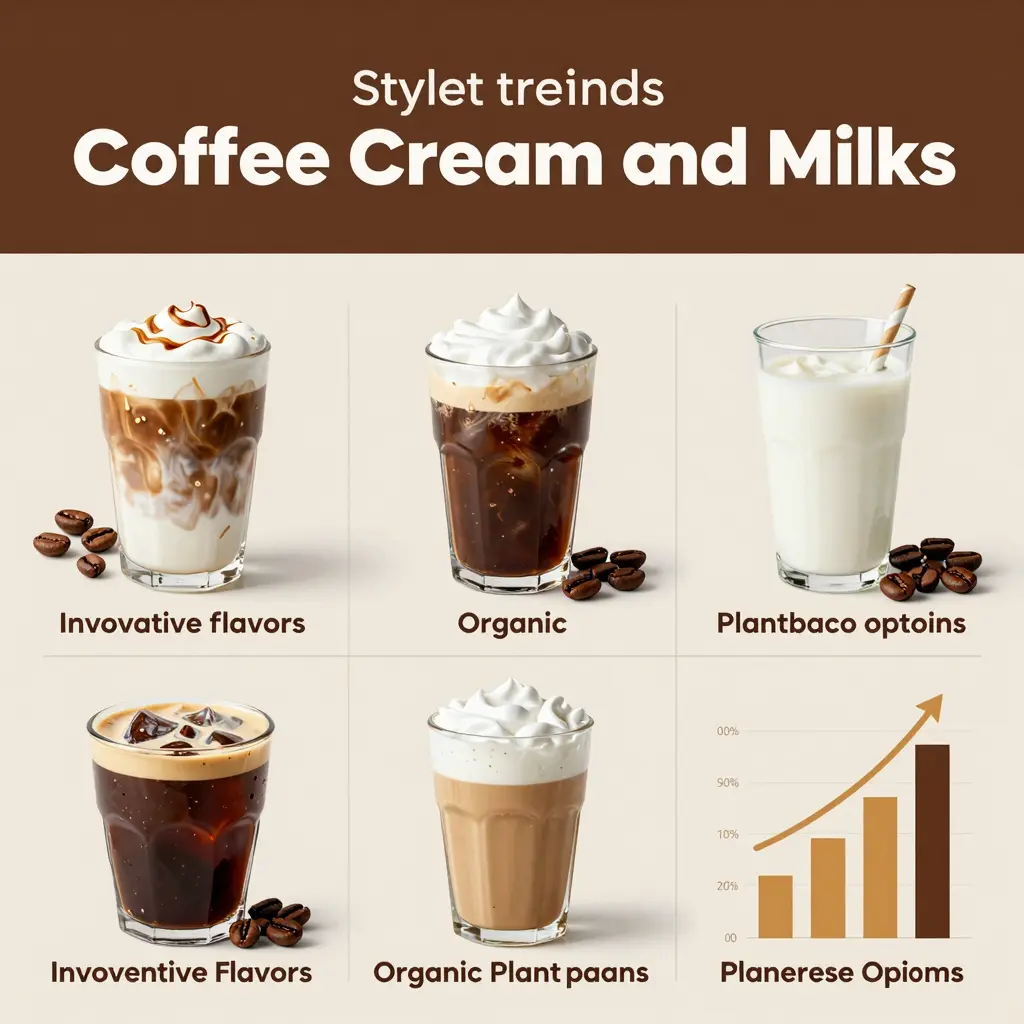
An infographic depicting current trends in coffee cream and milk use for business owners.
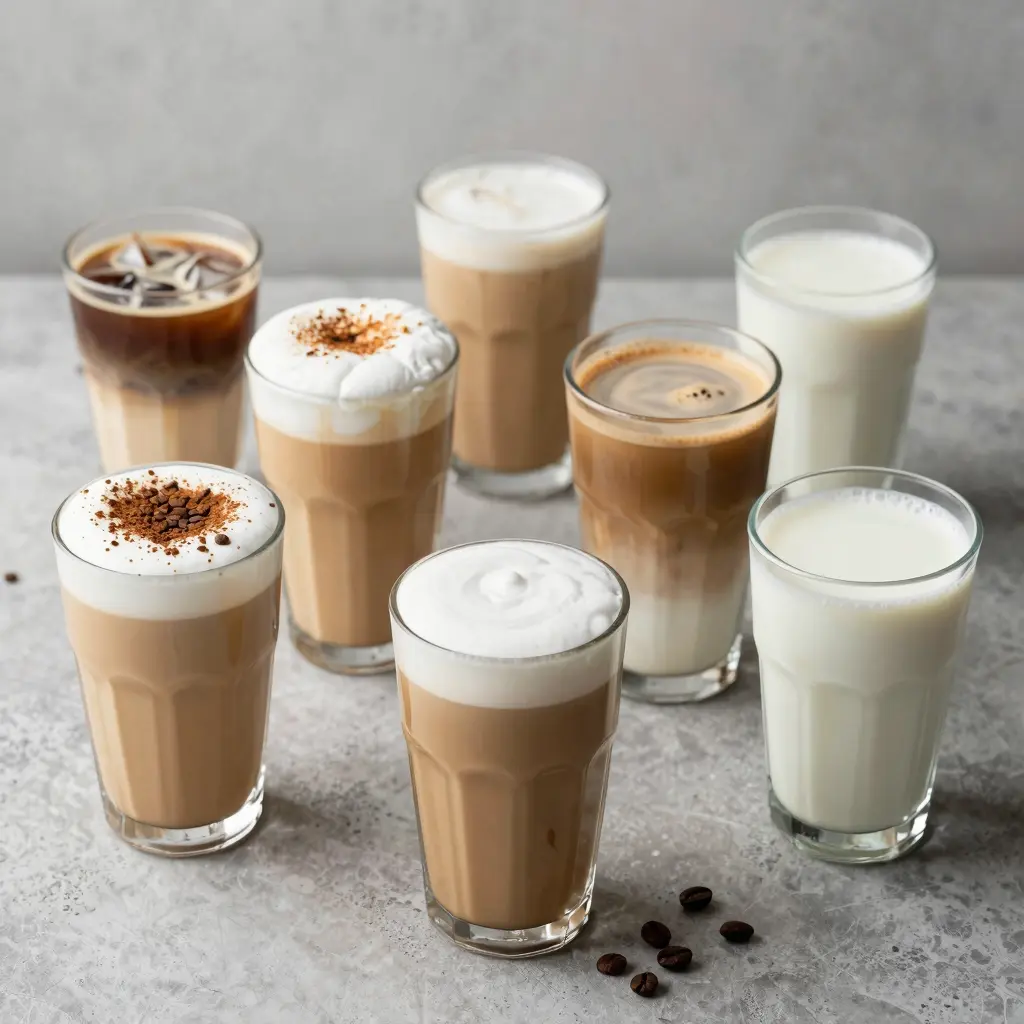
An image showing a variety of coffee beverages with different cream and milk options.
By recognizing these industry trends, coffee business owners can better cater to consumer needs and ultimately improve their bottom line.
User Adoption Data for Coffee Cream and Milk: Impact on Sales
Introduction
In recent years, the coffee cream and milk market has witnessed notable transformations in consumer preferences. With health trends driving new consumption patterns, both coffee cream and milk alike are adapting to meet the evolving demands of the market. Business owners must stay informed about these trends as they directly influence sales and overall profitability.
Coffee Cream Adoption Trends
According to research, the global coffee cream market is projected to grow from USD 4.8 billion in 2024 to USD 8.2 billion by 2033, representing a compound annual growth rate (CAGR) of approximately 7.2%. This growth reflects a shift towards plant-based options among consumers, especially as the popularity of non-dairy alternatives continues to rise. Here are some key points:
- The non-dairy coffee creamers market is gaining traction, with many consumers opting for plant-based products due to health concerns and dietary restrictions. A CAGR of 7.3% is anticipated for non-dairy creamers by 2027, driven by an increasing preference for vegan options.
- Innovative flavors and the introduction of organic products have also contributed to the appeal of coffee cream products.
Projected Growth of Coffee Cream Market
| Year | Market Value (USD billion) | CAGR (%) |
|---|---|---|
| 2024 | 4.8 | 7.2 |
| 2033 | 8.2 | 7.2 |

Milk Adoption Trends
The milk market also displays substantial growth, particularly in specialty dairy segments. The focus on health and wellness in eating habits has led consumers to explore various dairy options, including organic and lactose-free products. Noteworthy observations include:
- According to various reports, traditional milk consumption may be affected by the rise in plant-based milk alternatives, a trend that businesses must consider when strategizing for product offerings.
- The flavored milk sector, including organic and fortified options, is attracting health-conscious consumers looking to balance taste with nutritional benefits.
Implications for Business Owners
Understanding these trends allows business owners to align their product offerings with consumer demands effectively:
- Diversification: Expanding the range of coffee cream and milk products to include plant-based options can attract a broader customer base.
- Marketing Strategies: Educating customers on the benefits of various coffee cream and milk options can improve brand loyalty and market share.
Conclusion
In conclusion, the adoption of coffee cream and milk is undergoing transformative changes influenced by health trends and consumer preferences. Business owners can leverage these insights to adapt their product strategies, ensuring they remain competitive in an evolving market. Embracing innovations and addressing consumer needs will be vital to achieving sustained growth in sales.
For more details on quality products you can source, check out Costco’s offerings or learn about organic options available.
Comparison Table of Coffee Creamers and Milk Brands
| Brand | Price (Per Quart) | Flavors | Customer Rating |
|---|---|---|---|
| Coffee Mate | $3.50 | French Vanilla, Hazelnut, Sweet Cream | 4.5/5 |
| Dairy Pure | $2.50 | Original, Creamy, Fat Free | 4.2/5 |
| Silk Almond Milk | $3.00 | Unsweetened, Vanilla, Chocolate | 4.6/5 |
| Chobani Oat Milk | $3.50 | Original, Vanilla, Sweetened | 4.4/5 |
| Friendly Farms | $2.80 | Coffee Creamer, Coconut Cream | 4.0/5 |
| Starbucks Creamer | $4.00 | Caramel, Vanilla, Hazelnut | 4.3/5 |
Additional Insights
- Coffee Mate is known for its traditional flavors that cater to a wide variety of tastes, making it a popular choice among consumers.
- Silk Almond Milk and Chobani Oat Milk have gained traction for being plant-based alternatives that offer a creamy texture complemented by distinct flavors.
- Friendly Farms provides a value option without compromising on taste, appealing especially in budget-conscious settings.
For more information on healthy options, you may want to check out the best healthy coffee creamers available, which focus on nutritional profiles.
In conclusion, stocking a variety of creamer flavors and types can cater to diverse customer preferences, enhancing the coffee experience in your business.
Health Considerations Regarding Coffee Cream and Milk
When it comes to coffee cream and milk, business owners must be mindful of several health considerations, particularly regarding potential allergens, nutritional facts, and audience sensitivities that can affect their customer base.
Nutritional Facts
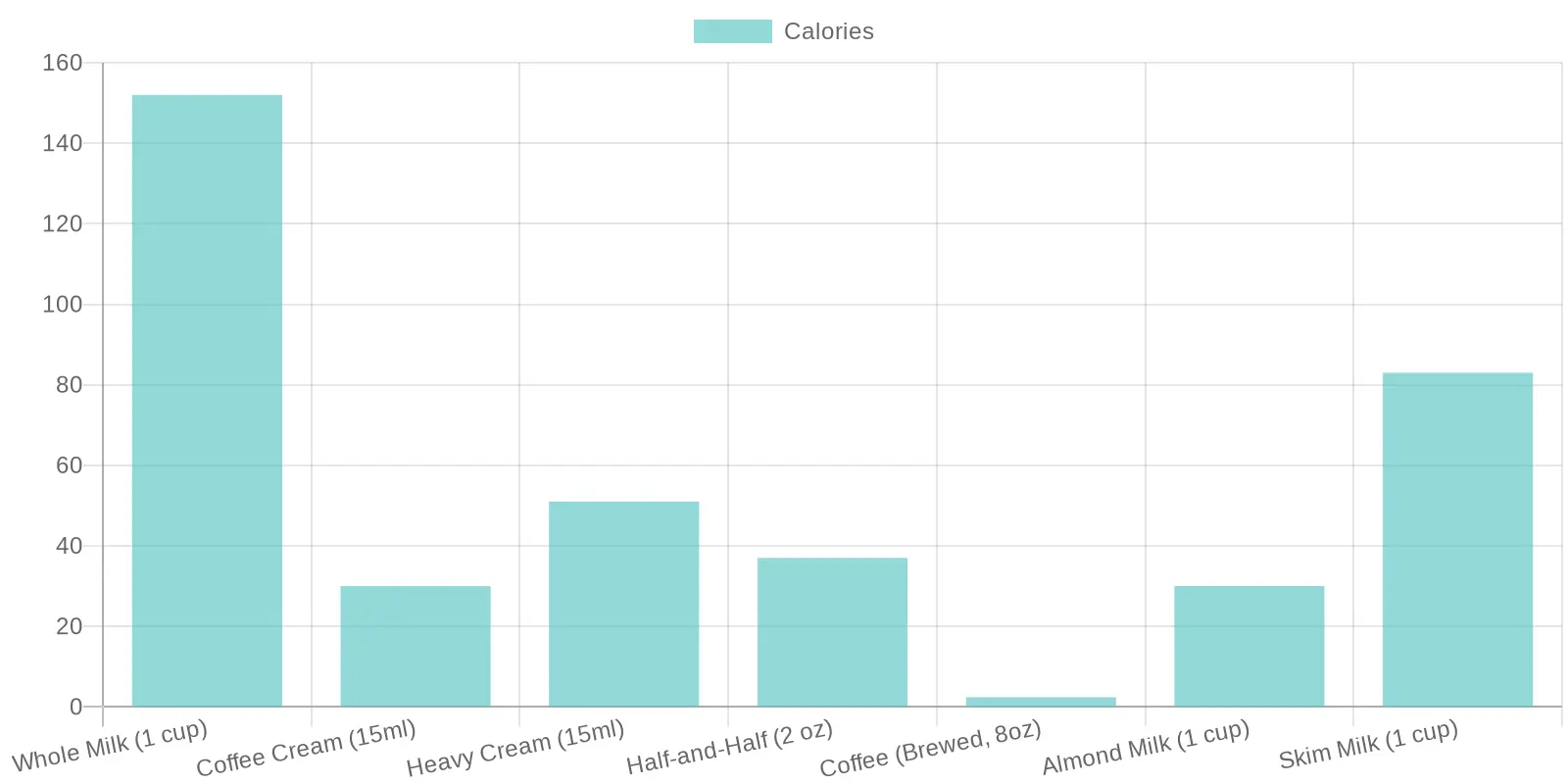
The nutritional content of coffee cream and milk can greatly influence consumer choices. Here is a comparison of common dairy and milk alternatives:
| Item | Calories | Fat (g) | Carbohydrates (g) | Protein (g) | Source URL |
|---|---|---|---|---|---|
| Whole Milk (1 cup) | 152 | 8 | 12 | 8.14 | Healthline |
| Coffee Cream (15ml) | 30 | 3 | 1 | 0.2 | Canada.ca |
| Heavy Cream (15ml) | 51 | 5.5 | 0.5 | 0.3 | NutritionValue |
| Half-and-Half (2 oz) | 37 | 1 | 5 | 1 | Lose It |
| Coffee (Brewed, 8oz) | 2.4 | 0 | 0 | 0.3 | Verywell Fit |
| Almond Milk (1 cup) | 30 | 2.5 | 1 | 1 | Healthline |
| Skim Milk (1 cup) | 83 | 0.2 | 12 | 8.1 | USDairy |
Potential Allergens
Coffee and milk products can pose allergenic risks, particularly for individuals allergic to dairy. Cow’s milk is categorized as a priority allergen in many countries and can trigger severe allergic reactions. According to Food Allergy Canada, those with cow’s milk allergy must avoid all dairy products, including coffee creamers that contain milk derivatives.
Additionally, many non-dairy coffee creamers contain sodium caseinate, a milk protein, posing a risk to individuals with dairy sensitivities. Labels must be scrutinized for any hidden dairy content.
Audience Sensitivity
Health awareness is increasingly critical among consumers, particularly as they seek out healthier and more nutritious options. Coffee’s reputation as a health beverage can be compromised by creamers and milk, particularly those high in sugar and fat. A study by Health.com suggests that cream and sugar can diminish the health benefits of coffee, which may concern health-conscious customers.
Moreover, understanding the different dietary needs and preferences (such as lactose intolerance or veganism) can influence product offerings. Many consumers now opt for plant-based alternatives, prompting business owners to consider expanding their product lines.
In summary, being aware of the nutritional facts, potential allergens, and audience sensitivities regarding coffee cream and milk can help business owners make informed decisions about product selections. This knowledge not only fosters a healthier customer base but also helps enhance brand loyalty among health-conscious consumers.
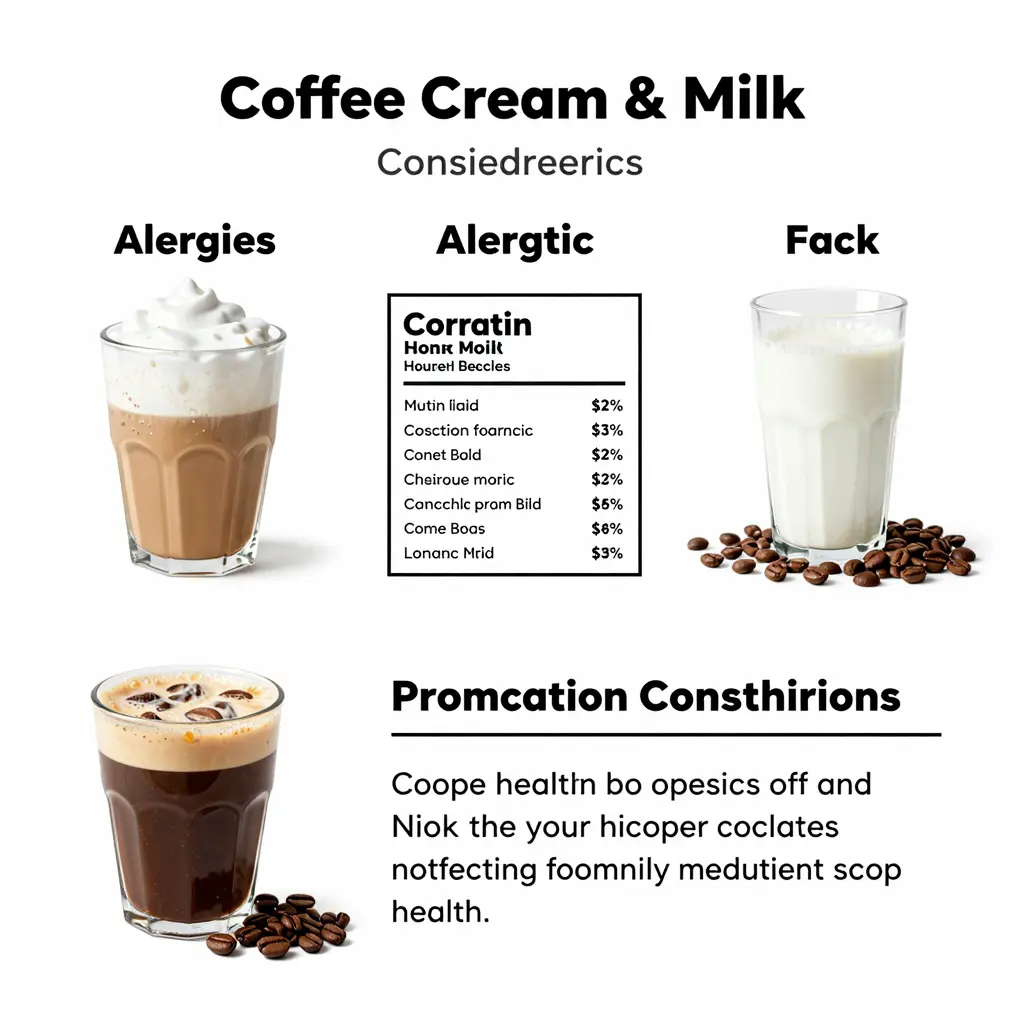
For more product insights, you might find milk reviews or coffee options helpful.
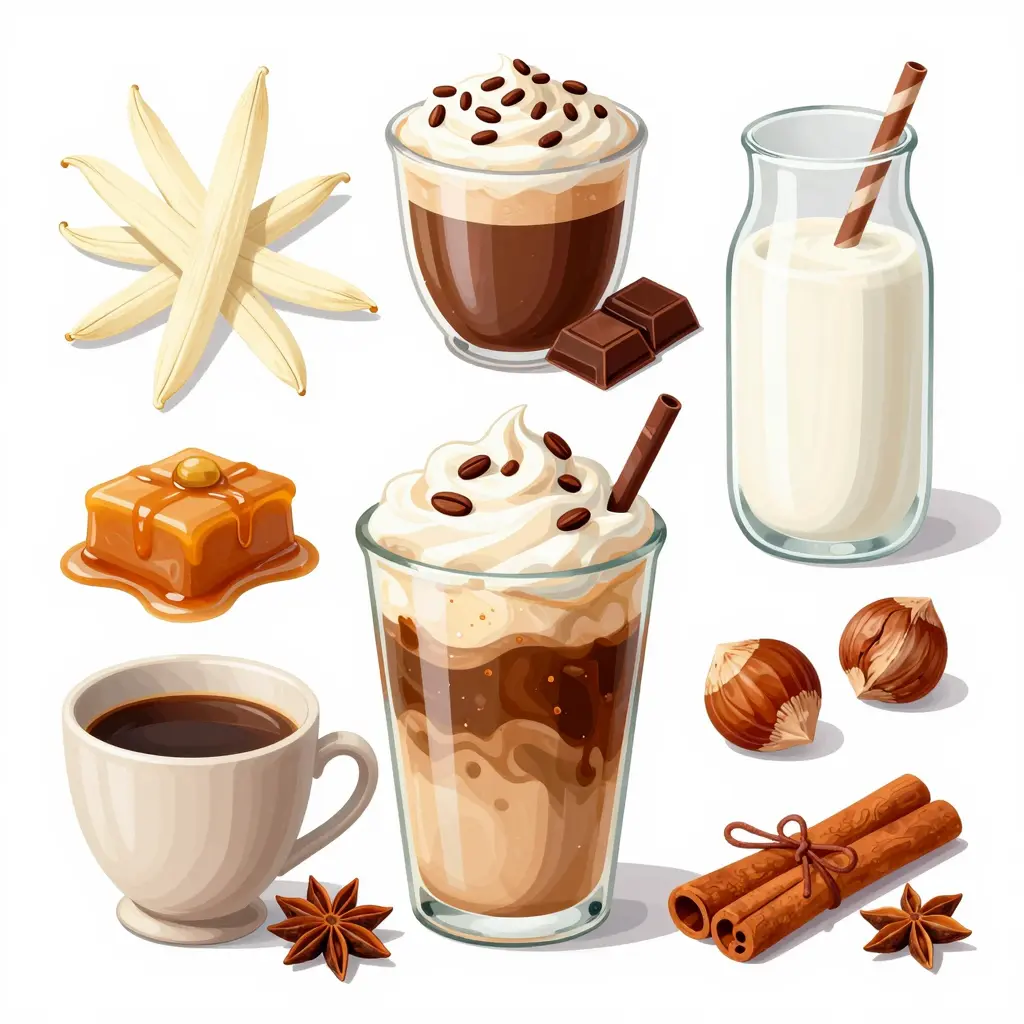
A visually appealing image showcasing popular flavor pairings with coffee cream and milk, such as vanilla, chocolate, caramel, hazelnut, cinnamon, and various spices, to entice business owners about potential offerings.
User Testimonials on High-Quality Coffee Cream and Milk
In the world of coffee, the quality of milk and cream used in beverages can significantly impact not only the taste but also the overall experience for customers. Here are some insights and testimonials from cafe owners and industry professionals who have embraced the use of high-quality coffee cream and milk:
“Using high-quality milk has completely transformed our coffee. Our customers often comment on the richness and texture of our lattes and cappuccinos. It’s a small change that yields big results!”
- Samantha Joyner, Owner of The Daily Grind Cafe
“We switched to organic cream for our coffee drinks, and the feedback has been amazing. The flavor profiles are more pronounced, and our customers frequently return, asking for coffee made with our new cream. It adds a premium touch that our clientele appreciates.”
- Tom Rivera, Head Barista at Brewed Awakening
“Incorporating high-quality cream has allowed us to create more innovative coffee drinks. Our specialty offerings have seen a surge in popularity, and we’ve noticed higher customer satisfaction ratings as well! It’s a win-win solution that keeps our customers excited about new menu items.”
- Lily Chang, Cafe Manager at Urban Espresso
These testimonials emphasize the benefits of using premium cream and milk in cafes. The enhanced taste, texture, and presentation of coffee beverages not only attract repeat customers but can also spark annual growth in sales naturally.
For more insights on quality ingredients, learn more about high-quality coffee options and how integrating top-notch ingredients into your menu can elevate your cafe’s offerings.
Conclusion
In today’s competitive beverage market, the role of coffee cream and milk is paramount in shaping customer experiences and boosting business sales. As this article has elaborated, the addition of high-quality cream and milk can significantly enhance the flavor and texture of coffee, contributing directly to customer satisfaction. When customers enjoy their beverages, they are far more likely to return and recommend the product to others, fostering loyalty.
Moreover, recent trends show that consumers are increasingly seeking personalized and indulgent experiences. Specialty coffee drinks that include cream and milk options cater to this desire, with consumers willing to pay a premium for richer flavors and smooth textures. This inclination presents a golden opportunity for coffee retailers to not only increase their menu offerings but also justify higher price points, ultimately leading to greater profit margins.
Integrating premium coffee cream and milk-whether it’s organic options like Kirkland Organic Milk or innovative alternatives such as oat milk-can also appeal to a broader customer base, including health-conscious consumers. This adaptability can drive higher sales and engage diverse demographic groups, including the Millennials and Gen Z, who are noted for their evolving coffee preferences.
As demonstrated, the effective implementation of cream and milk in coffee not only elevates the product but also significantly impacts the overall business performance. By recognizing these elements, business owners can tailor their offerings to meet customer expectations, harnessing the full potential of coffee sales.
Sourcing Quality Coffee Cream and Milk: A Guide for Business Owners
In the competitive market of coffee and beverages, the quality of ingredients used can make all the difference. Sourcing high-quality coffee cream and milk not only enhances the flavor profile of your drinks but also establishes your establishment as a provider of premium products. Customers are increasingly discerning about what they consume, leading them to prefer beverages made from rich, flavorful ingredients. Here’s why sourcing quality cream and milk matters, along with tips for evaluating suppliers.
The Importance of High-Quality Ingredients
Sourcing high-quality coffee cream and milk supports various essential aspects of your business:
- Enhanced Flavor: Quality cream and milk can elevate the taste of your coffee, resulting in a richer and more satisfying experience for your customers. According to Wild Integrative Health, using high-quality dairy products can significantly enhance the flavor, ensuring repeat customers who love what you offer.
- Health and Nutritional Value: Quality ingredients often correlate with better nutritional profiles. High-quality milk contains more vitamins and nutrients, which can attract health-conscious consumers.
- Support for Local Economy and Sustainability: When you choose to source locally or from sustainable farms, you not only support local economies but also develop a responsible brand image. This practice aligns with modern consumer values, promoting sustainability and ethical sourcing practices.
- Customer Satisfaction and Loyalty: Using superior ingredients fosters customer satisfaction. Happy customers are more likely to return and recommend your business to others, promoting word-of-mouth and brand loyalty.
Tips for Finding and Evaluating Suppliers
Finding the right suppliers for your coffee cream and milk is crucial for maintaining quality in your offerings. Here are some steps to ensure you select the best suppliers:
- Research: Start by researching local farms and suppliers known for high-quality dairy products. Look for ratings, reviews, and certifications that signify quality and compliance with health standards.
- Build Relationships: Establish connections with suppliers who provide transparency about their sourcing and production processes. Relationships built on trust often lead to better service and quality assurance. You can read more about building supplier relationships in this insightful article.
- Evaluate Quality Consistently: Regularly evaluate the quality of the products you receive. Establish a system for consistent testing and reviewing of cream and milk deliveries to detect any changes in quality.
- Check Compliance and Certifications: Ensure that your suppliers comply with health and safety standards. Look for certifications that indicate ethical practices, such as organic or grass-fed labels. For detailed criteria on evaluating suppliers, check out this 7-point checklist.
- Assess Responsiveness: Your suppliers should be reliable and responsive to your needs, including flexibility in delivery schedules and product innovation. This ensures that you can consistently meet customer demands without interruption.
- Innovative Practices: Suppliers who showcase innovation in their products or processes can help keep your offerings fresh and appealing. Encourage conversations around new products or practices to maintain a competitive edge in the market.
Conclusion
Sourcing quality coffee cream and milk is fundamental for business owners in the beverage industry. By focusing on high-quality ingredients, you not only enhance the drink’s taste but also promote sustainability and ethical practices, attracting a loyal customer base willing to pay a premium for top-notch products. Follow the provided tips for finding and evaluating suppliers to maintain the quality of ingredients that set your offerings apart in a crowded marketplace. For more insights on quality products, visit Costco Food’s selection and explore diverse offerings that resonate with quality and care.
Sales Growth of Coffee Cream and Milk in the Beverage Market
Over the last five years, the beverage market has witnessed significant growth in the sales of coffee cream and milk. The following chart illustrates this trend visually, emphasizing the increasing demand for these products among consumers.

Chart: Yearly Sales Growth Over Time
The chart above shows the sales growth of coffee cream and milk in USD Million from 2018 to 2023.
Summary of Sales Growth Trends
- The trend indicates a steady increase in sales each year.
- Factors influencing this growth include heightened consumer awareness of the health benefits associated with dairy products and plant-based alternatives.
- The rise in specialty coffee culture has also played a crucial role in boosting these sales.
For more information on coffee-related products, you can also check out our Costco Coffee Reviews or to explore milk options visit Kirkland Organic Milk Review.