

Hooking Coffee-Loving Business Owners: The Best Beans for Milk Coffee
For coffee-loving business owners, the perfect cup of milk coffee isn’t just a beverage; it’s a labor of love that captivates customers and enhances their dining experience. In an era where milk coffee is gaining traction across cafes, restaurants, and even home kitchens, the importance of selecting the right coffee beans cannot be overstated. A rich, creamy milk coffee made with high-quality beans can transform a simple drink into a luxurious experience, drawing in patrons and boosting sales.
Milk coffee, encompassing favorites like lattes and cappuccinos, has surged in popularity due to its delightful balance of robust coffee flavor and smooth milk texture. As customers seek out unique and artisanal flavors, the demand for specialized coffee blends continues to rise. This article aims to guide business owners through the process of selecting the best coffee beans specifically tailored for milk coffee. We’ll explore various types of coffee beans, their flavor profiles, and how they can create that perfect fusion when blended with milk. So, whether you run a bustling cafe or a quaint bistro, consider the beans you choose as a pivotal factor in elevating your coffee game. Ready to serve coffee that tantalizes the taste buds? Let’s dive in!
Learn more about coffee offerings and discover options that can elevate your menu right now!
As you continue reading, you will find tips that will not only enhance your coffee selection but also satisfy the cravings of your clientele and foster loyalty through unmatched brews.
Characteristics of Coffee Beans for Milk Coffee
When selecting coffee beans specifically for milk coffee, various characteristics significantly impact the final drink’s quality. Here, we explore key traits including flavor profiles, acidity levels, and body that make coffee beans suitable for milk-based beverages.
Flavor Profiles
- Complementary Flavors: Beans that offer chocolatey, nutty, or caramel notes are particularly well-suited for milk coffee. These flavors meld beautifully with the creaminess of milk, enhancing the overall drinking experience.
- Popular Varieties: Brazilian and Colombian coffee beans stand out due to their inherent sweetness and flavor richness. Their profiles are often characterized by smooth, sweet undertones that balance well with the milk.
Acidity Levels
- Lower Acidity: When it comes to milk coffee, selecting beans with low acidity is essential. High acidity can clash with the creamy texture of milk, causing an unbalanced taste. Beans that are marketed as “smooth” or “low acidity” are ideal choices for this purpose.
- Origin Matters: Typically, beans sourced from Brazil demonstrate lower acidity, making them a favorable option for milk-based coffee drinks.
Body
- Desirable Fullness: A fuller body in coffee beans enhances the texture and richness of milk coffee. Medium to dark roast beans tend to provide a richer body that can maintain its presence against the milk.
- Espresso Blends: Many milk coffee recipes, such as lattes and cappuccinos, utilize espresso blends. These blends often possess a dense, creamy body that pairs excellently with milk, creating a harmonious beverage.
Conclusion
In summary, the ideal coffee beans for milk coffee should have a low acidity, a medium to dark roast for a fuller body, and complementary flavors. Selecting the right beans will result in a harmonious drink that showcases both the coffee and the milk, ultimately delighting your customers and enhancing the quality of your offerings. For more information about coffee products, you can learn more about Costco’s coffee selection or explore their organic milk options.
Coffee Bean Varieties Ideal for Milk Coffee
Here’s a detailed comparison table showcasing different coffee bean varieties that are perfect for milk coffee, including their flavor notes, acidity levels, and recommended milk pairings.
| Coffee Bean Variety | Flavor Notes | Acidity Level | Recommended Milk Pairings |
|---|---|---|---|
| Arabica | Sweet, Soft, Chocolate | Medium | Latte, Cappuccino |
| Robusta | Strong, Bitter | Low | Espresso, Macchiato |
| Colombian | Nutty, Caramel | Medium | Latte, Flat White |
| Ethiopian | Floral, Fruity | High | Cappuccino, Cortado |
| Sumatra | Earthy, Herbal | Low | Latte, Cold Brew |
For more on finding the perfect milk pairings for your coffee, check out our coffee reviews. If you’re interested in the benefits of specific ingredients in milk coffee, read more about Kirkland organic milk.
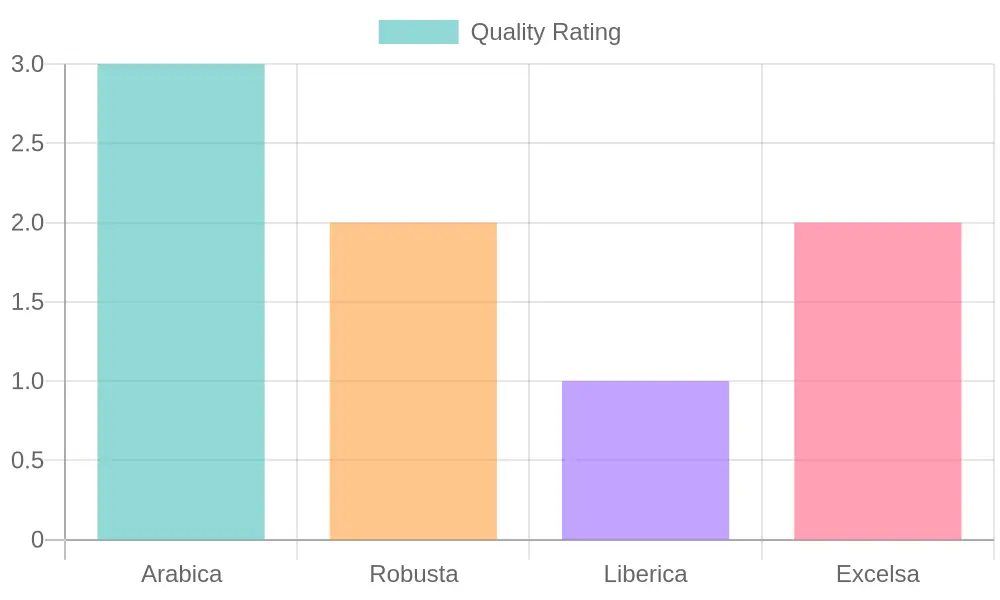
User Testimonials on the Best Coffee Beans for Milk Coffee
Business owners in the coffee industry have shared their compelling experiences with specific coffee beans used in milk coffee recipes. These testimonials not only highlight the technical aspects of brewing but also illustrate the positive impacts these beans have had on customer satisfaction and sales.
1. A Café’s Transformation with Kirkland Signature French Roast Coffee
A small café in Seattle has transformed its menu by incorporating Kirkland Signature French Roast Coffee into its milk coffee recipes. The owner noted, “The bold flavor profile blends perfectly with our creamy milk, creating a rich cappuccino that our customers love. Sales increased by 25% after we launched this new drink!” This speaks to the importance of choosing the right bean for maximizing flavor and customer enjoyment.
2. Experimenting with Different Milks and Coffee Types
A coffee shop owner in San Francisco experimented with various milk alternatives such as oat and almond milk alongside Starbucks Espresso Roast. She states, “Our customers appreciate having options. The almond milk latte with Starbucks Espresso has become a hit, particularly among our vegan patrons.” This illustrates how accommodating different dietary preferences can significantly enhance customer engagement.
3. Traditional vs. Modern Coffee Blends
In Chicago, a small chain started serving traditional Italian lattes made with Peet’s Major Dickason’s Blend. The owner shared, “This blend gives the smoothness we need to balance the milk without overshadowing it. It’s a favorite among our regulars, driving repeat purchases and daily foot traffic to our shop.”
Key Takeaways
- Business owners are increasingly recognizing the value of choosing the right coffee bean for improving their milk coffee offerings.
- Feedback indicates varied customer preferences for flavor profiles, particularly in the context of health trends such as plant-based diets.
- Creative experimentation with different milk options can drive customer satisfaction and loyalty.
By investing in quality coffee beans, cafés and coffee shops can enhance customer experiences and ultimately increase sales. For more specifics about ingredients that pair well with various coffee types, check out this article.
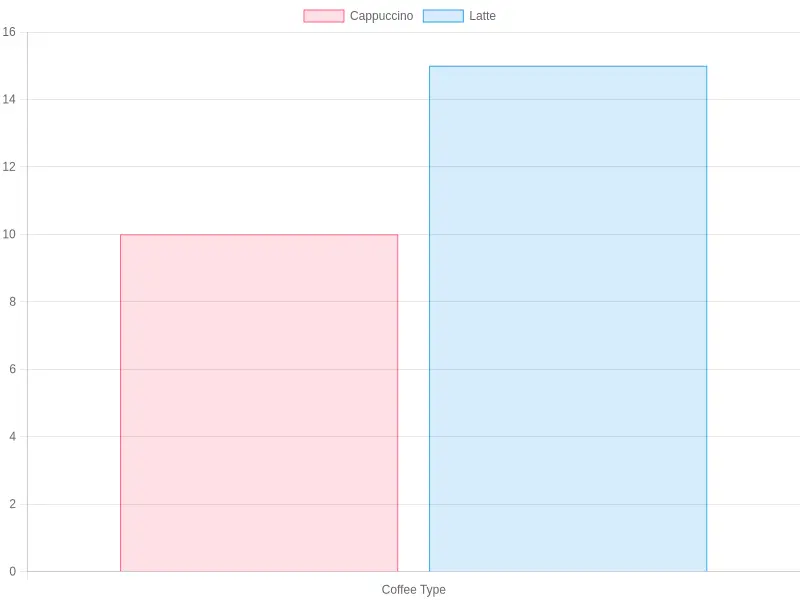
This chart showcases the different customer preferences across various milk coffee beverages, illustrating how specific coffee beans enhance certain recipes and customer satisfaction.
Overall, these real-world applications underscore the importance of quality coffee in driving business success and customer loyalty in the competitive coffee market.
Sourcing the Best Coffee Beans for Milk Coffee
As a business owner striving to offer quality milk coffee, sourcing high-quality coffee beans is critical. Here’s a comprehensive guide to help you navigate through the process.
1. Research Reputable Suppliers
Look for suppliers known for their quality and sustainability practices. Companies that source beans directly from farmers are often your best bet for high quality. Here are some recommended suppliers:
- Green Coffee Company: Known for sourcing high-grade beans directly from farmers globally.
- Sweet Maria’s: Offers a wide selection of green coffee beans with detailed sourcing information.
- Coffee Bean Corral: Specializes in various coffee origins with a strong customer support system.
- Café Imports: A major player in specialty coffee, sourcing ethically from various regions.
2. Understand the Importance of Origin
Coffee beans from different regions boast distinct flavors. Familiarize yourself with origins like Colombian, Ethiopian, and Brazilian beans, which are popular for their rich and unique flavors. This knowledge will help in selecting the right beans that can complement your milk coffee base effectively.
3. Look for Freshness
Ensure that the beans you select are freshly roasted. Always check the roasting date on the packaging. Freshly roasted coffee retains more flavor and aroma, essential for making exceptional milk coffee.
4. Conduct Quality Checks
When sourcing coffee beans, perform these essential quality checks:
- Grading Standards: Familiarize yourself with grading standards, such as those from the Specialty Coffee Association (SCA), which assess beans based on size, shape, and defects.
- Sample Before Committing: Request samples from suppliers before finishing large purchases. This step is crucial in determining flavor profiles that would suit your milk coffee tastes.
- Inspecting for Defects: Look for signs of over-fermentation or insect damage. The SCA encourages removing defects during processing as they can significantly affect taste and quality.
5. Consider Fair Trade and Organic Options
These certifications often indicate higher quality and more ethical sourcing methods. Opting for Fair Trade and organic options can also resonate well with socially conscious consumers, thereby enhancing your brand’s reputation.
By carefully selecting your coffee beans and ensuring they meet high standards, you enhance the quality of your milk coffee, ultimately benefiting your business. To delve deeper into products available, visit our coffee section for recommendations specific to your needs.
Coffee Bean Popularity Trends in Milk Coffee
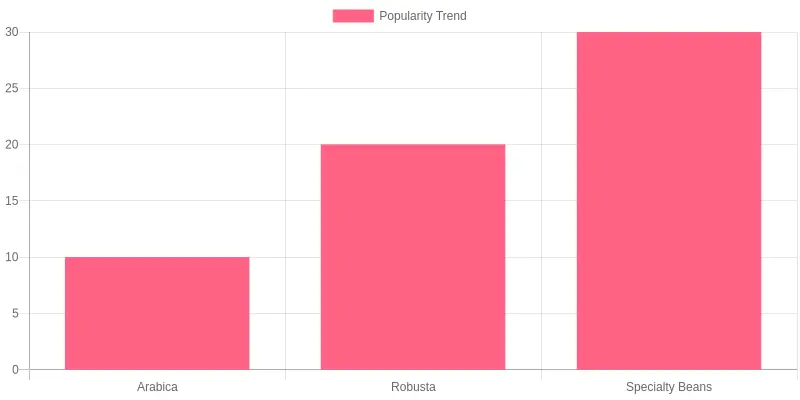
The coffee market has seen notable trends in the popularity of various coffee bean varieties used in milk coffee. As the demand for specialty coffee beverages rises, particular beans are becoming increasingly favored among consumers.
Popularity of Coffee Beans:
- Arabica Beans: Traditionally loved for their smooth flavor profile, they have a high demand in milk coffee preparations.
- Robusta Beans: Known for their strong, bold flavors, these beans appeal to consumers who prefer a potent coffee experience, and they are commonly mixed with milk.
- Specialty Beans: This category includes various exotic blends that have become a trend in premium coffee houses, often chosen for their unique flavors when combined with milk.
The chart below illustrates the rising popularity trends of these coffee bean varieties in milk coffee consumption over recent years.
Conclusion
Milk coffee’s growing popularity has paved the way for a diverse range of coffee beans to be used, with arabica, robusta, and specialty beans leading the charge. As consumer preferences evolve, this sector within the coffee industry is likely to expand even further.
For more insights into coffee products and other related topics, check out Costco coffee reviews.
Popular Milk Coffee Recipes
Milk coffee offers a delightful combination of espresso and milk, creating creamy, flavorful drinks that are popular worldwide. Below are a few popular milk coffee recipes along with their preparation steps:
1. Classic Latte
- Ingredients: 1 shot of espresso, 6-8 ounces of steamed milk, a small amount of milk foam (optional).
- Preparation:
- Brew one shot of espresso using a coffee machine.
- Steam the milk until it reaches a creamy consistency.
- Pour the espresso into a cup, followed by the steamed milk, allowing the milk to mix with the espresso.
- Top with a small amount of milk foam if desired.
2. Cappuccino
- Ingredients: 1 shot of espresso, 4 ounces of steamed milk, 4 ounces of milk foam.
- Preparation:
- Brew a shot of espresso.
- Steam the milk until it is light and fluffy.
- Combine the espresso and steamed milk in a cup.
- Add a generous layer of foamed milk on top to complete the cappuccino.
3. Mocha Coffee
- Ingredients: 1 shot of espresso, 2 tablespoons of chocolate syrup, 6-8 ounces of steamed milk, whipped cream (optional).
- Preparation:
- Brew a shot of espresso.
- In a cup, mix the hot espresso with chocolate syrup until combined.
- Stir in the steamed milk.
- Top with whipped cream for added sweetness and a delightful finish.
Flavor Benefits of Using Quality Coffee Beans
When it comes to making the best milk coffee, using quality coffee beans is essential. Here are a few recommended types:
- Arabica Beans: Known for their mild and aromatic flavor, these beans complement the creaminess of milk beautifully.
- Espresso Beans: Typically bold and rich, espresso blends can provide depth to your milk coffee, enhancing the overall flavor profile.
- Barista Blends: Specially formulated bean blends optimized for milk coffee can add a crema-rich texture.
- Single-Origin Beans: Unique regional flavors, such as fruity or chocolaty notes from Ethiopian or Colombian beans, can make milk coffee even more enjoyable.
Conclusion
Experimenting with different recipes and coffee beans can enhance your milk coffee experience. Each recipe offers its own unique flavor, and combining the right beans with milk can create a delightful beverage. Learn more about different coffee options available at Costco and find the perfect match for your milk coffee needs.
Frequently Asked Questions (FAQs) about Selecting Coffee Beans for Milk Coffee
Selecting the right coffee beans for milk coffee is crucial for enhancing flavor and ensuring customer satisfaction. Here are some common questions business owners may have:
1. What types of coffee beans are best for milk coffee?
When choosing coffee beans for milk coffee drinks like lattes or cappuccinos, consider the following types:
- Arabica Beans: These beans are sweet, fruity, and less acidic, making them an excellent pairing with milk. They create a smooth, mellow flavor that is ideal for milk-based drinks.
- Espresso Blends: Many coffee roasters offer specific espresso blends that have a balanced flavor suitable for milk, ensuring a creamy and rich consistency with every cup.
- Single-Origin Beans: Beans from specific regions, such as Colombian or Ethiopian, can add unique flavor profiles. They can shine in milk coffee if balanced correctly with the milk’s creaminess.
- Dark Roast Beans: Dark roasts often provide a bold taste that complements the creaminess of milk well, perfect for those who enjoy a rich and fulfilling coffee experience.
2. How does roast level affect milk coffee?
The roast level significantly impacts flavor:
- Light Roasts: Tend to be more acidic and can sometimes clash with milk, making them less ideal for coffee drinks that include milk.
- Medium Roasts: Offer a nice balance of acidity and sweetness, functioning well with milk while preserving some brightness.
- Dark Roasts: These beans maintain bold flavors that can stand up to milk, creating a harmonious taste without losing character.
3. Should I consider flavor profiles when selecting coffee beans?
Absolutely! When selecting beans, think about how the flavor complements milk:
- Smoother, softer coffees work better than overly bitter or acidic ones. Look for beans with chocolatey or nutty notes, as they tend to pair beautifully with milk.
4. Are there specific brands recommended for milk coffee?
While personal preference plays a major role, brands like Kirkland French Roast Coffee are known for their quality and flavor that suit milk coffee. Additionally, specialty roasters often provide unique blends specifically tailored for milk beverages.
5. How important is freshness in coffee selection?
Freshness is paramount! Always choose recently roasted beans, as stale beans can lead to flat, lifeless flavors. Make sure to store them correctly to maintain their flavors longer.
For more detailed insights, check these resources on Costco’s coffee offerings.
Conclusion
In conclusion, the selection of high-quality coffee beans for milk coffee can significantly elevate the beverage’s flavor profile and overall customer enjoyment. We discussed how specialty-grade beans offer a richer and more complex taste that not only satisfies coffee lovers but can also encourage them to return for more.
Moreover, the importance of sourcing beans that are sustainably produced cannot be overstated. Not only does this practice support ethical farming, but it also aligns your business with the growing consumer demand for sustainability. As you prepare to enhance your coffee offerings, consider the myriad benefits of investing in high-quality beans, such as improved flavor, better health benefits through antioxidants, and a positive environmental impact.
Now is the time for business owners to explore premium coffee beans to enhance their product line and provide customers with a milk coffee experience that resonates with quality and care. Learn more about Costco’s coffee options here and discover how to elevate your coffee offerings today!