
The Significance of Understanding Cold Coffee Calories for Business Owners
As coffee consumption continues to soar in businesses of all types, from cozy cafes to bustling offices, it has never been more crucial to understand the implications of what is being served, particularly when it comes to cold coffee calories. Customers today are increasingly health-conscious and demand transparency regarding the beverages they consume. Whether you are operating a lunch spot or a breakroom at work, the choices you make can significantly impact customer satisfaction and loyalty.
Cold coffee drinks, often jazzed up with cream, sugar, and various flavorings, can harbor surprising calorie counts that may deter health-oriented clientele. For business owners, being aware of these caloric statistics is not just a matter of health-it’s a strategic business decision that can enhance the customer experience and potentially increase revenue. By mastering the ins and outs of cold coffee calories, you will be better equipped to cater to the diverse preferences and dietary needs of your customers, ultimately allowing your business to thrive in a competitive market. Learn more about our coffee selections and consider how you can make informed choices that align with your customer base’s health-conscious tendencies.
By keeping abreast of these developments, businesses can create menus that not only satisfy but also resonate with today’s consumers, paving the way for sustained success as we navigate a healthier future.
Nutritional Overview of Cold Coffee with Milk and Sugar
Cold coffee is a refreshing beverage enjoyed by many, especially during warmer months. However, when additional ingredients such as milk and sugar are included, the caloric content can significantly increase. Understanding the caloric contributions of each element is crucial for anyone, particularly business owners, looking to offer a balanced menu that caters to varying dietary preferences.
Cold Coffee Base
Typically, an 8 oz serving of cold coffee contains about 2-5 calories if consumed black, largely depending on whether any flavorings are added. This means that while coffee itself is low in calories, the caloric intake can substantially rise with additives.
Milk Calories
Adding milk not only enhances the flavor but also increases the calorie count considerably. Here’s a breakdown of the caloric content based on different types of milk:
| Type of Milk | Calories per 1/4 Cup (60 ml) |
|---|---|
| Whole Milk (3.25%) | 60-70 calories |
| Skim Milk (0%) | 30-40 calories |
| Soy Milk | Approximately 35 calories |
| Almond Milk | 15-25 calories |
For example, using whole milk in your cold coffee can add around 60-70 calories, while opting for skim milk would keep it lower at around 30-40 calories. If you’re interested in specific milk options available at Costco, consider checking out Kirkland’s Organic Milk.
Sugar Content
Sugar further increases the caloric content. Each teaspoon of granulated sugar contributes roughly 16 calories. Thus, simply adding two teaspoons of sugar would add 32 calories to your drink, which can bring a typical cold coffee with whole milk up to about 92-102 calories per serving.
This calculation can quickly escalate if flavored syrups or more sugar are added, showing how quickly caloric intake can stack up. It’s wise to be mindful of sugar amounts, especially for health-conscious customers. More insights on caloric content can be found in this article on sugar.
Conclusion
In summary, while cold coffee itself is low in calories, the addition of milk and sugar can lead to a substantial increase in caloric intake. This information is especially useful for business owners who are creating menus aimed at offering healthier options. Balancing flavor enhancements against caloric output is key in crafting a beverage that satisfies without excess heaviness in calories. Being aware of the caloric contributions of milk and sugar allows for informed decisions that can ultimately enhance customer satisfaction.
Comparison Table of Iced Coffee Calories
| Coffee Variation | Milk Type | Sugar Amount (teaspoons) | Total Calories |
|---|---|---|---|
| Iced Coffee | Whole Milk | 0 | 150 |
| Iced Coffee | Whole Milk | 1 | 166 |
| Iced Coffee | Whole Milk | 2 | 182 |
| Iced Coffee | Skim Milk | 0 | 80 |
| Iced Coffee | Skim Milk | 1 | 96 |
| Iced Coffee | Skim Milk | 2 | 112 |
| Iced Coffee | Unsweetened Almond | 0 | 30 |
| Iced Coffee | Unsweetened Almond | 1 | 46 |
| Iced Coffee | Unsweetened Almond | 2 | 62 |
Notes:
- The calorie content of iced coffee varies significantly based on the type of milk used and the amount of sugar added.
- Each teaspoon of sugar adds approximately 16 calories.
- These calorie counts are approximate and actual values may differ based on specific brands and preparation methods.
For detailed nutritional information about various coffee options, you can check Healthline and Verywell Fit.
Calorie awareness is becoming increasingly crucial for cafes and restaurants, especially in a health-conscious market. Understanding the calorie content of food and beverages can significantly influence menu choices, enhance customer satisfaction, and align with emerging health trends.
The Impact of Calorie Awareness on Menu Choices
For business owners, being aware of calorie content allows for informed decisions when designing menus. By highlighting lower-calorie options or reformulating recipes to reduce calories, establishments can cater to a growing demographic that values healthy eating. According to a survey by The Telegraph, 75% of people support the idea of displaying calorie information on restaurant menus, suggesting that customers prefer to know what they are consuming. This demand for transparency can drive customers towards health-conscious eating and create a stronger bond between the restaurant and its clientele.
Enhancing Customer Satisfaction
When customers understand the calorie content of their meals, they are likely to make choices that align with their dietary goals. This can lead to higher satisfaction levels, as guests feel empowered to choose meals that fit their nutritional needs. Restaurants that provide this transparency may build a loyal customer base, enhancing overall patronage.
Health Trends and Marketing Transparency
In recent years, there has been a trend toward healthier eating, which correlates with the rise of calorie awareness. Transparent marketing, where calorie counts and nutritional information are readily available, not only helps customers make informed choices but also fosters a trust in the brand. It puts restaurants in a favorable light, as they position themselves as health-conscious and customer-oriented, ultimately driving sales.
In a competitive environment, cafes and restaurants that embrace calorie awareness and transparency in their food and beverage marketing are better equipped to succeed. It’s essential to recognize that this shift is not merely about compliance with regulations, but rather about meeting customer expectations in a modern dining landscape. To learn more about incorporating healthier options into your offerings, check out our insights on Costco Food.
For restaurant owners, prioritizing calorie awareness can enhance customer satisfaction while aligning with health-conscious trends in the food industry.
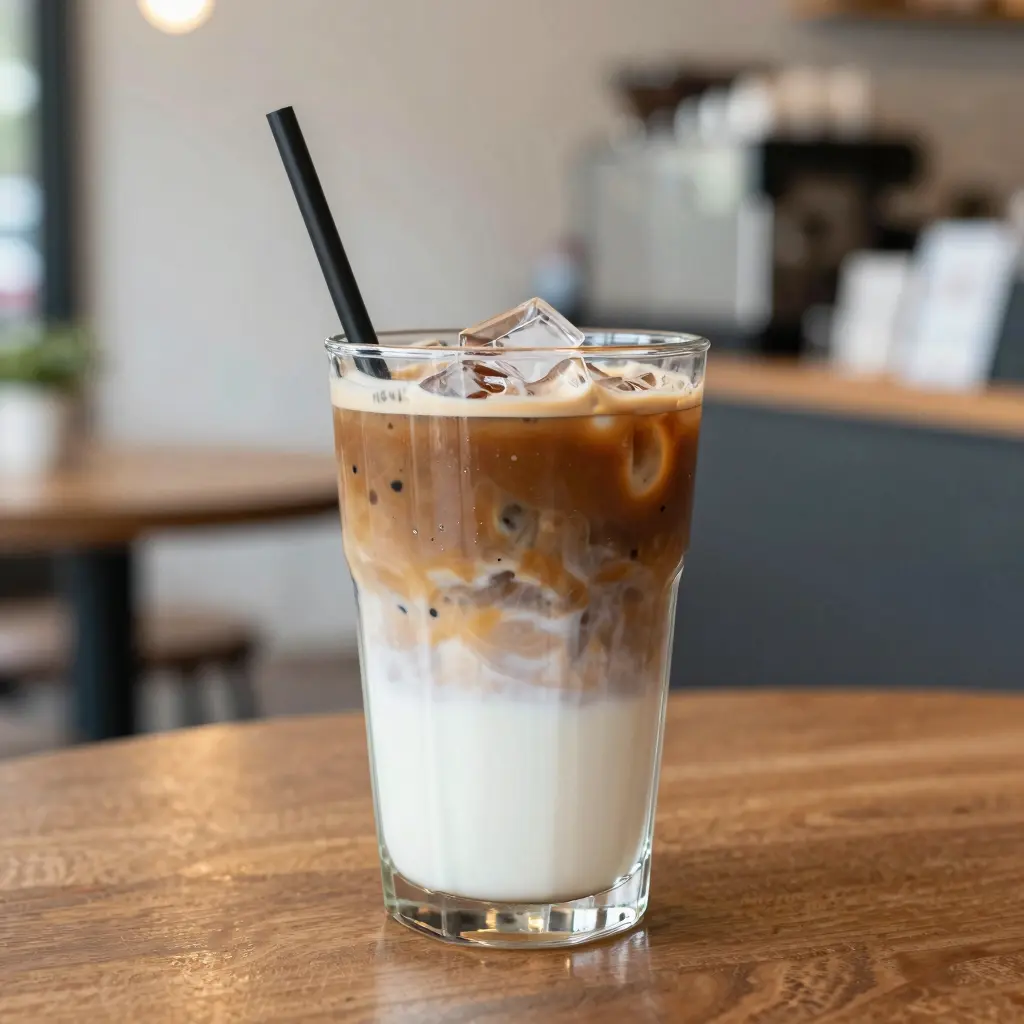
 \nThe image above showcases a refreshing cold coffee drink with milk and sugar. Designed in a vibrant and appealing style, the visual representation engages readers, particularly business owners looking to learn about cold coffee options with varying calorie counts. For more insights into coffee options available, you can learn more about Costco coffee.
The Importance of Monitoring Beverage Calories for Business Owners
“Many beverages, particularly sugary drinks and sodas, contribute significant ’empty’ calories that can accumulate quickly, hindering weight management and nutritional goals. It’s essential for individuals-especially business owners-to read beverage labels closely and choose options that align with a balanced diet.”
This insight emphasizes the critical aspect of mindfulness regarding liquid calories, which can profoundly impact both personal health and business decisions. For business owners, understanding hidden calorie costs can lead to better menu choices and improve customer satisfaction while optimizing financial performance.
For further insights on nutrition and beverage choices, learn more about Costco’s food options.
Tips for Providing Healthier Cold Coffee Options
Catering to calorie-conscious customers is a smart strategy for business owners. Here are several practical tips to enhance your cold coffee menu:
-
Offer Low-Calorie Sweeteners: Provide a variety of low-calorie sweeteners such as Stevia, Erythritol, and Splenda as alternatives to sugar. This allows customers to enjoy their cold coffee with a touch of sweetness without adding many calories.
-
Alternative Milk Options: Include different types of milk like almond milk, oat milk, or coconut milk to cater to those who are lactose intolerant or seeking lower-calorie options. Many customers are leaning towards plant-based alternatives due to health considerations. For instance, oat milk is trendy and often lower in calories compared to whole milk.
-
Promote Cold Brew Coffee: Cold brew coffee is lower in acidity and can be less bitter than traditional iced coffee. Highlighting its health benefits can attract a health-conscious clientele and provide a fresher alternative to standard cold coffee options.
-
Customization Stations: Set up a build-your-own cold coffee station, allowing customers to mix and match flavors, sweeteners, and milk to create their perfect drink. This interactive experience can enhance customer satisfaction and encourage exploration of healthier options.
-
Seasonal and Local Ingredients: Consider using seasonal flavors or local ingredients to create special cold coffee drinks. This can provide unique flavors while appealing to customers interested in supporting local businesses.
-
Educate Your Customers: Include calorie counts and nutritional information on your menu to assist calorie-conscious customers in their choices. Consider adding a few healthy tips or notes that promote the benefits of your alternatives.
-
Leverage Social Media: Use platforms like Instagram to showcase your healthier cold coffee options. Engaging visuals and stories can attract health-conscious followers and drive traffic to your location. You can learn more about menu strategies to boost your offerings.
Implementing these strategies can effectively cater to a health-minded customer base while still providing delicious options.
For a comprehensive review of the benefits of cold coffee, take a look at the cold brew options available.
Marketing Strategies for Promoting Low-Calorie Cold Coffee Options
As the health-conscious consumer market continues to grow, promoting low-calorie cold coffee options has become essential for businesses aiming to attract this demographic. Here are several effective marketing strategies to consider:
1. Highlight Nutritional Benefits
Emphasizing the health advantages of low-calorie cold coffee options can resonate with health-focused consumers. Use clear labeling to communicate calorie counts, ingredients, and nutritional benefits such as low sugar, antioxidants, and added vitamins. Create informative content that explains how these beverages fit into a balanced diet.
2. Experiential Marketing
Hosting tastings or cold coffee workshops can create engagement. Allow customers to sample different low-calorie varieties while learning about the health benefits and brewing processes. This not only enhances customer experience but also produces shareable moments that can extend your brand’s reach.
3. Seasonal Promotions
Leveraging seasonal trends can help create excitement about cold coffee products. For example, introducing a limited-time tropical flavor during the summer months can encourage urgency and prompt customers to try new, healthier options.
4. Influencer Collaborations
Collaborating with health and wellness influencers can help introduce low-calorie cold coffee options to new market segments. Authentic endorsements can foster trust and encourage their followers to try your products.
5. Education Through Digital Marketing
Use social media platforms to share educational content focusing on the benefits of low-calorie options. Engaging posts, blogs, and videos capitalizing on current health trends can draw attention. For instance, you might discuss the growing consumer demand for nutritious beverages and how your products meet these needs.
The demand for healthier beverages is certainly on the rise, with consumers actively seeking options that align with their wellness goals. Businesses can tap into this trend by leveraging innovations like Kirkland’s organic cold brew coffee to meet the taste preferences of health-conscious customers.
By implementing these strategies, your business can successfully market low-calorie cold coffee options that attract and retain health-focused customers, addressing their increasing preference for nutritious beverages in the sales industry.
Calorie Comparison in Cold Coffee with Different Milks and Sugars
When considering options for cold coffee, the calorie content can vary significantly depending on the type of milk and whether sugar or artificial sweeteners are used. Here’s a breakdown illustrated in a bar chart.
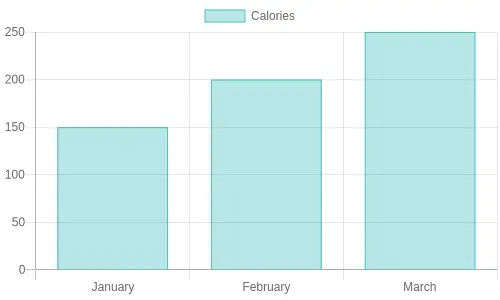
This chart helps business owners quickly assess the calorie differences among various ingredient options for cold coffee.
Summary:
- Whole Milk: Typically higher in calories compared to alternatives.
- Almond Milk: A lower-calorie option, great for those monitoring intake.
- Skim Milk: Similar to whole milk but with reduced calories.
- Oat Milk: Generally higher than almond but can vary by brand.
- Sugars and Sweeteners: Regular sugar increases calorie count more than no sugar or sweeteners.
For more insights into utilizing quality ingredients, check out Costco’s product offerings and reviews.
Conclusion
In conclusion, understanding the calorie content of cold coffee beverages is essential for business owners aiming to cater to health-conscious customers. With the growing popularity of cold coffee, particularly among younger demographics, offering transparent nutritional information on your menus can significantly enhance customer trust and satisfaction. Studies have shown that a typical cold coffee with milk and sugar can range from 50 to 100 calories depending on the ingredients used. As more consumers seek healthier options, revamping cold coffee menus to include lower-calorie and naturally-sweetened alternatives could set your business apart.
Encouraging the use of organic or reduced-calorie ingredients, like Kirkland Organic Milk Review, can also appeal to this market segment. By emphasizing calorie content and health benefits, you create an opportunity to not only satisfy existing customers but also attract new ones who are increasingly making health-conscious choices. Furthermore, with cold brew coffee consumption rising by 300% since 2016, as noted in this CNBC article, now is the perfect time to reassess and innovate your offerings to keep pace with industry trends and customer expectations.
By thoughtfully considering your cold coffee selections, you can harness this upward trend and ensure your business remains competitive in the evolving market.