
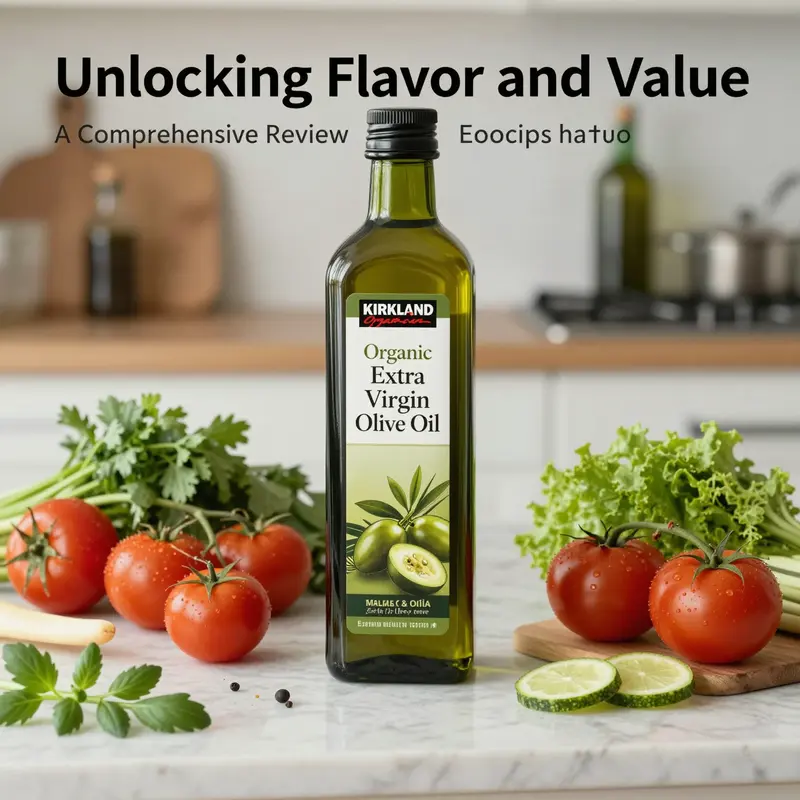
Kirkland Signature Organic Extra Virgin Olive Oil has gained a stellar reputation among consumers and chefs alike, particularly within the culinary world that values high-quality ingredients without breaking the bank. As a business owner in the food industry, understanding the attributes of this olive oil can guide your purchasing decisions, whether for culinary uses or retail. This article is an exploration of Kirkland’s olive oil, addressing its quality standards, unique taste profile, significant health benefits, and market positioning. Each chapter is designed to equip you with an in-depth understanding to enhance your business offerings and attract health-conscious customers.
Trust in the Label: Quality Standards, Certifications, and the Value of a Warehouse-Club Organic EVOO
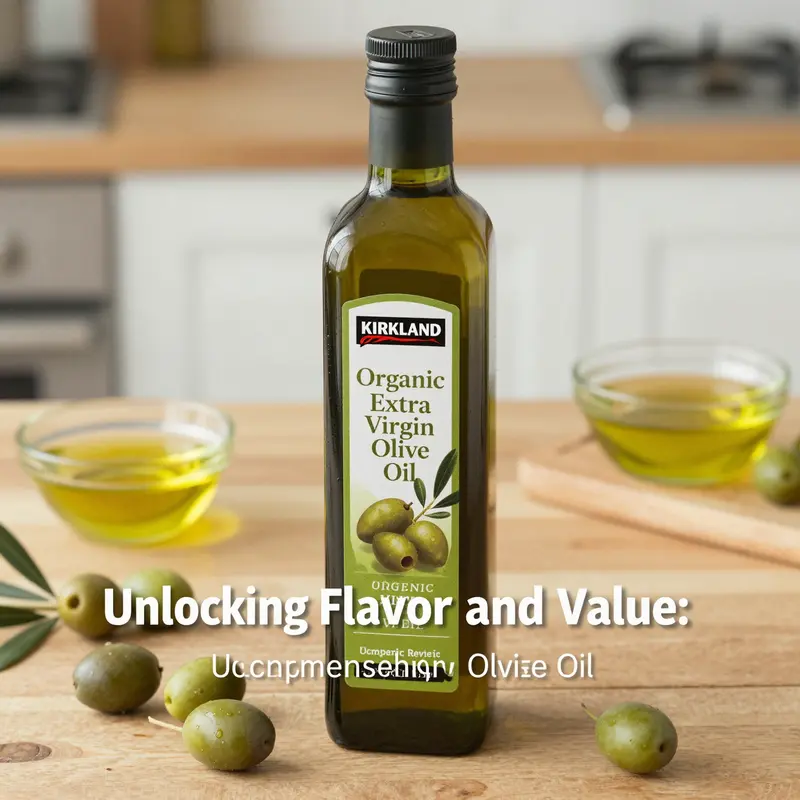
Quality is the quiet language of a bottle labeled organic extra virgin olive oil. When a product carries certified validation from national and international bodies, it signals more than flavor; it signals a disciplined path from grove to bottle. Certifications promise that olives were grown with care for the land and health, that the extraction process preserved the fruit’s essence, and that what’s inside the jar remains true to its claims. In a crowded market, these assurances help consumers separate mere novelty from consistent performance. A bottle that meets multiple standards not only tastes right; it also speaks to transparency, traceability, and a shared commitment to purity that can guide everyday cooking decisions, from weeknight sautés to bright salad dressings.
At the heart of the quality story are three pillars that often converge in a single organic extra virgin olive oil sold at a large, membership-based retailer. The first pillar is a strict organic certification. A product labeled organic indicates that the olives were grown without synthetic pesticides, herbicides, or genetically modified organisms, and that the final product adheres to defined organic material thresholds. For many health-conscious cooks, this certification offers reassurance that the oil’s source avoids the residue of conventional farming practices. It also underscores a broader philosophy of farming that values biodiversity, soil health, and sustainable cultivation. While the precise criteria can vary by country, the general expectation is clear: the product should carry a credible organic designation and deliver on the promise of purity to the palate and the body.
The second pillar comes from international olive oil standards, coordinated by the International Olive Council. These standards specify that true extra virgin olive oil is the product of the first cold pressing of olives and that no chemical processing or additives alter the natural juice. The emphasis here is on preserving flavor, aroma, and the oil’s natural balance of monounsaturated fats and antioxidants. It is not merely about avoiding defects; it is about ensuring the oil retains the lively, peppery, and gently grassy notes that olive trees offer when harvested at peak ripeness. The sensory profile—an impression of fruit vitality that lingers with a touch of pepper—becomes a practical signal that the oil is of high quality. Consumers who notice a peppery finish are witnessing the presence of phenolic compounds, a desirable trait linked to both flavor intensity and oxidative stability.
A third pillar, often consulted by more discerning buyers, comes from regional regulatory bodies such as the California Olive Oil Commission. Compliance with COOC standards provides an additional layer of assurance, signaling that production practices, labeling, and geographic origin meet stringent state-specific expectations. This multi-layered approach—organic certification, IOC classification, and COOC compliance—creates a robust framework that supports consistency, authenticity, and a traceable story from orchard to bottle. When these elements align, the oil becomes more than a kitchen staple; it becomes a reliable ingredient that cooks can reach for with confidence, knowing its provenance is backed by credible, recognized authorities.
Labeling, too, plays a pivotal role in this narrative. A bottle that clearly states “100% Organic” or similar language communicates transparency beyond the aroma and taste. Honest labeling implies traceability—an ability to verify where the olives were grown, how they were processed, and under what conditions the oil was stored. In practice, this translates to practical benefits in the kitchen: stable shelf life, predictable performance in high-heat cooking, and a sensory clarity that makes it easy to discern a superior EVOO from a standard one. Consumers often describe the experience as smooth upon first contact, followed by a finish that reveals a subtle spiciness or peppery warmth. This finish, while potent, is not a flaw; it is typically a sign of higher polyphenol content, which contributes to both flavor intensity and antioxidant capacity. It is also a reminder that good EVOO can offer a dynamic tasting journey rather than a simple, one-note impression.
Beyond the certifications and the crisp labeling, the practical value of a well-certified organic EVOO often centers on price-quality balance. In the landscape of premium oils, some brands command prices that reflect prestige more than everyday usefulness. A robust, 2-liter bottle at a competitive price point, offered by a warehouse-club retailer, demonstrates a compelling value proposition: accessibility without compromising essential quality markers. For home cooks who rely on EVOO not only for pan-searing but also for delicate dressings and finishing touches, a credible oil that delivers near-premium flavor at a more approachable price point can redefine the way people cook daily. The honest, fresh olive aroma, the balanced bitterness, and the lingering peppery note all contribute to a confident, repeatable kitchen experience. In this context, cost savings become not merely a monetary consideration but a practical enabler of experimentation—more room to experiment with herbs, citrus, and different vinegars without sacrificing flavor integrity.
For readers seeking a practical lens on how such oils are evaluated in the real world, this far-reaching standard system translates into tangible cooking outcomes. Fresh, bright, and versatile, the oil performs well across a spectrum of applications: salads, marinades, roasting vegetables, and light sautéing where the fruit character can shine without overpowering other ingredients. The peppery finish remains a useful cue that the oil’s phenolic content is doing its job, contributing to both a lively mouthfeel and a degree of oxidative protection that supports longer-lasting freshness when stored properly. In discussing the broader landscape of organic EVOOs, it is not enough to judge by aroma or price alone; the credibility of certification, the rigor of labeling, and the consistency of sensory experience together create a trustworthy benchmark.
For a practical sense of how such oils are evaluated in the market, refer to this Extra Virgin Olive Oil Review. This linked resource offers a consumer-facing snapshot of how a similarly positioned product is discussed in reviews and depth analyses, illustrating how certification signals translate into kitchen performance. Extra Virgin Olive Oil Review
External readers may wish to explore the broader context of production integrity and organic standards from official sources. For additional context on organic certification standards, see the USDA Organic Certification Standards. USDA Organic Certification Standards
Organic Extra Virgin Olive Oil Review: A Taste Profile and Consumer Experience
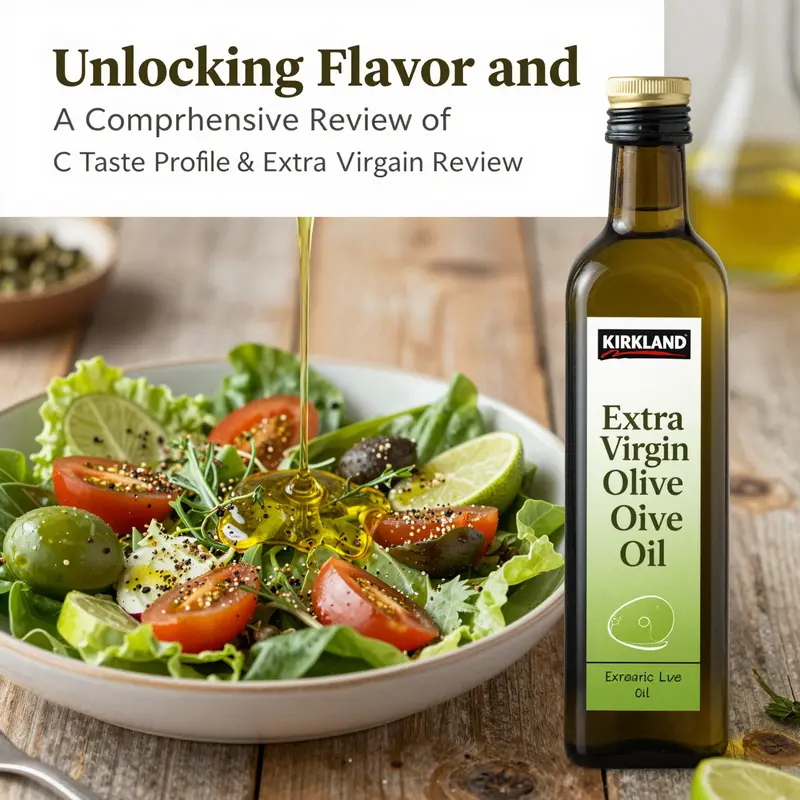
In the pantry of everyday cooking, an organic extra virgin olive oil that is widely available has earned a steady following for households seeking quality without paying a premium. This oil is produced through cold pressing and kept true to its organic certification, with non-GMO assurance and a first-press, low-temperature approach that preserves the fruit’s character. Packaged in a practical two-liter bottle, it remains a versatile staple for family kitchens, offering flavor, health benefits, and everyday usability. The appeal lies not only in its sensory profile but also in how it performs in real cooking, translating the promise of premium EVOO into practical kitchen success.
From opening the bottle, the aroma is olive-forward and fresh, with a bright fruitiness and subtle green notes. On the palate, the oil is smooth and balanced, delivering a lively olive character that enhances salads, vegetables, and simple finishing applications. The finish reveals a peppery warmth that lingers pleasantly, signaling polyphenol richness without overpowering a dish. This finish helps distinguish a high-quality oil from more ordinary options and aligns with home cooks’ expectations for authentic olive flavor.
The production story reinforces the tasting experience: cold pressing preserves delicate aromas and healthy fats, while organic certification and non-GMO status provide reassurance about the source. Third-party authenticity checks further strengthen confidence that the flavor comes from the olives themselves, not from processing tricks. This combination of organic integrity and a careful extraction method supports the oil’s ability to hold up under light heat, drizzle over produce, or serve as a simple base for dressings and marinades.
In practical cooking, the oil shines as a finishing touch and in low-heat applications. A small amount brightens greens, citrus, and roasted vegetables, and it pairs well with herbs and citrus zest. The value proposition is compelling: a large bottle at an accessible price point, making it feasible to use generously while maintaining quality. For many households, this oil is a reliable daily driver, offering consistent flavor without the ceremony some premium labels require.
Consumer feedback echoes these observations, with tasters noting the oil’s smooth entry and authentic olive profile. The peppery kick is often described as energizing rather than harsh, and many reviewers highlight its versatility across salads, grains, and light sautés. The consensus is that this organic EVOO delivers genuine value, balancing flavor and practicality for everyday cooking while remaining approachable for new cooks and experienced chefs alike.
From Orchard to Table: Health, Flavor, and Value in Kirkland Organic EVOO
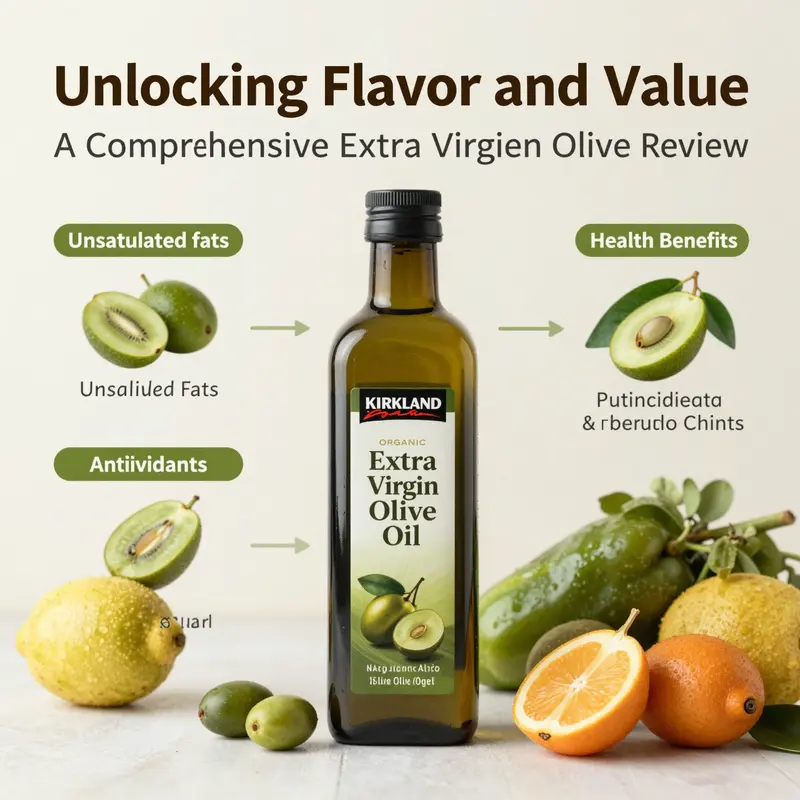
When a kitchen prioritizes healthful eating without compromising flavor, the olive oil on the shelf often guides the outcome more than any other single ingredient. Kirkland Organic Extra Virgin Olive Oil, produced from the first cold press of olives and certified organic, stands out in a crowded aisle for its clean profile and dependable everyday performance. It embodies EVOO’s core promise: a pure juice from the olive that has not been chemically altered or excessively heated. For families who prepare salads, sautés, and finishing drizzles, the oil’s balance of aroma, body, and smooth entrance makes it a reliable workhorse. The sensory experience—green fruit, fresh olive notes, and a gentle peppery finish—signals quality rather than indulgence. The two-liter container format adds to its appeal by lowering the cost per use, making premium flavor more accessible and turning a kitchen staple into a sustainable habit rather than a luxury.
From a nutritional standpoint, the oil is a pure fat source, with zero carbohydrates and zero protein per tablespoon and a focus on monounsaturated fats that support heart health when used to replace saturated fats. The real story, though, lies in polyphenols—the natural antioxidants that give EVOOs their longevity and resilience inside the body. Hydroxytyrosol, oleuropein, and oleocanthal are among the familiar markers that researchers associate with reduced oxidative stress and better LDL particle stability. While no single food guarantees health, a pattern emerges: oils rich in polyphenols contribute to lipid protection, vascular function, and anti-inflammatory effects. The organic certification reinforces this narrative, ensuring the product comes from farms that avoid synthetic pesticides and that the processing preserves the integrity of the fruit. For shoppers who favor clean labels and sustainable farming, the certification backs up the promise that the bottle you reach for at the table is as pure as it appears on the label.
Taste and aroma carry the science into the kitchen. On the palate, the oil often opens with bright, fresh olive fruit and a hint of green herb, then settles into a balanced, lingering finish. Many tasters notice a peppery burn—a prickling sensation at the back of the throat—that lingers, a sign of robust phenolic content rather than a fault. This characteristic makes it ideal for finishing salads, vegetables, and grilled proteins, where the oil’s flavor can stand up to citrusy dressings or sharp cheeses. It also holds up well in light cooking, preserving more of its antioxidant character than heavier refined oils. The flavor profile invites cooks to use it generously in the moments when the dish is about to come off the heat, rather than letting it linger in high-heat pans that would dull its brightness. In practice, the result is a vivid, clean taste that complements a wide range of cuisines.
Value and versatility often determine how a product enters regular rotation. The brand’s two-liter bottle reduces per-use cost without compromising aroma or freshness, which explains why many households keep it on hand as a daily oil. Compared with pricier EVOOs, this oil frequently delivers a similar depth of flavor in everyday tasks—dressings, marinades, and finishing drizzles—without triggering sticker shock. Its practical warmth level makes it a robust option for light sautéing, though most cooks reserve higher-heat applications for other fats to preserve antioxidant content. The oil’s durability in the pantry—stable flavor over weeks of use—encourages experimentation, from simple lemon vinaigrettes to herb-inflected blends for roasted vegetables. In the end, value here is not merely monetary; it is the confidence that a single bottle can cover a broad spectrum of meals with consistent quality.
Those seeking reliable guidance will find that the oil aligns well with health goals, flavor preferences, and everyday cooking demands. A practical overview is captured in Costco Extra Virgin Olive Oil Review. The discussion centers on organic roots, purity in processing, and the oil’s sensory profile, which together form a coherent argument for its place in a well-rounded kitchen. The overall message is clear: you gain meaningful flavor and antioxidant benefits at a price that makes regular use feasible, not just occasional splurges. This combination of science-backed attributes, user-friendly packaging, and broad culinary appeal helps explain why the oil has become a staple in many households. Whether you’re building a basic pantry or refining a weekly menu, its versatility invites cooks to reach for it first when preparing salads, grains, or simply finishing a dish with a bright, peppery lift.
In sum, the Kirkland Organic Extra Virgin Olive Oil presents a balanced, practical option for readers who value health without sacrificing taste. Its monounsaturated fat profile and polyphenol load contribute to heart health and oxidative protection, while the organic certification reinforces a commitment to farming integrity and sustainable practices. Flavor, aroma, and performance come together in a bottle that supports daily cooking—from simple dressings to finishing touches on warm plates. For families prioritizing value, purity, and a reliable sensory experience, this oil embodies a rare blend of scientific rationale and everyday usability. It is more than a pantry staple; it is a steady partner in crafting meals that feel nutritious and delicious, one drizzle at a time.
External resource: https://www.costco.com/product/1386759.html
Kirkland Organic EVOO on Trial: Market Pricing, Value, and Culinary Integrity
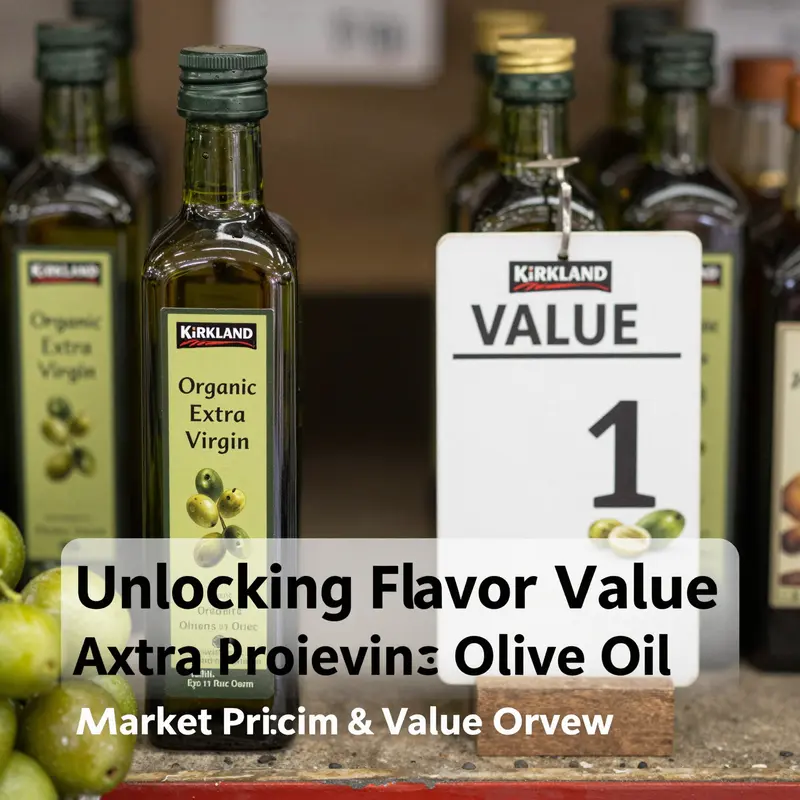
When we survey the landscape of extra virgin olive oils, a few names rise to the top not just for their flavor, but for the balance they strike between price, purity, and practical usefulness. Kirkland Signature Organic Extra Virgin Olive Oil sits prominently in that discussion, especially for households that want quality without paying a premium every time they reach for the bottle. The oil is widely available at Costco, and the recent market listings place a 2-liter bottle at around twenty dollars, give or take a few dollars based on location and promotions. That price point translates into a compelling value proposition: a per-liter cost near ten dollars, which undercuts many boutique EVOOs sold in smaller formats while still offering the attributes we expect from a true extra virgin olive oil. The core strengths—organic certification, non-GMO status, and cold-press extraction—are not just marketing claims; they align with international and U.S. standards that ensure the oil arrives as a pure expression of olive fruit, not a blend or a refined product designed merely to stretch a margin. This combination of accessibility and authenticity is precisely why many cooks, families, and casual tasters keep returning to it for daily use and for those finishing touches that demand a certain polish to a finished dish.
From a sensory standpoint, the oil tends to deliver what reviewers describe as a beautifully robust olive personality, with a mid-to-high aroma that hints at fresh-fruit harvests. The tasting notes often point to a peppery finish—an invigorating burn at the back of the throat that signals a high polyphenol content. Those phenolic compounds are part of what gives high-quality EVOOs resilience: a pleasant heat that lingers just enough to remind you that you’re tasting genuine maturity in the fruit rather than a diluted or altered oil. Some first-timers may notice a sharper bite in the initial mouthfeel, but far from being a flaw, this is frequently cited as evidence of purity and vigor rather than of aggressive seasoning. In practice, that peppery snap can elevate salads, roasted vegetables, and even simple bread-dipping, because it holds up to acid and bright herbs rather than being overwhelmed by them.
Health-wise, the appeal is reinforced by the oil’s composition. Monounsaturated fats predominate, which support heart-healthy dietary patterns, and the antioxidant load—polyphenols in particular—helps explain the peppery finish while also offering a margin of stability against oxidation. Organic certification adds another layer of assurance for consumers who are meticulous about process and origin. The oil is non-GMO, which is a meaningful marker for some kitchens that aim to minimize processed inputs in their pantry. These attributes are not merely theoretical; independent testing and consistent labeling help consumers trust that what they see on the bottle reflects what’s inside. In a market where some oils labeled as EVOO have raised questions about authenticity, Kirkland’s documented standards provide a straightforward counterpoint: a product you can reach for with reasonable confidence that you’re sourcing something closer to the olive’s natural state than to a chemically refined alternative.
In practical kitchen terms, the value is reinforced by versatility. The oil performs well in a wide range of applications—from sautéing vegetables with a light touch to finishing a warm pasta or a crisp salad. The value proposition grows when you consider the container size. A 2-liter bottle reduces the frequency of purchases and, crucially, the amount of packaging per serving, which matters to households that value efficiency and waste reduction. The multiplier effect of having a larger bottle is not merely convenience; it’s an economic argument rooted in cost-per-use. When you combine price, flavor integrity, and culinary versatility, the Kirkland EVOO presents itself as a reliable everyday oil that does not require one to compromise between taste and budget.
Consumers often share a warm consensus: this is an EVOO that performs consistently across dishes and seasons. The flavor holds up under heat, yet it remains distinct enough to be noticed in finishing applications where a drizzle can transform a dish. Some reviewers mention that the oil’s peppery burn is most noticeable when the bottle has just opened and the polyphenols are most vibrant; after a few weeks in the pantry, the profile can mellow slightly, which can be a welcome adjustment in households that cook daily. Either way, the overall sentiment remains positive: the product is a dependable workhorse that blends well with a variety of flavors without overpowering them. It’s this balance—robust but not aggressive, affordable but not compromised—that accounts for the widespread recommendation of this EVOO for salad dressings, marinades, pan-searing vegetables, and even light baking where olive oil is called for as a key taste influence.
For readers seeking a broader frame of reference, a comparative read on Costco’s EVOO range can provide context about how this oil stacks up against other offerings in the same shop. See the Costco Extra Virgin Olive Oil Review for a broader discussion of how price, packaging, and labeling interplay in the warehouse setting. Costco Extra Virgin Olive Oil Review.
In the end, the Kirkland Organic EVOO embodies a rare combination: it is both a practical staple and a signal of quality you can trust at a price that invites regular use rather than selective splurges. It demonstrates that value in the olive oil category does not require sacrificing flavor, purity, or certification. For households that cook with intention and look for a dependable oil to carry flavors across meals—from salads to seared veggies and simple dipping—the Kirkland option stands out as a thoughtful, value-centered choice. And when the bottle is empty, the decision to repurchase becomes less a calculation of budget and more a confirmation of consistency: a reliable, flavorful, and health-conscious staple that makes everyday cooking a little easier and a lot more flavorful.
External resource: https://www.costco.com/kirkland-signature-organic-extra-virgin-olive-oil-2-l/product/100186732
Final thoughts
Kirkland Organic Extra Virgin Olive Oil stands out as a symbol of quality and value in the culinary world. From its rigorous certification to an appealing taste profile and nutritious benefits, it represents a wise investment for business owners seeking to enrich their offerings. As your customers increasingly prioritize health and quality, incorporating this premium olive oil into your kitchen or retail space not only enhances meal preparation but also demonstrates a commitment to quality—a key trait for sustained customer loyalty. Consider how Kirkland’s oil can complement your menu or product lineup, ensuring you meet and exceed client expectations.